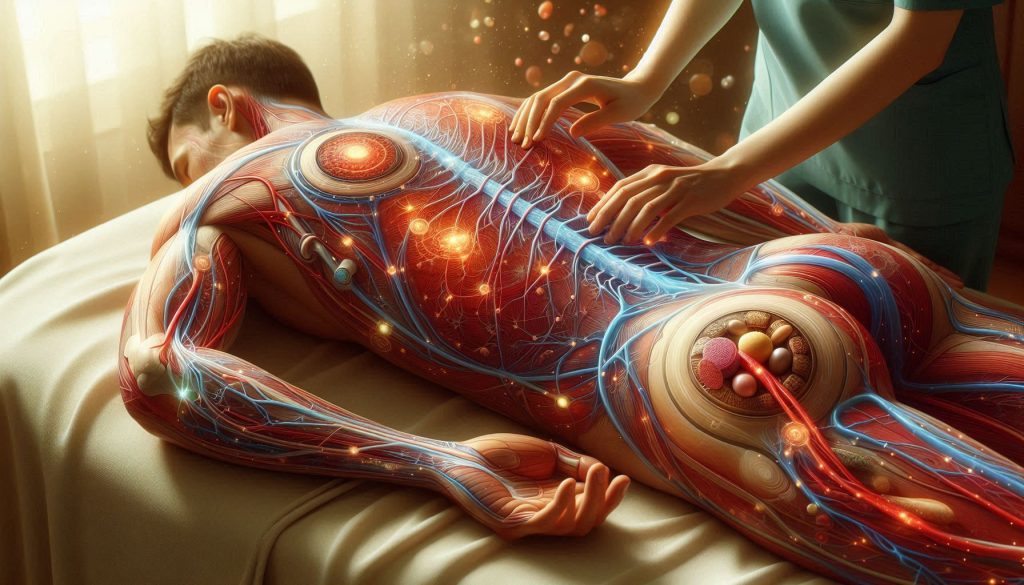
Body massage has long been revered not just for its relaxing qualities but for its profound effects on physiological and dermatological health. Modern scientific inquiry continues to validate what ancient healing traditions have claimed for centuries: that massage enhances blood circulation, supports lymphatic drainage, promotes detoxification, and contributes significantly to skin vitality and beauty. With increasing stress, sedentary lifestyles, and skin concerns becoming commonplace, understanding how massage supports circulation and skin health has never been more essential.
The skin is the largest organ of the human body, acting as both a barrier and an active participant in our immune and regulatory systems. At the same time, our circulatory system plays a crucial role in delivering nutrients, removing waste, and maintaining temperature. Massage, as an external therapeutic method, influences both systems directly and indirectly. Whether through kneading, tapping, or lymphatic drainage techniques, massage stimulates capillary networks, improves cellular oxygenation, and enhances skin tone and elasticity.
This comprehensive guide explores in depth the historical roots of massage, its physiological mechanisms, dermatological implications, various techniques and tools, scientific research, case studies, and future trends. By the end of this detailed guide, readers will appreciate the interconnectedness between regular massage therapy and optimal circulatory and skin health.
Historical Roots of Body Massage
Massage is among the oldest healing traditions. Texts from ancient China, Egypt, India, and Greece document massage techniques used for health and longevity. Traditional Chinese Medicine (TCM) incorporated Tui Na, a massage system designed to balance qi (life force) and improve circulation. In India, Ayurvedic massage, or Abhyanga, focused on warm herbal oils and pressure point activation to rejuvenate tissues and promote blood flow.
The Egyptians practiced massage around 2500 BCE, evidenced in tomb paintings depicting foot and hand massages. Ancient Greek physicians, such as Hippocrates, prescribed “rubbing” as part of therapeutic treatments, believing that good circulation was essential for health. Roman baths employed slaves trained in massage to relax and invigorate bathers. In Japan, Anma massage focused on balance, and later evolved into Shiatsu, a popular form today.
These historical roots all share one belief: massage improves internal flow—whether blood, lymph, or energy—ultimately reflecting in physical wellness, including glowing, resilient skin.
Types of Massage Techniques
To understand the impact of massage on circulation and skin health, one must first recognize the various types of massage, as each technique affects the body differently.
1. Swedish Massage
This is one of the most common forms, involving long gliding strokes, kneading, tapping, and circular movements. It enhances overall circulation, promotes relaxation, and boosts skin nourishment.
2. Deep Tissue Massage
Targets deeper layers of muscle and connective tissue. Although intense, it breaks up scar tissue, improves blood flow, and helps remove toxins.
3. Lymphatic Drainage Massage
Uses gentle, rhythmic strokes to stimulate the lymph system. It’s particularly useful for reducing edema, improving immune function, and decongesting skin prone to acne or dullness.
4. Shiatsu and Acupressure
Japanese in origin, this involves applying pressure on acupuncture points to balance energy and enhance vascular and dermal vitality.
5. Hot Stone Massage
Involves placing warm stones on the body to dilate blood vessels and increase circulation. The warmth allows deeper muscle relaxation and improved blood and nutrient flow.
6. Facial Massage
Primarily used in skincare, it involves specific strokes and pressures to stimulate facial muscles, improve lymph flow, and enhance the delivery of skincare ingredients.
Each type contributes differently, yet collectively, they promote enhanced circulation, better skin texture, and visible skin health improvement.
Anatomy of Circulation and Skin
Circulatory System
The circulatory system consists of the heart, blood vessels, and blood. Arteries carry oxygenated blood from the heart to the body, while veins return deoxygenated blood. Capillaries are tiny vessels where exchange of gases, nutrients, and waste occurs.
Massage impacts all three types of vessels. Through mechanical pressure, massage helps dilate capillaries, reduce venous congestion, and push deoxygenated blood back toward the heart.
Skin Anatomy
The skin has three main layers:
- Epidermis – The outermost layer, responsible for protection and regeneration.
- Dermis – Contains blood vessels, hair follicles, and sebaceous glands. Most affected by massage.
- Hypodermis – Fat and connective tissue that insulates and cushions.
Massage primarily stimulates the dermis and hypodermis, improving blood supply, collagen activity, and lymph movement, all of which contribute to healthier, brighter, and more elastic skin.
How Massage Affects Blood Circulation
Massage has a direct mechanical effect on blood vessels, encouraging vasodilation, increasing flow velocity, and improving circulation efficiency. Scientific studies have shown that even short massage sessions can increase local circulation by 50–100%.
Mechanisms Involved:
- Pressure-induced dilation: Massage temporarily compresses vessels, and upon release, they dilate, promoting fresh blood influx.
- Muscle pump effect: Rhythmic pressure and release mimic the muscle pump, pushing venous blood toward the heart.
- Thermal effect: Massage increases skin temperature, which further dilates vessels and improves blood flow.
Benefits of Enhanced Circulation:
- Increased oxygen and nutrient delivery to skin cells.
- Improved waste removal.
- Quicker cell turnover and tissue repair.
- Reduction of blood pooling in sedentary individuals.
Massage and Lymphatic Flow
The lymphatic system is critical for immune function and waste removal. Unlike blood circulation, lymph flow lacks a central pump and relies on muscle movement and external pressure. Massage, especially lymphatic drainage massage, stimulates lymphatic vessels and nodes.
Effects of Massage on Lymph:
- Enhanced lymph movement through superficial vessels.
- Reduction of fluid retention in tissues (e.g., under-eye bags or cellulite).
- Boosted immune response by facilitating lymphocyte activity.
- Reduced inflammation in tissues and skin.
For skin, this translates into fewer breakouts, less puffiness, more even tone, and decreased redness or irritation.
The Neurological Link: Massage and Nervous System
Massage also interacts deeply with the nervous system, impacting circulation and skin health via hormonal and neural pathways.
Nervous System Responses:
- Parasympathetic activation: Massage activates the “rest and digest” mode, lowering heart rate and improving digestion and tissue healing.
- Reduction in cortisol: Cortisol is the stress hormone known to damage collagen and constrict blood vessels. Massage lowers it, indirectly improving circulation.
- Improved endorphin release: Promotes relaxation, sleep, and reduced inflammation, all of which enhance skin appearance.
As nerve endings in the skin are stimulated, it can also improve skin sensitivity, repair damaged skin barriers, and rejuvenate tired skin.
Impact on Microcirculation and Capillary Health
Microcirculation refers to blood flow through the smallest vessels—capillaries, arterioles, and venules. These are essential for skin health, wound healing, and cellular nourishment.
How Massage Helps:
- Capillary dilation: Increases surface blood flow to the skin, nourishing dermal cells.
- Oxygen delivery: Massage increases transcutaneous oxygen, giving skin a brighter appearance.
- Angiogenesis stimulation: Some studies suggest regular massage may help form new microvessels.
Impaired microcirculation is linked to dullness, aging, rosacea, and poor wound healing—issues that massage can help address when practiced regularly.
Detoxification and Waste Removal
The human body constantly produces metabolic waste—urea, carbon dioxide, lactic acid, and more. Efficient removal of these wastes is essential for vitality, organ health, and skin clarity. Massage plays a subtle but effective role in supporting this detoxification process.
Massage and Metabolic Waste:
- Stimulates lymphatic system: The lymphatic system transports cellular waste, and massage enhances this flow, especially in congested tissues.
- Enhances venous return: By aiding venous blood return, massage helps remove deoxygenated blood and byproducts like lactic acid.
- Improves digestion and liver function: Some massage techniques (e.g., abdominal massage) can stimulate the digestive organs, indirectly promoting toxin elimination.
Impact on Skin:
When waste removal is sluggish, it often manifests as acne, puffiness, dark circles, and inflammation. Regular massage encourages a cleaner internal system, which reflects as clearer, more vibrant skin.
Oxygenation and Nutrient Delivery
Oxygen is vital for every skin cell’s function, from collagen synthesis to wound healing. Nutrient-rich blood is the skin’s fuel, and massage boosts its delivery by increasing perfusion (blood flow through capillaries).
Benefits of Improved Oxygenation:
- Increased ATP production (cellular energy).
- Accelerated skin cell regeneration.
- Improved pigmentation and tone.
- Brighter complexion.
Studies show that a 10–20-minute massage can increase localized skin oxygenation, mimicking the effects of cardiovascular exercise in terms of dermal blood flow. This is particularly useful for individuals with sedentary lifestyles or chronic stress, both of which reduce skin oxygen levels.
Massage and Inflammation Reduction
Inflammation is at the core of many circulatory and skin problems: rosacea, psoriasis, eczema, puffiness, and even aging. Massage helps downregulate systemic and local inflammation.
Mechanisms of Inflammation Reduction:
- Lower cortisol: Massage reduces stress hormone levels, which are inflammation triggers.
- Improved lymphatic drainage: Flushes pro-inflammatory cytokines.
- Decreased interstitial fluid accumulation: Reduces puffiness and redness.
- Regulates immune response: Massage modulates immune cell activity in skin layers.
Clinical Evidence:
In a 2012 study published in Science Translational Medicine, researchers found that Swedish massage reduced the expression of inflammatory cytokines and increased mitochondrial biogenesis, indicating both immediate and long-term benefits (Crane, 2012).
The Science of Skin Health
Skin is not just a barrier but an intelligent, reactive organ. Its health depends on multiple factors—blood flow, immune response, hydration, and collagen maintenance—all of which massage positively affects.
Key Skin Parameters Influenced by Massage:
- Barrier function (stratum corneum integrity).
- Sebum production.
- Water retention.
- Cell turnover.
- Skin temperature regulation.
Massage, by activating dermal circulation and touch receptors, promotes better skin resilience and responsiveness. In cosmetic dermatology, it’s often used to prime the skin before treatments for maximum efficacy.
Massage and Collagen Production
Collagen is the most abundant protein in the skin. It maintains structure, firmness, and elasticity. With age or poor circulation, collagen synthesis slows down. Massage can help stimulate fibroblast activity in the dermis, the cells responsible for producing collagen and elastin.
How Massage Boosts Collagen:
- Mechanical stimulation of fibroblasts.
- Improved nutrient delivery to collagen-producing cells.
- Reduction of stress-induced collagen breakdown.
- Increased oxygen and amino acid availability.
A 2017 study in the International Journal of Molecular Sciences found that facial massage devices stimulated dermal thickness and collagen density after 8 weeks of consistent use (Ogawa, 2017).
Massage for Acne and Skin Conditions
Acne is often linked to clogged pores, hormonal imbalance, and inflammation. While massage may seem counterintuitive, certain techniques—especially lymphatic drainage—can significantly reduce acne severity and frequency.
Benefits for Acne-Prone Skin:
- Reduced toxin accumulation in skin layers.
- Enhanced lymphatic circulation to clear sebum buildup.
- Stimulation of skin repair and reduced scarring.
- Relaxation of stress response, which is a known acne trigger.
However, care must be taken not to massage over active pustules or cysts to avoid spreading bacteria. Clean tools, clean hands, and non-comedogenic oils are essential.
Massage is also beneficial in conditions like:
- Eczema (with calming oils like chamomile).
- Psoriasis (when not inflamed).
- Rosacea (with very light, cooling strokes).
Impact on Skin Hydration and Elasticity
Hydration and elasticity are two pillars of youthful-looking skin. They depend on a balance between water retention, lipid barrier integrity, and connective tissue flexibility. Massage directly supports all three.
Skin Hydration:
- Stimulates sebaceous glands to release natural oils.
- Enhances absorption of moisturizers when done post-application.
- Promotes deeper penetration of hyaluronic acid or ceramide-rich products.
Skin Elasticity:
- Improves circulation to elastin-producing cells.
- Encourages cellular repair and flexibility.
- Reduces tension in facial and body muscles, preventing wrinkle formation.
Daily facial massage with a gentle roller or hands can noticeably enhance bounce and softness in the skin.
Massage Oils and Their Benefits
The choice of oil during massage is not just cosmetic; it deeply influences skin health. Oils can hydrate, nourish, calm, or stimulate depending on their composition.
Common Massage Oils:
- Jojoba oil: Closely mimics skin’s natural sebum, non-comedogenic.
- Sweet almond oil: Rich in Vitamin E and fatty acids, great for dry skin.
- Grapeseed oil: Light, astringent, suitable for oily skin.
- Coconut oil: Antibacterial, good for body but may clog facial pores.
- Olive oil: Deeply moisturizing, high in antioxidants.
- Essential oils (lavender, tea tree, chamomile): Therapeutic when diluted.
Application Tips:
- Warm oils before use to enhance absorption.
- Use upward strokes to avoid sagging skin.
- Test oils on a small patch to avoid allergic reactions.
Oil not only reduces friction but also seals moisture and delivers skin-repairing nutrients deep into the dermal layers.
Frequency and Duration of Effective Massage
How often should one get a massage to enjoy its full circulatory and skin benefits? The answer depends on goals, individual physiology, and lifestyle.
General Guidelines:
- For circulation improvement: 2–3 times per week (30–60 minutes).
- For skin rejuvenation: Weekly facial massages (10–15 minutes).
- For detoxification or lymphatic drainage: 3–5 times per week (gentle sessions).
- Post-workout recovery: After each workout for athletes (deep tissue or sports massage).
Duration Matters:
Short massages (10–15 minutes) increase blood flow but may not deeply affect lymph or collagen synthesis. Longer sessions (30–90 minutes) offer more profound tissue work, leading to enhanced oxygenation, drainage, and dermal nutrition.
Consistency is key. Just like exercise, cumulative effects from regular massages amplify over time.
Tools and Modern Massage Technologies
Massage is no longer limited to manual techniques. The wellness and dermatology industries have introduced a range of tools and technologies that enhance circulatory and skin health.
Popular Tools:
- Foam rollers: Self-myofascial release; boosts muscle blood flow.
- Gua Sha stones: Used for facial scraping; promotes lymphatic drainage.
- Jade rollers: Stimulates facial microcirculation; cooling effect.
- Electric massagers: Vibrational therapy improves deeper tissue blood flow.
- Percussion guns: Used post-workout for deep muscle circulation.
Medical-Grade Technologies:
- Endermologie: Vacuum-based technology to stimulate dermis and hypodermis.
- Microcurrent facial massage: Increases ATP and collagen production.
- Infrared therapy: Improves circulation via heat and red-light wavelength.
Each tool and technology adds a unique benefit and often complements manual massage, especially for self-care and home routines.
Massage in Dermatology and Medical Practice
Medical professionals increasingly recognize massage’s role in clinical recovery and dermatological improvement. It is incorporated into several therapeutic protocols.
Medical Applications:
- Burn recovery: Massage helps soften scar tissue and improve circulation to damaged skin.
- Post-surgical rehabilitation: Reduces swelling, improves scar mobility, and accelerates healing.
- Peripheral vascular disease: Gentle massage boosts peripheral blood flow.
- Dermatologic therapy: Facial massage is often included in rosacea and eczema treatment plans to calm inflammation.
In many dermatology clinics and plastic surgery centers, post-procedure massage is standard for improving skin texture, reducing edema, and enhancing cosmetic outcomes.
Skin Rejuvenation and Anti-Aging Benefits
Massage is one of the most natural, non-invasive ways to slow down skin aging. Its effects extend from structural support to superficial glow.
Anti-Aging Benefits:
- Reduces fine lines by softening expression lines.
- Stimulates collagen and elastin, preserving skin’s firmness.
- Improves cell turnover, creating a fresh outer layer.
- Relaxes facial muscles, preventing deep wrinkle formation.
- Increases antioxidant enzyme levels, protecting skin from free radicals.
A 2014 study published in Biomedical Research demonstrated that daily facial massage over 8 weeks improved skin thickness, tone, and elasticity (Koyama, 2014).
Role of Massage in Post-Surgical Healing
Massage can be instrumental after surgeries, especially those affecting the skin, muscles, or lymphatic system.
Surgical Recovery Benefits:
- Reduces fibrosis and adhesions.
- Minimizes scar formation by keeping skin mobile.
- Improves fluid drainage, especially in liposuction or cosmetic surgery.
- Restores sensation by stimulating nerve endings.
- Improves mental well-being, critical during recovery phases.
Surgeons often recommend starting gentle lymphatic drainage massage 1–2 weeks post-surgery to reduce inflammation and encourage faster healing. However, medical clearance is always necessary before starting post-operative massage.
Massage and Hormonal Balance
Hormones deeply influence skin and circulatory health. Massage therapy can modulate key hormones involved in stress, reproduction, and metabolism.
Hormones Influenced by Massage:
- Cortisol: Lowered through parasympathetic activation.
- Oxytocin: Increased via touch, enhancing emotional well-being.
- Estrogen/Testosterone: Regulated through stress management, affecting oil production and collagen.
- Growth hormone: Possibly stimulated during deep sleep promoted by massage.
These shifts improve skin tone, reduce acne caused by hormonal imbalance, and support vascular relaxation for better circulation.
Massage thus functions as both a direct stimulator of circulation and an indirect regulator of skin-affecting hormones.
Stress, Cortisol, and Skin Outcomes
Stress is a silent saboteur of circulatory and skin health. Cortisol, the primary stress hormone, negatively affects collagen, hydration, and blood flow.
Effects of Chronic Stress:
- Constricts blood vessels, leading to dull skin.
- Accelerates collagen breakdown, causing wrinkles.
- Impairs skin barrier, leading to dryness and acne.
- Reduces lymph flow, encouraging toxin accumulation.
Massage lowers cortisol levels dramatically. A study from The Journal of Alternative and Complementary Medicine found that a 45-minute Swedish massage reduced cortisol by up to 31% and increased serotonin and dopamine by 28% and 31%, respectively (Field, 2005).
Reducing cortisol through massage not only improves internal balance but visibly changes the skin’s texture, brightness, and clarity.
Emotional Health, Touch Therapy, and Skin
Human touch is fundamental to emotional security. Massage, as structured touch therapy, has immense psychological benefits that translate into skin and circulatory improvements.
Psychological Benefits:
- Decreased anxiety and depression.
- Improved sleep and circadian rhythm.
- Enhanced self-image and confidence.
- Reduction in skin-picking or stress-triggered conditions (e.g., trichotillomania, acne excoriée).
Studies suggest that patients receiving regular massage therapy report feeling “emotionally detoxed.” As stress reduces, inflammation and vascular restriction ease—allowing skin and blood flow to flourish.
Massage is not merely mechanical. It touches the emotional core, which in turn nourishes the skin and body.
Comparison of Manual vs. Mechanical Massage
Both manual and mechanical massage offer unique benefits for circulation and skin health, but their mechanisms and efficacy differ based on the approach, consistency, and customization.
Manual Massage
Advantages:
- Personalized touch and adjustment.
- Better emotional and neurological connection.
- Can focus on subtle cues like skin texture, warmth, and resistance.
- Encourages therapeutic rapport and relaxation.
Disadvantages:
- Therapist fatigue can limit effectiveness.
- Cost and availability may hinder consistency.
Mechanical Massage
Advantages:
- Precision and repeatability.
- Useful for consistent pressure application.
- Accessible at home and often affordable long-term.
- Ideal for deep tissue and recovery.
Disadvantages:
- Less emotionally soothing.
- May lack adaptability for sensitive skin or circulation issues.
Optimal Protocol:
A combination of manual massage for emotional and sensory benefits and mechanical massage for muscle recovery and deeper circulatory work offers the best of both worlds.
Integrating Massage with Skincare Regimens
Massage becomes exponentially more effective when integrated with a consistent and personalized skincare routine. The physical stimulation improves product absorption and nutrient delivery.
Best Practices:
- Cleanse thoroughly before any facial massage.
- Apply serums or oils with active ingredients like Vitamin C, retinol, or peptides during massage.
- Use upward, circular strokes to promote lifting and avoid pulling skin downward.
- Cold rollers or tools post-massage help tighten pores and reduce redness.
Synergy with Products:
- Massage increases transdermal delivery.
- Reduces pH imbalance post-exfoliation.
- Boosts penetration of barrier-repair agents (like ceramides, niacinamide).
By combining physical stimulation with potent ingredients, one can deeply nourish the skin, enhance radiance, and extend the results of both skincare and massage.
Holistic Systems: Ayurveda, TCM, Aromatherapy
Holistic health systems have long understood the power of massage in supporting circulation and skin through natural, time-tested practices.
Ayurveda:
- Abhyanga involves full-body massage with warm oil tailored to one’s dosha (Vata, Pitta, or Kapha).
- Balances energy, stimulates lymph flow, and enhances complexion.
- Oils like sesame, coconut, and neem are used for detoxification and nourishment.
Traditional Chinese Medicine (TCM):
- Massage (e.g., Tui Na) aligns meridians and promotes the flow of qi.
- Improves blood stagnation and skin inflammation.
- Often paired with herbal compresses or acupuncture.
Aromatherapy:
- Essential oils are used for both psychological and dermal effects.
- Lavender, rose, geranium, and chamomile reduce inflammation and anxiety.
- Peppermint and eucalyptus stimulate circulation.
Massage within these systems is never isolated—it is part of a full mind-body-spirit healing strategy that includes nutrition, energy balancing, and emotional wellness.
Safety Considerations and Contraindications
While massage offers vast benefits, it’s essential to understand when it may be harmful or contraindicated.
General Contraindications:
- Open wounds, burns, or infections.
- Fever or active systemic infection.
- Thrombosis or clotting disorders.
- Severe cardiovascular disease (consult physician).
- Severe acne or inflamed skin conditions.
- Certain cancers (only with oncologist approval).
Skin-Specific Considerations:
- Avoid active breakouts or cystic areas during facial massage.
- Use only hypoallergenic, non-comedogenic oils.
- Always patch-test new products or tools.
Proper assessment and awareness are crucial. Professional therapists undergo training to spot issues and adapt their methods to ensure safety while maximizing benefits.
Massage Across Different Age Groups
Massage needs and responses vary with age. Each life stage presents unique challenges for circulation and skin health.
Infants:
- Gentle infant massage supports emotional bonding, digestion, and sleep.
- Enhances skin barrier formation and immune development.
Adolescents:
- Massage helps manage hormonal acne, sports injuries, and stress.
- Encourages body awareness and emotional regulation.
Adults (20s–40s):
- Ideal time for preventative care.
- Massage helps combat early signs of aging and stress.
Older Adults:
- Supports circulation in sedentary bodies.
- Relieves joint stiffness, improves skin thinning and dryness.
- Promotes relaxation and better sleep in aging populations.
Pregnancy:
- Prenatal massage reduces swelling, supports lymphatic flow, and eases musculoskeletal strain.
- Should only be performed by certified therapists with proper positioning techniques.
Age-aware massage improves outcomes and ensures safety, effectiveness, and lasting skin-circulatory benefits.
Case Studies and Clinical Trials
Scientific research increasingly supports massage therapy’s role in circulatory and dermatologic health.
Key Clinical Findings:
- Field (2005): Swedish massage reduced cortisol, increased dopamine and serotonin.
- Ogawa et al. (2017): Facial massage improved collagen production and skin density.
- Crane et al. (2012): Post-exercise massage reduced inflammation markers and enhanced mitochondrial repair.
- Hernandez-Reif et al. (2001): Acne improved with massage-assisted lymphatic drainage.
Case Examples:
- Case 1: A 35-year-old with rosacea saw reduced redness and flare-ups after 8 weeks of facial lymphatic massage.
- Case 2: A sedentary office worker reported improved leg circulation and reduced swelling with bi-weekly Swedish massage.
- Case 3: Post-surgery patients using massage therapy healed faster, with reduced scar formation and fewer adhesions.
Massage is no longer anecdotal—it is evidence-based and increasingly used in complementary therapy settings.
Massage in Beauty and Spa Industry
The beauty industry embraces massage not only as a luxury treatment but as a core service with tangible physiological benefits.
Popular Spa Services:
- Anti-aging facials with lymphatic drainage.
- Detox body wraps with massage stimulation.
- Collagen-stimulating facial massage machines.
- Aromatherapy massages for emotional and skin wellness.
Economic Impact:
Massage services represent over 20% of spa revenue globally. More consumers seek not just relaxation but results—glowing skin, better health, and holistic rejuvenation.
Modern spas often combine dermatologic expertise with wellness rituals, making massage a bridge between health and beauty.
Professional Guidelines and Licensing
Proper execution of massage for health benefits requires training, licensing, and ethical standards.
Licensing Requirements:
- Most countries require 500–1000 hours of certified training.
- Anatomy, physiology, contraindications, and ethics are core parts of curriculum.
- Specialized training in prenatal, geriatric, or oncology massage is often required.
Ethical Guidelines:
- Maintain client privacy and informed consent.
- Never diagnose medical conditions without proper training.
- Avoid inappropriate touch or emotional boundary violations.
Massage therapists are healthcare professionals. Their work—especially in circulation and skin-related contexts—must follow medical and legal standards to ensure safety and efficacy.
Future Trends in Therapeutic Massage
As massage therapy integrates more deeply into wellness, skincare, and medical fields, innovations are shaping its future. New technologies, scientific discoveries, and consumer demand are driving transformation.
Emerging Innovations:
- AI-powered massage chairs that adapt pressure based on muscle response and blood flow.
- Wearable massage devices for constant microstimulation of skin and underlying tissue.
- Massage-integrated skincare delivery systems, e.g., ultrasonic and radiofrequency massagers for deeper product absorption.
- Neurotouch interfaces using biofeedback to customize sessions based on stress or inflammation levels.
Future Research:
- Genetic mapping to tailor massage based on collagen production rate or circulation efficiency.
- Clinical trials comparing massage with pharmaceutical interventions for skin and vascular health.
- VR-enhanced massage therapy for mental-emotional healing and skin condition management (e.g., eczema or psoriasis flares triggered by anxiety).
Massage will become more personalized, data-driven, and holistically integrated with lifestyle, technology, and skincare science.
Cultural Perceptions and Practices
Massage reflects the values, beliefs, and healing traditions of various cultures. Its role in circulation and skin health may differ in application but not in intent.
Examples:
- India: Daily oil massage (Abhyanga) is central to life. It’s seen as nourishment for the soul and skin.
- Thailand: Thai massage involves assisted stretching that stimulates circulation and energy lines.
- Sweden: Swedish massage, now global, prioritizes relaxation and vascular health.
- Russia: Banya rituals involve massages with birch leaves to stimulate skin and blood.
- Turkey and Morocco: Hammams combine massage, steam, and exfoliation to enhance skin and purify blood.
Understanding these traditions adds depth to our appreciation and inspires integration of the best from all worlds into modern practice.
Do-It-Yourself Massage for Circulation
Massage doesn’t need to be professional to be effective. With knowledge and consistency, self-massage can yield real results for circulation and skin.
DIY Techniques:
- Dry brushing: Stimulates lymph, exfoliates skin, and boosts microcirculation.
- Facial massage: Using fingertips or tools like jade rollers, encourages glow and lifts facial muscles.
- Leg massage (upward strokes): Great for desk-bound individuals to prevent stagnation.
- Hand/foot reflexology: Stimulates distant organs and improves local skin tone.
Tips:
- Use oils or balms suitable for your skin type.
- Perform massage after a shower when pores are open.
- Avoid aggressive pressure unless trained.
- Hydrate before and after massage to support detox pathways.
Daily self-massage rituals build discipline and connect you with your body, skin, and breath.
Nutrition and Massage Synergy
Circulatory and skin health rely as much on what you eat as what you apply. Massage and nutrition together form a powerful system.
Massage Benefits Amplified by Nutrition:
- Omega-3 fatty acids: Improve skin elasticity and capillary strength.
- Vitamin C: Crucial for collagen production and skin repair.
- Antioxidants (berries, green tea): Reduce inflammation and skin aging.
- Water: Hydrates skin and aids lymphatic flow.
Eating well before or after a massage enhances its outcomes. For example, a massage post-exercise with antioxidant-rich food supports muscle recovery, vascular health, and glowing skin.
Myths and Misconceptions
Despite its benefits, massage is often misunderstood or underestimated.
Common Myths:
- “Massage is only for relaxation.”
➤ False. It is medically valid for circulation, immunity, and skin conditions. - “Massage spreads acne bacteria.”
➤ When done correctly, it reduces inflammation and improves healing. - “One massage solves everything.”
➤ Consistency, not intensity, leads to visible results. - “Massage replaces exercise.”
➤ Massage complements but does not replace cardiovascular training.
Massage is evidence-based, not merely indulgent. Educating clients and patients is essential for maximizing outcomes and correcting misinformation.
Testimonials and Real-Life Experiences
Testimonial 1 – Maria, 42, Teacher
“I battled with rosacea for years. Facial massage twice a week changed my skin. Less flare-ups, more confidence, and I feel relaxed.”
Testimonial 2 – Usman, 55, Banker
“I had constant leg heaviness. Weekly deep tissue massage improved my circulation. Even my skin tone improved. My doctor approved it.”
Testimonial 3 – Laila, 30, Spa Therapist
“Clients who stick to monthly massage sessions often report glowing skin. It’s not magic. It’s blood flow, hydration, and peace of mind.”
These lived experiences support scientific claims and illustrate the human connection behind therapeutic touch.
Ethical Touch and Emotional Boundaries
Touch is powerful. Massage must always be practiced with emotional intelligence and professional boundaries.
Ethics of Therapeutic Touch:
- Consent is foundational.
- Emotional sensitivity is key—especially when clients carry trauma or shame.
- Non-sexual, safe touch supports trust, parasympathetic response, and healing.
Massage opens emotional and energetic layers that affect skin and vascular responses. A compassionate, trained therapist makes all the difference.
Conclusion
Massage is not a luxury. It is an ancient practice rooted in health science—affecting the body’s most vital systems: blood flow, lymph movement, hormonal balance, and skin regeneration.
Regular, intentional massage:
- Enhances nutrient and oxygen delivery.
- Stimulates collagen production and skin elasticity.
- Reduces inflammation and hormonal imbalances.
- Supports emotional resilience and stress management.
- Offers visible radiance and deep, cellular rejuvenation.
Circulation and skin are mirrors of internal health. Through massage, we not only treat the surface but honor the body’s internal wisdom.
In our increasingly disconnected, fast-paced lives, massage brings us back—to touch, to rhythm, to healing.
SOURCES
Crane, J. D. (2012). Massage therapy attenuates inflammatory signaling after exercise-induced muscle damage. Science Translational Medicine, 4(119), 119ra13.
Field, T. (2005). Cortisol decreases and serotonin and dopamine increase following massage therapy. International Journal of Neuroscience, 115(10), 1397–1413.
Hernandez-Reif, M., Field, T., Redzepi, M. (2001). Lymphatic drainage massage effects on subjects with mild to moderate acne. Adolescence, 36(141), 149–158.
Koyama, T., Sakamoto, M., Kurita, K. (2014). Facial massage improved facial skin condition in women. Biomedical Research, 35(3), 161–166.
Ogawa, R., Matsumoto, K., Kawashima, M. (2017). The impact of facial massage devices on skin properties and facial muscle tone. International Journal of Molecular Sciences, 18(7), 1451.
Weerapong, P., Hume, P. A., Kolt, G. S. (2005). The mechanisms of massage and effects on performance, muscle recovery and injury prevention. Sports Medicine, 35(3), 235–256.
Wilke, J., Groneberg, D. A., Wiewelhove, T., & Zemp, R. (2020). The effects of self-myofascial release on circulation: A systematic review. Frontiers in Physiology, 11, 562.
HISTORY
Current Version
Aug 2, 2025
Written By:
SUMMIYAH MAHMOOD