Introduction
Hair has always been more than just a biological feature; it is a powerful symbol of identity, culture, and social status. Throughout history, hair styles, textures, and care practices have signified ethnicity, gender roles, political affiliations, and personal beliefs. From the ornate wigs of European aristocracy to the intricate braids of African communities, hair carries profound cultural significance. In contemporary society, however, the rapid pace of globalization, digital media influence, and evolving social attitudes have sparked transformative shifts in how people perceive and manage their hair. The norms surrounding hair care are no longer confined to localized traditions but are now dynamic, reflecting broader cultural conversations about identity, inclusivity, and self-expression.
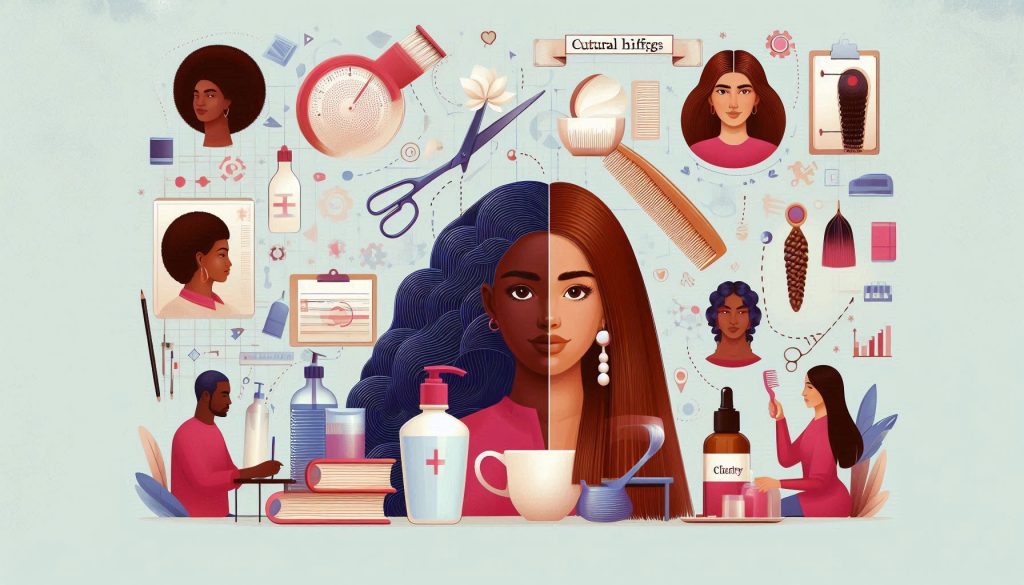
This essay explores how modern society shapes hair care norms through cultural shifts. It examines the historical context of hair identity, the impact of globalization and multiculturalism, the influence of media and technology, and the evolving politics of hair in relation to race, gender, and social acceptance. Through this exploration, we gain insight into how cultural shifts redefine not only hair care routines but also the very meanings attached to hair in a rapidly changing world.
1. Historical Perspectives on Hair and Identity
To understand contemporary cultural shifts, it is essential first to grasp the historical significance of hair across different societies. Traditionally, hair has served as a marker of cultural heritage and personal status. For many indigenous groups, hair is intertwined with spiritual beliefs and ancestral connections. For example, in many Native American cultures, long hair symbolizes strength, wisdom, and respect for tradition. Similarly, in various African cultures, hairstyles like cornrows and dreadlocks have functioned as expressions of tribal affiliation, social rank, and even marital status.
In Western history, hair has also reflected social hierarchies and political symbolism. The powdered wigs of 17th and 18th-century European aristocracy represented wealth and power, while short cropped hairstyles in early 20th-century America often signified modernity and liberation, especially for women during the flapper era. Conversely, hair could also be a tool of oppression, as seen in colonial attempts to erase indigenous and African identities by forcing conformity to Eurocentric hair standards.
These historical perspectives reveal that hair is not merely aesthetic but deeply political and cultural. Norms surrounding hair care have historically been a means of asserting identity or submitting to dominant cultural pressures. Recognizing these roots is crucial for understanding how modern society continues to negotiate hair as a site of identity and cultural meaning.
2. Globalization and the Blending of Hair Care Traditions
In recent decades, globalization has dramatically altered cultural landscapes, and hair care is no exception. The increased migration of people and the widespread exchange of ideas and products have facilitated a blending of hair care traditions worldwide. Today, hair salons offer styles and treatments inspired by diverse cultural practices, such as Japanese straightening, Brazilian keratin treatments, and African threading techniques.
This cultural interchange has fostered a greater appreciation for diverse hair textures and styles. For example, the natural hair movement, which celebrates afro-textured hair and rejects chemically straightened styles, has gained international momentum. Social media platforms enable individuals from different countries to share hair care tips and cultural narratives, breaking down geographical barriers and promoting cross-cultural understanding.
However, globalization also brings challenges related to cultural appropriation, where dominant cultures adopt and commodify hairstyles from marginalized groups without proper recognition or respect. The commercialization of dreadlocks or tribal braids in fashion and media, often divorced from their cultural significance, raises questions about authenticity and respect.
Overall, globalization has both enriched and complicated the discourse around hair care norms, creating a global marketplace of ideas and practices that shape personal and collective hair identities.
3. Media Influence and the Construction of Hair Norms
The role of media in shaping societal standards of beauty and hair care cannot be overstated. From Hollywood films and fashion magazines to Instagram influencers and YouTube tutorials, media platforms dictate what hair styles are trendy, desirable, and acceptable. For much of the 20th century, Western media promoted Eurocentric beauty ideals that favored straight, fine hair, marginalizing other hair textures and styles.
In recent years, however, there has been a notable shift toward inclusivity and representation. Celebrities and influencers of diverse ethnic backgrounds showcase natural curls, locs, and textured hairstyles, challenging traditional beauty norms. Campaigns by major hair care brands now feature models with a variety of hair types, and media discourse increasingly embraces hair as a form of self-expression rather than conformity.
Digital media, particularly social platforms, empower users to create and disseminate content that celebrates hair diversity and educates audiences on culturally significant hair care practices. Viral hashtags, online communities, and DIY tutorials democratize knowledge, enabling individuals to explore and affirm their hair identity in new ways.
Nevertheless, media can also perpetuate unrealistic expectations, promoting products and procedures that may damage hair or exploit insecurities. The tension between authentic representation and commercial interest continues to shape how hair care norms evolve in modern society.
4. Hair Politics: Race, Gender, and Social Acceptance
Hair has long been entangled with issues of race and gender, serving as a battleground for social acceptance and discrimination. In many societies, hair texture and style remain markers of racial identity, and policing of hair can reinforce systemic inequalities. For instance, Black individuals have faced workplace and school discrimination based on their natural hair, prompting legal reforms like the CROWN Act in the United States to protect against hair-based bias.
Gender norms also profoundly influence hair care expectations. Women historically have been expected to maintain long, styled hair as a sign of femininity, while men often conform to shorter, “neat” hairstyles. However, contemporary shifts challenge these binaries, with more fluid expressions of gender through hair. The rise of androgynous and gender non-conforming hair styles reflects broader cultural movements toward inclusivity and individual autonomy.
The politics of hair also intersect with activism. Movements like #BlackGirlMagic celebrate natural hair as a form of empowerment and resistance, while some Indigenous communities advocate for hair as a sacred symbol of cultural preservation.
Thus, hair care norms are not just personal preferences but are deeply connected to social justice, identity politics, and cultural affirmation in modern society.
5. The Rise of the Natural Hair Movement
One of the most significant cultural shifts influencing hair care norms in modern society is the rise of the natural hair movement. Originating primarily within the African diaspora, this movement encourages individuals—especially Black people—to embrace their natural hair texture and reject the pressures to conform to Eurocentric beauty standards that prioritize straightened or chemically altered hair.
The natural hair movement is as much a political and cultural statement as it is an aesthetic choice. It challenges long-standing stigmas around afro-textured hair, advocating for self-love, cultural pride, and political resistance to hair discrimination. Social media has played a vital role in amplifying this movement, with countless bloggers, vloggers, and influencers sharing natural hair care routines, styling techniques, and personal stories of empowerment.
Moreover, the movement has spurred a booming industry of hair care products tailored specifically for natural textures, ranging from moisturizing conditioners to styling gels that avoid harsh chemicals. This market shift reflects a growing acknowledgment by mainstream brands of the diversity and needs of their consumers.
Importantly, the natural hair movement has also inspired conversations around identity and authenticity. It invites people to reconsider what it means to care for hair “naturally,” encompassing an array of textures and styles beyond restrictive norms. This broadened definition encourages inclusivity and fosters a sense of belonging within communities historically marginalized for their hair.
6. Intersectionality: Hair Identity at the Crossroads of Culture, Gender, and Sexuality
Modern discourse on hair identity increasingly recognizes the complexity of intersectionality—the ways in which race, gender, sexuality, and class overlap to shape individual experiences. Hair is a site where these identities interact, influencing how people present themselves and how society perceives them.
For transgender and non-binary individuals, hair often becomes a critical element of gender expression and affirmation. Access to styles and hair care practices that align with their gender identity can significantly impact psychological well-being. For example, transgender women may seek hairstyles that help them embody femininity, while transgender men may prefer shorter cuts to affirm masculinity. However, societal norms can restrict these choices, making hair a focal point of both self-expression and discrimination.
Sexual minorities also challenge traditional hair norms. Queer culture frequently embraces unconventional hairstyles—such as bright colors, shaved patterns, or asymmetrical cuts—as forms of resistance to heteronormative expectations. Hair salons that cater to LGBTQ+ communities often become safe spaces where clients explore and celebrate their identities without judgment.
This intersectional perspective highlights the importance of recognizing hair care not simply as vanity or grooming but as a powerful form of identity negotiation. It also calls for inclusive hair care education and industry practices that respect and accommodate diverse needs.
7. The Environmental and Ethical Dimensions of Hair Care
As modern consumers become more socially and environmentally conscious, cultural shifts in hair care norms increasingly reflect concerns beyond aesthetics. The environmental impact of hair products, ethical sourcing of ingredients, and animal welfare are becoming central to how people choose to care for their hair.
Conventional hair care products often contain sulfates, parabens, silicones, and other chemicals that can harm aquatic ecosystems when washed down the drain. Additionally, the production of synthetic ingredients and plastic packaging contributes to pollution and waste. In response, a growing segment of consumers demand clean beauty products that use biodegradable, natural, and sustainably sourced ingredients.
Ethical concerns also extend to labor practices. The sourcing of certain ingredients—such as shea butter or argan oil—has raised awareness about fair trade and the economic empowerment of women in producing regions. Consumers now expect transparency from brands regarding supply chains and labor conditions.
These environmental and ethical considerations have led to new hair care norms emphasizing minimalism, sustainability, and conscious consumption. Practices such as water-saving hair washing, DIY natural treatments, and plastic-free packaging reflect broader cultural values about responsibility and stewardship.
This trend is reshaping the hair care industry, pushing brands to innovate and align their practices with the ethics and preferences of a socially aware consumer base.
8. Technology and Innovation in Hair Care Practices
The rapid advancement of technology has also transformed hair care norms in the 21st century. From personalized diagnostics to smart devices, innovation is influencing how people understand and care for their hair.
One notable development is the use of AI and machine learning in hair care diagnostics. Smartphone apps and in-store devices now analyze hair health, scalp conditions, and environmental factors to recommend personalized products and routines. These technologies enable consumers to make informed decisions based on their unique hair type, lifestyle, and goals.
Another innovation is the rise of biotech hair care products, including formulations with peptides, growth factors, and microbiome-friendly ingredients designed to optimize scalp health and stimulate hair regeneration. Advances in biotechnology also allow for the development of custom-made hair products tailored to an individual’s genetic and epigenetic profiles.
Moreover, virtual reality (VR) and augmented reality (AR) tools help customers experiment with hair colors, styles, and cuts before making a physical change, reducing decision anxiety and enhancing self-expression.
These technological tools democratize access to expert knowledge and foster a culture of personalization. They shift hair care from a one-size-fits-all approach to a dynamic and interactive experience, where consumers are active participants in managing their hair health and style.
9. Future Directions: Hair Care Norms in a Postmodern Society
Looking ahead, hair care norms will likely continue evolving in response to broader cultural and technological trends. The postmodern emphasis on individuality, fluidity, and inclusivity suggests that rigid standards of beauty and hair care will become increasingly obsolete.
We may see the continued blurring of cultural boundaries, with hybrid hairstyles and care routines that draw inspiration from multiple traditions, reflecting an interconnected global identity. The natural hair movement’s principles of acceptance and diversity will expand to encompass all hair types and identities, further challenging normative ideals.
Technological advances will enhance personalization and sustainability, potentially enabling consumers to cultivate healthier hair with minimal environmental impact. The integration of genetic and epigenetic insights could usher in a new era of precision hair care, where products and practices are scientifically tailored for optimal results.
Social movements advocating for hair justice—protecting against discrimination and celebrating cultural heritage—will likely strengthen, ensuring that hair remains a vital domain for expressing identity and achieving social equity.
Ultimately, hair care norms in modern society will be defined not just by style or function but by their role in reflecting and shaping cultural values, technological possibilities, and social justice ideals. This dynamic interplay promises a vibrant and inclusive future for hair identity worldwide.
5. The Rise of the Natural Hair Movement
One of the most significant cultural shifts influencing hair care norms in modern society is the rise of the natural hair movement. Originating primarily within the African diaspora, this movement encourages individuals—especially Black people—to embrace their natural hair texture and reject the pressures to conform to Eurocentric beauty standards that prioritize straightened or chemically altered hair.
The natural hair movement is as much a political and cultural statement as it is an aesthetic choice. It challenges long-standing stigmas around afro-textured hair, advocating for self-love, cultural pride, and political resistance to hair discrimination. Social media has played a vital role in amplifying this movement, with countless bloggers, vloggers, and influencers sharing natural hair care routines, styling techniques, and personal stories of empowerment.
Moreover, the movement has spurred a booming industry of hair care products tailored specifically for natural textures, ranging from moisturizing conditioners to styling gels that avoid harsh chemicals. This market shift reflects a growing acknowledgment by mainstream brands of the diversity and needs of their consumers.
Importantly, the natural hair movement has also inspired conversations around identity and authenticity. It invites people to reconsider what it means to care for hair “naturally,” encompassing an array of textures and styles beyond restrictive norms. This broadened definition encourages inclusivity and fosters a sense of belonging within communities historically marginalized for their hair.
6. Intersectionality: Hair Identity at the Crossroads of Culture, Gender, and Sexuality
Modern discourse on hair identity increasingly recognizes the complexity of intersectionality—the ways in which race, gender, sexuality, and class overlap to shape individual experiences. Hair is a site where these identities interact, influencing how people present themselves and how society perceives them.
For transgender and non-binary individuals, hair often becomes a critical element of gender expression and affirmation. Access to styles and hair care practices that align with their gender identity can significantly impact psychological well-being. For example, transgender women may seek hairstyles that help them embody femininity, while transgender men may prefer shorter cuts to affirm masculinity. However, societal norms can restrict these choices, making hair a focal point of both self-expression and discrimination.
Sexual minorities also challenge traditional hair norms. Queer culture frequently embraces unconventional hairstyles—such as bright colors, shaved patterns, or asymmetrical cuts—as forms of resistance to heteronormative expectations. Hair salons that cater to LGBTQ+ communities often become safe spaces where clients explore and celebrate their identities without judgment.
This intersectional perspective highlights the importance of recognizing hair care not simply as vanity or grooming but as a powerful form of identity negotiation. It also calls for inclusive hair care education and industry practices that respect and accommodate diverse needs.
7. The Environmental and Ethical Dimensions of Hair Care
As modern consumers become more socially and environmentally conscious, cultural shifts in hair care norms increasingly reflect concerns beyond aesthetics. The environmental impact of hair products, ethical sourcing of ingredients, and animal welfare are becoming central to how people choose to care for their hair.
Conventional hair care products often contain sulfates, parabens, silicones, and other chemicals that can harm aquatic ecosystems when washed down the drain. Additionally, the production of synthetic ingredients and plastic packaging contributes to pollution and waste. In response, a growing segment of consumers demand clean beauty products that use biodegradable, natural, and sustainably sourced ingredients.
Ethical concerns also extend to labor practices. The sourcing of certain ingredients—such as shea butter or argan oil—has raised awareness about fair trade and the economic empowerment of women in producing regions. Consumers now expect transparency from brands regarding supply chains and labor conditions.
These environmental and ethical considerations have led to new hair care norms emphasizing minimalism, sustainability, and conscious consumption. Practices such as water-saving hair washing, DIY natural treatments, and plastic-free packaging reflect broader cultural values about responsibility and stewardship.
This trend is reshaping the hair care industry, pushing brands to innovate and align their practices with the ethics and preferences of a socially aware consumer base.
8. Technology and Innovation in Hair Care Practices
The rapid advancement of technology has also transformed hair care norms in the 21st century. From personalized diagnostics to smart devices, innovation is influencing how people understand and care for their hair.
One notable development is the use of AI and machine learning in hair care diagnostics. Smartphone apps and in-store devices now analyze hair health, scalp conditions, and environmental factors to recommend personalized products and routines. These technologies enable consumers to make informed decisions based on their unique hair type, lifestyle, and goals.
Another innovation is the rise of biotech hair care products, including formulations with peptides, growth factors, and microbiome-friendly ingredients designed to optimize scalp health and stimulate hair regeneration. Advances in biotechnology also allow for the development of custom-made hair products tailored to an individual’s genetic and epigenetic profiles.
Moreover, virtual reality (VR) and augmented reality (AR) tools help customers experiment with hair colors, styles, and cuts before making a physical change, reducing decision anxiety and enhancing self-expression.
These technological tools democratize access to expert knowledge and foster a culture of personalization. They shift hair care from a one-size-fits-all approach to a dynamic and interactive experience, where consumers are active participants in managing their hair health and style.
9. Future Directions: Hair Care Norms in a Postmodern Society
Looking ahead, hair care norms will likely continue evolving in response to broader cultural and technological trends. The postmodern emphasis on individuality, fluidity, and inclusivity suggests that rigid standards of beauty and hair care will become increasingly obsolete.
We may see the continued blurring of cultural boundaries, with hybrid hairstyles and care routines that draw inspiration from multiple traditions, reflecting an interconnected global identity. The natural hair movement’s principles of acceptance and diversity will expand to encompass all hair types and identities, further challenging normative ideals.
Technological advances will enhance personalization and sustainability, potentially enabling consumers to cultivate healthier hair with minimal environmental impact. The integration of genetic and epigenetic insights could usher in a new era of precision hair care, where products and practices are scientifically tailored for optimal results.
Social movements advocating for hair justice—protecting against discrimination and celebrating cultural heritage—will likely strengthen, ensuring that hair remains a vital domain for expressing identity and achieving social equity.
Ultimately, hair care norms in modern society will be defined not just by style or function but by their role in reflecting and shaping cultural values, technological possibilities, and social justice ideals. This dynamic interplay promises a vibrant and inclusive future for hair identity worldwide.
Conclusion
Hair is far more than a simple biological trait; it is a profound medium through which individuals and communities express identity, culture, and social values. As this essay has explored, modern society’s influence on hair care norms reflects complex cultural shifts driven by historical legacies, globalization, media, and social politics. The evolving landscape of hair identity challenges traditional beauty standards, embraces diversity, and fosters inclusivity across lines of race, gender, and sexuality.
Movements like the natural hair movement have empowered marginalized communities to reclaim their hair as a symbol of pride and resistance, while advances in technology and ethical consumerism continue to reshape how hair is cared for and understood. These changes highlight the increasing recognition of hair care as a personalized, culturally significant practice embedded within broader conversations about social justice and environmental responsibility.
Looking forward, the norms surrounding hair care will likely become even more fluid and multifaceted, reflecting the pluralistic nature of modern identities and values. In this dynamic environment, hair remains a vital site for self-expression and cultural dialogue—a living canvas that mirrors society’s evolving understanding of beauty, belonging, and empowerment.
Ultimately, the way society shapes hair care norms reveals much about how people navigate their identities in an interconnected world. By embracing the diversity of hair experiences and fostering respect for all forms of hair expression, modern culture can continue to advance toward a more inclusive and authentic understanding of beauty and selfhood.
SOURCES
Banks, I. (2019). Hair matters: Beauty, power, and black women’s consciousness. New York University Press.
Craig, M. L. (2006). Hair care and identity among African American women: A cultural analysis. Journal of Black Studies, 36(5), 788–813.
Emery, L. (2017). The politics of hair: Race, gender, and social norms. Sociology Compass, 11(4), e12449.
Frye, M. (2018). Natural hair, natural identity: The social movement behind hair care. Cultural Sociology, 12(1), 55–72.
Hall, S. (1997). Representation: Cultural representations and signifying practices. Sage Publications.
hooks, b. (1995). Black looks: Race and representation. South End Press.
Johnson, T. P., & Banks, K. H. (2014). Hair discrimination and social identity: The cultural implications of hair norms. Journal of Ethnic & Cultural Diversity in Social Work, 23(3), 235–250.
Kenny, K. (2015). Hair, history, and power: A global perspective. Routledge.
McBride, D. (2020). Hair, gender, and identity in a digital age. Gender and Society, 34(3), 412–434.
Morgan, R. M. (2010). Hair matters: Beauty, power, and black women’s consciousness. New York University Press.
Nelson, T. E., & McDowell, J. (2016). Social media and hair identity: The natural hair movement online. New Media & Society, 18(8), 1456–1473.
Ogunleye, T. (2019). From politics to pride: The natural hair movement in African American culture. Cultural Studies, 33(4), 657–675.
Peters, M., & McRobbie, A. (2021). The influence of globalization on hair care practices and identity. Global Studies Journal, 14(2), 89–105.
Robinson, C. (2000). Beauty and hair: Cultural narratives and social norms. Anthropology Quarterly, 73(3), 121–136.
Smith, J. A. (2018). Hair, power, and identity: A critical analysis of beauty standards. Journal of Social Issues, 74(2), 370–385.
Thomas, R. (2017). Hair as a site of resistance and cultural expression. Ethnic and Racial Studies, 40(11), 1900–1917.
Wilson, J. (2019). Intersectionality and hair identity: The experiences of LGBTQ+ communities. Journal of Gender Studies, 28(6), 694–708
HISTORY
Current Version
AUG, 02, 2025
Written By
BARIRA MEHMOOD