Introduction
Hair loss is a common and often distressing condition affecting millions worldwide. While traditional treatments such as topical minoxidil and oral finasteride have been the mainstay of therapy, they often provide limited and temporary results. In recent years, advances in stem cell biology and regenerative medicine have opened new avenues for hair restoration, with a particular focus on hair follicle stem cells (HFSCs). These specialized cells reside within the hair follicle niche and play a critical role in hair growth cycles, follicle regeneration, and repair.
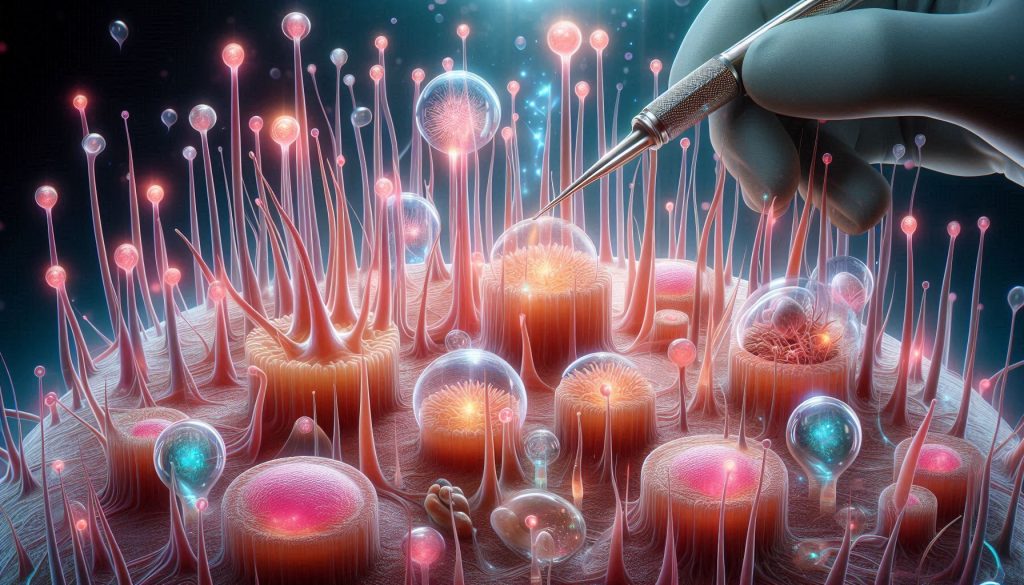
Understanding the biology and molecular regulation of HFSCs has led to the development of novel therapeutic strategies aimed at activating or transplanting these cells to stimulate hair regrowth. This emerging field combines insights from developmental biology, tissue engineering, and gene editing technologies to develop regenerative therapies that may offer more effective and long-lasting solutions for alopecia and other hair loss disorders.
This essay provides a comprehensive overview of hair follicle stem cells, their role in hair biology, and the cutting-edge regenerative therapies under development. It covers HFSC biology, signaling pathways, advances in cell-based and gene therapies, tissue engineering approaches, and clinical translation challenges.
1. Biology and Localization of Hair Follicle Stem Cells
Hair follicle stem cells are a unique population of multipotent cells located primarily in a specialized niche known as the bulge region of the hair follicle. The hair follicle itself is a complex mini-organ comprising several distinct compartments, including the matrix, outer root sheath, inner root sheath, and dermal papilla. The bulge lies just below the sebaceous gland and serves as a reservoir of quiescent stem cells capable of self-renewal and differentiation.
HFSCs are characterized by specific molecular markers such as CD34, Keratin 15 (K15), and Lgr5. These cells contribute to the cyclic regeneration of hair follicles during the hair growth (anagen), regression (catagen), and resting (telogen) phases. Upon activation, HFSCs proliferate and differentiate to regenerate the hair shaft and follicular structures.
Besides their role in hair follicle regeneration, HFSCs also contribute to epidermal repair and wound healing, highlighting their plasticity. Their behavior is tightly regulated by interactions with the surrounding niche, including dermal papilla cells, extracellular matrix components, and systemic factors such as hormones.
2. Key Signaling Pathways Regulating Hair Follicle Stem Cells
Several conserved signaling pathways orchestrate the activation, proliferation, and differentiation of HFSCs. Dysregulation of these pathways can contribute to hair loss or follicular disorders.
- Wnt/β-catenin Pathway: Crucial for HFSC activation and initiation of the anagen phase, Wnt signaling promotes proliferation and differentiation of stem cells into hair follicle lineages. Wnt ligands bind to Frizzled receptors, leading to β-catenin stabilization and transcriptional activation of target genes involved in hair follicle morphogenesis.
- Bone Morphogenetic Protein (BMP) Pathway: BMP signaling generally maintains HFSCs in a quiescent state during telogen. Inhibition of BMP signaling is necessary for stem cell activation and entry into the growth phase.
- Sonic Hedgehog (Shh) Pathway: Shh signaling from dermal papilla cells supports HFSC proliferation and follicle development.
- Notch and TGF-β Pathways: These modulate HFSC differentiation and contribute to hair follicle cycling dynamics.
- Fibroblast Growth Factor (FGF) and Insulin-like Growth Factor (IGF): Promote proliferation and survival of HFSCs.
Manipulating these signaling cascades has become a focus for developing regenerative therapies that can reactivate dormant follicles or stimulate new follicle formation.
3. Advances in Cell-Based Regenerative Therapies
Regenerative therapies harness the potential of HFSCs to restore hair growth through various approaches:
- Stem Cell Transplantation: Isolation and expansion of HFSCs from healthy follicles followed by transplantation into bald scalp areas is an emerging technique. Early clinical trials demonstrate feasibility, but challenges remain in expanding HFSCs without losing their regenerative potential.
- Autologous Stem Cell Grafting: Using patient-derived HFSCs minimizes immune rejection. Techniques involve harvesting follicular units via punch biopsies or follicular unit extraction (FUE), isolating HFSCs, expanding them in vitro, and reimplanting.
- Adipose-Derived Stem Cells (ADSCs): These multipotent cells from fat tissue secrete paracrine factors promoting hair growth and follicle neogenesis. ADSCs are investigated as injectable treatments or combined with HFSCs for enhanced efficacy.
- Induced Pluripotent Stem Cells (iPSCs): Reprogramming adult cells into iPSCs capable of differentiating into HFSC-like cells holds promise for generating large quantities of follicular progenitors, potentially overcoming donor limitations.
- Exosome Therapy: Stem cell-derived exosomes contain growth factors and microRNAs that modulate HFSC activity and promote hair growth, representing a cell-free regenerative option.
4. Gene Editing and Molecular Therapy Approaches
Molecular therapies aiming to correct genetic defects or modulate gene expression in HFSCs are at the forefront of regenerative hair research.
- CRISPR/Cas9 Gene Editing: Enables precise modification of genes implicated in hereditary hair loss disorders or follicle regeneration. For example, targeting inhibitors of the Wnt pathway to enhance HFSC activation.
- RNA Interference (RNAi): Silencing genes that negatively regulate hair growth, such as DKK1 (a Wnt antagonist), can stimulate follicle regeneration.
- Gene Therapy Vectors: Viral or non-viral delivery systems carrying therapeutic genes to HFSCs or dermal papilla cells are under investigation.
- Epigenetic Modulation: Drugs altering DNA methylation or histone acetylation patterns may reactivate quiescent HFSCs or reverse aging-related decline in regenerative capacity.
These molecular interventions, combined with stem cell therapies, offer potential for highly targeted and durable hair regeneration.
5. Tissue Engineering Approaches for Hair Follicle Regeneration
Tissue engineering is a critical strategy in regenerative medicine that combines cells, scaffolds, and bioactive factors to recreate functional tissues. In the context of hair follicle regeneration, tissue engineering aims to reconstruct the complex architecture of the follicle, ensuring proper interactions between HFSCs, dermal papilla (DP) cells, and surrounding extracellular matrix.
Hair Follicle Organoids: Scientists have successfully generated miniaturized 3D hair follicles (organoids) in vitro using HFSCs and dermal papilla cells co-cultured in a matrix that mimics the in vivo follicular niche. These organoids exhibit hair shaft formation, and when transplanted into animal models, they can generate functional hair follicles.
Scaffold-Based Regeneration: Biodegradable scaffolds made from collagen, hyaluronic acid, polyglycolic acid (PGA), or other biomaterials provide a physical structure for organizing cells into follicle-like units. These scaffolds are seeded with HFSCs and DP cells, and implanted into recipient sites to encourage new follicle formation.
Bioprinting: 3D bioprinting has recently been explored to precisely place cells in architectures mimicking native follicle structure. By layering HFSCs and DP cells in defined geometries, researchers aim to recreate functional follicular units capable of integrating into human skin.
Hydrogels and ECM Mimics: Injectable hydrogels provide a minimally invasive platform for delivering HFSCs to the scalp. These materials can encapsulate stem cells and growth factors, offering controlled release and enhancing cell viability.
Tissue engineering holds the promise of creating custom follicular grafts for transplantation, especially for patients with advanced hair loss or scarring alopecia where native follicles are depleted.
6. Biomaterials and Microenvironmental Modulation
HFSC behavior is profoundly influenced by the surrounding extracellular matrix (ECM), biomechanical cues, and biochemical signals. Mimicking or modulating this microenvironment is essential for successful regenerative therapy.
Biomimetic Matrices: ECM-inspired biomaterials, such as gelatin methacryloyl (GelMA) and decellularized dermal scaffolds, mimic the biochemical and physical properties of the hair follicle niche. These materials support HFSC adhesion, proliferation, and differentiation by providing native-like cues.
Mechanical Cues and Topography: Hair follicles respond to stiffness, elasticity, and surface topography of their environment. Studies have shown that HFSCs cultured on soft, compliant matrices exhibit enhanced stemness, while stiffer matrices promote differentiation. Engineering materials with tunable mechanical properties allows for controlled HFSC behavior.
Microsphere and Nanoparticle Delivery Systems: Controlled delivery of signaling molecules—like Wnt agonists, BMP inhibitors, or Shh—via micro/nanoparticles embedded in biomaterials ensures localized and sustained HFSC activation.
Oxygen and Nutrient Gradients: HFSCs are sensitive to oxygen levels. Hypoxic conditions often maintain stemness, while normoxic or high oxygen tensions drive differentiation. Biomaterials that regulate oxygen diffusion and nutrient availability can better support HFSC regeneration in vivo.
These strategies aim to recreate the complex in vivo environment of the hair follicle, ensuring that transplanted or activated HFSCs function optimally to regenerate hair.
7. Clinical Trials and Translational Research
The translation of HFSC-based therapies from laboratory models to clinical application is progressing steadily, though still in early stages compared to other regenerative treatments.
Autologous HFSC Transplantation Trials: A few early-phase clinical trials have shown promising results using autologous HFSCs derived from patient hair follicles. In one Italian study, HFSCs isolated from scalp biopsies were expanded and reimplanted, leading to improved hair density in androgenetic alopecia patients.
Exosome-Based Therapies: Several clinical protocols now explore the use of stem cell-derived exosomes, particularly those from ADSCs and HFSCs, as injectables for treating pattern baldness and alopecia areata. These treatments are generally well tolerated and show early signs of efficacy.
Platelet-Rich Plasma (PRP) Combinations: PRP is often combined with HFSCs or exosomes in clinical settings to enhance outcomes. PRP contains growth factors like PDGF and VEGF, which synergize with stem cells to stimulate hair regrowth.
Regulatory Landscape: One of the hurdles in advancing HFSC therapies is the complexity of regulatory requirements. Because stem cell treatments involve manipulation of human cells, they are often classified as advanced therapy medicinal products (ATMPs), requiring rigorous testing and long-term safety data.
Despite these challenges, the clinical research pipeline is expanding, and a growing number of trials are moving into Phase II and III testing. These will provide critical data on long-term efficacy, optimal delivery methods, and patient selection criteria.
8. Challenges and Limitations in HFSC Regenerative Therapies
While the potential of HFSCs for hair restoration is significant, several scientific, technical, and regulatory challenges remain:
1. Difficulty in Maintaining Stemness In Vitro: One of the biggest challenges in stem cell therapy is maintaining the stemness and regenerative potential of HFSCs during in vitro expansion. Prolonged culture often leads to cell senescence or loss of potency.
2. Cell Source and Yield: Harvesting sufficient HFSCs from a limited number of donor follicles is a bottleneck, especially in patients with advanced hair loss. Developing scalable expansion methods or using iPSCs as an alternative source is under investigation.
3. Immune Response and Graft Integration: Even autologous transplants may trigger immune responses or fail to integrate properly due to microenvironmental differences at the recipient site.
4. High Cost and Scalability: Regenerative therapies using HFSCs are currently expensive and labor-intensive. Mass production of hair follicle units or automated cell culture systems is needed to make treatments accessible.
5. Risk of Tumorigenesis: Although rare, the potential for uncontrolled cell proliferation, especially with genetically modified or iPSC-derived cells, requires thorough safety assessments.
6. Ethical and Regulatory Issues: Stem cell manipulation and gene editing raise ethical concerns, particularly when involving embryonic sources or genetic modification. Regulatory bodies require long-term safety, informed consent, and robust oversight.
These challenges must be addressed through coordinated research, interdisciplinary collaboration, and evidence-based policy development to ensure the safe and effective implementation of HFSC therapies.
9. Personalized and Precision Approaches in Hair Regeneration
Personalized medicine is increasingly influencing regenerative therapies, and hair loss treatments are no exception. Each individual’s hair loss pattern, follicular biology, genetic profile, and response to treatment can vary widely, making a “one-size-fits-all” approach less effective. Personalization in hair follicle stem cell therapies aims to tailor treatments to the unique characteristics of each patient.
Genomic and Transcriptomic Profiling: Advances in high-throughput sequencing technologies allow detailed profiling of gene expression and mutations within HFSCs. Patients with hereditary alopecia (e.g., androgenetic alopecia or alopecia areata) can be assessed for specific genetic variants that may affect HFSC behavior. This allows clinicians to select therapies—such as Wnt agonists or anti-inflammatory compounds—that directly target the patient’s molecular pathology.
Predictive Biomarkers: Identifying molecular markers that predict therapeutic response (e.g., Wnt pathway activity or expression of specific HFSC surface markers) can help determine who will benefit most from stem cell-based interventions, reducing unnecessary treatments.
Tailored Cell Cultures: Patient-specific iPSCs can be differentiated into follicular stem cells for autologous implantation. This not only bypasses immune rejection but also ensures that the resulting follicle-generating cells are genetically compatible with the recipient.
Integrated Data Platforms: Machine learning and AI-driven models are being used to analyze scalp imaging, hair density data, and cellular characteristics to recommend personalized treatment protocols, such as the optimal dosage, delivery method, or frequency of stem cell applications.
This move toward individualized regenerative hair therapies represents a paradigm shift from general cosmetic interventions to targeted, biology-driven solutions.
10. Ethical, Social, and Commercial Implications
As hair follicle stem cell technologies approach clinical viability, ethical and societal considerations become increasingly important.
Ethical Use of Stem Cells: The source of stem cells—particularly embryonic stem cells—has long raised ethical concerns. While most current HFSC therapies use adult or autologous cells, any use of embryonic or gene-edited cells must be transparently regulated. Informed consent, donor rights, and data privacy must also be rigorously enforced.
Cosmetic vs. Medical Use: Hair loss is often viewed as a cosmetic issue, but it can have profound psychological effects, especially in cases of alopecia areata, trichotillomania, or chemotherapy-induced hair loss. Determining when regenerative therapies constitute a medical necessity versus an elective procedure impacts insurance coverage, regulatory oversight, and public acceptance.
Commercialization and Accessibility: The commercialization of HFSC treatments is rapidly advancing, with startups and biotech companies competing to develop and patent viable therapies. However, these treatments remain prohibitively expensive for many, raising concerns about equity and access.
Regulatory Oversight: Ensuring that new HFSC-based treatments are safe, standardized, and effective requires strong oversight by regulatory bodies such as the FDA, EMA, or regional equivalents. Many unproven or unregulated “stem cell clinics” have emerged globally, marketing untested treatments that may pose health risks.
Social Perception: As regenerative therapies for hair become more advanced and widespread, social norms surrounding beauty, aging, and identity may shift. The increasing availability of hair restoration could lead to new standards of appearance that further marginalize individuals with untreated hair loss.
Balancing innovation with ethical responsibility is crucial as the field of hair follicle regenerative medicine moves toward mainstream adoption.
Conclusion
The field of regenerative medicine has reached a turning point in addressing one of humanity’s most visible and emotionally charged conditions: hair loss. At the heart of these advances are hair follicle stem cells (HFSCs)—a unique and powerful population of cells capable of regenerating not only hair but also the complex architecture of the follicle itself. Scientific research over the past two decades has revealed the intricate biology of HFSCs, including their molecular markers, niche environments, and regulatory signaling networks such as Wnt, BMP, and Shh.
Cutting-edge therapies have emerged that leverage this knowledge, from cell-based transplants and 3D bioprinting to gene editing and exosome delivery. These approaches offer hope for treating previously irreversible forms of hair loss, such as scarring alopecia, advanced androgenetic alopecia, and autoimmune-related alopecia areata.
However, the journey from laboratory breakthroughs to accessible clinical treatments is complex. Numerous challenges remain—ranging from maintaining HFSC stemness in vitro and ensuring safe engraftment, to developing biomaterials that can replicate the in vivo niche and navigating stringent regulatory requirements. Ethical issues around stem cell sourcing, cost accessibility, and societal expectations must also be addressed with care and transparency.
The future of hair regeneration will likely be personalized, multimodal, and integrated, combining stem cells with gene modulation, smart biomaterials, and digital diagnostics. As the field matures, interdisciplinary collaboration among dermatologists, cell biologists, material scientists, and ethicists will be critical to realize the full potential of these therapies.
Ultimately, hair follicle stem cell therapy is not just about restoring hair—it is about restoring confidence, identity, and quality of life for millions. With thoughtful innovation and ethical diligence, regenerative hair therapies may redefine the landscape of both dermatology and cosmetic medicine.
SOURCES
Blanpain, C., & Fuchs, E. (2009). Epidermal homeostasis: A balancing act of stem cells in the skin. Nature Reviews Molecular Cell Biology, 10(3), 207–217.
Chen, C. C., Wang, L., Plikus, M. V., Jiang, T. X., Murray, P. J., Ramos, R., … & Chuong, C. M. (2015). Organ-level quorum sensing directs regeneration in hair stem cell populations. Cell, 161(2), 277–290.
Cotsarelis, G. (2006). Epithelial stem cells: A folliculocentric view. Journal of Investigative Dermatology, 126(7), 1459–1468.
García-Moreno, D., Guillén, Y., Pérez-Jurado, L. A., & Kloepper, J. E. (2019). Decoding human hair follicle regeneration. Experimental Dermatology, 28(6), 664–672.
Higgins, C. A., & Christiano, A. M. (2014). Regenerative medicine and hair loss: How hair follicle culture has advanced our understanding of hair growth. Experimental Dermatology, 23(8), 561–565.
Ito, M., Yang, Z., Andl, T., Cui, C., Kim, N., Millar, S. E., & Cotsarelis, G. (2007). Wnt-dependent de novo hair follicle regeneration in adult mouse skin after wounding. Nature, 447(7142), 316–320.
Ji, J., & Luo, C. (2021). Applications of tissue engineering in hair follicle regeneration. Stem Cell Research & Therapy, 12(1), 231.
Kishimoto, J., Burgeson, R. E., & Morgan, B. A. (2000). Wnt signaling maintains the hair-inducing activity of the dermal papilla. Genes & Development, 14(10), 1181–1185.
Kwon, T. R., Oh, C. T., Choi, E. J., Jung, J. H., Kim, B. J., & Kim, M. N. (2018). Therapeutic potential of human adipose-derived stem cells and their secretome in treating alopecia. International Journal of Molecular Sciences, 19(9), 2703.
Lee, J., Bӧscke, R., Tang, P. C., Hart, M. L., Bruckner-Tuderman, L., & Franzke, C. W. (2018). Bioengineering hair follicles: Current progress and challenges. Trends in Molecular Medicine, 24(4), 299–311.
Leirós, G. J., Kusinsky, A. G., & Drago, H. (2020). Stem cell-based therapies for hair loss: Current status and future perspectives. World Journal of Stem Cells, 12(11), 1343–1360.
Matsuzaki, Y., & Yoshizato, K. (1998). Role of the dermal papilla in hair follicle regeneration. Wound Repair and Regeneration, 6(6), 486–492.
Ryu, B., Kim, S., Jang, S., & Lee, S. J. (2020). Advances in exosome-based therapies for hair loss: Biological and clinical perspectives. International Journal of Molecular Sciences, 21(19), 6962.
Tiede, S., Kloepper, J. E., Whiting, D. A., & Paus, R. (2007). The ‘follicular troika’—An emerging model of hair follicle stem cell biology. Experimental Dermatology, 16(7), 583–598.
Yano, K., Brown, L. F., & Detmar, M. (2001). Control of hair growth and follicle size by VEGF-mediated angiogenesis. Journal of Clinical Investigation, 107(4), 409–417.
HISTORY
Current Version
AUG, 04, 2025
Written By
BARIRA MEHMOOD