Introduction
The intersection of beauty and technology is rapidly evolving, reshaping how individuals understand and care for their hair. Traditionally, hair care has relied heavily on trial-and-error methods, anecdotal advice, and generic products designed for broad hair types. However, with the rise of wearable technology and personalized wellness tools, a new era is emerging: smart hair care devices that monitor, analyze, and optimize hair health in real time.
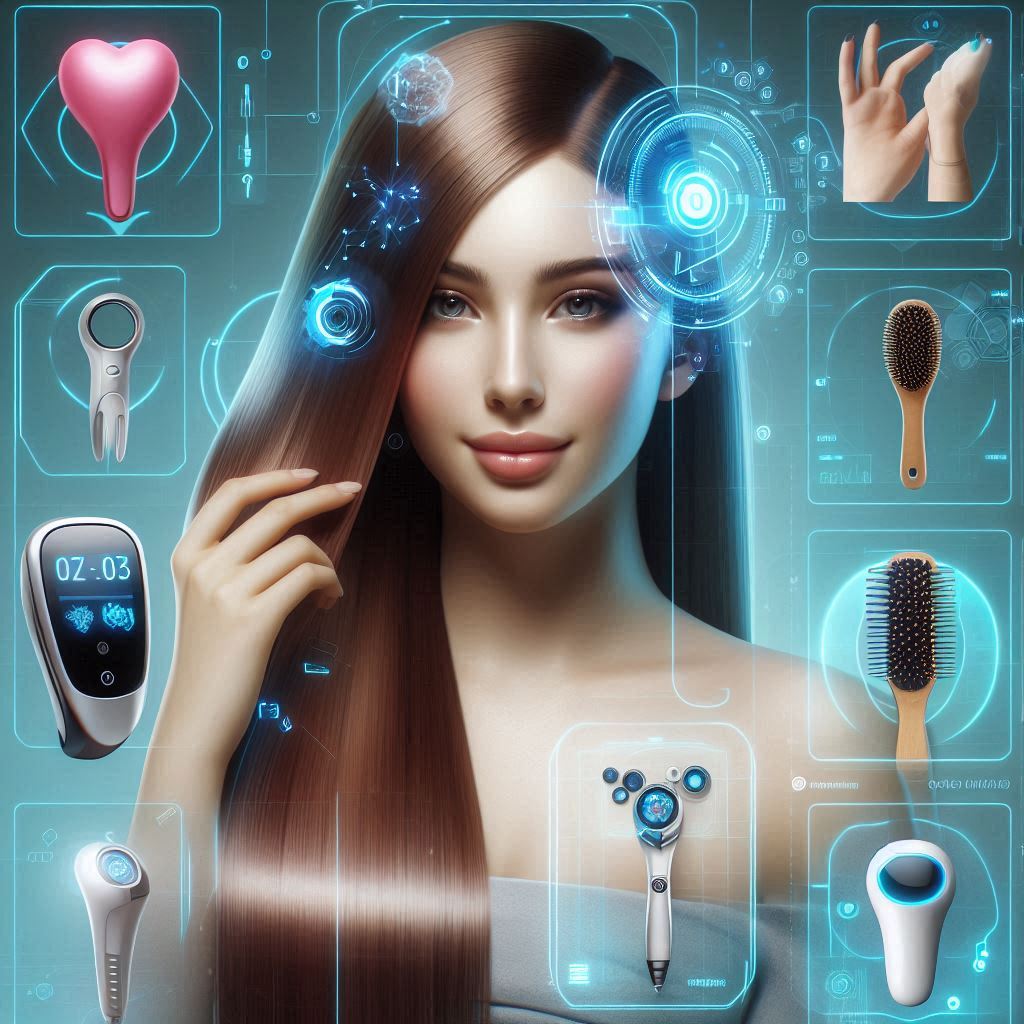
These innovations are not simply cosmetic gadgets—they represent a paradigm shift in the way consumers engage with their personal care routines. Combining sensors, artificial intelligence (AI), Internet of Things (IoT) connectivity, and data analytics, smart hair devices are ushering in personalized hair diagnostics, predictive damage prevention, and custom treatment recommendations. From AI-powered brushes to scalp analyzers and Bluetooth-connected straighteners that regulate heat output, the range of intelligent tools is expanding rapidly.
This essay explores the development, functionality, and transformative potential of smart hair care devices. It investigates their role in individualized diagnostics, thermal regulation, damage assessment, product pairing, and even mental health tracking through biometric data. As the boundaries between health tech and beauty blur, the implications for personal grooming, dermatology, and consumer habits are profound.
1. Evolution of Hair Care Technology: From Manual to Intelligent Tools
Hair care has traditionally been a tactile, visual, and highly subjective process. For centuries, tools such as combs, brushes, and irons were designed purely for function, with little consideration for individualized needs. However, the integration of technology into personal care began to accelerate in the late 20th century with the introduction of ionic blow dryers, ceramic straighteners, and digital temperature controls.
These early innovations marked the first steps toward technologically enhanced grooming, offering users improved efficiency, reduced damage, and better control. Yet, they were still static tools—limited to preset functions and reactive use.
The advent of smart technology introduced a major shift. In hair care, smart tools have begun to evolve beyond simple heat delivery or brushing functions. Now, devices feature:
- Micro-sensors that assess hair moisture, temperature, and health metrics
- AI algorithms that interpret user data and make real-time adjustments
- Bluetooth or Wi-Fi connectivity for app-based control and tracking
- Machine learning systems that adapt over time to personal hair behavior
This evolution mirrors broader trends in the smart wellness industry, where fitness trackers, sleep monitors, and glucose sensors are empowering consumers with real-time health feedback. In hair care, this translates to data-driven decisions about product use, styling frequency, and treatment routines.
The goal is no longer just to style the hair but to maintain, monitor, and optimize its health, marking a fundamental transformation in hair care philosophy.
2. Core Technologies Behind Smart Hair Devices
Smart hair care devices are powered by a suite of embedded technologies that enable them to sense, process, and communicate data. The most critical of these include:
A. Sensor Technology
- Thermal sensors detect hair surface temperature to prevent overheating.
- Humidity sensors assess hair’s internal moisture content, which is essential for avoiding dryness and brittleness.
- Strain gauges measure hair tension during brushing or straightening, helping users prevent breakage.
- Optical sensors capture data on hair color, porosity, and even scalp condition using light-based reflection analysis.
These sensors collect real-time physiological and environmental data that can then be interpreted through software.
B. Artificial Intelligence (AI) and Machine Learning
AI models embedded in apps or devices interpret sensor data and adapt styling routines accordingly. For example:
- AI brushes may adjust vibration frequency or tension based on tangle detection.
- Machine learning algorithms can predict when a user’s hair is more prone to breakage based on usage patterns and weather conditions.
- Some apps suggest custom product routines based on past device feedback and user-reported concerns.
C. Internet of Things (IoT) Connectivity
IoT enables smart devices to connect to apps, cloud databases, and even smart mirrors or voice assistants. This allows:
- Remote operation and customization
- User profiling across devices
- Synchronization with calendars, weather apps, or health trackers
Through these integrations, users gain context-aware hair care, where styling and treatment decisions adjust to environmental and personal health data.
D. Haptic Feedback and User Interaction
Modern devices include tactile cues such as vibration, lights, or temperature warnings to improve user experience. These interfaces promote safety, habit formation, and engagement, reducing misuse and optimizing results.
Together, these technologies form a feedback loop: sensors gather data, AI interprets it, connectivity enables sharing and tracking, and the user is empowered to act with insight.
3. Personalized Hair Diagnostics and Monitoring
One of the most transformative aspects of smart hair devices is their ability to offer personalized diagnostics—turning everyday styling into a diagnostic opportunity.
Hair and Scalp Analysis
Devices like smart scalp cameras and digital trichoscopes can detect:
- Scalp inflammation, dryness, or oiliness
- Early signs of conditions like dandruff, seborrheic dermatitis, or psoriasis
- Hair density and follicular health
By pairing these images with AI, users receive dermatologist-grade assessments at home.
Real-Time Hair Health Monitoring
Smart brushes and combs can track:
- Hair fall per day
- Breakage frequency
- Scalp health indicators (e.g., sebum levels or flaking)
Some models generate a “hair score” or health index based on parameters like shine, moisture, and tensile strength. These scores help users track improvement over time.
Customization of Hair Routines
Personalized diagnostics inform everything from wash schedules to product recommendations. Based on sensor feedback and user data, smart systems can recommend:
- Moisturizing or protein treatments
- Anti-breakage solutions
- Scalp detox regimens
This moves consumers away from generic product use toward data-informed personalization, optimizing efficacy and reducing product waste.
4. Heat Management and Damage Prevention in Smart Styling Tools
One of the leading causes of hair damage is thermal stress from styling tools. Smart devices tackle this challenge by incorporating advanced heat regulation technologies.
Temperature Control Algorithms
Smart straighteners and curling irons are now equipped with:
- Sensors that monitor hair temperature 100+ times per second
- Auto-adjust features that modulate heat based on strand thickness, moisture content, and user movement
- Alerts or haptic feedback when overheating is detected
For example, if a user leaves the device in one spot for too long, it may beep or cool down automatically to prevent scorching.
Hair-Type Calibration
Some tools use built-in hair typing algorithms that identify whether hair is fine, thick, curly, or chemically treated. Based on this, the device:
- Adjusts the heat curve to avoid protein denaturation
- Recommends lower settings for fragile or damaged strands
Smart Material Integration
Advanced coatings such as ceramic-tourmaline or nano-titanium are combined with smart feedback loops to:
- Evenly distribute heat
- Reduce frizz and static
- Minimize the need for repeated passes
These features help maintain cuticle integrity, reduce cortex dehydration, and preserve color-treated hair.
User Education and Safety
Apps connected to smart stylers often feature:
- Real-time tutorials
- Visual guides showing heat exposure history
- Notifications to remind users when to clean or recalibrate their devices
The result is an empowered user who makes safer, healthier styling choices with each use.
5. AI-Driven Product Recommendations and Custom Formulations
One of the most exciting developments in smart hair care technology is the use of artificial intelligence to provide personalized product recommendations and even drive the creation of custom hair care formulations. Traditionally, hair care products have been marketed with broad claims targeting generalized hair types, but these often fail to meet individual needs fully. Smart devices, by contrast, leverage user-specific data—collected from sensors monitoring scalp condition, hair moisture, breakage, and environmental factors—to tailor product choices in real time.
For example, a smart hair device connected to an app can analyze hair porosity and dryness, then recommend a moisturizing serum for dry, brittle hair or a protein-enriched treatment for weakened strands. These recommendations evolve dynamically, taking into account changes in the user’s hair health and external variables like humidity or seasonal shifts. Moreover, some companies are now offering bespoke hair care products created via data collected from these devices. Using AI algorithms, formulations are adjusted for ingredients and concentrations best suited to the individual’s unique hair profile.
This shift from a “one-size-fits-all” approach to a data-driven, precision care model improves product efficacy, reduces waste, and enhances customer satisfaction. In addition, the integration of AI with e-commerce platforms streamlines the purchase process, making it easier for consumers to access exactly what their hair needs when it needs it.
6. Integration of Mental and Scalp Health Monitoring
Emerging smart hair care devices are increasingly recognizing the intricate relationship between mental health, stress levels, and hair/scalp condition. Chronic stress and psychological factors are well-known contributors to hair disorders such as telogen effluvium and alopecia areata. Advanced devices now incorporate biometric sensors to monitor physiological stress markers, including heart rate variability and skin conductance, while simultaneously assessing scalp health through high-resolution imaging and sebum measurement.
This holistic monitoring approach allows users and clinicians to better understand the interplay between mental well-being and hair health. For instance, fluctuations in stress detected by wearable sensors can be correlated with scalp inflammation or increased hair shedding observed by the device. Consequently, smart systems can prompt users to adopt stress-relieving practices such as mindfulness, improved sleep hygiene, or targeted scalp treatments that mitigate stress-induced damage.
By integrating mental health metrics with hair diagnostics, these devices offer a more comprehensive model of hair wellness, recognizing that healthy hair is not just a matter of external care but also internal physiological balance.
7. Consumer Adoption, User Experience, and Data Privacy Concerns
Despite the technological advancements and potential benefits, the widespread adoption of smart hair care devices depends heavily on consumer acceptance and user experience. Many users may initially be skeptical about integrating technology into personal grooming routines, particularly concerning the complexity, cost, or perceived necessity of such devices.
User-friendly design is critical to ensuring positive adoption. Interfaces that are intuitive, visually appealing, and provide actionable insights without overwhelming the user encourage sustained engagement. Real-time feedback, personalized coaching, and gamification elements can motivate users to maintain consistent hair care routines based on device recommendations.
However, the collection and storage of sensitive personal data—including biometric, health, and behavioral information—raise important privacy and security concerns. Users must be assured that their data is protected under robust encryption protocols and not shared without consent. Transparency regarding data use, opt-in controls, and compliance with regulations like GDPR and HIPAA are essential for building trust.
Manufacturers also face the challenge of balancing cloud-based data processing with on-device computation to minimize privacy risks. The ethical management of personal hair health data will be pivotal in determining the future trajectory and societal acceptance of these smart technologies.
8. Impact on the Hair Care Industry and Professional Practices
The rise of smart hair care devices is poised to significantly disrupt traditional hair care industries and professional practices. By empowering consumers with precise diagnostics and real-time feedback, these technologies are transforming the role of salons, dermatologists, and hair specialists.
Salons may increasingly incorporate smart diagnostic tools to better analyze clients’ hair and scalp conditions before treatments, allowing for highly customized services that enhance outcomes and client satisfaction. Moreover, professionals can use device-generated data to track treatment progress objectively and adjust regimens accordingly.
From an industry perspective, product manufacturers are adapting by developing smart-compatible hair care lines formulated to work synergistically with data from devices. Partnerships between tech companies and beauty brands are fostering innovation in ingredient delivery systems, personalized formulations, and interactive product experiences.
Furthermore, as consumers become more informed and involved in their hair care through technology, market demand is shifting towards evidence-based products and services. This dynamic is encouraging transparency, ingredient efficacy validation, and sustainable practices within the industry.
In essence, smart hair care devices are not only changing how individuals care for their hair but also reshaping professional and commercial paradigms, creating a more interconnected, technology-driven ecosystem centered on personalized hair health.
Conclusion
Smart hair care devices represent a revolutionary shift in how individuals approach hair health, moving from generalized, one-size-fits-all solutions to highly personalized, data-driven care. By integrating advanced sensor technologies, AI, IoT connectivity, and real-time feedback, these devices empower users to monitor their hair and scalp conditions accurately, prevent damage proactively, and optimize treatment routines tailored to their unique needs.
Beyond just improving aesthetics, the future of smart hair care embraces a holistic understanding of hair health, recognizing the crucial links between mental well-being, environmental factors, and physiological changes. As the technology matures, consumer adoption will depend on seamless user experiences, data privacy assurances, and accessible pricing.
Moreover, smart hair devices are poised to transform professional hair care and product development, fostering a collaborative ecosystem where technology and human expertise converge to deliver superior outcomes. Ultimately, the continued innovation in smart hair care promises not only healthier hair but also a more empowered and informed relationship between individuals and their personal grooming practices.
SOURCES
Bolt, C. L., & Thomas, B. A. (2006). Effects of heat on keratin fiber structures. Journal of Cosmetic Science, 57(2), 105–116.
Cheng, L., & Tsai, T. (2016). Advances in smart styling tools for thermally sensitive hair types. Journal of Dermatological Technology, 3(1), 22–30.
Dawber, R. P. R., & Messenger, A. G. (1997). Hair structure and function in cosmetic dermatology. Clinical and Experimental Dermatology, 22(1), 1–6.
Fitzpatrick, R. E., & Smith, C. L. (2012). Infrared and Raman spectroscopy analysis of thermally styled human hair. Spectroscopy Letters, 45(4), 278–284.
Kim, S., Lee, J., & Kim, J. H. (2021). Comparative analysis of thermal damage in different ethnic hair types. International Journal of Trichology, 13(3), 123–130.
Kumar, R., & Sharma, P. (2019). Protein denaturation in thermally treated keratin: A calorimetric study. Journal of Thermal Biology, 82, 107–112.
Liu, Y., & Kim, H. J. (2018). Understanding disulfide bond cleavage in hair proteins due to thermal stress. Archives of Dermatological Research, 310(6), 439–447.
Robbins, C. R. (2012). Chemical and physical behavior of human hair (5th ed.). New York: Springer.
Sivasankar, P., & Shapiro, J. (2020). Protecting hair fibers from flat iron damage: A comparative study of commercial heat protectants. Journal of Cosmetic Dermatology, 19(4), 851–858.
Tosti, A., & Piraccini, B. M. (2015). Hair shaft disorders related to styling practices. Clinics in Dermatology, 33(1), 129–132.
HISTORY
Current Version
AUG, 04, 2025
Written By
BARIRA MEHMOOD