Introduction
Hair is often seen as a reflection of overall health, vitality, and well-being. Across cultures and centuries, people have sought effective ways to maintain healthy hair and prevent hair loss. In recent years, there’s been a growing return to holistic and traditional systems of medicine for solutions to modern health issues—including hair care. One of the most revered of these systems is Ayurveda, the ancient Indian science of life and healing that has been practiced for over 5,000 years.
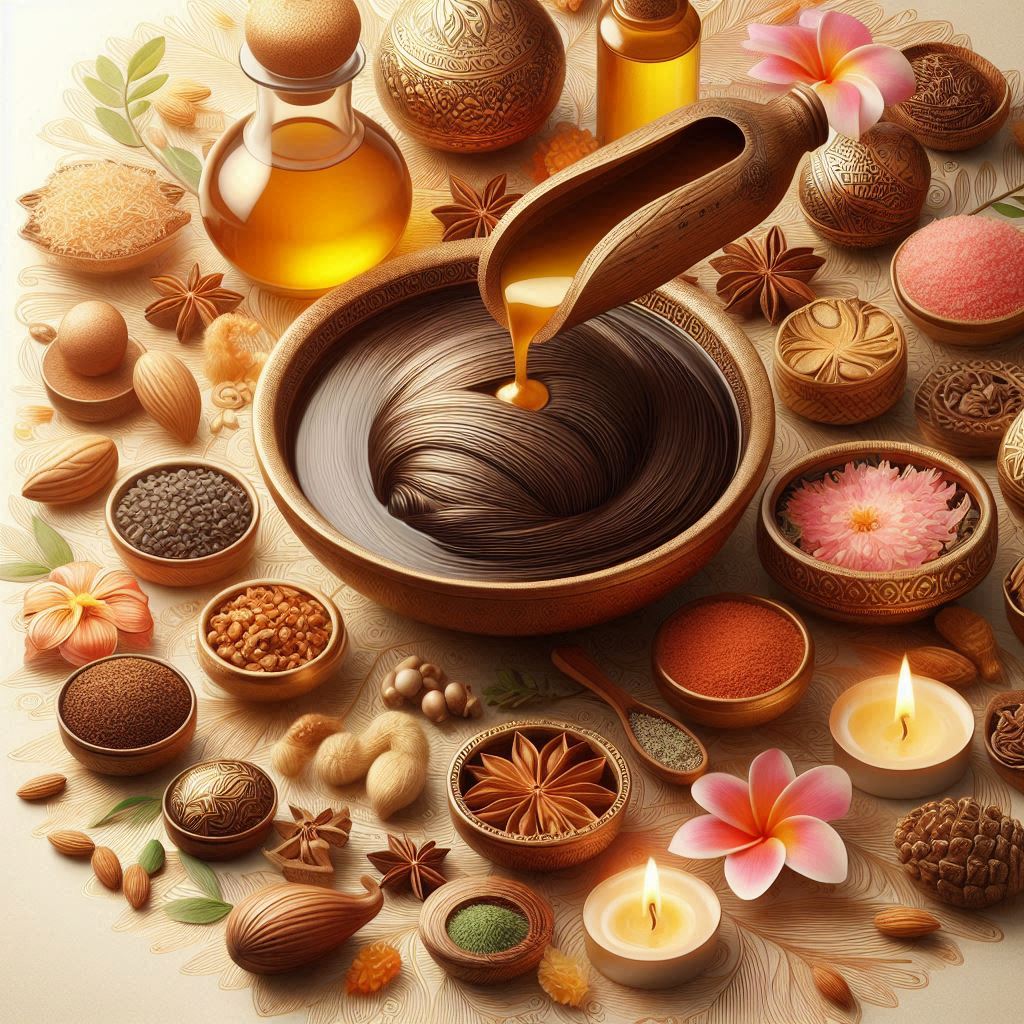
Ayurveda offers a comprehensive approach to hair care, targeting not just the symptoms like hair fall or dandruff, but the root causes—imbalances in the body’s systems and energies. The Ayurvedic perspective views hair problems as manifestations of deeper imbalances in the body’s doshas (biological energies: Vata, Pitta, and Kapha), digestive fire (Agni), and overall prakriti (constitution). Rather than relying solely on external applications, Ayurveda incorporates diet, lifestyle, herbal therapies, and stress management as integral parts of maintaining scalp health and encouraging hair growth.
This article explores Ayurvedic approaches to hair growth and scalp balance, examining ancient principles, herbal formulations, daily routines, and scientific insights to understand how this traditional wisdom continues to offer solutions for modern-day hair concerns.
1. The Ayurvedic Understanding of Hair and Scalp Health
According to Ayurveda, the condition of your hair is a direct reflection of your internal health. Hair is considered a by-product (Upadhatu) of bone tissue (Asthi Dhatu), and its nourishment is intricately connected to proper digestion and tissue metabolism. Healthy hair growth requires a balance of all three doshas—Vata (air and space), Pitta (fire and water), and Kapha (earth and water).
Each dosha affects the hair differently:
- Vata: When Vata is imbalanced, it leads to dryness, brittle strands, split ends, and an itchy or flaky scalp.
- Pitta: Pitta governs metabolism and heat. Excess Pitta may cause premature greying, inflammation, dandruff, or hair thinning due to its heating nature.
- Kapha: An excess of Kapha dosha can result in oily scalp, heaviness, clogged hair follicles, and even fungal infections.
In Ayurveda, the scalp is viewed as an extension of the skin and a reflection of liver and digestive health. Toxins (Ama) accumulating in the body due to poor diet, irregular lifestyle, or stress are believed to block nutrient channels (Srotas), affecting hair nourishment. Therefore, any treatment for hair loss or scalp disorders must start with restoring internal balance and eliminating toxins.
2. Causes of Hair Loss According to Ayurveda
Hair loss, or Khalitya, is not seen as a standalone issue in Ayurveda. It’s the result of multiple internal imbalances. Common Ayurvedic causes of hair loss include:
a) Dosha Imbalance
As mentioned, Pitta is the primary dosha associated with hair thinning and hair fall. Excessive heat in the body, often aggravated by spicy foods, stress, and dehydration, can damage the hair roots.
b) Agni (Digestive Fire) Weakness
When digestion is weak, it produces toxins instead of nourishing nutrients. Poor digestion results in Ama (toxins), which clog the channels that carry nutrition to the scalp and hair follicles.
c) Stress and Emotional Disturbances
Ayurveda emphasizes the mind-body connection. Mental stress (Manasik doshas) like anger, anxiety, and grief directly affect Pitta and Vata doshas, contributing to hair fall and premature greying.
d) Improper Diet and Lifestyle
Frequent consumption of junk food, excessive fasting, irregular meal times, and late-night sleep disrupt the body’s natural rhythms and doshic balance, adversely impacting hair health.
e) Lack of Oiling or Overwashing
Oiling is considered essential in Ayurvedic hair care. The absence of regular oil massages can lead to dry scalp and weak roots. On the other hand, excessive shampooing with harsh products can strip the scalp’s natural oils and aggravate Pitta and Vata.
By identifying and addressing the specific underlying cause, Ayurvedic practitioners can tailor treatments that are more effective and sustainable in the long term.
3. Ayurvedic Herbs for Hair Growth and Scalp Nourishment
Ayurveda has a vast pharmacopeia of herbs known to promote hair growth, strengthen roots, and balance scalp conditions. Here are some of the most powerful herbs used in traditional and modern Ayurvedic hair care:
a) Bhringraj (Eclipta alba)
Known as the “king of herbs” for hair, Bhringraj is cooling in nature and helps balance Pitta. It improves blood circulation to the scalp, rejuvenates hair follicles, and prevents premature greying.
b) Amla (Indian Gooseberry)
Amla is a rich source of Vitamin C and antioxidants. It strengthens hair roots, enhances pigmentation, and supports collagen production, making it a top choice for hair regrowth and shine.
c) Brahmi (Bacopa monnieri)
Brahmi is a brain tonic and stress reliever that also improves scalp circulation and nourishes hair roots. Its calming effect helps reduce hair fall related to anxiety and mental fatigue.
d) Neem (Azadirachta indica)
A powerful detoxifier and antimicrobial herb, Neem treats dandruff, itchy scalp, and fungal infections, making it ideal for oily or Kapha-prone scalps.
e) Ashwagandha (Withania somnifera)
A renowned adaptogen, Ashwagandha helps combat stress and hormonal imbalance, two major causes of hair loss. It also boosts collagen and promotes healthier scalp conditions.
f) Hibiscus (Japa Pushpa)
Both the flower and leaves are used in hair oils and masks. Hibiscus promotes thicker hair, reduces hair fall, and improves scalp hydration.
These herbs are often used in the form of hair oils, powders, decoctions (kashayams), or capsules, depending on the practitioner’s recommendation and the individual’s condition.
4. Ayurvedic Oils and Scalp Massage (Abhyanga) Techniques
Oil massage or Shiro Abhyanga is a cornerstone of Ayurvedic hair care. Warm oil applied to the scalp nourishes the roots, improves blood flow, and relaxes the mind—helping both hair and mental health.
a) Benefits of Scalp Oiling
- Strengthens hair follicles
- Improves scalp circulation
- Balances doshas, especially Vata and Pitta
- Reduces dryness, itching, and dandruff
- Enhances sleep quality and reduces stress
b) Common Ayurvedic Hair Oils
- Bhringraj Tailam: Made with Bhringraj herb; ideal for premature greying and hair fall.
- Neelibhringadi Tailam: A classical blend with Neeli (Indigo), Amla, and other herbs; excellent for scalp nourishment.
- Brahmi Oil: Promotes mental calmness and nourishes the scalp.
- Coconut Oil Infused with Herbs: Especially cooling and great for Pitta-type hair issues.
c) How to Perform Ayurvedic Scalp Massage
- Warm the oil to a comfortable temperature.
- Part hair into sections and apply oil evenly over the scalp.
- Using the fingertips (not nails), massage gently in circular motions for 10–15 minutes.
- Leave the oil on for at least an hour or overnight before washing with a mild herbal shampoo.
Regular practice of Shiro Abhyanga at least 2–3 times a week yields visible results within a few months, especially when combined with a supportive diet and lifestyle.
5. Ayurvedic Diet and Nutrition for Hair Health
In Ayurveda, diet plays a foundational role in supporting hair health. The foods we consume directly influence the balance of doshas, the strength of digestive fire (Agni), and the nourishment of body tissues (Dhatus), including those responsible for producing hair. A wholesome, dosha-specific, and seasonal diet is crucial for maintaining a healthy scalp and promoting hair growth.
For example, individuals with Pitta imbalance, often experiencing premature greying or excessive hair fall, should consume cooling foods like cucumbers, melons, mint, coriander, and dairy products like ghee or buttermilk. Spicy, oily, and acidic foods—such as red chilies, pickles, fermented foods, and excessive caffeine—should be minimized, as they aggravate Pitta and lead to hair thinning.
Those with Vata-related hair issues, such as dry, brittle hair and flaky scalp, benefit from warm, moist, and grounding foods. Soups, stews, root vegetables, sesame oil, and nuts help balance Vata. Avoiding cold, raw, and dry foods is key for this constitution.
Kapha types, who tend to experience greasy scalps and clogged follicles, need lighter, more drying foods. Leafy greens, legumes, apples, and spices like turmeric and ginger help clear excess Kapha and improve metabolic function. Sugary, fried, and dairy-heavy foods should be avoided as they increase Kapha and lead to congestion in the scalp.
In addition to dosha-specific guidelines, Ayurveda recommends including hair-nourishing foods rich in essential vitamins and minerals, such as:
- Amla (Indian Gooseberry)
- Curry leaves
- Black sesame seeds
- Almonds and walnuts
- Moong dal (green gram)
- Whole grains like barley and quinoa
Maintaining proper hydration, avoiding overeating, and consuming meals at regular times all contribute to better digestion, reduced toxin formation, and improved nutrient absorption—ultimately supporting stronger, healthier hair.
6. Panchakarma: Detoxification Therapies for Scalp and Hair Rejuvenation
Panchakarma, meaning “five actions,” is a deep detoxification and rejuvenation protocol in Ayurveda designed to cleanse the body of accumulated toxins (Ama) and restore doshic balance. When internal toxins are reduced, the body is better able to nourish the hair and scalp.
For chronic or stubborn hair problems, Panchakarma therapies can be highly effective. These treatments are always personalized and conducted under the supervision of a trained Ayurvedic practitioner. Some of the Panchakarma therapies that directly or indirectly benefit hair and scalp health include:
a) Shirodhara
This therapy involves a continuous stream of warm medicated oil poured gently over the forehead (the ‘third eye’ region). Shirodhara is particularly beneficial for Pitta and Vata imbalances, calming the nervous system and reducing stress-related hair fall. It also enhances circulation to the scalp and improves sleep, which supports hair regeneration.
b) Nasya
Administering herbal oils or powders through the nasal passage (Nasya) cleanses the sinuses and improves oxygenation to the head region. It nourishes the scalp, enhances hair strength, and helps relieve headaches, dandruff, and premature greying.
c) Virechana (Purgation)
This internal cleansing method removes excess Pitta dosha from the liver and intestines. Since liver function and Pitta balance are closely linked to hair health, Virechana often results in reduced hair fall and improved scalp condition.
d) Abhyanga and Swedana
These involve full-body oil massage followed by steam therapy. They stimulate circulation, reduce stress, and promote detoxification through the skin—positively affecting scalp and hair health.
e) Basti (Medicated Enema)
Though more indirectly related, Basti balances Vata dosha, which when imbalanced can cause dryness and hair brittleness. Regular use under medical guidance strengthens the body and improves nutrient absorption.
Panchakarma is not a quick fix but a powerful, long-term solution. By addressing systemic imbalances, it promotes deep healing that reflects in the skin, hair, and overall vitality.
7. Ayurvedic Hair Care Rituals and Daily Routines (Dinacharya)
Ayurveda emphasizes Dinacharya, or daily routines, as a means of maintaining physical and mental harmony. Following consistent hair care rituals rooted in Ayurvedic principles helps prevent doshic imbalance and supports the body’s natural rhythms, which in turn promotes healthy hair and scalp.
a) Morning Head Oil Application (Shiro Abhyanga)
Applying warm oil to the scalp early in the morning helps nourish hair follicles, calm the mind, and improve blood circulation. This ritual is especially beneficial when performed before a bath or yoga practice.
b) Gentle Combing
Using a wooden comb (preferably neem wood) helps distribute natural oils along the hair shaft, reduces static, and stimulates scalp nerves. Avoid plastic combs and never comb wet hair, as it is most fragile then.
c) Herbal Hair Cleansing
Instead of using chemical-laden shampoos, Ayurveda recommends cleansing the hair with natural powders like Shikakai, Reetha (soapnut), Amla, or Aloe vera gel. These cleanse without stripping the scalp’s natural oils.
d) Weekly Herbal Hair Masks
Hair masks made from hibiscus, methi (fenugreek), amla, and curd can condition, strengthen, and nourish hair. These should be applied once a week for deep care.
e) Stress Management and Meditation
Mindful practices like Pranayama (breathing exercises), meditation, or yoga help reduce cortisol levels and balance hormones—factors that greatly influence hair growth and scalp inflammation.
f) Proper Sleep
Sound sleep between 10 p.m. and 6 a.m. is considered crucial for hair regeneration. Ayurveda discourages staying up late as it disrupts the natural cycles of tissue repair and can aggravate Vata and Pitta doshas.
Adopting a regular Ayurvedic daily routine supports not only hair health but overall physical, emotional, and spiritual wellness.
8. Modern Applications and Integration with Ayurvedic Hair Care
As the popularity of Ayurveda grows globally, many modern consumers and practitioners are blending traditional Ayurvedic wisdom with contemporary approaches for enhanced results. This integration has led to more accessible, convenient, and scientifically supported Ayurvedic hair care solutions.
a) Formulated Ayurvedic Products
Many brands now create herbal shampoos, conditioners, serums, and oils using classical Ayurvedic ingredients but with improved textures, shelf-life, and user convenience. Products containing ingredients like Bhringraj, Amla, Shikakai, and Brahmi are widely available in both traditional and modern formats.
b) Personalized Ayurvedic Consultations
The concept of individualized hair care based on one’s prakriti (constitution) is gaining popularity. Online and in-person Ayurvedic consultations help identify imbalances and offer personalized diets, herbal treatments, and lifestyle suggestions tailored to each person’s unique needs.
c) Clinical Research and Evidence-Based Validation
There is increasing scientific interest in validating Ayurvedic hair treatments. Studies have begun confirming the effectiveness of herbs like Bhringraj in promoting hair regrowth and the stress-reducing effects of Shirodhara.
d) Ayurveda in Dermatology and Trichology
Some dermatologists now collaborate with Ayurvedic practitioners or recommend Ayurvedic products as complementary treatments for conditions like alopecia, seborrheic dermatitis, or hormonal hair loss.
e) Sustainability and Clean Beauty
With growing awareness about eco-friendly and toxin-free beauty, Ayurvedic hair care fits perfectly into the clean beauty movement. Many Ayurvedic products use sustainable sourcing, biodegradable packaging, and avoid harmful chemicals.
By integrating ancient Ayurvedic wisdom with modern science and lifestyles, people can achieve better results while staying rooted in nature and tradition.
9. Home Remedies and DIY Ayurvedic Hair Treatments
One of the most practical and appealing aspects of Ayurvedic hair care is the availability of simple, effective home remedies using easily accessible ingredients. These DIY treatments are time-tested and often deliver excellent results when used consistently.
a) Amla-Hibiscus Hair Pack
Mix 2 tablespoons of amla powder with 1 tablespoon of hibiscus flower paste and enough yogurt to make a smooth paste. Apply to the scalp and leave for 30 minutes before rinsing. This strengthens roots and promotes natural hair color.
b) Fenugreek (Methi) Paste
Soak 2 tablespoons of fenugreek seeds overnight, grind into a paste, and apply to the scalp. Leave for 20–30 minutes and rinse. This remedy helps with dandruff, itching, and hair thinning.
c) Coconut Oil Infused with Curry Leaves
Boil a handful of curry leaves in coconut oil until the leaves turn black. Cool and store the oil. Apply twice a week to stimulate hair growth and prevent greying.
d) Aloe Vera Gel and Neem Mask
Mix 2 tablespoons of aloe vera gel with 1 teaspoon of neem powder. Apply to the scalp to treat infections, control oiliness, and soothe inflammation.
e) Onion Juice with Bhringraj Oil
Combine freshly squeezed onion juice with a few drops of Bhringraj oil. Massage into the scalp and leave for 15–20 minutes before washing. This boosts blood circulation and stimulates new hair growth.
f) Triphala Hair Rinse
Boil 1 teaspoon of Triphala powder in 2 cups of water. Let it cool, strain, and use as a final rinse after hair wash. Triphala balances all three doshas and improves scalp detox.
These remedies are most effective when used regularly and in conjunction with a healthy lifestyle. While results may take a few weeks to become visible, they offer long-term benefits without the side effects of chemical treatments.
Conclusion:
Ayurveda presents a time-tested, holistic approach to hair care that goes far beyond cosmetic solutions. By addressing the root causes of hair and scalp disorders—such as doshic imbalance, poor digestion, accumulated toxins, and emotional stress—Ayurveda offers sustainable and personalized treatments that are in harmony with the body and mind.
Whether through daily oiling, mindful eating, Panchakarma detox, or the use of hair-strengthening herbs like Bhringraj, Amla, and Brahmi, Ayurvedic practices encourage a balanced lifestyle that supports natural beauty and inner vitality. Modern science is increasingly validating the efficacy of these ancient treatments, and as consumer demand grows for natural and clean alternatives, Ayurveda stands out as both scientifically sound and spiritually enriching.
The Ayurvedic path to hair health is not a quick fix but a journey of self-care and balance. With patience, consistency, and awareness, individuals can achieve not just healthier hair but an overall improvement in well-being.
In a world where hair health is often compromised by stress, pollution, and synthetic chemicals, Ayurveda offers a gentle yet powerful way to restore harmony—strand by strand, from root to soul.
SOURCES
Dash, B., & Sharma, R. K. (2004). Materia Medica of Ayurveda (Vols. 1–2). Chowkhamba Sanskrit Series.
Gupta, A. K., & Sharma, M. (2001). Quality standards of Indian medicinal plants (Vol. 2). Indian Council of Medical Research.
Kapoor, L. D. (1990). Handbook of Ayurvedic Medicinal Plants. CRC Press.
Mishra, L., Singh, B. B., & Dagenais, S. (2001). Scientific basis for Ayurvedic therapies. Alternative Therapies in Health and Medicine, 7(5), 62–68.
Nadkarni, K. M. (2007). Indian Materia Medica (Vols. 1–2). Bombay Popular Prakashan.
Pandey, G. S. (2011). Bhavaprakasha Nighantu. Chaukhambha Orientalia.
Sharma, P. V. (2001). Dravyaguna Vijnana (Vols. 1–2). Chaukhambha Bharati Academy.
Singh, R. H. (1997). The Holistic Principles of Ayurvedic Medicine. Chaukhambha Surbharati Prakashan.
Sethi, J., Gupta, A., Sood, S., Dahiya, M., & Singh, M. (2010). Hair growth promoting activity of herbal extracts: A review. Pharmacognosy Reviews, 4(7), 57–61.
Joshi, P., & Sah, S. P. (2011). Scientific validation of traditional herbs used in hair care: A review. International Journal of Green Pharmacy, 5(2), 101–106.
The Ayurvedic Pharmacopoeia of India (2001–2005). Government of India, Ministry of AYUSH.
National Center for Complementary and Integrative Health. (2020). Traditional Ayurvedic Medicine. Retrieved from
PubMed Central & ResearchGate (2020–2024). Various studies on Bhringraj, Triphala, Ashwagandha, and Panchakarma therapies.
HISTORY
Current Version
AUG, 04, 2025
Written By
BARIRA MEHMOOD