Introduction
Hair health is a reflection of both internal wellness and external care. Among the many factors influencing hair strength, shine, and growth, pH balance is often overlooked despite being critical. The pH level—short for “potential of hydrogen”—refers to how acidic or alkaline a substance is, measured on a scale from 0 to 14. A pH of 7 is neutral; anything below is acidic, and anything above is alkaline. The natural pH of human hair and scalp typically ranges between 4.5 and 5.5, which is slightly acidic. This acidity helps protect the hair’s cuticle layer and maintains a healthy environment for the scalp’s microbiome.
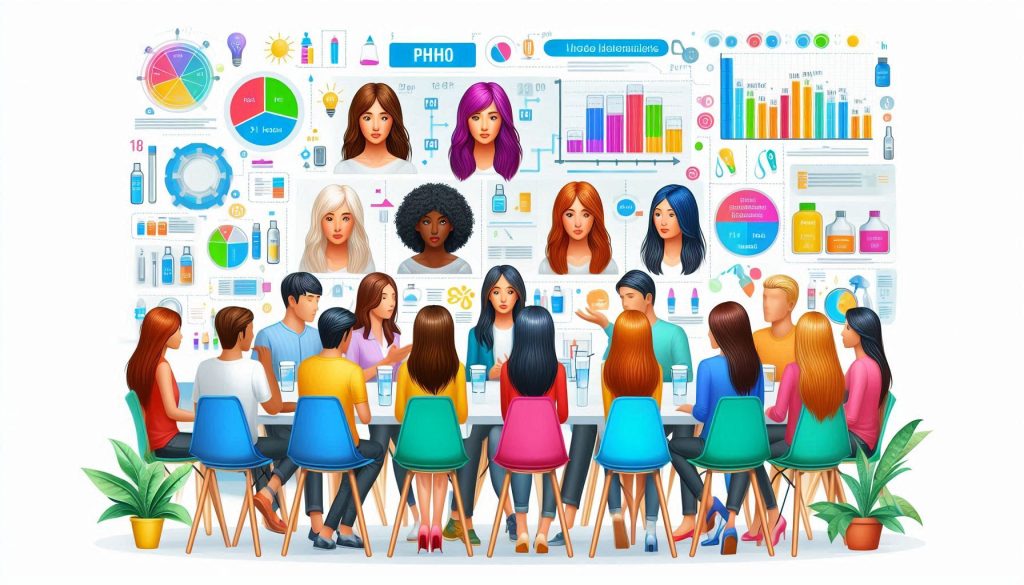
Disruptions in pH levels, often caused by harsh shampoos, frequent chemical treatments, or poor diet, can lead to a cascade of problems—dryness, breakage, scalp irritation, and even hair loss. Understanding how pH works, and how to maintain its balance, is essential for preserving healthy, beautiful hair. In this article, we will delve into the role of pH in hair health, how imbalances occur, signs of improper pH, and how to restore and maintain optimal pH for your hair.
1. Understanding pH and Its Importance to Hair Structure
To grasp the impact of pH on hair health, it is crucial to understand how hair is structured. Each strand of hair consists of three layers: the medulla (core), the cortex (middle layer responsible for strength and color), and the cuticle (outer layer). The cuticle is made up of overlapping cells that protect the inner layers from damage and moisture loss. This protective layer is directly affected by the pH of products and the environment.
The ideal pH for hair and scalp, around 4.5 to 5.5, helps keep the cuticle layer flat and sealed. This minimizes friction between strands, adds shine, and prevents moisture loss. When hair products are too alkaline (above pH 7), the cuticle opens up, leaving the hair vulnerable to damage and frizz. On the other hand, products that are too acidic can overly contract the cuticle, making hair stiff and less flexible.
The scalp, which supports the hair follicles, also benefits from a balanced pH. A slightly acidic environment discourages the growth of harmful bacteria and fungi, while promoting a healthy microbiome. A disrupted scalp pH can result in conditions like dandruff, seborrheic dermatitis, and even folliculitis, all of which can hinder healthy hair growth. In this context, pH balance serves as both a defense mechanism and a performance enhancer for hair and scalp.
2. Factors That Disrupt Hair pH Balance
Numerous external and internal factors can disturb the natural pH balance of the hair and scalp. Chief among these are the hair products used on a regular basis. Many conventional shampoos and conditioners have a pH ranging from 7 to 9, which is far more alkaline than the hair’s natural state. While these products may clean the hair effectively, they also raise the cuticle and disrupt the scalp’s acid mantle.
Chemical treatments—such as bleaching, perming, relaxing, and coloring—are highly alkaline in nature. These processes deliberately open the hair cuticle to deposit or remove pigment. If proper aftercare isn’t employed to rebalance pH, hair becomes dry, porous, and prone to breakage. Heat styling tools, though not chemical in nature, can also impact pH indirectly by dehydrating the hair, making it more susceptible to pH fluctuations.
Environmental factors also play a role. Hard water, which contains high mineral content, can shift the hair’s pH to a more alkaline level. Pollution and UV radiation can break down the hair’s natural protective layer, further exacerbating the problem. Even stress, diet, and hormonal changes can influence scalp chemistry, affecting oil production and altering the skin’s natural acidity.
One overlooked contributor is over-washing. Washing hair too frequently, especially with alkaline products, strips away the natural sebum that helps maintain pH balance. This can lead to a vicious cycle where the scalp overproduces oil to compensate, prompting even more frequent washing. Understanding these triggers is the first step toward rebalancing and protecting hair pH.
3. Signs of pH Imbalance in Hair and Scalp
Detecting a pH imbalance isn’t always straightforward, as symptoms can mimic those of other hair and scalp issues. However, there are several signs that often point toward a disruption in the natural acid-alkaline equilibrium. One of the most common indicators is dryness. When hair loses its acidic coating, it becomes rough, brittle, and more susceptible to split ends. The hair cuticle lifts, making the strands prone to moisture loss and tangling.
Excess oiliness can also signal pH imbalance—ironically caused by harsh products that strip natural oils, prompting the scalp to produce more in compensation. Itching, flaking, or redness on the scalp may suggest that the acid mantle is compromised, allowing irritants and microbes to thrive. In more severe cases, an imbalanced pH can lead to inflammation of the hair follicles, known as folliculitis, which can cause hair thinning or localized hair loss.
Another sign of pH disruption is a lack of elasticity. Healthy hair can stretch when wet and return to its original length without breaking. Hair with poor elasticity due to pH issues will snap easily. Additionally, color-treated hair may fade more quickly if the pH is not properly restored post-coloring, as the open cuticle allows pigment to escape more readily.
If hair feels lifeless, difficult to manage, or exhibits a combination of these symptoms, it’s worth considering a pH assessment. While salon professionals can test pH with specific tools, consumers can also use pH-balanced products and observe how their hair responds over time. Recognizing these signs early can prevent more serious issues down the road.
4. Maintaining and Restoring Optimal pH for Hair Health
Achieving and maintaining the right pH balance involves a combination of good practices, product selection, and lifestyle choices. The first step is choosing hair care products formulated to be pH-balanced—ideally in the 4.5 to 5.5 range. These products support the natural acidity of hair and scalp without causing disruption. Sulfate-free shampoos are often better choices, as they cleanse gently without stripping essential oils.
Incorporating an acidifying rinse into your routine can help rebalance pH, especially after using alkaline treatments. Apple cider vinegar rinses, diluted with water, are a popular and effective option due to their mildly acidic pH and antimicrobial properties. Similarly, aloe vera gel and tea tree oil can soothe the scalp while helping restore acidity.
After chemical treatments like coloring or relaxing, it’s crucial to use neutralizing shampoos and conditioners designed to bring the pH back to its normal range. Protein and moisture treatments can also help reinforce the hair structure and seal the cuticle, preventing further damage.
Beyond topical care, nutrition plays a significant role in maintaining pH harmony. A balanced diet rich in vitamins A, C, D, E, biotin, and omega-3 fatty acids supports scalp health and oil production. Staying hydrated and minimizing stress through lifestyle practices such as exercise, sleep, and mindfulness can further support a healthy pH environment internally.
Regular scalp exfoliation using gentle, pH-balanced scrubs can remove dead skin and product buildup without disrupting the acid mantle. Avoiding excessive heat, reducing washing frequency, and protecting hair from environmental damage (like chlorine or sun exposure) all contribute to maintaining an optimal pH for long-term hair health.
5. The Science Behind pH and Hair Products
To fully appreciate how pH influences hair health, it’s essential to explore the chemistry behind it. Hair and scalp are made of keratin, a protein that is sensitive to pH changes. At an optimal acidic pH (4.5–5.5), keratin’s disulfide bonds remain intact, and the hair shaft stays smooth and resilient. This acidic pH also ensures that the cuticle scales lie flat, which contributes to shine and prevents tangling.
Most shampoos, conditioners, and styling products undergo pH testing during formulation. Shampoos, especially, are designed to clean the scalp while preserving the acid mantle. However, cheaper or industrial-grade products often neglect pH considerations, leaning toward more alkaline values to create more lather or a “squeaky clean” feel—which, ironically, signals over-cleansing and barrier disruption.
Conditioners, on the other hand, are typically acidic to close the cuticle after shampooing. A good conditioner’s pH helps restore the hair to its natural state and improve manageability. Leave-in treatments and masks also rely on acidic pH to deposit nutrients while smoothing the outer cuticle layer.
Professional treatments like relaxers, perms, and colorants are often highly alkaline—sometimes reaching a pH of 9 to 11—because the cuticle must be lifted for active ingredients to penetrate the cortex. Without proper neutralization, however, this leaves the hair vulnerable. Salons mitigate this with acidifying aftercare, but when done improperly at home, damage can be severe.
The increasing popularity of pH-balanced hair products is a response to this science. Brands now advertise their pH values, and informed consumers look for formulations that support long-term hair integrity. This scientific awareness is reshaping how we buy and use hair care.
6. pH in Natural Hair Care: Myths and Facts
In recent years, the natural hair movement has encouraged many people to turn toward organic, chemical-free solutions. However, natural doesn’t always mean pH-appropriate. Many DIY hair recipes—such as baking soda scrubs or lemon rinses—can cause more harm than good when their pH isn’t considered.
Baking soda, often touted as a natural cleanser, has a pH of around 9. This alkaline substance can severely disrupt the scalp’s acid mantle, opening the cuticle too much and stripping oils. Used repeatedly, it leads to dryness, irritation, and breakage.
On the other side of the spectrum, highly acidic ingredients like lemon juice (pH ~2) or undiluted apple cider vinegar (pH ~3) can be too strong when not diluted, leading to scalp burns or overly contracted hair shafts. While mildly acidic treatments help close the cuticle, overly acidic mixtures can stiffen the hair and reduce elasticity.
Coconut oil, aloe vera, honey, and herbal infusions like chamomile or hibiscus can support healthy hair when their pH is balanced or neutral. Aloe vera, in particular, has a pH close to the scalp’s natural level and contains proteolytic enzymes that help heal and calm the skin.
The myth that “natural equals safe” is misleading when dealing with hair health. While the body often responds better to minimally processed ingredients, understanding the pH of these substances and how they interact with hair is key. Any natural remedy should be tested, properly diluted, and used in moderation.
The ideal approach is to combine the wisdom of nature with scientific insight—choosing natural products that are tested for pH or supported by evidence.
7. The Role of pH in Different Hair Types and Textures
Hair is incredibly diverse. From straight to coily, from fine to thick, every hair type has different needs and reactions to pH changes. While the scalp’s pH range remains consistent among most individuals, the impact of pH balance can vary significantly based on hair porosity, texture, and cultural styling practices.
Straight and fine hair tends to distribute natural oils evenly along the shaft. This means pH imbalances may show up more on the scalp (as oiliness or dandruff) than on the strands themselves. Using a pH-balanced shampoo is critical to prevent over-stripping the scalp of sebum, which can cause a rebound effect.
Curly and coily hair, commonly found in African and African-diasporic populations, is naturally more porous due to the structure of the curl pattern. The cuticle layers tend to be more open, making this hair type more susceptible to moisture loss and pH shifts. An alkaline product can further raise the cuticle, resulting in dryness, tangles, and breakage.
Textured hair also often involves protective styles, relaxers, or frequent manipulation—all of which interact with the scalp and shaft differently. In these cases, maintaining an acidic environment is vital. Deep conditioning, acidifying treatments, and gentle cleansing help restore balance and protect delicate strands.
Color-treated or chemically processed hair is in a constant state of pH flux. After dyeing or straightening, the hair’s pH can remain elevated for days if not properly neutralized. Without acidic aftercare, the cuticle stays open, leading to fading, brittleness, and split ends.
Understanding your hair type, porosity, and styling habits can guide you in choosing the right pH-balanced products and treatments. Personalized pH management is the next frontier in hair care—moving away from “one-size-fits-all” to a tailored approach that respects the diversity of hair.
8. Innovations and Trends in pH-Optimized Hair Care
The hair care industry is evolving rapidly, driven by consumer demand for science-backed products. One of the most promising trends is the development of pH-optimized hair care systems—entire product lines designed to work together and maintain the hair’s ideal pH throughout every step of the routine.
These systems often include a pH-balanced shampoo (around 5.0), an acidic conditioner (pH 4.0–4.5), and post-treatment sprays or masks that seal the cuticle and protect color. Some brands go a step further by offering custom formulations, where a consumer’s scalp and hair are tested (via quiz, analysis, or app), and a tailored regimen is created based on hair type, porosity, and pH sensitivity.
pH testing strips and at-home scalp analyzers are also emerging, allowing users to test the acidity or alkalinity of their products or even their scalp. This consumer education has sparked a new level of product awareness.
In the professional space, salons are offering pH-balancing treatments after chemical processes, including acidic glosses and bond-building treatments like Olaplex or K18, which also help maintain pH integrity while repairing damage.
Another trend is probiotic and microbiome-friendly hair care, which aims to support a healthy scalp environment by encouraging the growth of beneficial bacteria. Since the scalp’s microbiome thrives in a slightly acidic pH, these products help stabilize the pH while addressing scalp concerns like dandruff or inflammation.
As ingredient transparency and health consciousness grow, more brands are listing pH values directly on packaging, helping consumers make informed decisions. The future of hair care lies in personalization, transparency, and science—all anchored in the foundational principle of pH balance.
Conclusion:
Hair is more than a cosmetic feature—it’s an indicator of overall well-being, a cultural expression, and a source of personal identity. At the heart of healthy hair lies a simple but powerful concept: pH balance. This seemingly minor detail influences every aspect of hair biology, from cuticle function and hydration to microbial defense and product efficacy.
Throughout this article, we’ve explored how pH affects hair structure, the dangers of imbalance, the signs to watch for, and the best practices for restoring and maintaining equilibrium. We’ve seen how modern science supports traditional wisdom, and how innovations are bringing personalized pH care to the forefront.
By choosing pH-balanced products, understanding your hair type, and embracing holistic habits—from diet to stress management—you can protect your hair from damage and help it thrive. Whether you’re managing curls, treating color, or just aiming for shine and softness, respecting your hair’s natural pH is the foundation.
In the journey toward hair wellness, knowledge is your most potent tool. pH balance isn’t just a technical detail—it’s the chemistry of health, beauty, and resilience. Embrace it, and your hair will thank you for years to come.
SOURCES
Baumann, L. (2009). Cosmetic dermatology: Principles and practice (2nd ed.). McGraw-Hill Medical.
Draelos, Z. D. (2015). Hair care: An illustrated dermatologic handbook (2nd ed.). CRC Press.
Foley, P., & Zito, P. M. (2023). Physiology, hair. In StatPearls. StatPearls Publishing.
Goldstein, B. G., & Goldstein, A. O. (2023). Patient education: Hair care and hair loss in women. UpToDate.
Kwack, M. H., Kim, M. K., Kim, J. C., & Sung, Y. K. (2011). Dihydrotestosterone-inducible IL-6 inhibits hair growth through STAT3 activation. The Journal of Investigative Dermatology, 131(11), 2364–2371.
Matsumura, H., & Uenoyama, A. (2016). Measurement of hair surface pH and its relation to hair condition. Journal of Cosmetic Science, 67(2), 81–90.
Robbins, C. R. (2012). Chemical and physical behavior of human hair (5th ed.). Springer.
Tosti, A., & Duque-Estrada, B. (2009). Special considerations for hair cosmetic procedures in ethnic hair. Dermatologic Clinics, 27(3), 365–372.
Trüeb, R. M. (2006). Pharmacologic interventions in aging hair. Clinical Interventions in Aging, 1(4), 121–129.
HISTORY
Current Version
AUG, 05, 2025
Written By
BARIRA MEHMOOD