Introduction
Water is a fundamental element in daily hygiene and personal care routines, but not all water is created equal—especially when it comes to hair care. Many people unknowingly use hard water to wash their hair, without realizing the damage it may be causing over time. Hard water contains high levels of dissolved minerals, particularly calcium and magnesium. While these minerals are not harmful to human health, their effect on the hair and scalp can be significant and, over time, detrimental.
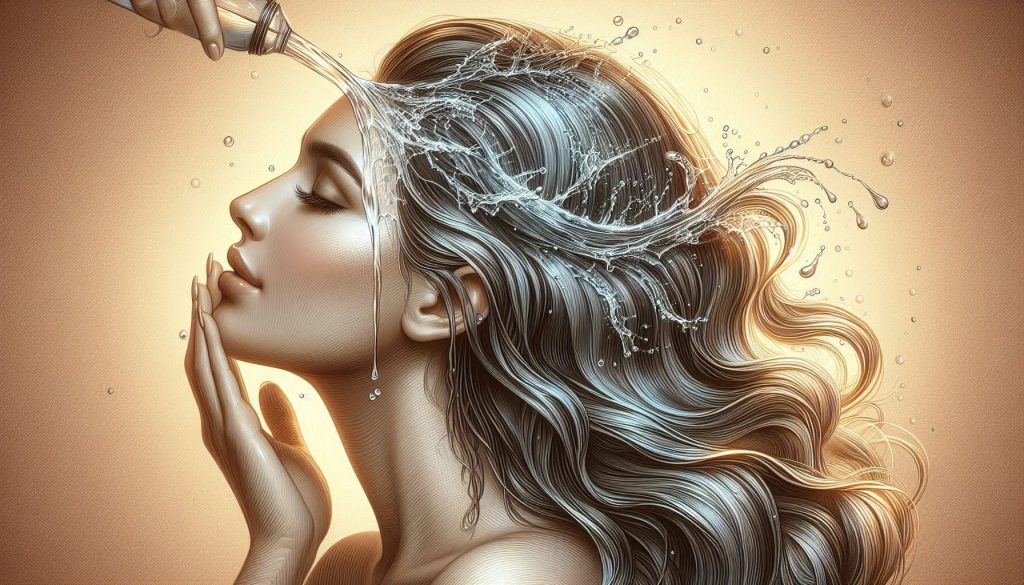
Hard water interferes with the way shampoos and conditioners interact with hair, causes mineral buildup on the scalp and strands, and alters hair texture. The results can include dryness, dullness, increased breakage, and an itchy or irritated scalp. People who have moved to a new location and suddenly notice a change in their hair’s behavior often discover that hard water is the culprit.
This article delves into how hard water affects hair texture and scalp health, from the science behind mineral buildup to the tell-tale signs of damage, and finally to the ways you can prevent or reverse the effects. Understanding this everyday but often overlooked factor could be the key to restoring your hair’s natural softness, shine, and vitality.
1. What Is Hard Water and Why It Matters for Hair
Hard water is defined by its high mineral content, particularly calcium (Ca²⁺), magnesium (Mg²⁺), and sometimes iron. These minerals enter the water supply as it percolates through limestone and chalk deposits underground. The hardness of water is usually measured in parts per million (ppm) or grains per gallon (gpg), with anything above 120 ppm or 7 gpg considered hard.
When it comes to hair care, the importance of water softness or hardness cannot be overstated. The minerals in hard water react with common soap ingredients like sodium lauryl sulfate, forming a substance called “soap scum.” This sticky residue does not rinse away easily, clings to hair strands, and builds up over time. Unlike soft water, which forms a lather easily and rinses clean, hard water makes it difficult to fully remove shampoo and conditioner.
The cuticle—the outer layer of the hair strand—is particularly affected. Normally, a healthy cuticle lies flat, reflecting light and sealing in moisture. But hard water causes the cuticle to lift, leading to roughness, dullness, and tangling. Additionally, the scalp’s microbiome can be disrupted, leading to inflammation or altered oil production.
Water hardness varies by region, which is why some people experience major hair changes after relocating. Without understanding the impact of local water, it’s easy to misattribute hair issues to products or stress when the real issue is chemical.
2. The Impact of Hard Water on Hair Texture
Hair texture refers to the thickness of individual strands and how they feel and behave—whether straight, wavy, curly, or coily. While genetics primarily determine texture, external factors like humidity, chemicals, and, importantly, hard water can influence how hair looks and feels.
When exposed to hard water regularly, hair often becomes:
- Rough and dry: The mineral buildup prevents moisture from penetrating the hair shaft, making it feel brittle or straw-like.
- Dull and lackluster: Hard water leaves a coating that prevents natural oils and light from reflecting off the cuticle, robbing hair of its shine.
- Stiff and less manageable: Curls may lose definition, and straight hair may feel sticky or “coated.” The buildup makes styling more difficult.
- Prone to tangling and breakage: Raised cuticles and dryness lead to more friction, increasing the chance of hair knotting or snapping during brushing.
This effect is especially pronounced in curly and coily hair, which already has a more open cuticle structure. These textures rely on proper hydration and product absorption to maintain their shape, both of which are hindered by mineral buildup.
Moreover, hard water can strip artificial hair color faster than soft water. The minerals can react with dye molecules, causing fading or unwanted color shifts. For people who invest in coloring treatments, hard water is a major factor in color retention and vibrancy.
It’s important to note that the damage is cumulative. A single wash with hard water might not seem damaging, but over weeks or months, it results in visible and tactile changes to the hair’s texture.
3. Scalp Health: How Hard Water Affects the Skin Beneath the Hair
While much attention is placed on the hair itself, the scalp is the foundation for hair growth and health. Hard water can disrupt the scalp’s pH balance, microbiome, and natural oil production, leading to a variety of scalp issues.
One of the most common effects is scalp dryness. Calcium and magnesium residues not only stay on the hair but also accumulate on the skin. These minerals absorb moisture, leading to flakiness, tightness, and itching. Unlike dandruff, which is caused by a fungus, this dryness results from physical buildup and dehydration.
Another common issue is seborrheic dermatitis, or inflammation of the scalp. The stress caused by mineral irritation may cause redness, scaly patches, and excessive oil production in response to dryness. Some individuals experience a burning or tingling sensation, especially after washing their hair.
Blocked hair follicles are also a concern. The mineral deposits, along with leftover product that doesn’t rinse out properly, can clog pores on the scalp. This may result in folliculitis (inflammation or infection of hair follicles), pimples, or even hair shedding due to reduced oxygen and nutrient delivery to the follicles.
In children or those with sensitive skin, these effects may be even more severe, sometimes mistaken for allergic reactions or eczema. For people with existing scalp conditions, such as psoriasis or dermatitis, hard water can act as a trigger or exacerbate flare-ups.
Understanding the scalp as a living organ that interacts with the substances it comes into contact with helps illustrate why water quality is so critical to hair and scalp health.
4. Signs Your Hair and Scalp Are Affected by Hard Water
While many people may not realize they are dealing with hard water, the signs it leaves on hair and scalp are often clear—if you know what to look for. Common symptoms include:
- Persistent dryness even after using conditioners or masks
- Hair feels coated or doesn’t respond well to products
- Frequent tangling or knots that weren’t an issue before
- Split ends and breakage occurring sooner than normal
- Loss of shine or color vibrancy
- Itchy or tight scalp, especially after washing
- White or chalky residue at the roots or on brushes/combs
- Reduced lathering of shampoo and the need to use more product
- Slower hair growth or increased shedding in some cases
People often confuse these symptoms with problems like bad shampoo, poor diet, or seasonal changes. While those can be contributing factors, many find that symptoms persist even after switching products or improving nutrition. This can be frustrating—until they test their water and realize the issue lies with mineral content.
One practical test is to use a clarifying shampoo or a chelation treatment. If your hair feels dramatically softer or lighter afterward, hard water buildup was likely the issue. Another option is using test strips available at hardware stores to check your home’s water hardness.
Understanding these signs can help people seek targeted solutions, preventing further damage and frustration.
5. Scientific Evidence: What Studies Say About Hard Water and Hair Health
The effects of hard water on hair and scalp health have been the subject of several scientific studies, though it’s a relatively under-researched area in dermatology. Nonetheless, the available findings confirm what many individuals observe in their day-to-day routines—hard water negatively impacts hair texture and scalp condition over time.
A pivotal study published in the International Journal of Trichology in 2016 examined the structural changes in hair fibers after being exposed to hard water. The researchers used scanning electron microscopy to analyze hair samples washed in both hard and distilled water. The results showed that hair washed in hard water exhibited more surface roughness, raised cuticles, and signs of cuticle damage, while the hair washed in distilled water retained a smoother surface. This clearly supports the claim that mineral-rich water disrupts the protective outer layer of hair.
Another study conducted by the Indian Journal of Dermatology revealed that individuals living in areas with higher water hardness had more frequent complaints about hair fall, dryness, and scalp issues. The same study noted that hard water could interfere with the efficacy of hair care products, making even premium shampoos and conditioners less effective due to the interaction with minerals like calcium and magnesium.
Dermatologists have also reported an increased incidence of scalp sensitivity, irritation, and seborrheic dermatitis in patients regularly exposed to hard water, especially those with pre-existing skin conditions. In essence, the consensus among researchers is that hard water exacerbates common hair and scalp concerns and can accelerate damage if not mitigated.
These findings reinforce the importance of water quality in hair care. While product selection and personal care routines are crucial, the baseline factor—what you rinse with daily—can make or break the health of your hair and scalp.
6. Common Misconceptions About Hard Water and Hair
Despite the growing awareness of hard water’s impact, several myths and misconceptions still surround the topic, preventing many people from recognizing or addressing the root cause of their hair issues.
One common myth is that hard water makes hair “stronger” due to the minerals it contains. This belief arises from the fact that calcium and magnesium are essential nutrients for the body. However, while these minerals are beneficial when ingested, they are not beneficial when deposited externally on hair. On the contrary, they cause residue buildup, weakening hair strands over time by preventing moisture and product absorption.
Another misconception is that more lather equals cleaner hair. People in hard water areas often notice their shampoos don’t lather well, leading them to use larger amounts or switch brands. In reality, it’s not the shampoo that’s the problem—it’s the water. Hard water interferes with the surfactants in shampoo, reducing foam and cleansing ability. Excessive product use then leads to more residue, compounding the problem.
Some believe that only color-treated or chemically processed hair is affected by hard water, but that’s not the case. While treated hair is more porous and susceptible to damage, even virgin, untreated hair can suffer from mineral accumulation, loss of shine, and coarseness when exposed to hard water regularly.
Finally, many assume that if their skin doesn’t react, their scalp is fine too. The scalp may not show obvious signs like rashes or peeling, but subtle effects like tightness, dryness, and inflammation can develop gradually. These internal changes can contribute to hair loss or thinning over time.
Understanding the truth behind these myths is vital. It helps individuals make informed choices and prevents the frustration of switching between countless hair products that don’t seem to work—when the actual problem lies with the water itself.
7. How to Prevent and Reverse the Effects of Hard Water
Fortunately, while hard water can be damaging, its effects are not irreversible. With the right techniques and tools, you can not only minimize the impact but also restore your hair and scalp to a healthier condition.
The most effective long-term solution is to install a water softener system in your home. These systems work by replacing calcium and magnesium ions with sodium or potassium ions, effectively “softening” the water. Whole-house water softeners benefit both hair and skin, as well as appliances, plumbing, and laundry. For those living in rented properties or on a budget, showerhead filters are a more accessible alternative. These attach directly to the shower and filter out chlorine, sediment, and some minerals. While not as effective as full softening systems, they offer noticeable improvement in water quality and hair texture.
In terms of hair care, clarifying shampoos are essential tools in combating hard water buildup. These shampoos are designed to remove residue and detoxify the scalp. However, they should be used only once a week or every other week, as overuse can strip natural oils and cause dryness. Follow-up with a deep conditioner or moisturizing mask to replenish hydration.
Chelating shampoos go a step further than clarifiers—they contain ingredients like EDTA that bind to metal ions and remove them from hair. These are particularly useful for people in very hard water areas or those with mineral-heavy buildup. However, they can be quite strong and should be balanced with restorative treatments.
DIY solutions like apple cider vinegar (ACV) rinses are also popular. When diluted properly, ACV helps restore the scalp’s natural pH, smooth the cuticle, and remove mild buildup. Similarly, citric acid or lemon juice rinses (diluted) can be used sparingly to reset hair softness and shine.
Consistently moisturizing the hair and scalp is another critical step. Leave-in conditioners, oils (like argan or jojoba), and protective hairstyles can help lock in moisture and reduce further damage. For the scalp, using a gentle exfoliating scrub once a week can help remove buildup and unclog follicles.
Ultimately, it’s about combining prevention (water softening) with treatment (product choice and scalp care) to combat hard water’s effects holistically.
8. Special Considerations for Different Hair Types and Lifestyles
Not all hair reacts the same way to hard water. Different hair types, textures, and routines can influence how severely someone is affected and what kind of treatment they require. Understanding your individual needs can help tailor a more effective solution.
Curly and coily hair, for instance, is particularly prone to the drying effects of hard water. These hair types are naturally more porous and tend to lose moisture more quickly. As a result, mineral buildup can disrupt curl patterns, cause frizz, and lead to breakage. People with curly hair often find that their curls become undefined and stiff in hard water regions. Regular deep conditioning, LOC (liquid-oil-cream) methods, and using microfiber towels or t-shirts instead of regular towels can help retain moisture and reduce damage.
Fine or straight hair may not show extreme dryness, but it often becomes limp, greasy, or heavy due to the mineral coating left behind. Because fine hair is easily weighed down, even a small amount of buildup can make it appear flat or lifeless. For this hair type, lightweight products and regular clarifying treatments are especially important.
Color-treated or chemically processed hair suffers more from hard water exposure. The open cuticle structure caused by coloring or relaxing allows minerals to penetrate more easily, leading to quicker color fading and structural damage. Chelating shampoos, color-safe conditioners, and weekly protein treatments are useful for maintaining integrity.
People with active lifestyles—such as swimmers, athletes, or those who shower multiple times per day—may experience amplified effects due to more frequent exposure to hard water. For swimmers, the combination of chlorine and minerals is particularly harsh. In such cases, using a pre-swim protectant and rinsing with bottled or filtered water post-swim can help.
In addition, people with sensitive skin or scalp conditions like psoriasis, eczema, or seborrheic dermatitis should be extra cautious. The irritants in hard water can worsen flare-ups or make treatments less effective. These individuals may benefit from pH-balanced, fragrance-free, and dermatologically tested hair care products, alongside medical advice if needed.
Customizing care based on hair texture, treatment history, and lifestyle habits ensures that the fight against hard water damage is both efficient and sustainable.
Conclusion:
In today’s fast-paced world, hair damage is often attributed to stress, diet, or chemical treatments—but one silent contributor is often overlooked: hard water. As we’ve seen, the minerals in hard water have far-reaching effects on both hair texture and scalp health. From rough, dry strands and dullness to buildup-related scalp irritation and inflammation, the damage is cumulative and can significantly impact your appearance and comfort over time.
Scientific evidence supports the everyday observations of millions of people struggling with frizz, breakage, or persistent dryness. And yet, these problems are often misdiagnosed as poor hair care or product inefficacy. In reality, you could be using the best shampoo or conditioner money can buy, but if your water is working against you, the benefits are drastically reduced.
Fortunately, solutions exist. From investing in water softening systems and shower filters, to using chelating shampoos, acidic rinses, and moisture-restoring products, you can reverse the effects and prevent further damage. Recognizing the unique needs of your hair type, lifestyle, and scalp condition is key to choosing the most effective strategy.
Moreover, raising awareness about water quality can empower individuals to make smarter decisions—not just about hair care, but about overall wellness. After all, water is something we use every day on our bodies. Understanding what’s in it, and how it interacts with our biology, is essential to living a healthier, more balanced life.
In a world where beauty routines are increasingly personalized and science-driven, knowledge is power. And when it comes to the health of your hair and scalp, that knowledge begins with understanding the role of water—especially hard water. With the right tools and awareness, healthy, shiny, manageable hair is not just possible—it’s within reach.
SOURCES
Baumann, L. (2009). Cosmetic dermatology: Principles and practice (2nd ed.). McGraw-Hill Medical.
Draelos, Z. D. (2015). Hair care: An illustrated dermatologic handbook (2nd ed.). CRC Press.
Foley, P., & Zito, P. M. (2023). Physiology, hair. In StatPearls. StatPearls Publishing.
Kaur, T., & D’Souza, P. (2016). Effects of hard water on hair: A clinical and microscopic study. International Journal of Trichology, 8(3), 108–112.
Matsumura, H., & Uenoyama, A. (2016). Measurement of hair surface pH and its relation to hair condition. Journal of Cosmetic Science, 67(2), 81–90.
Robbins, C. R. (2012). Chemical and physical behavior of human hair (5th ed.). Springer.
Sivasankar, B. (2008). Engineering chemistry (2nd ed.). Tata McGraw-Hill Education.
Tosti, A., & Duque-Estrada, B. (2009). Special considerations for hair cosmetic procedures in ethnic hair. Dermatologic Clinics, 27(3), 365–372.
HISTORY
Current Version
AUG, 05, 2025
Written By
BARIRA MEHMOOD