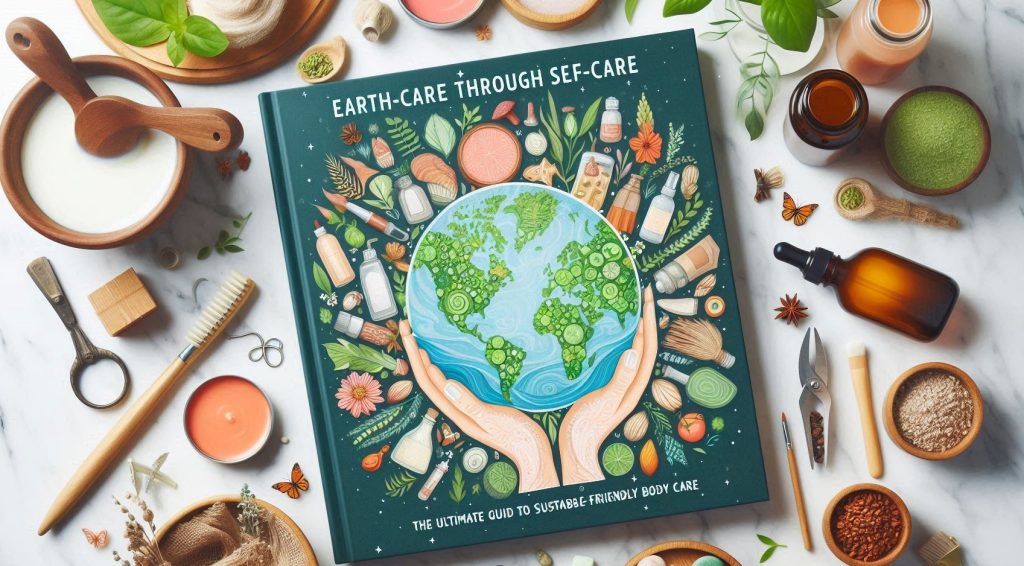
In today’s age of climate change, pollution, and consumer overdrive, creating a sustainable and eco-friendly body care routine is not just a trend—it’s a necessity. This shift in perspective recognizes the importance of choosing products and practices that benefit not only our bodies but also our planet. From reducing plastic waste and harmful chemicals to supporting ethical sourcing and cruelty-free testing, building a conscious routine has become a powerful personal and environmental statement.
This in-depth guide will explore the concept of sustainable and eco-conscious body care in 360 degrees. We will dissect everything from understanding greenwashing and ingredient sourcing to product packaging and DIY recipes—empowering you with practical strategies and a holistic understanding to completely revolutionize your skincare and hygiene habits.
Understanding Sustainability in Body Care
What Is Sustainability in Body Care?
Sustainability in body care refers to the practice of choosing ingredients, packaging, routines, and brands that reduce environmental impact while promoting ethical labor, fair trade, and biodiversity.
Why It Matters
- Plastic Waste: Over 120 billion units of cosmetic packaging are produced globally each year.
- Toxic Runoff: Many mainstream body washes, shampoos, and lotions wash toxic chemicals into waterways.
- Carbon Footprint: Long global supply chains mean greater emissions and ecological harm.
- Microplastics: Commonly used in exfoliants, they pollute oceans and harm marine life.
Key Pillars of Sustainability:
- Natural & Organic Ingredients
- Minimal or Zero-Waste Packaging
- Cruelty-Free and Vegan Formulations
- Ethical Labor Practices
- Low-Carbon and Local Sourcing
- Product Longevity and Multi-functionality
Greenwashing vs. True Sustainability
What Is Greenwashing?
Greenwashing is when companies use misleading claims or packaging to appear environmentally friendly, without meaningful action.
Common Greenwashing Red Flags:
- Vague terms like “eco-friendly,” “natural,” or “clean” with no certification
- Use of green colors and leaf imagery without actual data
- Highlighting one sustainable ingredient while ignoring the rest
- Overemphasis on recyclable packaging when the contents are harmful
Certifications to Look For:
- USDA Organic
- Ecocert
- Leaping Bunny (Cruelty-Free)
- Vegan Society
- Fair Trade Certified
- CarbonNeutral®
Tips for Avoiding Greenwashed Products:
- Read ingredient lists (avoid parabens, sulfates, phthalates)
- Look for third-party certifications
- Research brand ethics and transparency
- Support indie or local sustainable brands
Sustainable Ingredients—What to Use and What to Avoid
Ingredients to Embrace
- Plant-Based Oils: Coconut, olive, jojoba, argan
- Butters: Shea, cocoa, mango
- Essential Oils: Lavender, tea tree, peppermint (in moderation)
- Botanicals: Aloe vera, calendula, chamomile
- Natural Exfoliants: Oats, sugar, salt, coffee grounds
Ingredients to Avoid
- Sulfates (e.g., SLS): Harsh, synthetic detergents
- Parabens: Linked to hormone disruption
- Phthalates: Often hidden in “fragrance”
- Triclosan: Antibacterial agent, harmful to aquatic life
- Petrolatum/Mineral Oil: Derived from non-renewable petroleum
Rethinking Packaging
The Plastic Problem
Plastic can take up to 1,000 years to degrade. In the beauty industry, most packaging is non-recyclable due to mixed materials.
Sustainable Alternatives
- Glass: Fully recyclable, reusable, elegant
- Aluminum: Lightweight, recyclable infinitely
- Compostable Packaging: Made from cornstarch, mushrooms, or seaweed
- Refillable Containers: Return & refill systems
- Bulk Buying: Cuts packaging waste dramatically
Upcycling Ideas
- Use empty jars for DIY balms
- Old soap containers for storage
- Glass dropper bottles for homemade serums
Building a Minimalist and Effective Routine
The Concept of Skinimalism
Fewer, better products. Skinimalism embraces multi-functional products and simple regimens that reduce waste and cost.
Example Daily Routine (Minimalist)
- Morning:
- Cleanse with gentle natural soap
- Apply plant-based oil or lotion bar
- Mineral-based sunscreen
- Evening:
- Cleanse with oil or micellar water
- Apply hydrating mist (rosewater/aloe)
- Moisturize with natural butter
Multi-Use Products:
- Coconut oil (cleanser, moisturizer, hair treatment)
- Castile soap (body wash, shampoo, face wash)
- Aloe vera gel (toner, after-sun, light moisturizer)
DIY Body Care Recipes
Benefits of DIY
- Control ingredients
- Avoid plastic packaging
- Save money
- Customize for your skin
Easy Recipes
Sugar Body Scrub
- 1 cup sugar
- ½ cup olive oil
- 5 drops lavender oil
Natural Deodorant
- 3 tbsp coconut oil
- 2 tbsp arrowroot powder
- 1 tbsp baking soda
Whipped Body Butter
- ½ cup shea butter
- ¼ cup coconut oil
- ¼ cup sweet almond oil
- Whip together after melting and cooling
Herbal Bath Soak
- Epsom salts, dried rose petals, and chamomile in a muslin bag
Dry Shampoo
- 2 tbsp arrowroot + 1 tbsp cocoa powder (for brunettes)
Eco-Friendly Hair Care
Shampoo & Conditioner Bars
Solid bars eliminate plastic packaging and last longer than liquid products.
No-Poo Method
Washing hair with water only, or using:
- Baking soda
- Apple cider vinegar rinses
- Clay masks
Sustainable Hair Tools
- Bamboo brushes and combs
- Natural rubber hair ties
- Microfiber hair towels
Water Conservation in Routines
How Body Care Wastes Water
- Long showers
- Over-washing
- Leaving tap running while cleansing
Smart Water Practices
- 3-minute showers
- Turn off tap while lathering
- Install low-flow showerheads
- Use bucket rinses
Menstrual and Intimate Care
Sustainable Menstrual Products
- Menstrual cups (reusable for years)
- Reusable cloth pads
- Period underwear
- Organic cotton tampons
Intimate Hygiene
- Avoid synthetic fragranced washes
- Use water or gentle soap only
- Choose pH-balanced, non-toxic options
Sun Protection and the Environment
Reef-Safe Sunscreens
Avoid:
- Oxybenzone
- Octinoxate
Use:
- Zinc oxide
- Titanium dioxide (non-nano)
Look for biodegradable, non-nano mineral sunscreens in sustainable packaging.
Brands Leading the Eco-Beauty Movement
Notable Sustainable Brands
- Ethique – Shampoo and conditioner bars
- Plaine Products – Aluminum refillable containers
- Meow Meow Tweet – Deodorant in compostable packaging
- Dr. Bronner’s – Multi-use organic soaps
- Lush – Packaging-free cosmetics and skincare
Shopping Mindfully
Before You Buy:
Ask yourself:
- Do I truly need this?
- Can I DIY it instead?
- Is there a lower-waste version?
- Is the brand transparent about sustainability?
Sustainable Swaps
- Loofahs instead of plastic sponges
- Reusable cotton rounds over disposable wipes
- Safety razors instead of disposable ones
- Bamboo toothbrushes
Personal Health and Eco Care
Sustainable body care isn’t just about the planet—it’s about your long-term health:
- Avoid endocrine disruptors
- Reduce exposure to allergens and artificial fragrance
- Use biodegradable formulas to prevent skin irritation
Creating a Zero-Waste Bathroom
Steps:
- Declutter and use up existing products
- Refill instead of replacing
- Switch to reusables
- Use cloth towels instead of paper
- Make DIY solutions in glass jars
Teaching Kids and Family Sustainable Habits
- Use bar soap instead of body wash
- Introduce reusable pads or period underwear for teens
- Explain why avoiding plastic is important
- Make DIY scrubs and balms together as a fun family activity
Travel and On-the-Go Sustainability
Travel Kit Essentials
- Shampoo/conditioner bars
- Solid deodorant
- Refillable silicone travel containers
- Bamboo toothbrush
Cultural and Historical Eco Body Care Practices
Across history, many cultures have long practiced sustainable self-care:
- Africa: Shea butter, black soap
- India: Ayurvedic oils, herbal powders
- Middle East: Rhassoul clay, argan oil
- Asia: Rice water rinses, jade rollers
Barriers and How to Overcome Them
- Higher Initial Cost: Buy less, invest in longevity
- Availability: Shop online or from local makers
- Habit Change: Transition one product at a time
- Skepticism: Rely on data, third-party certifications, and user reviews
Sustainable Body Care for Every Budget
- Budget-Friendly Tips:
- DIY
- Bulk buy with friends
- Refill stations
- Use multipurpose oils
- Mid-Range Options:
- Ethique, Meow Meow Tweet, The Body Shop (refill lines)
- Luxury Green Brands:
- Tata Harper, Rahua, True Botanicals
Long-Term Impact and Community Involvement
How Your Routine Affects the World
- Reduces plastic pollution
- Supports ethical labor
- Prevents toxic runoff into ecosystems
- Sets examples for others to follow
How to Go Beyond Personal Practice
- Organize community swaps
- Volunteer for clean-up events
- Start a refill station
- Share your journey online
Conclusion
Creating a sustainable and eco-friendly body care routine isn’t about achieving flawless perfection—it’s about making consistent, intentional progress. Each small decision you make, from choosing reusable items over single-use plastics to selecting products with clean, ethically sourced ingredients, contributes to a larger positive impact on both your personal health and the environment. Sustainability is a journey, not a destination, and every effort counts. Swapping conventional lotions for natural butters, using bar soaps instead of bottled washes, or opting for refillable containers are simple yet powerful actions that collectively reduce waste, pollution, and ecological harm.
It’s okay to start small. Transitioning doesn’t have to happen overnight. Begin with one change—maybe replacing your plastic razor with a safety razor, or choosing a shampoo bar instead of liquid shampoo. Over time, these steps build momentum, creating a ripple effect of conscious choices that align with your values. Stay informed, remain curious, and be open to learning more about the ingredients, brands, and practices you support. By doing so, you become part of a growing movement that honors both well-being and the planet. Your body care routine can be more than self-care—it can be a form of Earth-care, too.
SOURCES
Plastic Soup Foundation. (2023). Microplastics in Cosmetics.
UNEP. (2022). Single-Use Plastics: A Roadmap for Sustainability.
Ewg.org. (2024). Skin Deep Cosmetics Database.
Levine, D. (2021). Green Beauty: What It Means and How to Shop. The Guardian.
Sharma, P. (2022). Ayurvedic Body Care Practices for the Modern Age. Journal of Holistic Health.
Jones, A. (2023). Impact of Cosmetic Chemicals on Marine Life. Environmental Science Review.
Khan, L. (2021). The Rise of Zero Waste Beauty: A Consumer Study. Sustainable Consumption Journal.
Fletcher, K. (2020). Eco Beauty: Redefining the Skincare Industry. Green Planet Publishing.
HISTORY
Current Version
Aug 7, 2025
Written By:
SUMMIYAH MAHMOOD