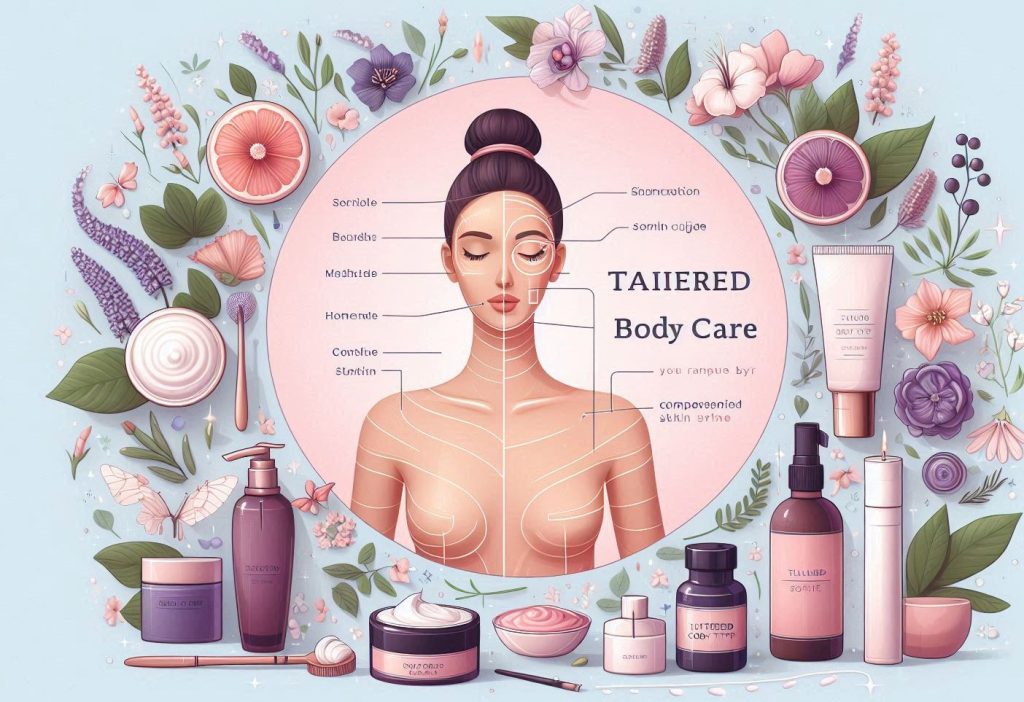
When it comes to personal care, one size does not fit all—especially in skincare. The human skin, the body’s largest organ, is a complex system that varies not only from person to person but also from one area of the body to another. Understanding your skin type is the foundational step toward creating an effective body care routine that addresses your unique needs. From oily and acne-prone to dry, sensitive, or combination skin, tailored body care makes a significant difference in skin health, texture, and overall appearance.
This guide explores customized body care routines based on skin type, delving into the characteristics of each type, the challenges they pose, and solutions rooted in both dermatological science and practical daily habits. Whether you’re dealing with seasonal skin changes, aging-related concerns, or chronic conditions, this comprehensive guide offers clarity and actionable advice to help you design a body care regimen that works for your skin—day in and day out.
Understanding Skin Types
The Science Behind Skin Types
Human skin can be broadly categorized into five types:
- Normal
- Dry
- Oily
- Combination
- Sensitive
These classifications depend on factors like sebum production, water retention, and cell turnover. Genetics largely determine skin type, but external factors such as climate, lifestyle, hormones, and skincare habits can alter or exaggerate certain characteristics.
Normal Skin
Normal skin is well-balanced: not too oily nor too dry. It has:
- Fine pores
- Smooth texture
- No severe sensitivity
- A healthy glow
Dry Skin
Dry skin tends to:
- Feel tight
- Show flakiness or rough patches
- Appear dull
- Be more prone to irritation and premature aging
Oily Skin
Oily skin often exhibits:
- Enlarged pores
- Shiny appearance
- Higher susceptibility to acne and clogged pores
Combination Skin
Combination skin includes both dry and oily areas, typically:
- Oily T-zone (forehead, nose, chin)
- Dry or normal cheeks
Sensitive Skin
Sensitive skin is reactive and prone to:
- Redness
- Burning
- Itching
- Breakouts from certain products or environmental conditions
Body Care Basics by Skin Type
Cleansing
Dry Skin
Use non-foaming, hydrating body washes containing glycerin, hyaluronic acid, or shea butter. Avoid hot showers and harsh soaps.
Oily Skin
Choose gel-based, clarifying cleansers with salicylic acid, tea tree oil, or charcoal. Shower daily, especially after sweating.
Combination Skin
Use mild cleansers; spot-treat oily areas with a targeted exfoliating scrub.
Sensitive Skin
Opt for fragrance-free, hypoallergenic cleansers. Avoid sulfates and alcohol-based washes.
Normal Skin
Maintain balance with pH-neutral body cleansers.
Exfoliating
Exfoliation removes dead cells and enhances product absorption.
- Dry Skin: Once a week with cream-based scrubs
- Oily Skin: 2–3 times a week with chemical exfoliants (AHA/BHA)
- Sensitive Skin: Use enzyme exfoliators weekly
- Combination Skin: Zone-specific exfoliation (oily zones more frequently)
- Normal Skin: 1–2 times per week with a gentle scrub
Moisturizing
Hydration is non-negotiable, regardless of skin type.
- Dry Skin: Thick emollients (ceramides, oils, shea butter)
- Oily Skin: Lightweight, non-comedogenic gels or lotions
- Sensitive Skin: Fragrance-free balms with colloidal oatmeal
- Combination Skin: Use two different moisturizers if needed
- Normal Skin: Maintain with light lotions
Ingredient Guide by Skin Type
Best Ingredients for Dry Skin
- Hyaluronic acid
- Squalane
- Urea
- Shea butter
- Ceramides
Best Ingredients for Oily Skin
- Niacinamide
- Salicylic acid
- Zinc
- Tea tree oil
- Witch hazel
Best Ingredients for Sensitive Skin
- Aloe vera
- Centella Asiatica
- Chamomile
- Panthenol
- Allantoin
Best Ingredients for Combination Skin
- Jojoba oil (mimics sebum)
- AHA/BHA blends
- Hyaluronic acid
Ingredients for Normal Skin
- Glycerin
- Vitamin E
- Mild botanical oils
Customized Body Care Routines
Morning Routine
All Skin Types:
- Gentle cleanser
- Moisturizer
- Sunscreen SPF 30+
Dry Skin Tip: Add facial oil to body lotion for longer hydration
Oily Skin Tip: Use mattifying SPF
Sensitive Skin Tip: Use mineral sunscreen
Night Routine
- Cleanser
- Exfoliant (as per schedule)
- Hydrating toner (optional)
- Targeted treatments (e.g., retinol, acne gel)
- Deep moisturizer or overnight mask
Seasonal Adjustments
Winter
- Use thicker creams
- Avoid long, hot showers
- Add humidifier indoors
Summer
- Switch to lightweight gels
- Exfoliate more often (especially oily types)
- Reapply sunscreen every 2 hours outdoors
Monsoon/Rainy Season
- Prevent fungal infections with antifungal powders
- Wear breathable clothing
- Dry skin thoroughly post-shower
Spring/Fall
- Transitional weather: gradually shift between heavy and light products
Tailored Treatments
Pigmentation
Use:
- Vitamin C
- Kojic acid
- Azelaic acid
Body Acne (Backne)
Oily and combo skin types:
- Salicylic acid washes
- Benzoyl peroxide lotions
- Loose clothing
Keratosis Pilaris (Chicken Skin)
Dry skin types:
- Urea-based creams
- Glycolic acid exfoliants
- Avoid friction
Itchiness and Inflammation
Sensitive skin:
- Oatmeal baths
- Anti-itch creams
- Avoid allergens
Lifestyle Influences
Diet
- Omega-3 for dry/sensitive skin
- Low-GI foods for oily skin
- Hydration helps all types
Exercise
- Shower immediately after sweat
- Wear moisture-wicking fabrics
Sleep and Stress
- Stress worsens all skin types
- Aim for 7–8 hours of sleep
Special Considerations
Teenagers
- Hormonal skin shifts (often oily or acne-prone)
- Start simple: Cleanse–Moisturize–SPF
Pregnancy
- Avoid retinoids
- Safe ingredients: Vitamin C, niacinamide, hyaluronic acid
Aging Skin
- Skin becomes drier and thinner
- Prioritize collagen-boosting actives: peptides, retinol (with caution)
Skin of Color
- Hyperpigmentation common
- Avoid overly harsh treatments
- Use brightening but non-irritating ingredients
Myths vs. Facts
- Myth: Oily skin doesn’t need moisturizer
Fact: It does—just a lighter one. - Myth: Natural = always safe
Fact: Poison ivy is natural, too. Patch test everything. - Myth: Exfoliate daily
Fact: Over-exfoliation damages skin barrier. - Myth: Sunscreen only for sunny days
Fact: UVA rays penetrate clouds and windows.
Product Guide by Skin Type
| Product Type | Dry Skin | Oily Skin | Sensitive Skin | Combination | Normal |
|---|---|---|---|---|---|
| Cleanser | Creamy | Gel | Milky | Balanced | Mild |
| Moisturizer | Thick balm | Gel | Oat-based | Dual-type | Lotion |
| SPF | Cream | Matte Gel | Mineral-based | Hybrid | Lotion |
| Exfoliant | Gentle Cream | Salicylic | Enzyme-based | Mixed-use | Mild Scrub |
DIY Body Care Recipes
For Dry Skin
- Oatmeal + Honey Scrub
(Soothing and moisturizing)
For Oily Skin
- Green Clay Mask
(Absorbs excess oil)
For Sensitive Skin
- Aloe + Chamomile Gel
(Cools inflammation)
For All Skin Types
- Coffee Body Scrub
(Boosts circulation)
Expert Tips and Dermatologist Advice
- Patch test before trying new products
- Layer products from thinnest to thickest
- Don’t ignore body skincare—your arms and legs age too
- Consider professional treatments (chemical peels, laser, etc.) if needed
- Build habits that support long-term skin health: nutrition, water, sleep
Conclusion
Creating a personalized body care routine based on your skin type is not just a matter of pampering—it’s a science-backed approach to better skin health. What works for one person might wreak havoc on another. From choosing the right cleanser and moisturizer to exfoliating at the right intervals and adjusting with the seasons, your skin will thank you for the extra attention.
By understanding your skin’s unique needs, making informed choices about ingredients, and adapting to life’s changes, you lay the foundation for a lifelong journey of radiant, resilient, and healthy skin.
Every body deserves body care that’s intentional, individualized, and empowering. Start today—your skin is worth it.
SOURCES
Bolden, M. P. (2019). Skincare decoded: The practical guide to clear, healthy skin for every skin type. Derm Press.
Bowe, W. P. (2018). The beauty of dirty skin: The surprising science of looking and feeling radiant from the inside out. Little, Brown Spark.
Draelos, Z. D. (2020). Cosmetic dermatology: Products and procedures (3rd ed.). Wiley-Blackwell.
Farris, P. K. (2017). The dermatology guide to healthy skin: Care, protection, and repair. McGraw Hill.
Freedberg, I. M., & Fitzpatrick, T. B. (2019). Fitzpatrick’s dermatology in general medicine (9th ed.). McGraw-Hill Education.
Kanitakis, J. (2018). Anatomy, histology and immunohistochemistry of normal human skin. European Journal of Dermatology, 28(3), 305–312.
Mukhopadhyay, P. (2011). Cleansers and their role in various dermatological disorders. Indian Journal of Dermatology, 56(1), 2–6.
Rawlings, A. V., & Harding, C. R. (2004). Moisturization and skin barrier function. Dermatologic Therapy, 17(S1), 43–48.
Rogers, J. L., & Mills, O. H. (2019). Acne treatment and the role of inflammation. Journal of Drugs in Dermatology, 18(5), 456–460.
Sivamani, R. K., Craiglow, B. G., & Wu, J. J. (2021). Integrative dermatology. Oxford University Press.
Thiboutot, D., Gollnick, H., Bettoli, V., Dreno, B., Kang, S., Leyden, J., … & Shalita, A. R. (2009). New insights into the management of acne: An update from the Global Alliance to Improve Outcomes in Acne group. Journal of the American Academy of Dermatology, 60(5), S1–S50.
Warner, R. R., & Boissy, R. E. (2022). Skin structure and function. In M. A. Farage, K. W. Miller, & H. I. Maibach (Eds.), Textbook of aging skin (3rd ed., pp. 19–33). Springer.
HISTORY
Current Version
Aug 7, 2025
Written By:
SUMMIYAH MAHMOOD