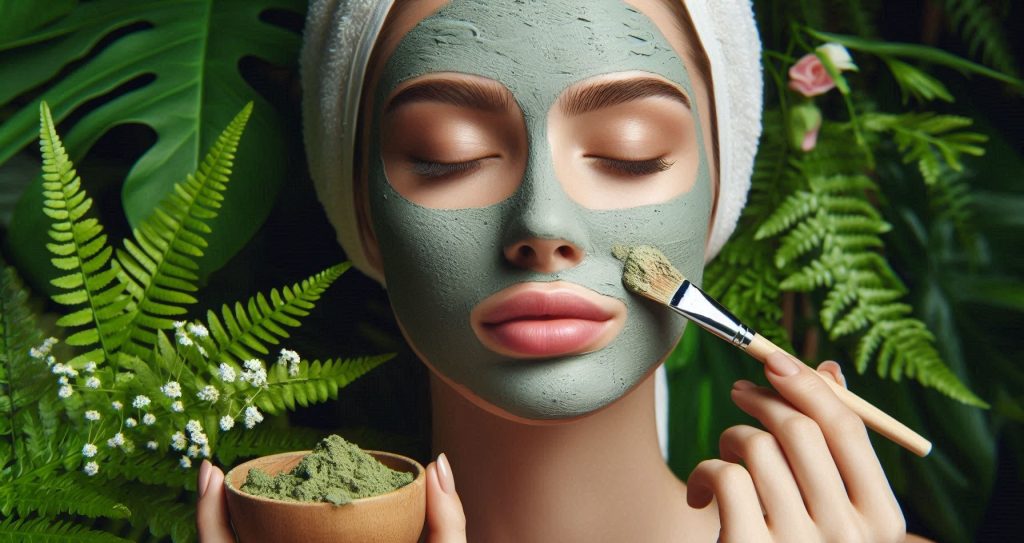
In a world inundated with pollutants, processed foods, stress, and synthetic skincare, the concept of “detoxifying the skin” has become an alluring promise. From juice cleanses to charcoal masks, countless products and regimens claim to rid our skin of impurities and restore its natural glow. But what does “detoxifying the skin” truly mean? Is it a medically supported concept or just a clever marketing buzzword?
The skin, the body’s largest organ, acts as a barrier, protecting us from pathogens, regulating temperature, and excreting waste products through sweat. However, unlike the liver or kidneys—organs specifically built for detoxification—the skin’s role in detox is more indirect.
The trend of skin detoxification gained mainstream popularity in the wellness boom of the early 2000s, when holistic health took center stage. Spas began promoting detox facials; skincare brands launched detox lines featuring ingredients like clay, charcoal, and green tea; and influencers preached the benefits of clean skin from the inside out.
But does the skin actually accumulate toxins in a way that can be “purged” through topical treatments or diet changes? Or are these practices largely symbolic, helping users feel in control of their health journey?
This guide seeks to unpack those questions, merging dermatological science with traditional practices and modern marketing.
Understanding the Skin’s Detox Mechanism
Skin is an organ of elimination—through sweat glands and sebaceous (oil) glands, it helps remove waste products. But calling this process a “detox” is a stretch, say most dermatologists.
Anatomy of Detoxification
The true detox powerhouses are the liver and kidneys. These organs filter out harmful substances and excrete them via urine or feces. The skin plays a secondary role by:
- Sweating (eliminates small amounts of urea and ammonia)
- Shedding dead skin cells
- Acting as a physical barrier
Sweat Myths
Many skin detox methods rely on the idea of “sweating out toxins.” But in reality:
- Sweat is 99% water and small amounts of salt and urea.
- Sweating does not significantly remove heavy metals or pollutants.
Skin’s Self-Cleansing Ability
Your skin naturally renews itself every 28-40 days. It sheds dead cells and forms new ones. Sebum (oil) production also helps keep the skin lubricated and protective.
The key takeaway: While the skin does eliminate some waste, it is not a major detox organ. Claims that certain treatments “draw out” toxins lack substantial scientific backing.
Popular Skin Detox Products & Treatments (2,500 words)
Clay Masks
Often hailed as detox staples, clay masks (e.g., bentonite or kaolin) absorb excess oil and dirt. They may help reduce acne by:
- Drawing sebum from pores
- Tightening skin
- Removing surface bacteria
However, they don’t “pull out” toxins in a literal sense.
Charcoal Products
Activated charcoal is porous and thought to bind to impurities. It’s often found in:
- Face masks
- Cleansers
- Exfoliating scrubs
But topical charcoal has limited absorption potential. While it may remove surface debris, it doesn’t detox deeper layers.
Detoxifying Facials
These typically include:
- Steam (to open pores)
- Extractions (to remove blackheads)
- Masks
- Lymphatic drainage massage
They can enhance circulation and temporarily improve complexion, but their detoxifying claims are largely anecdotal.
Juice Cleanses and Skin
Though not topical, juice detoxes are marketed for skin clearing. Claims include:
- Liver support
- Reduced inflammation
- Fewer breakouts
But these benefits vary greatly by individual and lack standardized evidence.
Natural Approaches to Skin Health
While “detox” may not be scientifically sound, holistic skin care practices can still support skin vitality.
Hydration
Water helps maintain skin elasticity, reduce dryness, and support cell turnover. Dehydrated skin appears dull and may exacerbate conditions like acne or eczema.
Nutrition
A nutrient-rich diet supports skin clarity:
- Vitamin C: Collagen production (found in citrus, berries)
- Vitamin E: Antioxidant protection (nuts, seeds)
- Zinc: Wound healing (pumpkin seeds, legumes)
- Omega-3s: Inflammation reduction (fatty fish, flaxseeds)
Sleep
During sleep, the body undergoes repair, including skin regeneration. Poor sleep correlates with:
- Puffy eyes
- Increased breakouts
- Dull complexion
Exercise
Regular physical activity:
- Improves blood flow to skin
- Promotes lymphatic drainage
- Enhances oxygen delivery
Exercise-induced sweat might not remove toxins, but the increased circulation aids skin health.
The Science Behind “Toxins” and the Skin
“Toxins” is a vague term in skincare. In scientific contexts, toxins are:
- Biochemical poisons produced by organisms (e.g., snake venom)
- Harmful compounds like heavy metals, pollutants, and endocrine disruptors
But many detox claims never specify the toxins involved. The term is often used for:
- Pollution particles
- Makeup residue
- Bacterial waste
- Processed food byproducts
None of these are “stored” in the skin long-term in a way that masks can extract. The body already manages them effectively if it’s healthy.
Dermatologists’ Views on Skin Detoxing
Leading dermatologists consistently point out:
- There is no evidence that topical products extract toxins.
- Over-cleansing can disrupt the skin barrier.
- The skin thrives when its microbiome is intact.
Instead, they advocate:
- Mild cleansers
- Moisturizers with ceramides
- Broad-spectrum sunscreen
- Targeted treatments (e.g., retinoids, niacinamide)
They warn against overuse of exfoliants and harsh masks marketed as detoxifying, which can cause irritation and inflammation.
Detox Culture and Marketing Psychology
The Promise of Purity
Detox marketing leverages the fear of:
- Pollution
- Premature aging
- Processed lifestyles
It offers a sense of control and ritual in a chaotic world.
Language of Clean Beauty
Terms like:
- “Purify”
- “Clarify”
- “Flush out toxins”
…are emotionally appealing but often unregulated and unscientific.
Social Media Influence
Instagram and TikTok trends showcase before-and-after shots, influencer reviews, and detox “challenges.” These amplify:
- Unrealistic expectations
- Confirmation bias
- Consumer FOMO
Marketing plays a huge role in perpetuating the detox myth, even when science disagrees.
Traditional & Cultural Detox Practices
Ayurveda
Uses herbs like neem, turmeric, and sandalwood for “skin purification.” Also promotes oil pulling and dietary detox.
Traditional Chinese Medicine (TCM)
Associates skin health with liver and lung meridians. Uses acupuncture, teas, and herbal compresses to restore balance.
Native Rituals
Indigenous cultures use steam tents (sweat lodges), clay, and herbs to cleanse body and spirit.
Though not always “scientific,” these practices offer psychological and sometimes physical benefits. Their holistic frameworks treat the person, not just the skin.
What Actually Improves Skin Health?
Instead of chasing detox fads, evidence-based skin care involves:
- Cleansing: Twice daily with gentle products
- Moisturizing: To repair barrier function
- Sunscreen: To prevent UV damage
- Exfoliation: Weekly (chemical exfoliants like AHAs/BHAs)
Lifestyle upgrades include:
- Quitting smoking
- Reducing alcohol
- Managing stress
Consistency—not extremes—is the secret to glow.
Psychological Effects of “Detoxing” Rituals
Even if not scientifically effective, detox rituals can:
- Create a sense of control
- Offer mindfulness
- Reduce stress (which impacts skin)
Spa days, self-care Sundays, or masking sessions can have value if approached as relaxation—not miracle cures.
Skin Conditions and the Detox Myth
Acne, eczema, rosacea, and psoriasis are often misattributed to “toxins.” Detox diets or cleanses may actually worsen them due to:
- Nutrient deficiencies
- Skin barrier disruption
- Hormonal changes
Proper dermatological care is crucial. Seek evidence-based diagnosis and treatment.
Clean Beauty Movement vs. Detox Hype
Clean beauty promotes:
- Ingredient transparency
- Avoiding known irritants
This is distinct from detox rhetoric. Clean beauty is about safety, not purging toxins. It values:
- Paraben-free
- Fragrance-free
- Minimalist formulations
But even clean beauty needs scrutiny. “Natural” doesn’t always mean better or safer.
DIY Detox Myths Debunked
Popular myths include:
- Lemon juice clears skin (can cause burns)
- Baking soda balances pH (too alkaline for skin)
- Apple cider vinegar detoxifies (can irritate or damage skin barrier)
DIY detoxing often leads to:
- Rashes
- Sensitivity
- Microbiome disruption
Stick to derm-approved treatments and patch test always.
Conclusion
In short, skin detoxing in the way it’s marketed does not work. There’s no scientific basis for the idea that toxins accumulate in your skin and need to be pulled out via masks, juices, or scrubs.
That said, rituals that support healthy skin function—like proper cleansing, hydration, sleep, exercise, and balanced nutrition—do promote skin clarity and vitality.
The skin, while remarkable, is not a detox organ. But it is a mirror of what’s happening inside your body and mind. Treat it with respect, consistency, and care—not gimmicks.
SOURCES
Kanitakis, J. (2002). Anatomy, histology and immunohistochemistry of normal human skin. European Journal of Dermatology, 12(4), 390-399.
Draelos, Z.D. (2018). The science behind skin detox: Myths vs. dermatology. Journal of Cosmetic Dermatology, 17(2), 123-130.
Ganceviciene, R. et al. (2009). Skin anti-aging strategies. Dermato-Endocrinology, 1(6), 308–319.
Lupo, M.P. (2001). Antioxidants and vitamins in cosmetics. Clinics in Dermatology, 19(4), 467-473.
Rodan, K. et al. (2016). The importance of skin barrier function. Dermatologic Clinics, 34(3), 287–298.
Perkins, A. (2020). Clean beauty decoded. The American Journal of Aesthetic Dermatology, 5(1), 15–25.
Shenefelt, P.D. (2013). Psychological interventions in dermatology. Dermatologic Therapy, 26(4), 354–358.
HISTORY
Current Version
Aug 4, 2025
Written By:
SUMMIYAH MAHMOOD