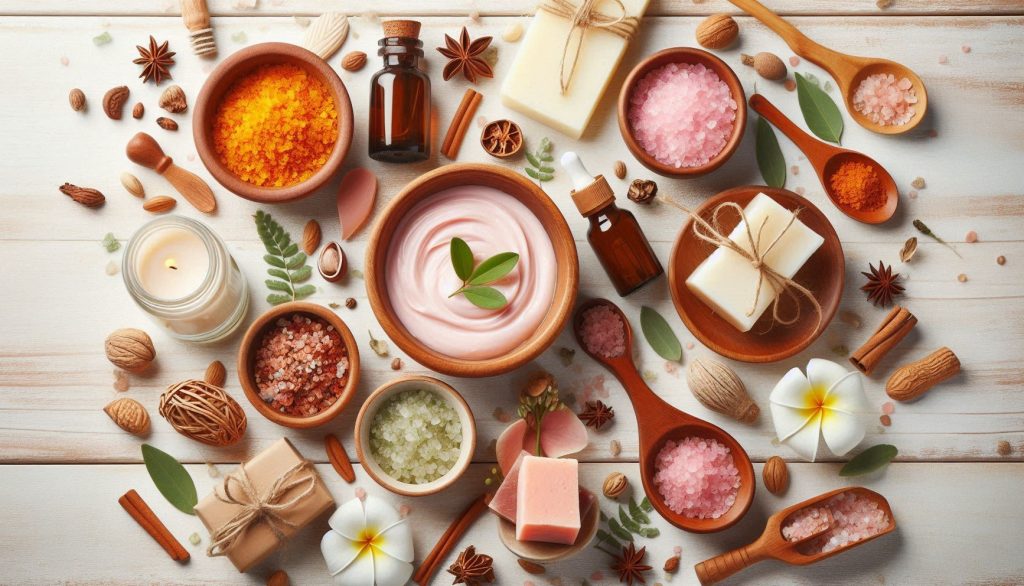
In a world driven by commercial beauty products packed with synthetic ingredients, preservatives, and artificial fragrances, more and more individuals are turning towards natural DIY body care. Whether it’s for health reasons, budget-consciousness, or sustainability, the shift towards homemade beauty routines is more than a trend—it’s a lifestyle.
This comprehensive guide explores the art and science of creating your own body care recipes, using ingredients straight from your kitchen or local herbalist. These recipes are not only effective but also empowering, sustainable, and safe for your skin and the environment.
The Philosophy Behind DIY Body Care
DIY body care is rooted in three principles:
- Simplicity – Using minimal yet effective ingredients.
- Transparency – Knowing exactly what goes on your skin.
- Customization – Tailoring products to your skin type and preferences.
Going DIY allows you to cut out unnecessary chemicals, reduce waste, and reconnect with nature. You gain the freedom to experiment, personalize scents, and build a skincare line that reflects your needs and values.
Understanding Skin Basics
To create effective DIY body care products, it’s essential to understand how your skin works.
- Epidermis: Outermost layer, acts as a barrier.
- Dermis: Contains blood vessels, sweat glands, and collagen.
- Hypodermis: Fat and connective tissues.
Skin Types
- Dry: Needs deep moisture (body butters, oils).
- Oily: Requires lightweight, balancing ingredients (witch hazel, aloe).
- Combination: Balance is key—scrubs and light hydration.
- Sensitive: Gentle ingredients only (oatmeal, calendula, chamomile).
Key Natural Ingredients and Their Benefits
Butters
- Shea Butter: Ultra-hydrating, rich in vitamins A & E.
- Cocoa Butter: Nourishes and improves skin elasticity.
- Mango Butter: Light, non-comedogenic, rich in antioxidants.
Oils
- Coconut Oil: Antibacterial and deeply moisturizing.
- Jojoba Oil: Closest to skin’s natural sebum.
- Almond Oil: Lightweight, rich in Vitamin E.
- Olive Oil: Heals and protects dry skin.
Exfoliants
- Sugar: Gentle on skin, good for scrubs.
- Salt: Detoxifying and rougher for tougher skin.
- Coffee Grounds: Energizing and firming.
- Oatmeal: Calming and softening.
Liquids
- Rose Water: Toning and refreshing.
- Aloe Vera Gel: Healing and soothing.
- Apple Cider Vinegar: pH balancing.
Essential Oils
- Lavender: Calming, promotes skin regeneration.
- Tea Tree: Antibacterial.
- Peppermint: Invigorating and cooling.
- Frankincense: Toning and anti-aging.
DIY Body Scrubs for Exfoliation
1. Brown Sugar and Vanilla Scrub
- ½ cup brown sugar
- ¼ cup coconut oil
- ½ tsp vanilla extract
Instructions: Mix and store in a jar. Apply on damp skin in the shower.
2. Coffee & Cinnamon Scrub
- ½ cup coffee grounds
- ¼ cup olive oil
- 1 tsp ground cinnamon
Great for firming and stimulating circulation.
3. Himalayan Salt Detox Scrub
- ½ cup pink salt
- ¼ cup jojoba oil
- 5 drops tea tree oil
Detoxifying and purifying for body acne-prone areas.
DIY Body Butters for Deep Moisture
1. Whipped Shea Body Butter
- ½ cup shea butter
- ¼ cup coconut oil
- ¼ cup almond oil
- Essential oil (lavender or rose)
Melt, chill, then whip to create a fluffy, luxurious butter.
2. Mango Cocoa Body Butter
- ¼ cup mango butter
- ¼ cup cocoa butter
- 2 tbsp avocado oil
Silky smooth and smells like chocolate fruit heaven!
DIY Lotions and Creams
1. Light Aloe Vera Lotion
- ½ cup aloe vera gel
- ¼ cup almond oil
- 10 drops essential oil (lavender or tea tree)
Blend until creamy. Store in a pump bottle.
2. Coconut Milk Hand Cream
- 2 tbsp coconut oil
- 2 tbsp shea butter
- 1 tbsp beeswax
- 1 tbsp coconut milk
Melt ingredients and whip once cool.
Natural Oils for Body Care
Top Oils to Keep on Hand:
- Jojoba: Balancing, great for all skin types.
- Rosehip: Brightening and anti-aging.
- Argan: Perfect for very dry or mature skin.
- Castor: Thick and protective for hands/feet.
These oils can be used as standalone moisturizers or blended with essential oils for massage.
Herbal and Floral Infusions for Skin
Infused Oils
- Infuse dried lavender, chamomile, or calendula in jojoba oil for 2-4 weeks in a sunny window. Strain and use in your recipes.
Flower Water
- Boil rose petals in distilled water, cool, and strain for a DIY rose water toner.
DIY Bath Soaks and Salts
1. Calming Lavender Bath Soak
- 1 cup Epsom salt
- ½ cup baking soda
- 10 drops lavender oil
- Dried lavender buds
2. Citrus Detox Bath
- 1 cup sea salt
- Zest of 1 lemon and 1 orange
- 10 drops lemon essential oil
Body Mists and Toners
1. Cucumber Mint Mist
- ½ cucumber, blended
- ½ cup distilled water
- 5 drops peppermint oil
Strain and use as a cooling body spray.
2. Rose and Witch Hazel Toner
- ½ cup rose water
- ½ cup witch hazel
- 5 drops tea tree oil
Use after shower or shaving to tone and prevent breakouts.
Natural Body Wash Recipes
1. Honey and Castile Soap Wash
- ¼ cup liquid Castile soap
- 1 tbsp raw honey
- 10 drops essential oil
2. Creamy Oat Body Wash
- ¼ cup oat milk
- ¼ cup Castile soap
- 1 tsp jojoba oil
Gentle for sensitive and dry skin.
DIY Face and Body Masks
1. Clay Detox Mask
- 2 tbsp bentonite clay
- 1 tbsp ACV
- 1 tsp honey
Apply to chest and back for acne-prone skin.
2. Hydrating Banana Mask
- ½ ripe banana
- 1 tbsp yogurt
- 1 tsp honey
Leave on body for 10–15 minutes for softness.
Natural Deodorants and Fresheners
Baking Soda Deodorant
- ¼ cup baking soda
- ¼ cup arrowroot powder
- 5 tbsp coconut oil
- 10 drops tea tree & lavender
DIY Body Freshening Mist
- ½ cup rose water
- 10 drops lemon & eucalyptus oils
- ¼ tsp salt (preservative)
Natural Solutions for Common Skin Concerns
Stretch Marks
- Use rosehip oil, cocoa butter, and vitamin E oil.
Body Acne
- Exfoliate with salicylic acid-infused natural scrubs or tea tree oils.
Ingrown Hairs
- Sugar scrub + witch hazel toner.
Eczema
- Oatmeal baths, calendula oil, and shea butter.
Seasonal Body Care Tips
Winter
- Heavier butters and oils.
- Avoid hot showers.
- Weekly exfoliation.
Summer
- Light mists, aloe vera-based lotions.
- Refresh with cucumber or mint sprays.
Tools and Techniques for Application
- Dry brushing: Pre-shower circulation booster.
- Massage gloves: For applying scrubs.
- Glass jars: Safer storage option.
- Whisks & blenders: For emulsifying butters and lotions.
Safety Tips and Allergy Precautions
- Always patch test.
- Use preservatives (like vitamin E or grapefruit seed extract) for water-based recipes.
- Store in cool, dark places.
- Discard if mold, smell, or texture changes.
Creating Your Own Body Care Routine
Example Routine
- Morning: Quick rinse + aloe lotion
- Midweek: Exfoliation + body oil
- Weekend: Full mask + butter massage
- Night: Calming lavender soak + rose mist
Storing and Preserving Natural Products
- Use dark glass containers.
- Add natural preservatives (vitamin E, rosemary extract).
- Refrigerate water-based products.
- Label with dates.
Eco-Friendly Packaging Ideas
- Repurpose mason jars, dropper bottles, and tins.
- Decorate with kraft paper, twine, and handwritten labels.
- Buy in bulk to reduce packaging waste.
Budget-Friendly DIY Tips
- Buy ingredients in bulk from trusted online sources.
- Grow your own herbs.
- Use kitchen leftovers (banana peels, used coffee grounds).
- Share ingredient swaps with friends.
How to Host a DIY Spa Night
- Set up stations: scrub, soak, massage, mask.
- Use soothing music, candles, and infused water.
- Provide printed recipes for guests to take home.
Making Gifts with Natural Recipes
Ideas
- Lavender bath salts in glass tubes
- Cocoa butter lip balm in mini tins
- Vanilla body scrub in ribboned jars
- Custom-scented whipped butters
Add personalized labels and usage instructions for a thoughtful touch.
Conclusion
Crafting your own body care recipes is more than just a hobby—it’s a statement of self-love, sustainability, and empowerment. It encourages mindful living, reduces chemical exposure, and connects you with age-old herbal traditions that our ancestors once relied upon.
From scrubs to butters, mists to masks, the journey to smooth and silky skin starts with you. Every jar, every scoop, and every drop becomes a reflection of your care, your preferences, and your intention to live beautifully—naturally.
SOURCES
Bolden, J. (2021). The Clean Beauty Handbook: A Guide to Natural Skincare and Home Remedies. New York: Greenleaf Press.
Chaudhuri, R. G., & Bojanowski, K. (2014). Bakuchiol: A retinol-like functional compound revealed by gene expression profiling and clinically proven to have anti-aging effects. International Journal of Cosmetic Science, 36(3), 221–230.
Dweck, A. C. (2009). Botanical extracts in skin care: Natural alternatives for the skin. Personal Care Magazine, 10(5), 37–43.
Eberting, C. L., Farmahin, R., & Hightower, K. (2014). Emollient therapy for eczema and skin barrier restoration: A clinical perspective. Journal of Dermatological Treatment, 25(2), 163–172.
Gloor, M., Siegenthaler, G., & Wüthrich, B. (2003). The benefits of using colloidal oatmeal preparations in skincare. Dermatology, 207(2), 102–107.
Gupta, A. K., & Norton, L. (2020). Herbal and natural ingredients in skincare: Safety and efficacy concerns. Clinics in Dermatology, 38(5), 569–576.
Hoang, M. P., & Albers, L. (2018). The antioxidant and anti-inflammatory effects of essential oils in dermatologic use. Journal of Integrative Dermatology, 1(2), 88–95.
Kaurinovic, B., & Vukovic, D. (2015). Antioxidant properties of essential oils and their components. Medicines, 2(3), 484–495.
Kim, H. J., & Kim, H. H. (2010). Hydrating properties of aloe vera and its effect on collagen production. Skin Research and Technology, 16(2), 213–219.
Lourith, N., & Kanlayavattanakul, M. (2009). Natural surfactants used in cosmetics: Glycolipids. International Journal of Cosmetic Science, 31(4), 255–261.
Mills, S. Y., & Bone, K. (2013). Principles and Practice of Phytotherapy: Modern Herbal Medicine (2nd ed.). Churchill Livingstone.
Mukherjee, P. K., Maity, N., Nema, N. K., & Sarkar, B. K. (2011). Bioactive compounds from natural resources against skin aging. Phytomedicine, 19(1), 64–73.
Nair, B., & Final Report Panel. (2001). Final report on the safety assessment of tocopherol, tocopheryl acetate, and related compounds. International Journal of Toxicology, 21(3), 51–64.
Rathi, V., & Rathi, J. C. (2011). Herbal cosmetics in skincare: An overview. International Journal of Pharmaceutical Sciences and Research, 2(5), 1242–1253.
Sahu, A. N., & Jain, D. K. (2016). A review on natural preservatives used in cosmetics. World Journal of Pharmaceutical Research, 5(8), 385–400.
Serrano, J., & Smith, S. (2020). The therapeutic uses of shea butter in traditional medicine and dermatology. Journal of Herbal Medicine, 22, 100344.
Shah, M., & Bapat, M. (2018). Antibacterial activity of essential oils and their application in natural deodorants. Journal of Cosmetic Science, 69(3), 233–241.
Singh, M., & Sharma, S. D. (2015). Herbal ingredients in skincare: Science and application. Journal of Cosmetic Dermatology, 14(4), 307–313.
Thappa, D. M., & Malathi, M. (2013). Natural body care practices in Ayurveda. Indian Journal of Dermatology, 58(3), 240–245.
Wille, J. J., & Kydonieus, A. (2003). Palmitoyl pentapeptide: A bioactive peptide for anti-aging. Journal of Cosmetic Science, 54(3), 305–314.
HISTORY
Current Version
Aug 5, 2025
Written By:
SUMMIYAH MAHMOOD