Introduction
Herbal hair rinses are experiencing a renaissance in both DIY beauty circles and holistic wellness communities. In an age of high-tech haircare treatments, it’s somewhat surprising that many people are turning back to nature, seeking the gentle but effective benefits of time-tested botanicals like rosemary, nettle, and chamomile. These herbal remedies have been used for centuries in various traditional medicine systems, praised for their soothing, strengthening, and beautifying properties. But do they really work? Or are they just well-marketed folklore? As more people become conscious of what they put on their hair and scalp—looking for natural solutions to hair loss, thinning, irritation, or dullness—it’s worth taking a closer look at whether these classic herbal rinses truly live up to their reputations.
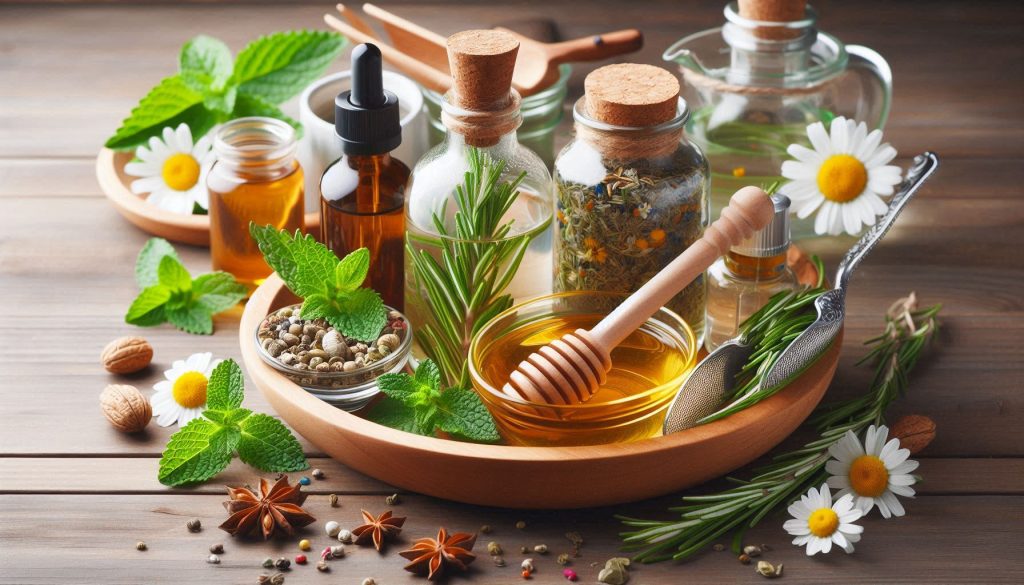
Hair health is influenced by numerous factors: genetics, hormones, nutrition, stress levels, scalp health, and the products used daily. While herbal rinses aren’t magic potions, some herbs contain compounds known to support circulation, reduce inflammation, and nourish the scalp—all of which contribute to healthier, stronger hair. This article will explore three of the most commonly used herbs in hair rinses—rosemary, nettle, and chamomile—examining their properties, the science behind their use, and whether or not you can expect real results. Let’s begin with rosemary, perhaps the most talked-about herb in the natural haircare world today.
1. Rosemary Rinses: Scalp Circulation and Hair Growth Support
Rosemary (Rosmarinus officinalis) is a woody, fragrant herb that has long been associated with improved memory, focus, and circulation. In recent years, it has gained massive popularity for its supposed ability to stimulate hair growth and reduce hair loss. The core theory behind rosemary’s effectiveness lies in its ability to increase blood flow to the scalp. Improved circulation can help nourish hair follicles more efficiently, potentially leading to thicker, healthier hair over time. Rosemary also contains carnosic acid, an antioxidant and anti-inflammatory compound that may help repair nerve damage and rejuvenate follicles.
Some studies have compared rosemary oil to minoxidil, the active ingredient in many FDA-approved hair loss treatments. In one notable study from 2015, participants with androgenetic alopecia (a common form of hair loss) experienced similar results from applying rosemary oil over six months as those who used 2% minoxidil. While this research focused on essential oil and not herbal water rinses, it sparked immense interest in the herb’s topical benefits. Anecdotally, users who regularly rinse their hair with rosemary tea or rosemary-infused water often report reduced shedding, stronger strands, and a healthier-looking scalp.
Beyond growth stimulation, rosemary’s antifungal and antibacterial properties can help manage dandruff and reduce itchiness—common barriers to a healthy scalp environment. However, results are not always consistent. Some users report that rosemary rinses leave their hair dry, frizzy, or unmanageable if used too frequently or without following up with a moisturizing conditioner. For this reason, rosemary rinses are often best used a few times per week, massaged into the scalp and left on to dry naturally or rinsed out after a few minutes.
2. Nettle Rinses: Strengthening and Potential DHT Blocking
Nettle (Urtica dioica), commonly known as stinging nettle, might not be the first plant that comes to mind for hair care—after all, it’s better known for its painful sting when touched in the wild. However, nettle has a long history in traditional medicine for treating inflammation, skin conditions, and hair loss. Rich in vitamins A, C, K, and several B-complex vitamins, nettle also contains iron, silica, and magnesium—all nutrients linked to hair strength and scalp health. As a hair rinse, nettle can help reinforce brittle hair, reduce breakage, and create an overall fuller appearance.
What sets nettle apart is its potential role as a natural DHT (dihydrotestosterone) blocker. DHT is a hormone derivative that contributes significantly to androgenetic alopecia by shrinking hair follicles and shortening the hair growth cycle. Although there is limited clinical evidence directly linking nettle tea rinses to DHT inhibition on the scalp, nettle root extracts have shown potential in blocking the enzyme 5-alpha reductase, which converts testosterone to DHT. This has made nettle a popular ingredient in many natural hair loss supplements and topical products.
When used as a rinse, nettle tea is typically steeped for 30–60 minutes and applied to clean hair. Many users report a refreshing, tingling sensation on the scalp after application, followed by reduced itching, less oil buildup, and improved hair strength over time. As with rosemary, however, nettle can be drying, particularly for individuals with already coarse or brittle hair. It’s recommended to follow up a nettle rinse with a lightweight leave-in conditioner or natural oil like argan or jojoba. Additionally, nettle should be used with caution by individuals who are pregnant or taking medications for blood pressure, diabetes, or fluid retention, due to its potential to interact with certain pharmaceuticals.
3. Chamomile Rinses: Gentle Healing and Natural Brightening
Chamomile (Matricaria chamomilla or Chamaemelum nobile) is well known for its calming effects in teas, but its gentle nature also makes it a favorite ingredient in skin and hair care. As a rinse, chamomile is particularly beneficial for individuals with sensitive scalps, inflammation, or minor irritations like dermatitis or itchiness. Its anti-inflammatory, antimicrobial, and antioxidant properties make it ideal for calming the skin and creating a balanced scalp environment where hair can thrive.
One of chamomile’s most distinctive features is its ability to naturally lighten and brighten hair, particularly blond or light brown shades. Compounds like apigenin and quercetin help bring out golden hues over time when used regularly, especially if the hair is exposed to sunlight following a rinse. While this effect is subtle and gradual, many users appreciate the soft glow and shine chamomile imparts without the harsh chemicals found in commercial lighteners.
From a scientific standpoint, chamomile has also been shown to support skin healing and reduce oxidative stress—two factors that can indirectly benefit hair growth and scalp condition. In one clinical trial, a chamomile-based herbal formulation (along with other herbs like Shirazi thyme) enhanced the effectiveness of minoxidil, leading to greater hair regrowth in patients with alopecia areata. While this doesn’t prove chamomile alone can regrow hair, it does suggest its potential as a valuable supportive treatment.
Chamomile tea rinses are easy to make and apply: steep several tea bags or dried flowers in hot water, allow to cool, and pour over clean hair. This rinse can be left in or rinsed out depending on hair type and preference. Because chamomile is so gentle, it’s generally safe for frequent use—even daily—without the drying effects often associated with rosemary or nettle.
4. Comparative Overview: Choosing the Right Herb for Your Hair Needs
When it comes to herbal rinses, there is no one-size-fits-all solution. The best herb for your hair depends on your specific goals, scalp condition, hair type, and even your sensitivity to certain compounds. Rosemary is ideal for those looking to stimulate growth and reduce thinning, particularly if you’re dealing with hair shedding due to poor circulation or scalp inflammation. Its invigorating properties can help energize the scalp, but it may not be suitable for very dry or delicate hair unless used sparingly or paired with moisturizers.
Nettle is a strong candidate for those aiming to fortify weak or thinning hair and possibly reduce hormonal hair loss through its DHT-blocking potential. Its nutrient-dense composition makes it a good tonic for the scalp, but it requires a bit more caution due to possible medication interactions and drying effects. Chamomile, by contrast, is the gentlest of the three and shines in its ability to calm irritation, reduce inflammation, and subtly enhance hair’s natural highlights—making it a top choice for individuals with sensitive scalps or lighter hair shades.
All three herbs offer unique benefits, and some users choose to combine them into blended rinses for a more holistic effect. For instance, a mix of rosemary and chamomile can balance stimulation with soothing, while nettle and rosemary can form a potent growth-supporting duo. As always with herbal remedies, consistency and patience are key. Visible results may take several weeks to months, and effects will vary based on individual hair biology, overall health, and lifestyle factors.
5. How to Make and Use Herbal Rinses Effectively
Creating an herbal hair rinse at home is both simple and highly customizable. The most common method involves making a strong tea or infusion from dried or fresh herbs, cooling it, and then applying it directly to the scalp and hair after shampooing. For rosemary rinses, take 2 to 4 tablespoons of dried rosemary (or a large handful of fresh sprigs), and steep it in 2–3 cups of boiling water for 30 to 60 minutes. Once cooled, strain the liquid and pour it slowly over clean, damp hair, massaging the scalp thoroughly. Some users leave it in to dry naturally, while others prefer to rinse it out after a few minutes—both methods are acceptable, depending on personal preference and how your hair reacts.
For nettle rinses, follow a similar approach: steep about 2 tablespoons of dried nettle leaves in hot water for an hour, strain, and use the cooled liquid as a final rinse. Because nettle can be a bit drying, many users add a teaspoon of apple cider vinegar or a few drops of moisturizing essential oils like lavender or rosemary to the mix. It’s important to avoid applying the rinse while it’s still hot, as the scalp is sensitive and can be easily irritated.
Chamomile tea rinses are especially easy to prepare—simply steep 3–4 chamomile tea bags (or a tablespoon of dried flowers) in hot water for 20–30 minutes. After cooling, the tea can be used to rinse or spritz hair, especially effective when followed by sun exposure to enhance the brightening effect on lighter hair tones. Chamomile rinses are gentle enough to be used daily, while rosemary and nettle are best applied 2–3 times a week to prevent potential dryness or buildup.
Some people also opt for making herbal hair sprays, storing the infused liquid in spray bottles for convenient daily application directly to the scalp. This allows the herbal properties to remain on the scalp longer without the need to rinse it out. Regardless of application style, consistency is key—regular use over weeks or months is necessary to see noticeable results in hair texture, strength, and scalp health.
6. Scientific Evidence and Limitations
While there is plenty of traditional and anecdotal support for herbal hair rinses, scientific evidence remains limited in scope. Most studies involving herbs like rosemary, nettle, and chamomile tend to focus on essential oil extracts or internal use, rather than topical tea-based rinses. Still, the existing research offers intriguing insights. For example, the aforementioned 2015 study published in Skinmed Journal found that rosemary oil significantly improved hair growth in people with androgenetic alopecia when used consistently over six months. Participants using rosemary oil saw comparable results to those using 2% minoxidil, but without the common side effect of itchy scalp.
For nettle, most scientific interest centers around its internal use as a supplement, especially in the treatment of benign prostatic hyperplasia, due to its potential to inhibit 5-alpha reductase—the enzyme responsible for converting testosterone into DHT. Though promising, research directly linking topical nettle application to hair regrowth is still scarce. Nonetheless, its anti-inflammatory and antioxidant properties suggest it can be a useful addition to a holistic scalp care routine.
Chamomile has perhaps the most extensive research when it comes to anti-inflammatory and skin-soothing benefits. Studies have shown it to be effective in treating conditions like eczema and dermatitis, which supports its role as a calming rinse for irritated or sensitive scalps. Additionally, a 2017 trial combining chamomile with other botanicals enhanced the effectiveness of minoxidil, hinting at its supportive role in more comprehensive treatment plans.
Despite the limited number of large-scale clinical trials focused solely on herbal rinses, the general consensus in both the scientific and holistic communities is that these herbs can be beneficial, especially for maintaining scalp health and reducing minor irritation or inflammation. However, they are not miracle cures. Individuals experiencing significant or sudden hair loss should always consult with a medical professional or dermatologist to identify underlying causes and explore evidence-based treatment options.
7. User Experiences and Anecdotal Evidence
Real-world feedback on herbal hair rinses is overwhelmingly positive—especially from individuals looking for natural, low-cost alternatives to commercial hair products. Online forums like Reddit, hair care blogs, and YouTube channels are filled with testimonials praising the gentle power of these plant-based treatments. A common thread among users is that herbal rinses don’t work overnight, but with patience and consistency, they lead to noticeable improvements in hair texture, scalp comfort, and even regrowth.
Many users who suffer from scalp conditions like seborrheic dermatitis or dandruff report significant relief after using chamomile or rosemary rinses for several weeks. One Reddit user in a scalp health thread shared that applying chamomile tea to her itchy, flaking scalp almost “completely healed” it within a month, after years of irritation caused by commercial shampoos. Similarly, those dealing with hair shedding from stress or postpartum experiences often turn to rosemary tea rinses, noting a reduction in daily shedding and an increase in baby hairs along the hairline after two to three months of use.
Nettle rinse enthusiasts frequently mention stronger, more resilient strands and less oil buildup after switching from commercial conditioners to natural rinses. Some even report thicker hair over time, though they often pair their nettle use with dietary changes or supplements. On the flip side, a few users have experienced dryness or tangling after using rosemary or nettle rinses without conditioning afterward—highlighting the importance of balancing these herbs with moisturizing agents.
The bottom line from user feedback is that results are real, but subtle. Herbal rinses won’t transform thinning hair overnight, but they can greatly enhance the health and appearance of hair when incorporated into a regular routine. Their appeal lies not only in their potential benefits but also in the sense of ritual and self-care they bring to the hair care process—something many users say contributes to their long-term commitment.
8. Final Thoughts: Are Herbal Rinses Worth It?
So, do herbal rinses like rosemary, nettle, and chamomile actually work? The answer is: yes—but with realistic expectations. These natural remedies offer a host of benefits, from improved scalp circulation and reduced inflammation to stronger strands and added shine. They’re affordable, accessible, and easy to prepare, making them a valuable addition to any hair care regimen—especially for those seeking a more holistic approach. However, they are not quick fixes or substitutes for medical treatments when dealing with more serious or hormone-related hair loss issues.
Rosemary is perhaps the most powerful of the trio when it comes to stimulating growth and enhancing follicle health, particularly when paired with scalp massage. Nettle is a strengthening tonic that may help with hormonally driven hair loss when used consistently, and chamomile is the go-to herb for soothing sensitive scalps and brightening light hair. Each herb has a unique profile of benefits, and when used wisely, they can work synergistically to support healthier, more resilient hair.
For best results, users should pay attention to their individual hair and scalp type, apply the rinses consistently over several months, and pair them with other healthy habits like a nutrient-rich diet, stress reduction, and scalp massage. While clinical evidence is still growing, the centuries of traditional use and modern anecdotal success stories make a strong case for including herbal rinses in today’s hair care conversations.
In a world increasingly filled with synthetic products and harsh treatments, returning to the wisdom of nature—via a pot of steeped rosemary, a cup of nettle tea, or a soothing chamomile spritz—may be just what our hair needs. At the very least, these herbs offer a gentle, mindful approach to hair health—and at their best, they can inspire lasting improvements in both hair and scalp well-being.
Conclusion
The resurgence of herbal hair care—particularly through the use of rinses made from rosemary, nettle, and chamomile—is more than just a trend; it’s a return to centuries-old traditions that emphasize gentle, plant-based healing. Each of these herbs offers unique advantages: rosemary for circulation and potential growth stimulation, nettle for strengthening and possible hormonal balance, and chamomile for calming irritation and subtly brightening the hair. While their effects are not instant or dramatic like synthetic treatments, the power of consistency and the cumulative benefits of these herbal rinses can be profound over time.
For many, these rinses serve as a holistic alternative to commercial products laden with chemicals, sulfates, and artificial fragrances. They’re inexpensive, easy to make at home, and come with few side effects when used correctly. More importantly, they allow users to form a deeper, more mindful connection with their hair care routine—one that prioritizes scalp health, natural nourishment, and overall well-being.
Scientific research on these herbs—especially rosemary and chamomile—is growing, though more clinical trials are needed to fully validate their long-term effects. Still, the existing studies, combined with a wealth of traditional wisdom and thousands of real-life testimonials, support their place in modern hair care. While herbal rinses alone may not reverse severe hair loss or genetic conditions, they can significantly contribute to a healthier scalp environment, reduce common scalp issues like dandruff or inflammation, and help maintain strong, vibrant hair.
Ultimately, the value of herbal rinses lies not only in what they do for the hair physically, but in the ritual and care they represent. In a fast-paced world of instant results and overcomplicated beauty routines, something as simple as steeping herbs in hot water and nurturing your scalp can be a powerful act of self-care. So, whether you’re on a journey to restore thinning hair, calm an irritated scalp, or simply explore a more natural approach, incorporating rosemary, nettle, or chamomile into your routine might just be the perfect way to reconnect—with your hair and with nature itself.
SOURCES
Al-Sereiti, M. R., Abu-Amer, K. M., & Sen, P. (1999). Pharmacology of rosemary (Rosmarinus officinalis Linn.) and its therapeutic potentials. Indian Journal of Experimental Biology, 37(2), 124–130.
Panahi, Y., Taghizadeh, M., Marzony, E. T., & Sahebkar, A. (2015). Rosemary oil vs minoxidil 2% for the treatment of androgenetic alopecia: A randomized comparative trial. Skinmed, 13(1), 15–21.
Wagner, H., Wierer, M., & Bauer, R. (1994). In vitro inhibition of leukotriene B4 biosynthesis by essential oils and other plant extracts. Planta Medica, 60(3), 284–287.
Chrubasik, J. E., Roufogalis, B. D., Wagner, H., & Chrubasik, S. (2007). A comprehensive review on the stinging nettle effect and efficacy profiles. Phytomedicine, 14(7–8), 568–579.
Mansourian, M., Khalilzadeh, M., & Bakhshandeh, H. (2017). The effect of combination therapy with Shirazi thyme and chamomile on alopecia areata: A randomized controlled trial. Journal of Dermatological Treatment, 28(8), 733–737.
McKay, D. L., & Blumberg, J. B. (2006). A review of the bioactivity and potential health benefits of chamomile tea (Matricaria recutita L.). Phytotherapy Research, 20(7), 519–530.
HISTORY
Current Version
AUG, 07, 2025
Written By
BARIRA MEHMOOD