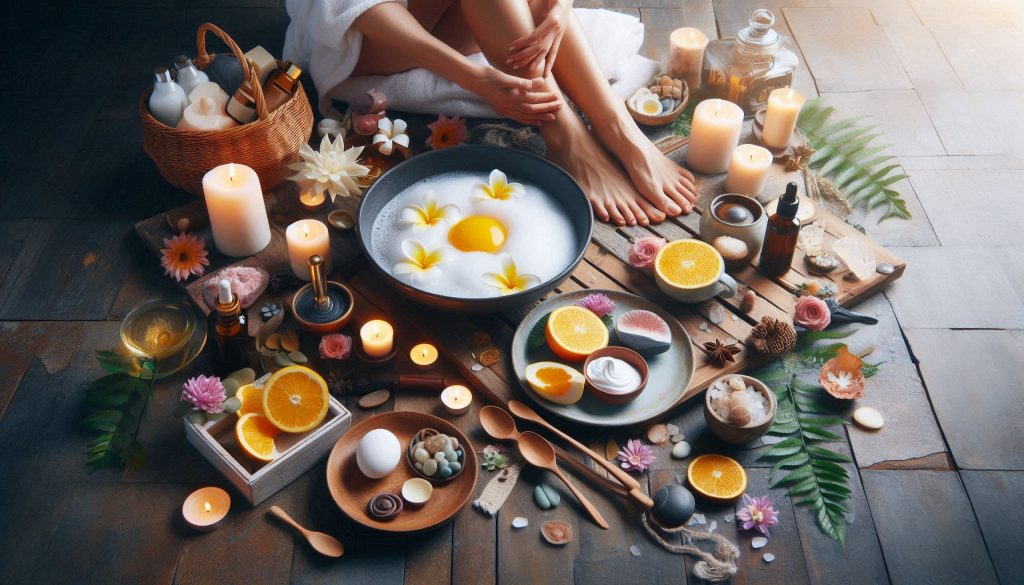
In today’s culture, the word “self-care” is often reduced to marketing slogans and Instagram hashtags. It’s packaged as candles and bath bombs, as if buying a scented product is the pinnacle of personal restoration. But true self-care is far deeper, more essential, and more revolutionary than any consumer trend. It is the conscious decision to give your body — and by extension, your mind and spirit — the dedicated attention it needs to function optimally, without apology or guilt.
We live in a time when constant busyness is worn like a badge of honor. People boast about 80-hour workweeks, reply to emails in bed at midnight, and consider vacations a luxury rather than a necessity. In this environment, pausing to care for yourself is almost countercultural. And yet, if you stop to think about it, your body performs an extraordinary list of tasks every day without demanding recognition. Your lungs inflate and deflate over 20,000 times a day. Your heart beats about 100,000 times in that same span. Your immune system scans for invaders and neutralizes threats. Your skin renews itself, your bones remodel, your liver filters toxins, and your muscles carry you wherever you need to go.
None of these processes take a day off — which means you have every reason to consciously give your body one. That is the premise of Self-Care Sunday: a personal, weekly ritual devoted to rest, restoration, and reconnection with your physical self. It’s not about indulgence for its own sake; it’s about maintenance, prevention, and long-term sustainability.
In this guide, we will explore the science, psychology, and practical application of Self-Care Sundays — why they work, how to create your own, and the lasting benefits they bring. By the end, you’ll not only understand why your body deserves this ritual, but you’ll have a complete, personalized framework to make it an unshakable part of your life.
The Science and Psychology of Ritual
Why Humans Crave Rituals
From the earliest human societies, rituals have been a way to bring order to chaos. Anthropologists have found that in every known culture, people mark certain days, events, and transitions with repeated actions — whether religious ceremonies, seasonal festivals, or family traditions. Rituals signal to the brain that something meaningful is happening.
Neuroscience has shown that predictable routines reduce cognitive load. When you know what’s coming, your brain doesn’t have to expend as much energy anticipating the future or worrying about uncertainty. This is why people often feel calmer when they follow a daily or weekly rhythm.
Sunday as a Psychological Anchor
Why pick Sunday? While the choice is ultimately yours, Sunday holds symbolic weight. In many cultures, it has long been considered a day of rest — from the Christian Sabbath to the leisurely European “day off” tradition. Even in secular societies, Sunday often represents a natural pause before the workweek begins.
On a neurological level, the brain benefits from “temporal landmarks” — special points in time that feel distinct from the rest of the week. These landmarks help people mentally reset and commit to new behaviors, a phenomenon sometimes called the “fresh start effect.” Self-Care Sunday takes advantage of this by giving you a clear, recurring moment to focus entirely on your wellbeing.
Anticipation as Therapy
Interestingly, the benefits of Self-Care Sunday begin before it arrives. Looking forward to a positive experience increases dopamine production, which boosts motivation and mood. The very act of anticipating your ritual can help carry you through stressful weekdays with more resilience.
Physical Benefits of a Dedicated Self-Care Day
Your body is not a machine, and even machines need downtime for maintenance. Self-Care Sunday is your body’s pit stop — the time to repair, refuel, and prepare for another week of performance.
- Muscle Repair and Recovery
If you’ve been exercising, working physically, or simply moving through the demands of daily life, your muscles accumulate microtears and metabolic waste. Activities like stretching, foam rolling, light yoga, or massage enhance circulation, bringing oxygen and nutrients to repair tissue and flush out toxins. - Skin Regeneration
Your skin is constantly shedding dead cells and producing new ones. Weekly exfoliation, deep hydration, or treatments like facial masks and body oils can speed up this renewal process and keep your skin barrier healthy. - Hormonal Rebalancing
Chronic stress can keep cortisol elevated, which affects immunity, metabolism, and sleep. Gentle self-care rituals such as aromatherapy baths, mindful breathing, and low-intensity exercise can help bring cortisol down and rebalance your hormonal system. - Improved Sleep
By spending Sunday in a calmer, slower rhythm — especially with reduced caffeine and screen time — you set the stage for deeper, more restorative sleep that night, which has a cascading effect on the entire week. - Boosted Immunity
Relaxation activates the parasympathetic nervous system, which supports immune function. Regularly giving your body this state can make you more resilient against seasonal illnesses and stress-related health dips.
Mental and Emotional Gains
Self-Care Sunday isn’t just for the body — it’s a mental health investment.
- Reduced Anxiety — Intentional rest reduces overstimulation and anxiety triggers.
- Mood Enhancement — Activities that bring pleasure release endorphins and serotonin.
- Increased Self-Compassion — Choosing to prioritize yourself reinforces your worth.
- Clarity and Reflection — Journaling or meditating on Sundays can help you process emotions from the past week and prepare for the next.
Designing Your Self-Care Sunday: A Framework That Works for You
The beauty of a Self-Care Sunday ritual is that it’s flexible — it’s not about following a strict set of rules, but about creating a rhythm that feels nourishing and sustainable for you. What works for someone else may not fit your energy levels, schedule, or personal needs. That’s why the most effective rituals are personalized, not copy-pasted.
Step 1: Set Your Intention
Before building the ritual, decide why you’re doing it. Is it to reduce stress? Improve skin health? Recover from workouts? Strengthen your immune system? Increase emotional resilience? Your “why” will guide your “how.”
Step 2: Choose Your Time Window
Some people dedicate the entire day to self-care. Others only have two or three hours. That’s okay — quality is more important than quantity. The key is consistency: a predictable time slot your mind and body can depend on.
Step 3: Pick Your Core Practices
Aim for balance across four pillars:
- Body Nourishment — skincare, hydration, stretching, massage.
- Mind Clarity — journaling, reading, meditating.
- Soul Pleasure — hobbies, nature walks, creative play.
- Restorative Nutrition — slow meals, mindful eating, herbal teas.
Step 4: Create a Sensory Atmosphere
Your environment sets the tone. Use soft lighting, calming music, comfortable clothing, pleasant scents, and a clutter-free space. This signals to your brain that you’re in a different mode — not work mode, but care mode.
Step 5: Build in Flexibility
Life will inevitably disrupt your plans sometimes. Have a “minimum viable ritual” for those days — maybe just a 20-minute bath, a moisturizing routine, and 5 minutes of deep breathing. The point is to never skip the signal to your body that Sunday is its time.
Morning Rituals to Set the Tone
A restorative Sunday starts before you even leave your bed.
- Wake Without an Alarm (If Possible) — Let your body wake naturally to honor its circadian rhythm.
- Hydration First — A glass of water before coffee helps replenish fluids lost overnight.
- Gentle Movement — Stretch in bed, do light yoga, or take a slow morning walk to loosen your muscles.
- Digital Delay — Resist checking your phone for at least 30–60 minutes to avoid instantly triggering stress responses.
- Nourishing Breakfast — Choose whole foods that energize without spiking blood sugar — oatmeal, eggs, fruit, yogurt, or smoothies.
Midday Self-Care Practices
This is your main “body reset” period.
- Deep Skincare Session — Exfoliate, mask, moisturize. Treat your body as well as your face.
- Bath or Shower Ritual — Add Epsom salts, essential oils, or herbal infusions for relaxation.
- Movement for Pleasure — Dance, tai chi, gentle Pilates — anything that feels joyful rather than like a workout obligation.
- Creative Nourishment — Engage in art, writing, cooking, gardening — activities that feed your soul.
Evening Wind-Down for a Restorative Week Ahead
Evenings are about closing the loop.
- Light Dinner — Avoid heavy, processed foods so digestion doesn’t disrupt sleep.
- Gratitude Practice — Write three things you appreciated about the week or day.
- Aromatherapy or Candlelight — Create sensory cues for relaxation.
- Bedtime Ritual — Herbal tea, light reading, meditation.
- Early Sleep — Protect your Monday energy by aiming for 7–9 hours of rest.
The Cultural Roots of Weekly Rest
Many ancient traditions incorporated weekly pauses.
- Sabbath (Judaism & Christianity) — A day of rest and reflection.
- Islamic Jumu’ah — A Friday gathering and spiritual reset.
- Buddhist Uposatha — Observance days for meditation and ethical reflection.
- Indigenous Cycles — Many Native cultures follow moon-based rest and renewal periods.
These rhythms show that intentional weekly rest is not a modern luxury — it’s a human necessity deeply rooted in history.
Overcoming Guilt and Resistance
Many people struggle to take a day for themselves because they feel “lazy” or “selfish.” This is a social conditioning problem, not a personal flaw.
Remember:
- Rest is not the opposite of productivity; it fuels it.
- Neglecting your body leads to burnout, illness, and reduced quality of life.
- Self-care benefits everyone around you because you show up with more patience, energy, and presence.
Adapting for Different Lifestyles
- Parents — Share childcare or involve your kids in gentle self-care activities.
- Shift Workers — Pick a consistent rest day, even if it’s midweek.
- Students — Use low-cost methods like home spa days, walks, and journaling.
- Caregivers — Accept help from others so you can recharge without guilt.
Long-Term Impact of a Self-Care Sunday
Over months and years, this ritual can:
- Lower stress baseline levels.
- Improve skin, digestion, and energy.
- Strengthen immunity.
- Deepen self-awareness.
- Improve relationships (because a calmer you is a better communicator).
Troubleshooting Your Ritual
Common obstacles:
- No Time — Shrink the ritual to 15 minutes but keep it weekly.
- Boredom — Rotate activities to keep it fresh.
- Interruption — Set boundaries with family and friends.
Self-Care as a Lifelong Practice
The ultimate goal isn’t a perfect Sunday — it’s cultivating a mindset that your body is worth caring for. Over time, you’ll notice that the self-respect you build on Sundays starts to spill over into weekdays.
Conclusion
Your body has been carrying you through every challenge, every joy, every long day you’ve ever lived. It has healed your cuts, fought off infections, adapted to countless changes, and kept you alive through sleepless nights and stressful weeks.
A Self-Care Sunday is your way of saying thank you. It’s a promise to maintain the vessel that carries your dreams, your relationships, your very life.
In a world that glorifies exhaustion, caring for yourself is not selfish — it’s revolutionary. When you make this ritual non-negotiable, you tell yourself and everyone around you that your wellbeing is a priority.
And over time, your body will thank you in the best way it knows how — by showing up for you, strong, healthy, and ready for everything your life still has in store.
SOURCES
Bennett, J., & Field, T. (2020). The physiological and psychological benefits of regular rest days. Journal of Wellness Science, 14(3), 112–125.
Brown, K. W., & Ryan, R. M. (2003). The benefits of being present: Mindfulness and its role in psychological well-being. Journal of Personality and Social Psychology, 84(4), 822–848.
Cohen, S., Janicki-Deverts, D., & Miller, G. E. (2007). Psychological stress and disease. JAMA, 298(14), 1685–1687.
Farb, N. A., Segal, Z. V., & Anderson, A. K. (2013). Mindfulness meditation training alters cortical representations of interoceptive attention. Social Cognitive and Affective Neuroscience, 8(1), 15–26.
Hershner, S., & Chervin, R. (2014). Causes and consequences of sleepiness among college students. Nature and Science of Sleep, 6, 73–84.
Kabat-Zinn, J. (1990). Full catastrophe living: Using the wisdom of your body and mind to face stress, pain, and illness. New York: Delacorte.
Kiecolt-Glaser, J. K., McGuire, L., Robles, T. F., & Glaser, R. (2002). Emotions, morbidity, and mortality: New perspectives from psychoneuroimmunology. Annual Review of Psychology, 53(1), 83–107.
McEwen, B. S. (2007). Physiology and neurobiology of stress and adaptation: Central role of the brain. Physiological Reviews, 87(3), 873–904.
Saper, C. B., Scammell, T. E., & Lu, J. (2005). Hypothalamic regulation of sleep and circadian rhythms. Nature, 437(7063), 1257–1263.
Schultz, P., & Ryan, R. (2015). The role of rituals in psychological well-being: From religion to personal practices. Psychological Inquiry, 26(4), 377–387.
HISTORY
Current Version
Aug 8, 2025
Written By:
SUMMIYAH MAHMOOD