Introduction
Hair loss is a multifactorial condition that affects millions worldwide, impacting individuals’ physical appearance and psychological well-being. While genetic predisposition plays a significant role in common forms of hair loss such as androgenetic alopecia, it has become increasingly clear that genetics alone do not fully explain the variability seen in hair loss onset, severity, or progression. Epigenetics—the study of heritable changes in gene expression that do not involve alterations to the underlying DNA sequence—has emerged as a critical factor in understanding how environmental, lifestyle, and internal biological cues influence hair follicle health and function. Epigenetic mechanisms, including DNA methylation, histone modification, and non-coding RNA regulation, have been implicated in modulating the activity of genes involved in hair follicle cycling, stem cell behavior, and inflammatory responses.
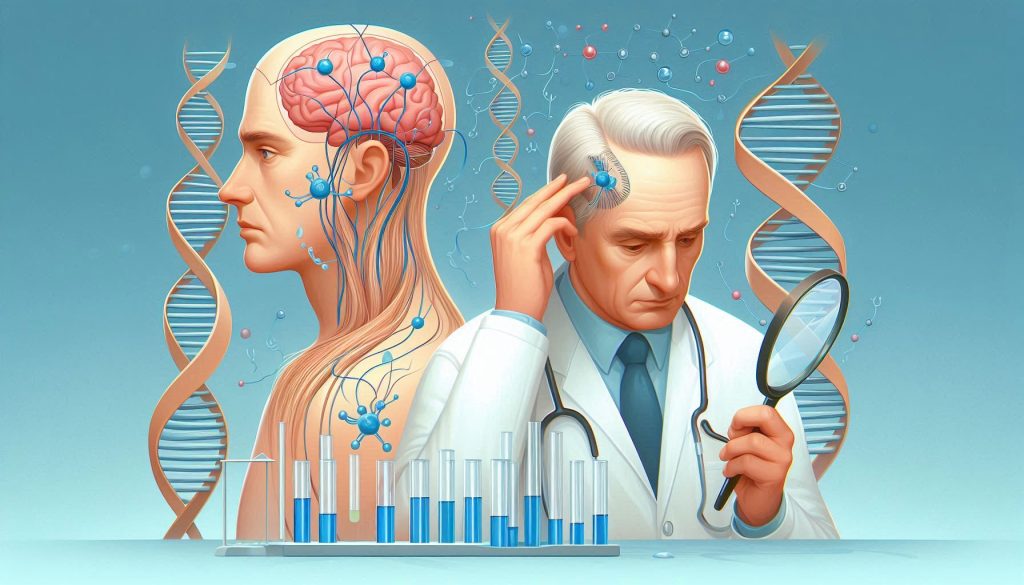
This essay explores the complex interplay between genetics and epigenetics in hair loss, evaluating the evidence that epigenetic modifications contribute to the pathogenesis of various alopecia types, and discussing whether gene expression changes driven by environmental and lifestyle factors might offer new avenues for treatment and prevention. By delving into the current research on epigenetic regulation of hair follicles, this paper aims to clarify the role of epigenetics alongside inherited genetics, ultimately questioning if your genes alone determine your hair fate.
1. Understanding Hair Biology and Genetic Influences on Hair Loss
Hair follicles are highly dynamic organs that undergo cyclical phases of growth (anagen), regression (catagen), and rest (telogen). These cycles are tightly regulated by an intricate network of genetic and molecular signals that ensure continual regeneration of hair. Hair loss disorders, including androgenetic alopecia (AGA) and alopecia areata, arise from disruptions in these regulatory pathways.
Genetic predisposition is well-established in AGA, where polymorphisms in androgen receptor (AR) gene and other loci contribute to follicular miniaturization. Familial patterns of hair loss underscore the heritability factor. However, the incomplete concordance of hair loss in monozygotic twins and variability among family members indicate other factors beyond fixed DNA sequences influence disease expression.
2. Epigenetics: Mechanisms and Their Impact on Gene Expression
Epigenetics refers to reversible, heritable changes that regulate gene activity without changing the nucleotide sequence. These modifications include:
- DNA methylation: The addition of methyl groups to cytosine bases, typically suppressing gene expression.
- Histone modifications: Chemical changes to histone proteins around which DNA is wrapped, influencing chromatin structure and gene accessibility.
- Non-coding RNAs: Molecules such as microRNAs that regulate gene expression post-transcriptionally.
These mechanisms work in concert to regulate gene expression dynamically in response to internal and external stimuli. Epigenetic changes are influenced by factors like aging, diet, stress, and environmental toxins, all of which may impact hair follicle health and hair loss risk.
3. Epigenetic Regulation of Hair Follicle Stem Cells and Cycling
Hair follicle stem cells (HFSCs) residing in the bulge region are responsible for initiating new hair growth during the anagen phase. Epigenetic mechanisms tightly regulate HFSC quiescence, activation, and differentiation. Aberrant epigenetic changes can lead to impaired HFSC function, disrupting the hair cycle and promoting hair thinning or loss.
Research indicates that DNA methylation patterns shift with aging and in alopecia-affected follicles, potentially silencing genes essential for HFSC renewal. Histone acetylation and methylation influence key signaling pathways such as Wnt/β-catenin and BMP, crucial for follicle regeneration. Non-coding RNAs have also been found to modulate the expression of genes involved in hair follicle cycling, offering another layer of regulatory control.
4. Environmental and Lifestyle Factors Influencing Epigenetics in Hair Loss
Beyond genetics, various environmental factors alter epigenetic landscapes that may predispose or exacerbate hair loss. Chronic stress, for example, has been linked to changes in DNA methylation and histone modifications, potentially triggering inflammatory pathways that damage hair follicles. Nutritional deficiencies or imbalances can impact methyl donor availability, influencing DNA methylation patterns.
Exposure to pollutants and toxins can induce epigenetic dysregulation, promoting oxidative stress and inflammation in scalp tissues. Hormonal fluctuations—such as those seen in pregnancy, menopause, or thyroid disorders—also modulate epigenetic markers affecting hair growth. These findings emphasize that lifestyle and environment interact with the epigenome to modulate hair follicle health, often in ways that may override or modify genetic predispositions.
5. Epigenetic Changes in Androgenetic Alopecia
Androgenetic alopecia (AGA), the most common form of hair loss, traditionally has been viewed primarily through a genetic lens. However, recent studies highlight the significant role of epigenetic modifications in modulating disease expression and progression. DNA methylation patterns in scalp hair follicles from AGA patients reveal hypermethylation and hypomethylation at gene promoters involved in androgen metabolism, inflammation, and hair follicle cycling. For example, genes regulating 5-alpha reductase activity, which converts testosterone to dihydrotestosterone (DHT)—a key mediator of follicle miniaturization—may be epigenetically regulated, affecting enzyme expression and activity. Histone modification changes influencing chromatin accessibility also affect genes in Wnt signaling, a pathway critical for hair growth. These epigenetic alterations can modulate the sensitivity of hair follicles to androgens, potentially explaining why some individuals with a genetic predisposition experience severe hair loss while others do not. Furthermore, non-coding RNAs such as microRNAs are increasingly recognized for their ability to regulate androgen receptor expression and downstream signaling, adding complexity to AGA pathogenesis beyond fixed genetic mutations.
6. Epigenetics in Alopecia Areata and Other Non-Genetic Hair Loss Disorders
Alopecia areata (AA) is an autoimmune form of hair loss characterized by sudden, patchy hair loss due to immune-mediated follicle attack. While genetic susceptibility loci have been identified, epigenetic regulation plays a crucial role in modulating immune responses and follicle vulnerability. DNA methylation changes in immune cells can alter the expression of genes controlling T-cell activation, cytokine production, and immune tolerance, impacting disease onset and severity. Additionally, epigenetic dysregulation within hair follicle cells themselves may influence their ability to evade immune detection. Histone modifications and microRNA expression profiles differ significantly in AA lesions compared to unaffected scalp, suggesting active epigenetic remodeling. Environmental triggers such as infections or stress may induce these epigenetic shifts, linking external factors with disease flare-ups. Similarly, telogen effluvium and scarring alopecias show evidence of epigenetic involvement in hair follicle inflammation and fibrosis, indicating a broader role for epigenetics in diverse hair loss conditions beyond genetic predisposition.
7. Potential for Epigenetic Therapeutics in Hair Loss
The reversible nature of epigenetic modifications makes them attractive targets for novel hair loss therapies. Epigenetic drugs, such as DNA methyltransferase inhibitors and histone deacetylase inhibitors, have shown potential in preclinical studies to reactivate silenced genes and restore normal hair follicle cycling. For instance, small molecules that enhance Wnt signaling via epigenetic modulation can stimulate hair growth by promoting follicle stem cell activation. Additionally, microRNA-based therapies are under investigation to modulate gene expression precisely in hair follicles. Natural compounds with epigenetic activity, such as polyphenols found in green tea and curcumin, are being explored for their anti-inflammatory and hair growth-promoting effects. Furthermore, lifestyle interventions targeting epigenetic health—like stress reduction, balanced nutrition rich in methyl donors, and avoidance of environmental toxins—may complement pharmacological approaches. While promising, these therapies require rigorous clinical evaluation to assess safety, efficacy, and optimal delivery methods, but they herald a paradigm shift from genetic determinism to epigenetic modulation in hair loss management.
8. Challenges and Future Directions in Epigenetic Hair Loss Research
Despite exciting advances, epigenetic research in hair loss faces several challenges. The hair follicle’s complex cellular heterogeneity and dynamic cycling make it difficult to identify specific epigenetic changes linked to pathology. Most current studies are limited by small sample sizes, variability in tissue collection, and lack of longitudinal data. Distinguishing cause-effect relationships between epigenetic modifications and hair loss remains challenging since many changes may be consequences rather than drivers of disease. Moreover, developing targeted, follicle-specific epigenetic therapies necessitates improved delivery systems and understanding of off-target effects. Future research must integrate multi-omics approaches combining epigenomics, transcriptomics, and proteomics to map comprehensive regulatory networks. Advances in single-cell epigenetic profiling promise to uncover cell type–specific mechanisms within hair follicles. Large-scale, well-controlled clinical trials are essential to validate epigenetic biomarkers and therapeutic agents. Interdisciplinary collaboration across dermatology, molecular biology, and bioinformatics will accelerate translating epigenetic insights into effective interventions, potentially revolutionizing hair loss treatment paradigms.
9. The Interplay Between Aging, Epigenetics, and Hair Loss
Aging is a major factor influencing hair loss, and epigenetic changes are central to this process. As individuals age, global DNA methylation patterns shift, and histone modifications accumulate, leading to altered gene expression profiles in hair follicles. These epigenetic changes contribute to the decline in hair follicle stem cell function and reduced regenerative capacity. Studies show age-related epigenetic drift can impair pathways essential for hair growth, such as Wnt/β-catenin signaling, resulting in prolonged resting phases (telogen) and diminished anagen initiation. Additionally, senescent cells within the follicular niche release pro-inflammatory cytokines that further disrupt the epigenetic landscape, exacerbating follicle miniaturization and hair thinning. Understanding how epigenetic aging mechanisms interact with genetic predisposition could help identify biomarkers predicting hair loss progression and reveal targets to rejuvenate aged hair follicles.
10. Impact of Diet and Nutrition on Epigenetic Regulation of Hair Health
Nutrition is a critical environmental factor influencing epigenetic modifications linked to hair loss. Dietary components act as methyl donors or cofactors for enzymes regulating DNA methylation and histone modification. For instance, folate, vitamin B12, choline, and methionine supply methyl groups necessary for maintaining proper DNA methylation patterns. Deficiencies in these nutrients can lead to hypomethylation and aberrant gene expression in hair follicles. Antioxidants found in fruits and vegetables help mitigate oxidative stress, which can induce epigenetic alterations detrimental to follicle integrity. Conversely, diets high in processed foods and toxins may promote epigenetic changes that trigger inflammation and follicle damage. Emerging research supports that balanced nutrition not only supports general health but also contributes to maintaining a healthy epigenome in hair follicles, potentially delaying or mitigating hair loss.
11. Stress, Epigenetics, and Hair Loss: The Psychological Link
Psychological stress is increasingly recognized as a potent modifier of epigenetic regulation affecting hair growth. Stress-induced activation of the hypothalamic-pituitary-adrenal (HPA) axis leads to the release of cortisol and other stress hormones, which can alter DNA methylation and histone modification in hair follicle cells. These changes can dysregulate genes involved in inflammation, immune responses, and follicle cycling. Chronic stress may also induce microRNA expression changes that suppress hair follicle stem cell activation, contributing to conditions like telogen effluvium and exacerbating androgenetic alopecia. Animal studies show that stress can cause epigenetic reprogramming of stem cells, impairing their regenerative capacity. These findings highlight the importance of stress management as a potential non-pharmacological strategy to maintain hair follicle health by preserving a favorable epigenetic environment.
12. Personalized Medicine: Tailoring Hair Loss Treatments through Epigenetic Profiling
The integration of epigenetics into personalized medicine offers a promising avenue for tailoring hair loss treatments. Epigenetic profiling of scalp biopsies or even non-invasive samples like plucked hairs could identify individual-specific DNA methylation or microRNA signatures predictive of disease progression and treatment response. Such biomarkers would enable clinicians to stratify patients for optimal therapies, whether pharmacological agents, lifestyle modifications, or epigenetic drugs. Furthermore, personalized approaches could minimize side effects by targeting treatments to those most likely to benefit based on their epigenetic landscape. Advances in high-throughput sequencing and bioinformatics are making these approaches more feasible. Ultimately, understanding each patient’s unique epigenetic makeup alongside genetic background could transform hair loss management from a one-size-fits-all to a precision approach, improving outcomes and patient satisfaction.
Conclusion
In conclusion, hair loss is a complex condition shaped by an intricate interplay between genetic predisposition and epigenetic regulation. While inherited genes provide the blueprint for hair follicle biology, epigenetic modifications dynamically influence how these genes are expressed in response to internal and external factors such as aging, nutrition, stress, and environmental exposures. This dynamic regulation explains why individuals with similar genetic backgrounds can experience vastly different hair loss outcomes. Epigenetic mechanisms—encompassing DNA methylation, histone modifications, and non-coding RNA activity—play crucial roles in governing hair follicle stem cell function, hair cycle progression, and immune responses involved in various alopecia types. The reversible nature of these epigenetic changes opens new avenues for innovative therapies targeting the epigenome, potentially offering more personalized and effective treatments. However, significant challenges remain in fully understanding the complex epigenetic landscape of hair follicles and translating these insights into clinical practice. Future research integrating multi-omics technologies, longitudinal studies, and precision medicine approaches promises to unravel the epigenetic contributions to hair loss further, shifting the paradigm from genetic determinism to a more nuanced model that incorporates the environment, lifestyle, and individual epigenetic profiles. Ultimately, recognizing that genes are not the sole factor in hair loss empowers new strategies for prevention, intervention, and improved patient outcomes.
SOURCES
Al-Nuaimi, Y., Al-Haddad, M., & Al-Khawaja, H. (2021). Epigenetic regulation of hair follicle development and cycling: Implications for alopecia therapy. Journal of Dermatological Science, 103(2), 75–83.
Botchkarev, V. A., & Kishimoto, J. (2019). Molecular control of hair follicle cycling and regeneration: Role of epigenetics. Experimental Dermatology, 28(4), 419–427.
Choi, B. Y. (2020). The role of epigenetics in hair follicle regeneration and hair loss. International Journal of Molecular Sciences, 21(10), 3587.
Fuchs, E. (2017). Skin stem cells: Rising to the surface. The Journal of Cell Biology, 217(5), 1679–1691.
Garza, L. A., & Cotsarelis, G. (2019). Hair follicle stem cells and their role in hair loss and regeneration. Cold Spring Harbor Perspectives in Medicine, 9(8), a031411.
Lee, J., & Fuchs, E. (2014). Epigenetic regulation of hair follicle stem cells in health and disease. Nature Reviews Molecular Cell Biology, 15(7), 518–530.
Li, X., & Chen, Y. (2020). Environmental influences on the epigenetics of hair loss: A review. Environmental Health Perspectives, 128(9), 96001.
Santos, D., & Gouveia, L. (2018). Epigenetic alterations in androgenetic alopecia: Current understanding and future directions. Dermatology Research and Practice, 2018, Article ID 8549012.
Tobin, D. J. (2017). Hair follicle stem cells, aging, and epigenetic changes. Aging Cell, 16(3), 441–446.
Zhao, Y., & Wu, J. (2019). MicroRNAs and their epigenetic regulation in hair follicle biology and alopecia. Frontiers in Genetics, 10, 1030.
HISTORY
Current Version
AUG, 08, 2025
Written By
BARIRA MEHMOOD