Introduction
Hair thinning is a widespread issue affecting both men and women, with causes ranging from genetics and hormonal imbalances to stress and nutritional deficiencies. While some turn to topical treatments like minoxidil or oral medications such as finasteride, these solutions can come with side effects and varying levels of effectiveness. In recent years, red light therapy, also known as low-level laser therapy (LLLT), has gained popularity as a non-invasive, drug-free approach for combating hair thinning. Initially used for wound healing and skin rejuvenation, red light therapy is now being investigated—and increasingly endorsed—for its potential to stimulate hair regrowth, improve hair density, and slow down the progression of hair loss. But can it actually reverse thinning hair? To answer this question, we must explore how it works, what the clinical evidence says, and what kind of results real users have experienced.
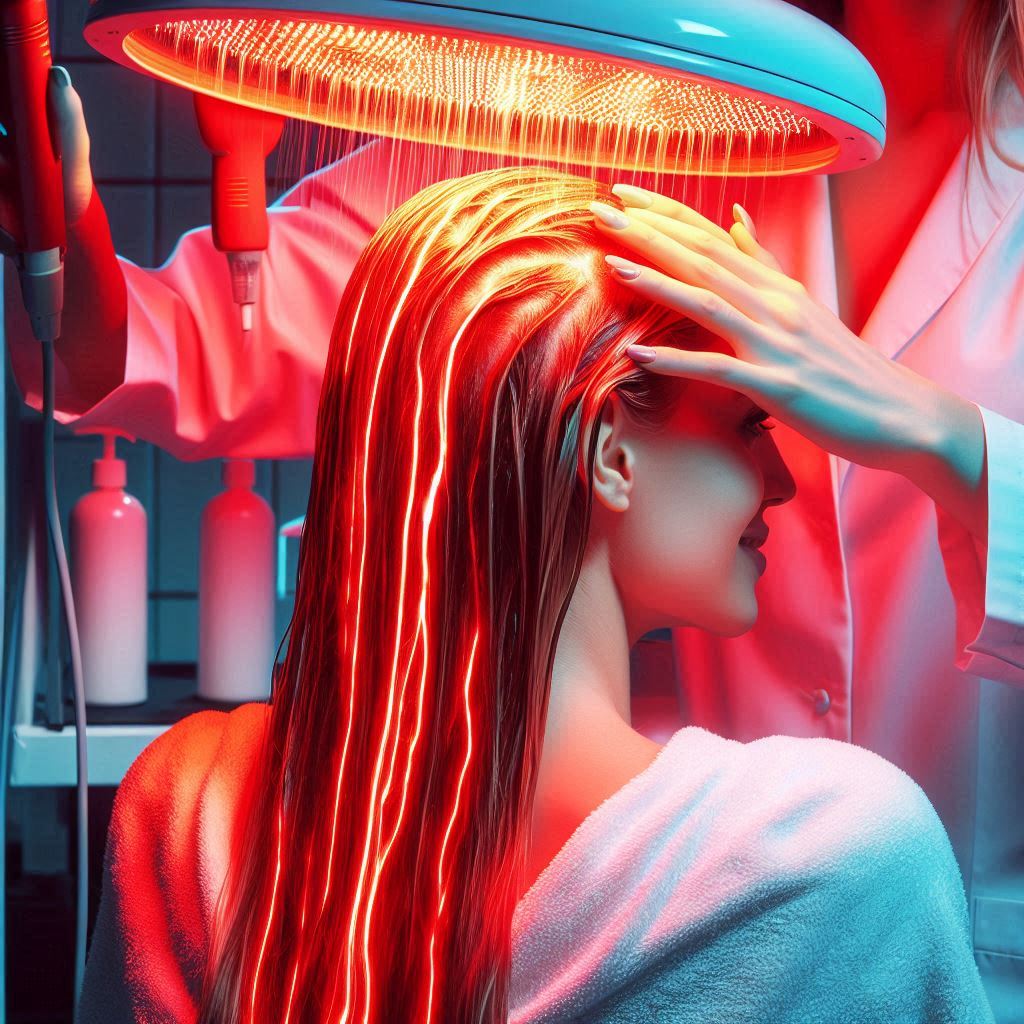
1. Understanding the Science Behind Red Light Therapy
Red light therapy works through a biological process called photobiomodulation, where specific wavelengths of red and near-infrared light (typically between 630 to 850 nanometers) penetrate the skin and interact with cells at the mitochondrial level. The primary target is cytochrome c oxidase, an enzyme in the mitochondrial respiratory chain. When this enzyme absorbs red light, it leads to an increase in the production of adenosine triphosphate (ATP)—the cell’s main energy source. This boost in cellular energy improves the function of various cell types, including those involved in the hair growth cycle.
The hair growth cycle has three main phases: anagen (growth), catagen (transitional), and telogen (resting). In individuals with thinning hair, follicles often shrink and spend more time in the telogen phase, producing thinner, weaker hairs. Red light therapy has been shown to prolong the anagen phase, shorten the telogen phase, and stimulate dormant follicles back into activity. Additionally, red light improves blood circulation to the scalp, increases oxygen and nutrient delivery, and may reduce scalp inflammation, all of which contribute to a healthier environment for hair to grow. The result is often thicker, stronger, and more densely packed hair in areas affected by thinning.
2. Evidence from Clinical Trials and Studies
The science behind red light therapy is promising, but what does actual research say about its effectiveness in reversing hair thinning? A growing body of clinical studies and peer-reviewed trials supports the use of LLLT for hair regrowth. One of the most notable studies published in Lasers in Surgery and Medicine (2014) involved a randomized, double-blind, placebo-controlled trial in which participants used a 655 nm red light laser cap for 25 minutes every other day. After 16 weeks, subjects saw a 39% increase in hair density compared to the placebo group, with minimal side effects.
Another systematic review and meta-analysis published in 2017 analyzed results from multiple studies and found that red light therapy significantly improved hair count, thickness, and scalp coverage in both men and women with androgenetic alopecia. Furthermore, a study comparing LLLT to topical minoxidil found that red light therapy was equally or more effective in promoting hair growth—without the risk of systemic side effects or skin irritation.
Importantly, studies have also shown that the earlier red light therapy is introduced, the better the outcome. Patients with mild to moderate hair thinning tend to see more substantial results than those with severe or prolonged hair loss, where follicles may already be inactive or destroyed. However, even in advanced cases, red light therapy has been reported to slow down further hair loss and improve the overall appearance of hair.
3. Real-World Outcomes: User Experiences and Limitations
Beyond clinical trials, user feedback and anecdotal evidence offer valuable insights into how red light therapy performs in everyday life. Many users report noticeable results after three to six months of consistent use. These include thicker hair strands, reduced hair shedding, and visible regrowth of baby hairs, particularly along the hairline and crown. Some users also combine red light therapy with other treatments like minoxidil, finasteride, microneedling, or PRP (platelet-rich plasma) to accelerate results.
However, it’s important to note that results vary widely depending on factors such as age, the underlying cause of hair loss, device quality, and consistency of use. Some people may not respond significantly to red light therapy, especially if their hair follicles are completely dormant or scarred. Additionally, some users report initial shedding in the first few weeks—a sign that hair is transitioning from the resting phase to the growth phase, which is actually a positive indicator. Nevertheless, patience is crucial, as red light therapy is not a quick fix but a gradual, cumulative treatment.
There are also limitations in terms of expectations. While red light therapy can reverse thinning to a certain extent, especially in active follicles, it is unlikely to restore a completely bald scalp to full coverage. It’s best viewed as a tool for early intervention and hair maintenance, not a miracle cure. Despite these limitations, the relatively low cost (compared to transplants), safety profile, and ease of use make it a compelling option for many.
4. Practical Protocols, Devices, and Safety Considerations
If you’re considering red light therapy for hair thinning, it’s important to understand how to use it properly, which devices are effective, and what safety measures to follow. Devices come in various forms: laser caps, helmets, combs, wands, and brushes. Laser caps and helmets tend to offer more consistent coverage for the entire scalp, while combs and brushes are useful for targeting specific areas. Leading FDA-cleared brands include HairMax, iRestore, Capillus, and Kiierr, among others. When selecting a device, look for those offering wavelengths between 630–850 nm, as this range has been shown to penetrate effectively into the scalp.
The general recommendation for usage is three to five sessions per week, lasting 10 to 30 minutes each, depending on the device. It’s important to be consistent—results typically begin to appear after 8–12 weeks, with full benefits visible at 6 to 12 months. Skipping treatments or inconsistent use may hinder progress.
As for safety, red light therapy is considered very safe and non-invasive. Side effects are rare but may include temporary scalp redness, warmth, dryness, or mild irritation—especially during early use. Wearing eye protection is advised when using high-powered laser devices to avoid potential retinal exposure. Unlike pharmaceutical treatments, red light therapy has no systemic side effects and does not interfere with hormones, making it an appealing choice for both men and women, including those with underlying health conditions.
Additionally, red light therapy can be safely used in conjunction with other treatments, such as topical oils, scalp massages, minoxidil, or even after hair transplants to support healing and enhance follicular activation. As more consumer-grade devices become available, red light therapy is also becoming increasingly accessible and affordable—a far cry from the exclusive clinic-based treatments of the past decade.
5. Combining Red Light Therapy with Other Treatments
While red light therapy shows promise on its own, many experts and users find the most success when it is combined with other hair restoration treatments. Since hair thinning is typically a multifactorial issue involving genetics, hormones, scalp health, and inflammation, a multi-pronged approach often delivers the best results. Among the most common pairings is the use of topical minoxidil (commonly known as Rogaine) alongside LLLT. Minoxidil increases blood flow and stimulates follicles, while red light therapy enhances mitochondrial activity—creating a synergistic effect that boosts regrowth potential.
Another popular combination is microneedling and red light therapy. Microneedling, typically done with a dermaroller or dermapen, creates micro-injuries on the scalp that stimulate collagen production and open microchannels in the skin. When followed by red light therapy, the penetration of light is believed to be more efficient, and the overall regenerative response is enhanced. This pairing has become popular among DIY hair restoration enthusiasts as well as in clinical practices.
Finasteride, an oral DHT-blocker, is another medication often used with LLLT, especially for men. While finasteride works hormonally to reduce the miniaturization of hair follicles caused by dihydrotestosterone (DHT), red light therapy works locally to improve follicle health. Used together under medical supervision, they may help stop further thinning and promote regrowth.
Other adjunctive treatments include platelet-rich plasma (PRP) therapy, scalp massages, essential oils, anti-inflammatory shampoos, and even nutritional support such as biotin, collagen, and zinc. Overall, red light therapy can be the cornerstone of a holistic hair restoration regimen, acting as a safe and supportive base that enhances other methods.
6. Myths and Misconceptions About Red Light Therapy
As with any emerging health technology, red light therapy is surrounded by misinformation and exaggerated claims. One common myth is that red light therapy can regrow hair on a completely bald scalp. This is misleading. While LLLT can stimulate dormant follicles, it cannot resurrect dead or scarred follicles where the hair-generating structures are permanently destroyed. It’s most effective on active but miniaturized follicles, often seen in early-to-moderate hair thinning.
Another misconception is that more light equals faster results. In reality, red light therapy follows the biphasic dose response, where too little or too much stimulation may yield suboptimal outcomes. Overuse can potentially fatigue the cells or cause irritation, so following recommended protocols—such as 3–5 sessions a week for 15–30 minutes—is crucial.
Some also believe red light therapy is unsafe or causes cancer due to its classification as a “laser” treatment. This is untrue. The lasers or LEDs used in LLLT are non-ionizing, meaning they do not damage DNA or emit radiation harmful to cells. In fact, the safety profile of red light therapy is among the best in the cosmetic and dermatological field, especially when used properly and with FDA-cleared devices.
Finally, there’s a myth that if you stop using red light therapy, all hair gains will immediately reverse. While continued use is recommended to maintain results, the improvements gained are not always lost right away. Think of it like going to the gym—consistency maintains gains, but short breaks may not undo everything.
7. Device Comparison: Helmets, Combs, Caps, and Clinics
There’s a wide variety of red light therapy devices on the market, ranging in size, power, design, and price. Choosing the right device can significantly affect your experience and results. The four main types are laser helmets, LED caps, handheld combs, and in-clinic machines.
Laser helmets and LED caps are the most popular choices for at-home use. They provide full scalp coverage and are ideal for people with diffuse thinning. Brands like HairMax, Kiierr, iRestore, Capillus, and Theradome are FDA-cleared and offer wavelengths in the effective 630–850 nm range. Some use lasers for deeper penetration, while others use LEDs, which are more diffuse but still effective. Helmets tend to offer more even light distribution, while caps are portable and discreet.
Handheld combs and wands, such as the HairMax LaserComb, are less expensive and provide targeted therapy. These are a good option for spot treatment (like receding hairlines or temples) but require manual use, which can be time-consuming. Still, they are suitable for users on a budget or those wanting to test LLLT before investing in a full device.
In-clinic laser systems often use more powerful professional-grade lasers, offering shorter treatment times and stronger results—but at a higher cost. These sessions can cost $50–$200 per visit, and a full course may require 12–24 sessions. For some users, this offers a jumpstart before transitioning to at-home maintenance.
When comparing devices, consider the following:
- Wavelength: Should be in the 630–850 nm range.
- Power Output: Measured in mW/cm². Higher outputs may penetrate deeper but need safety checks.
- Coverage Area: Full caps or helmets cover more ground; combs target specific zones.
- Session Time: Varies from 10 to 30 minutes depending on power.
- Comfort & Convenience: Hands-free devices are easier to stick with long-term.
Ultimately, the best device is the one you’ll actually use consistently, as adherence is the most important factor in success.
8. Long-Term Expectations and Maintenance
One of the most important aspects of red light therapy is understanding the realistic timeline and maintenance expectations. Unlike fast-acting drugs or cosmetic procedures, red light therapy takes time—visible results usually begin around the 8–12 week mark, with peak benefits appearing at 6 to 12 months. The changes are gradual: reduced shedding first, then thicker strands, followed by new hair growth in areas where follicles are still viable.
It’s also important to view red light therapy as a long-term commitment rather than a one-time fix. While some users report sustained results even after discontinuing use, most experts recommend continued treatments 2–3 times per week to maintain the improvements. Think of LLLT as a form of “maintenance nourishment” for your hair follicles. Just like exercise sustains muscle tone or brushing maintains dental health, ongoing stimulation helps keep follicles active and healthy.
In terms of durability, most quality devices have lifespans of 5–10 years or more, making them a worthwhile investment over time. They also carry fewer risks than medications or surgery and may be especially valuable for individuals who are not candidates for pharmaceutical interventions.
For those who start early—at the first signs of thinning—LLLT can serve as a preventive strategy, maintaining hair density and slowing or even halting progression. For others with established thinning, it may offer noticeable cosmetic improvements and psychological relief.
It’s worth noting that even if complete reversal of hair thinning isn’t achieved, maintaining the existing hair and improving its quality, volume, and shine is a meaningful outcome for many. In the long run, red light therapy remains a low-risk, high-reward solution for those looking to combat hair thinning with patience and consistency.
9. Who Should Consider Red Light Therapy? (Ideal Candidates)
While red light therapy is marketed as a solution for anyone experiencing hair thinning, it’s not a one-size-fits-all treatment. Understanding who benefits most from LLLT helps set the right expectations and optimize outcomes. Generally, the ideal candidates for red light therapy are those experiencing early to moderate stages of hair thinning, where the follicles are still alive but underactive. This includes individuals with androgenetic alopecia (pattern hair loss), telogen effluvium (stress-related shedding), or hormonal hair thinning, such as that associated with menopause or PCOS.
Men and women who notice widening parts, thinning at the crown, or overall density loss are good candidates, especially if they still see fine, miniaturized hairs in the affected areas. These thin hairs signal that follicles are still active and may respond to stimulation. LLLT is also a solid option for people who cannot tolerate medications like finasteride or minoxidil due to allergies, pregnancy, or concerns about side effects.
Red light therapy may also benefit individuals recovering from hair transplant surgery. Many clinics now use LLLT post-surgery to speed up healing, reduce inflammation, and stimulate growth of newly implanted follicles. Additionally, people with diffuse thinning caused by poor circulation, nutrient deficiencies, or stress may respond well, as LLLT can improve scalp blood flow and cellular energy.
However, those with complete baldness, advanced scarring alopecia (like lichen planopilaris), or medical hair loss conditions such as alopecia areata or chemotherapy-induced alopecia may see limited results. In such cases, consultation with a dermatologist is essential to determine whether red light therapy is a viable option or should be part of a broader treatment plan.
10. Final Verdict: Does Red Light Therapy Really Work?
After reviewing the mechanisms, clinical studies, user experiences, and safety profile, the question remains: Does red light therapy truly work to reverse hair thinning? The answer is nuanced. For the right candidates, red light therapy can absolutely deliver noticeable, measurable improvements in hair density, thickness, and overall scalp coverage. Multiple peer-reviewed studies, FDA approvals, and countless anecdotal reports support its efficacy in treating early-stage hair thinning and maintaining hair in mild to moderate androgenetic alopecia.
However, it’s not a magic bullet. Red light therapy does not regrow hair in areas where follicles have died, nor does it produce instant results. The therapy requires regular, long-term use and patience, as the hair growth cycle takes several months to show changes. Moreover, results can be influenced by variables like the quality of the device, correct wavelength usage, consistency, and whether the treatment is paired with supportive therapies like microneedling or minoxidil.
From a risk-benefit perspective, red light therapy shines. It’s non-invasive, drug-free, and very safe, making it an attractive first-line or adjunctive therapy. For people committed to consistent use and realistic expectations, it can be a powerful tool to halt hair loss progression and reverse thinning to a meaningful degree.
In conclusion, red light therapy does work—but like any hair restoration method, it works best under the right conditions, for the right people, and with proper usage.
11. Common Mistakes to Avoid with Red Light Therapy
To maximize results, it’s important to avoid common pitfalls that can limit the effectiveness of red light therapy. One of the most frequent mistakes is inconsistent use. Many users begin with enthusiasm but taper off after a few weeks when immediate results aren’t visible. Since it can take 8–12 weeks just to notice reduced shedding, and 6 months or more to see growth, sticking to the protocol is crucial.
Another issue is using low-quality or underpowered devices. Not all red light therapy tools are created equal—some budget models lack the proper wavelength (630–850 nm) or deliver insufficient energy to stimulate follicles. Devices with inadequate coverage may also miss key areas of the scalp, especially if handheld combs are used without careful attention.
Incorrect treatment duration or frequency can also reduce results. Some people overuse the device, thinking that more is better, but this can actually overwhelm cells and reduce efficacy due to the biphasic dose-response effect. On the flip side, using the device only once a week or sporadically provides little benefit.
Another overlooked mistake is failing to combine red light therapy with a healthy scalp care routine. A scalp clogged with buildup, oil, or inflammation will not respond well. For optimal results, it’s important to keep the scalp clean, well-nourished, and in good circulatory health. This can include regular washing, exfoliation, and possibly the use of topical growth stimulants alongside LLLT.
Finally, some users give up too soon, expecting quick fixes. Like most regenerative therapies, red light therapy is a marathon, not a sprint. Proper education and expectation-setting go a long way in ensuring satisfaction with results.
12. Frequently Asked Questions (FAQs)
Q1: How soon will I see results from red light therapy?
Most users begin noticing reduced hair shedding in 6–8 weeks, while visible thickening and regrowth generally appear around 4–6 months of consistent use.
Q2: Is red light therapy safe for daily use?
While it’s very safe, most protocols recommend 3–5 sessions per week for optimal results. Daily use is usually unnecessary and may offer no additional benefit.
Q3: Can I use red light therapy with minoxidil or finasteride?
Yes. In fact, many dermatologists recommend using red light therapy alongside other treatments to enhance results. It can safely be combined with both topical and oral medications.
Q4: Does red light therapy work for women?
Absolutely. Red light therapy is FDA-cleared for both men and women, and many women with hormonal hair loss or post-partum thinning have reported excellent outcomes.
Q5: Are results permanent?
Results can be long-lasting with continued use, but like most hair loss treatments, stopping therapy may result in gradual regression. Maintenance is key.
Q6: What if my hair is already very thin?
If follicles are still active (even if producing very fine hairs), red light therapy may help thicken existing hair and reactivate growth. It’s less effective if follicles are completely dormant or scarred.
Q7: Do I need to protect my eyes?
Yes. When using high-powered laser caps or helmets, it’s advisable to use eye protection, especially if the device emits light near the eyes or lacks shielding.
Q8: What’s the best time of day to use red light therapy?
There’s no universally agreed best time, but many users prefer using it in the evening, when they can relax without interrupting their schedule. The key is consistency, not timing.
Q9: Can I use it after a hair transplant?
Yes, and it’s often encouraged by surgeons. Red light therapy may help reduce inflammation, speed up healing, and enhance graft survival.
Q10: Will I experience any side effects?
Side effects are rare and typically mild, such as temporary redness, dryness, or tingling. Most people tolerate red light therapy exceptionally well.
Conclusion
Hair thinning can be a deeply personal and frustrating experience, affecting self-image, confidence, and quality of life. Fortunately, advancements in non-invasive technologies like Red Light Therapy (LLLT) have opened new doors for individuals seeking safe, science-backed solutions to combat hair loss. As we’ve explored, red light therapy works by stimulating cellular energy, improving blood circulation, and extending the growth phase of hair follicles, making it particularly effective in cases of early to moderate thinning.
Backed by a growing body of clinical research, FDA-clearance, and thousands of positive user testimonials, red light therapy has proven its potential to reverse hair thinning, strengthen existing hair, and prevent further loss—especially when used consistently and correctly. Its minimal side effects, compatibility with other treatments, and ease of at-home use make it one of the most accessible and sustainable hair restoration methods available today.
However, like all treatments, it is not a miracle cure. Results depend on several factors: the state of your hair follicles, your treatment consistency, the quality of the device used, and whether or not it’s combined with other therapies. Those with completely inactive follicles or advanced balding may not experience significant regrowth, but even in those cases, red light therapy can help maintain remaining hair and improve overall scalp health.
If you’re at the beginning stages of hair loss or simply want to support healthier, fuller hair, red light therapy offers a low-risk, scientifically grounded option worth considering. With patience, realistic expectations, and a consistent approach, it can be a powerful tool in your hair care regimen—and, for many, a life-changing one.
SOURCES
Avci, P., Gupta, G. K., Clark, J., Wikonkal, N., & Hamblin, M. R. (2014). Low-level laser (light) therapy (LLLT) for treatment of hair loss. Lasers in Surgery and Medicine, 46(2), 144–151.
Jimenez, J. J., Wikramanayake, T. C., Bergfeld, W., Hordinsky, M., Hickman, J. G., Hamblin, M. R., & Schachner, L. A. (2014). Efficacy and safety of a low-level laser device in the treatment of male and female pattern hair loss: A multicenter, randomized, sham device-controlled, double-blind study. American Journal of Clinical Dermatology, 15(2), 115–127.
Gupta, A. K., & Foley, K. A. (2017). A critical assessment of the evidence for low-level laser therapy in the treatment of hair loss. Dermatologic Clinics, 35(1), 103–112.
Lanzafame, R. J., Blanche, R. R., Bodian, A. B., Chiacchierini, R. P., & Kazmirek, E. R. (2013). The growth of human scalp hair mediated by visible red light laser and LED sources in males. Lasers in Surgery and Medicine, 45(8), 487–495.
Rangwala, S., & Rashid, R. M. (2012). Alopecia: A review of laser and light therapies. Dermatology Online Journal, 18(2), 3.
Kim, W. S., & Calderhead, R. G. (2011). Is light-emitting diode phototherapy (LED-LLLT) really effective? Laser Therapy, 20(3), 205–215.
Tchanque-Fossuo, C. N., & Kuzon, W. M. (2013). Laser therapy for wound healing: A review of clinical trials. Plastic and Reconstructive Surgery, 132(3), 387e–393e.
HISTORY
Current Version
AUG, 09, 2025
Written By
BARIRA MEHMOOD