Introduction
Hair loss can be a distressing experience that affects both physical appearance and emotional well-being. For many, the discovery of hair on the pillow or in the shower drain can lead to anxiety, confusion, and a desperate search for answers. Among the many types of hair loss, two of the most commonly confused conditions are Telogen Effluvium (TE) and Alopecia Areata (AA). Despite both leading to noticeable shedding or bald patches, these conditions are vastly different in terms of causes, presentation, progression, and treatment. Understanding these differences is critical for early diagnosis, proper management, and emotional support.
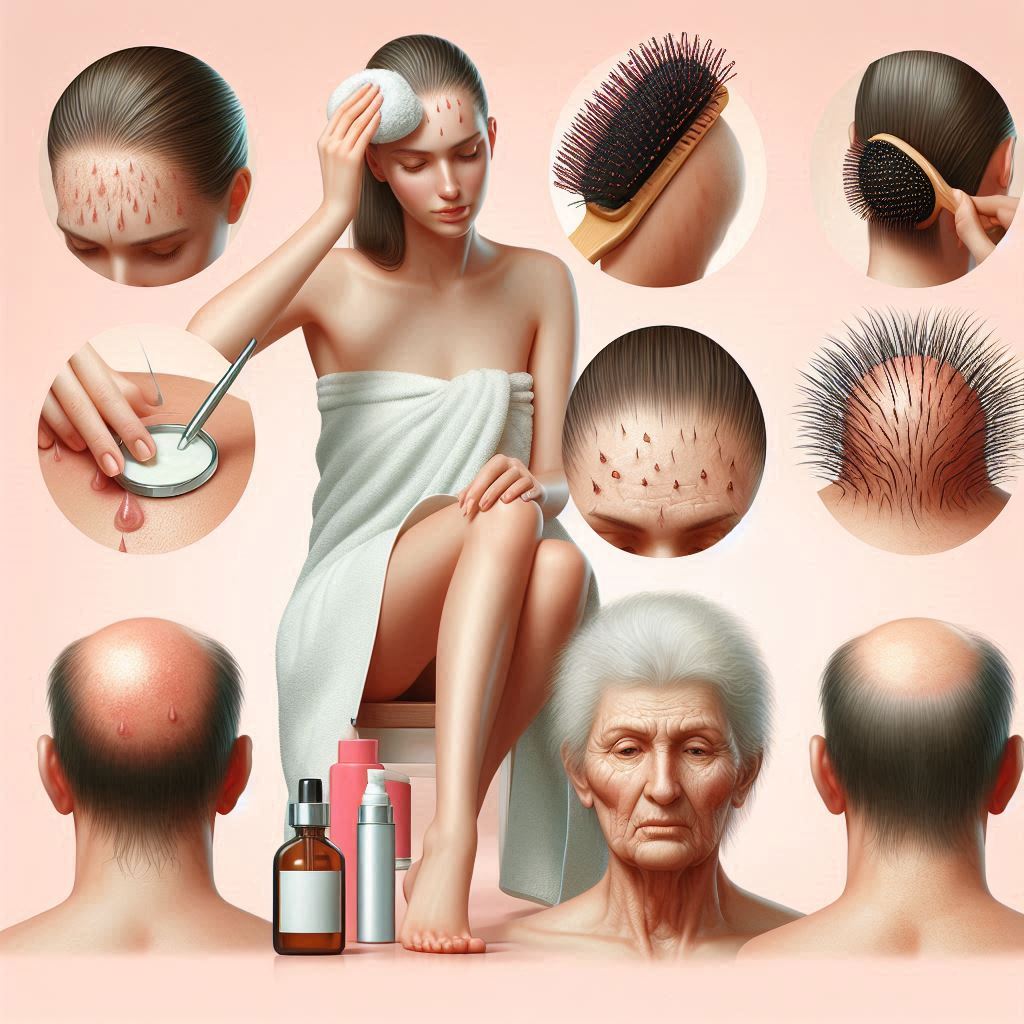
Telogen Effluvium is usually a temporary and reversible condition triggered by stressful events, whereas Alopecia Areata is an autoimmune disorder that can result in patchy or widespread hair loss. This article will explore how to differentiate between these two conditions, examining their underlying mechanisms, visual patterns, triggers, and treatment approaches. By breaking down the science and clinical characteristics behind each, we aim to empower individuals with the knowledge needed to navigate hair loss with confidence and clarity.
1. Understanding the Basics: What Are TE and AA?
At a glance, both Telogen Effluvium and Alopecia Areata result in visible hair loss, but they differ significantly in how and why that hair loss occurs.
Telogen Effluvium (TE) is a type of non-scarring, diffuse hair shedding that occurs when a significant number of hair follicles prematurely enter the telogen (resting) phase of the hair growth cycle. Under normal circumstances, about 10–15% of hairs are in this phase at any given time. In TE, however, as much as 30–50% of hairs may shift into the resting phase, leading to increased daily shedding—sometimes over 300 hairs a day. This condition typically affects the entire scalp rather than specific areas, giving the impression of overall thinning. TE is not a disease of the hair follicles themselves, but rather a response to internal or external stressors, such as illness, childbirth, drastic weight loss, medication changes, or emotional trauma.
In contrast, Alopecia Areata (AA) is an autoimmune disorder in which the immune system mistakenly targets and attacks healthy hair follicles, primarily during the anagen (growth) phase. This immune response causes the follicles to stop producing hair and leads to the development of well-defined bald patches that are smooth and round. Unlike TE, AA is often unpredictable and can affect any hair-bearing area, including the scalp, eyebrows, eyelashes, and beard. In more severe forms, AA can progress to Alopecia Totalis (complete scalp hair loss) or Alopecia Universalis (loss of all body hair).
Although both TE and AA are classified as non-scarring alopecias, meaning that the follicles are not permanently destroyed, their underlying mechanisms and clinical implications are distinct. TE reflects a temporary shift in follicular activity, while AA is a chronic immune-mediated condition that may require long-term management.
2. Causes and Triggers
The causes behind Telogen Effluvium and Alopecia Areata highlight their fundamental differences—TE being a response to life events or physiological changes, and AA being rooted in immune system dysfunction.
Telogen Effluvium is most commonly triggered by a shock to the system, which could be physical, emotional, or hormonal. Some of the most documented triggers include:
- Major surgery or hospitalization
- Childbirth (postpartum hair loss)
- High fevers or infections (such as COVID-19)
- Crash dieting or nutritional deficiencies (iron, vitamin D, protein)
- Thyroid dysfunction
- Emotional stress, anxiety, or depression
- Certain medications (e.g., antidepressants, retinoids, beta-blockers)
The trigger typically causes a synchronous shift in the hair cycle, pushing many follicles prematurely into the telogen phase. Hair shedding then begins around 2–3 months later and can last for several months until new anagen hairs grow in.
In comparison, Alopecia Areata is caused by a malfunctioning immune system that targets the hair follicle as if it were a foreign invader. The exact cause is still being studied, but AA is known to involve a combination of genetic predisposition and environmental triggers. It is often associated with other autoimmune diseases such as thyroid disorders, vitiligo, lupus, or rheumatoid arthritis.
Potential triggers for AA include:
- Psychological stress
- Viral infections
- Vaccinations (rarely)
- Physical trauma
- Hormonal changes
Interestingly, while stress is often blamed, many AA cases begin without any identifiable trigger. The condition may occur suddenly and can recur or go into remission at unpredictable intervals. Family history also plays a notable role, with up to 20% of AA patients reporting a relative with the same condition.
3. Clinical Presentation and Diagnosis
Recognizing the visual patterns and symptoms of each condition is crucial for diagnosis, as they exhibit distinct clinical features.
In Telogen Effluvium, patients often notice diffuse hair thinning rather than distinct bald spots. Hair may fall out in clumps when brushing, washing, or even running fingers through the scalp. However, the scalp usually appears normal with no redness, inflammation, or visible patches. A simple “hair pull test” may be performed, where gentle traction on a small section of hair pulls out several strands—an indication that more than the usual number of hairs are in telogen. TE does not usually cause itching or pain, and the hair loss tends to even out over time as new growth replaces shed hairs.
Alopecia Areata, on the other hand, often presents with one or more round or oval bald patches on the scalp or face. These patches have smooth, hairless skin, with no scarring or scaling. Upon closer examination, dermatologists may observe characteristic signs such as “exclamation point hairs” (short, broken hairs that are narrower at the base) and yellow dots on dermoscopy. In more extensive forms, hair loss may affect the entire scalp (Alopecia Totalis) or body (Alopecia Universalis). Some patients may also report tingling or itching before hair falls out.
To confirm diagnosis, dermatologists may perform:
- Trichoscopy (scalp microscopy)
- Blood tests (to check for thyroid function, autoimmune markers, nutrient levels)
- Scalp biopsy (rare, but can distinguish TE from other types of alopecia)
The diagnostic process aims not only to confirm the condition but also to rule out other causes of hair loss such as androgenetic alopecia, fungal infections, or scarring alopecias.
4. Treatment Options and Recovery
The treatment approaches for TE and AA differ significantly because their pathophysiology and duration are so different.
For Telogen Effluvium, treatment is typically supportive and focused on identifying and removing the underlying trigger. Once the root cause is addressed—whether it’s nutritional, hormonal, or stress-related—hair often begins to regrow within 3–6 months. Key aspects of TE treatment include:
- Correcting deficiencies (e.g., iron, vitamin D, zinc, protein)
- Managing thyroid disorders
- Reducing psychological stress through therapy, meditation, or lifestyle changes
- Improving diet and sleep
- Occasionally, topical minoxidil may be recommended to support regrowth
Importantly, reassurance plays a big role. Patients must understand that TE is not permanent and that regrowth is likely with time and patience.
In Alopecia Areata, treatment is often more complex and may involve immunosuppressive or immunomodulatory therapies. The choice of treatment depends on the severity and extent of the condition. Common options include:
- Intralesional corticosteroid injections for small patches (most effective)
- Topical corticosteroids and minoxidil for broader areas
- Contact immunotherapy (e.g., DPCP) to desensitize the immune response
- Oral corticosteroids or methotrexate for widespread AA
- JAK inhibitors (e.g., tofacitinib, baricitinib) for moderate to severe cases—an emerging and promising option
Supportive care such as wigs, cosmetic camouflage, and psychological counseling can help patients cope with the emotional burden of AA, especially when hair loss is widespread or long-lasting.
5. Prognosis and Long-Term Outlook
The prognosis for Telogen Effluvium (TE) is generally favorable. Since TE is primarily a reaction to temporary stressors or physiological changes, once the triggering factor is removed or managed, hair growth tends to resume naturally. Most individuals experience a full return to their baseline hair density within 6 to 12 months after the onset of shedding. However, it is important to recognize that in some cases, especially if the underlying cause persists or is not adequately addressed, TE can become chronic, leading to prolonged or recurrent hair shedding. Chronic telogen effluvium requires ongoing management and sometimes a deeper investigation into less obvious triggers such as subtle nutritional deficiencies or underlying systemic illnesses.
By contrast, the prognosis for Alopecia Areata (AA) is more variable and less predictable. Some patients experience spontaneous remission with complete regrowth of hair within months or a year, while others may face recurrent cycles of hair loss and regrowth. The severity of AA plays a critical role in the long-term outlook; localized patches often resolve more favorably than cases of Alopecia Totalis or Alopecia Universalis, which may be more resistant to treatment and persist for years. Moreover, the risk of relapse remains significant, and in some patients, the condition evolves into a chronic autoimmune disorder requiring lifelong monitoring. Despite this, recent advances in immunotherapy, such as JAK inhibitors, have offered new hope for more durable responses in severe cases
6. Psychological Impact and Support
Hair loss, regardless of the cause, can profoundly affect an individual’s mental health and self-esteem. However, the psychological burden often differs between Telogen Effluvium and Alopecia Areata, influenced by the visibility, unpredictability, and chronicity of the conditions.
In Telogen Effluvium, although the hair loss is diffuse and usually temporary, many patients report significant anxiety and distress, especially during the acute shedding phase. The uncertainty around when hair will regrow, combined with social and cosmetic concerns, can lead to stress, embarrassment, and low self-confidence. Fortunately, since TE generally resolves within a year, counseling and reassurance from healthcare providers often help patients manage their fears effectively.
For individuals with Alopecia Areata, the psychological impact can be more intense and long-lasting. The sudden appearance of patchy bald spots, the possibility of total hair loss, and the autoimmune nature of the disease often contribute to feelings of helplessness, depression, and social withdrawal. AA disproportionately affects children and young adults, who may face bullying or stigmatization, intensifying emotional challenges. Many patients benefit from psychological support, support groups, and therapy to develop coping strategies. In addition, cosmetic solutions such as wigs or eyebrow tattoos can improve self-image while medical treatments work on hair regrowth. Mental health care is increasingly recognized as a vital part of comprehensive AA management.
7. Comparing Case Studies and Patient Experiences
Real-world patient experiences highlight the contrasts between Telogen Effluvium and Alopecia Areata and provide insight into how these conditions affect daily life.
Consider a patient who develops Telogen Effluvium after recovering from severe COVID-19. They may notice excessive hair shedding roughly two to three months after illness, describing a gradual thinning over the scalp but without any bald patches. Their dermatologist reassures them that the hair follicles are intact, and as the body recovers from illness and inflammation resolves, hair regrowth typically follows. Patients often describe initial shock and frustration but find hope once the hair starts to regrow, usually within six months.
In contrast, a patient diagnosed with Alopecia Areata might recount the sudden appearance of a smooth, coin-sized bald patch on their scalp with no warning signs. The patch may grow or multiply unpredictably, affecting not just the scalp but also facial hair or eyelashes. They might describe the emotional toll of this unpredictable condition, including repeated visits to dermatologists, trials of various treatments, and the psychological struggle with identity and social interaction. Some patients find relief and regrowth with corticosteroid injections or emerging JAK inhibitor therapies, while others cope with chronic hair loss using wigs and psychological support.
These case examples underscore the importance of a nuanced understanding of hair loss conditions to set appropriate expectations and provide compassionate care.
8. Summary Table of Key Differences
To encapsulate the distinctions between Telogen Effluvium and Alopecia Areata, the following summary highlights their key clinical and pathological features:
| Feature | Telogen Effluvium | Alopecia Areata |
|---|---|---|
| Type of Hair Loss | Diffuse, non-scarring shedding | Patchy, non-scarring hair loss |
| Onset | Delayed (2–3 months after trigger) | Sudden and unpredictable |
| Cause | Physiological or emotional stress, nutritional deficiencies | Autoimmune attack on hair follicles |
| Pattern | General thinning over the entire scalp | Well-defined round or oval bald patches |
| Diagnostic Signs | Positive hair pull test, normal scalp | Exclamation point hairs, yellow dots on dermoscopy |
| Duration | Usually self-limiting, resolves in months | Variable; may remit or persist chronically |
| Treatment | Supportive care, treating underlying cause | Steroids, immunotherapy, JAK inhibitors |
| Prognosis | Excellent; full regrowth expected | Variable; relapses common; severe cases challenging |
| Psychological Impact | Stress and anxiety during shedding phase | Higher risk of depression, social withdrawal |
This table serves as a quick reference for clinicians and patients to understand the critical differences, aiding in prompt diagnosis and appropriate management.
9. Diagnostic Challenges and Advances
Diagnosing Telogen Effluvium (TE) and Alopecia Areata (AA) can sometimes be challenging due to overlapping features and variability in presentation. TE’s diffuse thinning may be mistaken for androgenetic alopecia (pattern hair loss), especially when chronic, while AA’s patchy hair loss can sometimes be confused with fungal infections or scarring alopecias. Accurate diagnosis relies heavily on a comprehensive history, physical examination, and supportive diagnostic tools.
Traditional methods such as the hair pull test are useful for TE, where gently tugging on a cluster of hairs reveals excessive shedding, while in AA, this test may be less revealing unless active inflammation is present. Trichoscopy (scalp dermoscopy) has emerged as a valuable non-invasive technique, enabling clinicians to visualize hallmark features like “exclamation point hairs” in AA or the uniform thinning seen in TE. In ambiguous cases, a scalp biopsy may be warranted to differentiate between the two by examining follicular structure and inflammatory infiltrates under the microscope.
Recent advances in molecular diagnostics and imaging have also enhanced our understanding of hair loss disorders. Genetic studies, cytokine profiling, and immune cell characterization in AA are paving the way for personalized medicine approaches. Meanwhile, improved algorithms incorporating clinical and lab data help clinicians better predict prognosis and tailor treatments for TE and AA.
10. Emerging Treatments and Research Directions
Both Telogen Effluvium and Alopecia Areata have seen significant advances in treatment options and ongoing research, although their therapeutic landscapes differ considerably.
For Telogen Effluvium, management remains focused on addressing the underlying cause and supportive care, but research is exploring novel agents to promote faster hair regrowth. Nutraceuticals, peptides, and platelet-rich plasma (PRP) therapy are gaining attention for their potential to stimulate hair follicles and improve scalp health. Studies are investigating how to modulate the hair cycle pharmacologically to shorten the telogen phase and encourage anagen re-entry.
In Alopecia Areata, the therapeutic field has expanded dramatically with the advent of JAK (Janus kinase) inhibitors, which target key immune pathways involved in follicular attack. Clinical trials of drugs like tofacitinib and baricitinib have shown promising results in inducing hair regrowth in moderate to severe AA cases. Other immunomodulatory agents, biologics, and novel topical therapies are under development to improve efficacy and reduce side effects. Researchers are also exploring the role of the microbiome and immune privilege restoration as future treatment targets.
Overall, personalized medicine and a deeper understanding of hair follicle immunobiology are likely to revolutionize how both conditions are managed in the coming years.
11. Patient Education and Lifestyle Considerations
Empowering patients through education is essential for effective management of both Telogen Effluvium and Alopecia Areata. Understanding the nature of their condition helps reduce anxiety and promotes adherence to treatment and lifestyle adjustments.
For Telogen Effluvium, patients benefit from learning about the hair growth cycle and why shedding occurs in waves. Knowing that hair loss is often temporary and reversible can provide reassurance during stressful periods. Patients are encouraged to maintain a balanced diet rich in protein, iron, and essential vitamins, practice good scalp hygiene, and avoid harsh chemical or heat styling that may exacerbate hair breakage. Stress reduction techniques such as mindfulness, exercise, and counseling can be valuable adjuncts to recovery.
In Alopecia Areata, education also includes understanding the autoimmune basis and the possibility of relapse. Patients are often counseled on treatment expectations, the importance of regular follow-ups, and the availability of cosmetic options to enhance appearance during flare-ups. Psychological support and peer groups may help mitigate the emotional toll. Additionally, lifestyle modifications to support immune health, such as adequate sleep, balanced nutrition, and avoidance of known triggers, can be emphasized.
Clear communication between healthcare providers and patients, along with realistic goal-setting, fosters a collaborative approach to care.
12. Future Perspectives and Hope for Patients
The future for patients with Telogen Effluvium and Alopecia Areata is increasingly hopeful due to ongoing scientific advancements and growing awareness.
For Telogen Effluvium, better diagnostic tools and a deeper understanding of hair follicle biology promise earlier identification of triggers and more targeted interventions. Innovations in regenerative medicine and hair follicle stem cell research could offer novel ways to accelerate hair regrowth and prevent chronic shedding.
For Alopecia Areata, the rapid progress in immunotherapy, particularly with JAK inhibitors, has transformed treatment paradigms. Ongoing clinical trials and research into the genetic and environmental factors involved hold the promise of more effective, personalized treatments with fewer side effects. Moreover, integrative approaches addressing both the physical and psychological aspects of AA are becoming standard practice, improving overall quality of life for patients.
As science progresses, so does the potential to not only halt hair loss but to restore hair growth and confidence for millions worldwide. Patient advocacy and education remain key pillars in this journey, ensuring that those affected by these conditions receive compassionate care and the latest advancements.
Certainly! Here’s a detailed conclusion followed by sources formatted in APA style (without links, per your request) for the article on “Telogen Effluvium vs. Alopecia Areata: What’s the Difference?”
Conclusion
Telogen Effluvium and Alopecia Areata represent two distinct yet commonly confused causes of hair loss, each with unique pathophysiology, clinical presentation, and management strategies. While Telogen Effluvium is primarily a reactive, often temporary shedding disorder triggered by physiological or emotional stress, Alopecia Areata is an autoimmune condition characterized by patchy hair loss resulting from immune-mediated follicle attack. Recognizing the differences between these conditions is essential for accurate diagnosis, effective treatment, and providing patients with realistic expectations.
Both conditions pose significant psychological challenges, highlighting the need for holistic approaches that address not only physical symptoms but also emotional well-being. Advances in diagnostic technology and emerging therapies, particularly immunomodulators and JAK inhibitors, offer promising avenues for improved outcomes, especially for Alopecia Areata. Patient education, lifestyle modifications, and supportive care remain foundational elements of management, empowering individuals to cope with hair loss and its impacts.
In summary, understanding the distinctions between Telogen Effluvium and Alopecia Areata facilitates better clinical decision-making and patient care, ultimately leading to improved quality of life for those affected by hair thinning and baldness.
SOURCES
Certainly! Here’s the sources list with author names and dates in bold in APA style:
Bolognia, J. L., Schaffer, J. V., & Cerroni, L. (2018). Dermatology (4th ed.). Elsevier.
Del Marmol, V., & Comte, F. (2017). Telogen Effluvium: Current perspectives. Skin Appendage Disorders, 3(2), 103–112.
Gilhar, A., Etzioni, A., & Paus, R. (2012). Alopecia areata. The New England Journal of Medicine, 366(16), 1515–1525.
Hordinsky, M. K. (2016). Alopecia areata: Clinical presentation and diagnosis. Dermatologic Clinics, 34(1), 15–19.
Malkud, S. (2015). Telogen effluvium: A review. Journal of Clinical and Diagnostic Research, 9(9), WE01–WE03.
Messenger, A. G., & McKillop, J. (2018). Alopecia areata: Pathogenesis and treatment. British Journal of Dermatology, 178(3), 758–765.
Paus, R., & Cotsarelis, G. (1999). The biology of hair follicles. The New England Journal of Medicine, 341(7), 491–497.
Shapiro, J., & Wiseman, M. (2016). Clinical and laboratory diagnosis of alopecia areata. Dermatologic Clinics, 34(1), 3–13.
Trueb, R. M. (2017). Telogen effluvium: A review with emphasis on clinical aspects. Journal of the American Academy of Dermatology, 77(3), 539–547.
Whiting, D. A. (2003). Telogen effluvium. Journal of the American Academy of Dermatology, 45(3), 336–346.
HISTORY
Current Version
AUG, 09, 2025
Written By
BARIRA MEHMOOD