Introduction
Hair loss, medically known as alopecia, is a common condition affecting millions worldwide. Although it primarily concerns the physical appearance, the psychological impact of hair loss is profound and often underestimated. Hair plays a significant role in an individual’s identity, self-esteem, and social interactions. Consequently, hair loss can trigger a cascade of emotional, cognitive, and social challenges that significantly affect mental health and overall quality of life.
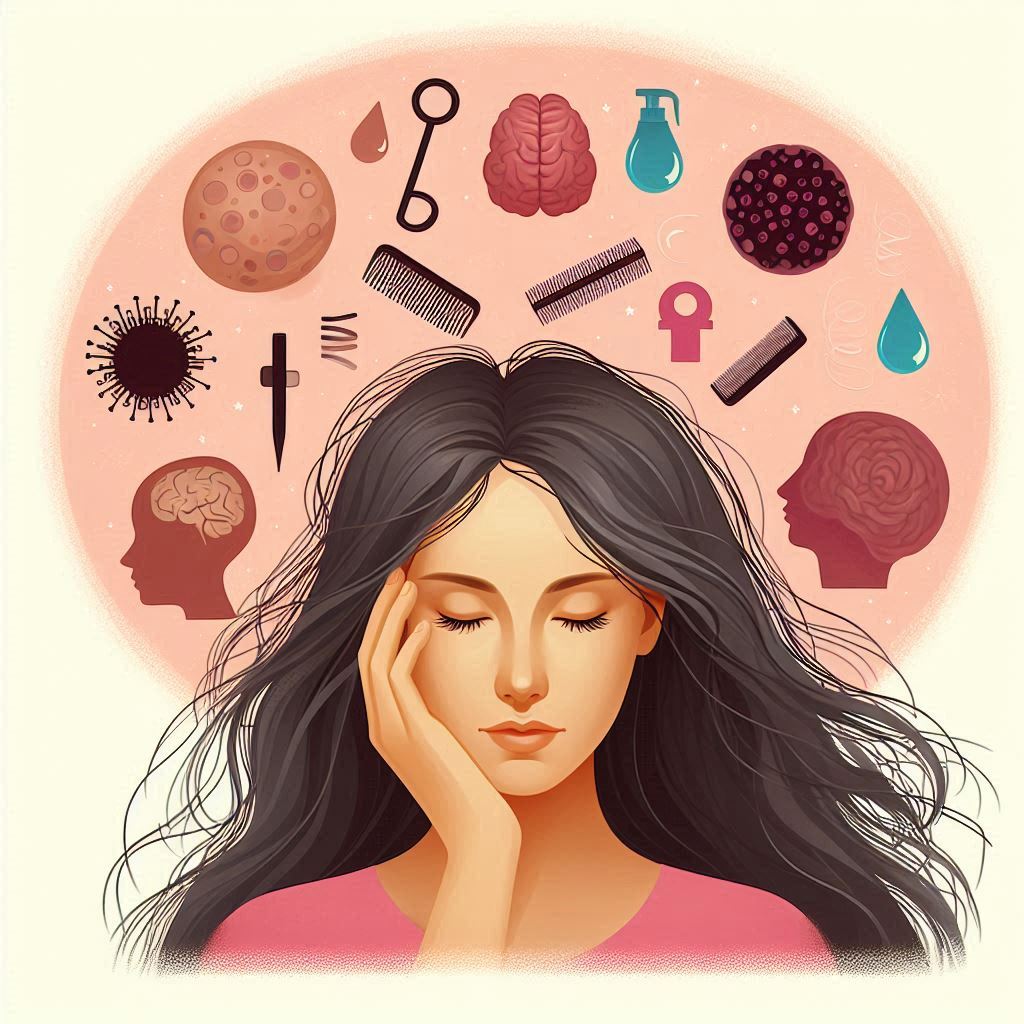
This article explores the psychological effects of hair loss in depth, discusses the underlying mechanisms contributing to these effects, and offers practical strategies and treatments to help manage them effectively. We will consider various types of hair loss, demographic variations, and the cultural significance of hair to provide a comprehensive understanding of this issue.
1. Understanding Hair Loss: Types and Causes
Hair loss, or alopecia, manifests in various forms and arises from multiple causes, each influencing the severity and progression differently. The most common type is androgenetic alopecia, often referred to as male or female pattern baldness, which is genetically inherited and characterized by a gradual thinning of hair, typically starting at the temples or crown in men, and more diffuse thinning in women. Alopecia areata is another type, involving an autoimmune response where the immune system mistakenly attacks hair follicles, leading to patchy hair loss that can occur suddenly. Telogen effluvium represents a temporary shedding triggered by physical or emotional stressors such as illness, surgery, childbirth, or significant life changes, where hair prematurely enters the resting phase and falls out more than usual. Traction alopecia results from repeated tension on hair shafts caused by tight hairstyles, causing localized hair loss that can become permanent if untreated. Finally, scarring alopecia involves inflammation that damages the hair follicles irreversibly, leading to permanent bald patches. These varying types of hair loss are caused by a complex interplay of genetic, hormonal, medical, nutritional, and environmental factors. For instance, hormonal fluctuations during pregnancy or menopause can cause hair thinning, while nutritional deficiencies in iron or vitamins may exacerbate shedding. Understanding the specific type and cause of hair loss is crucial not only for medical treatment but also because it shapes the psychological experience of the individual, influencing feelings of control, hope, and identity.
2. The Psychological Significance of Hair
Hair holds a unique psychological and social significance that extends far beyond its biological function. It serves as a powerful symbol of identity, self-expression, and social belonging. From ancient cultures to modern societies, hair has been intertwined with concepts of beauty, youth, and vitality. For many individuals, their hairstyle is a key element of how they present themselves to the world, communicate personality, and conform to—or rebel against—cultural norms. Hair is deeply linked to gender identity, with long, styled hair often associated with femininity, and a full head of hair with youthfulness and vigor. Consequently, the loss or change of hair disrupts this symbolic system, causing distress and a sense of disconnection from one’s self-image. The psychological impact is compounded by societal pressures and media ideals that equate healthy, thick hair with attractiveness and success, which can cause individuals with hair loss to feel marginalized or unattractive. The way others respond to one’s appearance—through stares, comments, or social exclusion—can further reinforce feelings of shame or embarrassment. Thus, hair loss often triggers a profound emotional response as it threatens not only physical appearance but the very fabric of personal identity and social acceptance.
3. Psychological Effects of Hair Loss
The psychological consequences of hair loss can be extensive and multifaceted, affecting emotional well-being, social functioning, and cognitive health. Emotionally, hair loss frequently evokes feelings of anxiety and fear—individuals worry about the progression of loss and how others will perceive them. This anxiety often coexists with depressive symptoms such as sadness, hopelessness, and diminished interest in social or pleasurable activities. Many experience frustration and anger over the uncontrollable nature of hair loss, which can exacerbate stress levels. Socially, the visible nature of hair loss can lead to avoidance behaviors, where affected individuals withdraw from social engagements or public appearances to escape judgment or pity, intensifying feelings of loneliness. The impact on self-esteem is especially pronounced; hair loss can challenge long-held perceptions of attractiveness and competence, sometimes causing a loss of confidence in personal and professional interactions. In more severe cases, individuals may develop body image disturbances or even psychiatric disorders like body dysmorphic disorder, where obsessive preoccupation with hair loss leads to significant distress and impairment. Cognitive effects such as concentration difficulties and rumination about appearance further impair daily functioning. The psychological toll varies across demographics; women and younger people often report higher distress due to societal beauty norms and peer pressures, while older adults may show more acceptance but still face challenges. Understanding these effects is essential for providing empathetic care and targeted interventions.
4. The Role of Psychological Disorders Related to Hair Loss
Hair loss can both result from and contribute to psychological disorders, creating a complex bidirectional relationship. Depression is commonly observed among individuals with hair loss, fueled by the chronic stress and negative self-image associated with the condition. This mood disorder manifests with symptoms like persistent sadness, fatigue, and loss of interest in life, further diminishing quality of life. Anxiety disorders, particularly social anxiety, are also prevalent; fear of negative evaluation and social rejection due to altered appearance can lead to intense discomfort in social situations, sometimes culminating in complete social avoidance. Body Dysmorphic Disorder (BDD) represents an extreme psychological reaction where individuals become obsessively preoccupied with perceived defects in their appearance—hair loss being a frequent focus. Those with BDD may engage in compulsive behaviors such as mirror checking, camouflaging, or excessive grooming, yet remain dissatisfied, fueling a vicious cycle of distress. Trichotillomania, a disorder characterized by compulsive hair pulling, can sometimes arise as a maladaptive response to the psychological burden of hair loss or co-occur, complicating treatment. These psychiatric conditions highlight the necessity of integrated care approaches that address both the physical symptoms of hair loss and its profound psychological impact, ensuring that mental health support is part of comprehensive treatment plans.
5. Coping Mechanisms: Adaptive and Maladaptive
When faced with hair loss, individuals adopt various coping strategies that can broadly be categorized as adaptive or maladaptive, influencing their psychological adjustment to the condition. Adaptive coping involves proactive behaviors and mindset shifts that help manage distress and foster resilience. These strategies include seeking social support from friends, family, or support groups, which can provide emotional comfort and reduce feelings of isolation. Acceptance and positive reframing allow individuals to view hair loss as a manageable part of life rather than a catastrophic event, promoting emotional stability. Engaging in self-care routines, such as maintaining grooming habits or exploring new hairstyles, helps restore a sense of control and self-esteem. Consulting healthcare professionals for information and treatment options empowers individuals and enhances hope. Conversely, maladaptive coping strategies can exacerbate psychological distress. These include social withdrawal, where avoidance of social interactions increases loneliness and depression. Some individuals might resort to substance abuse or other harmful behaviors to numb emotional pain. Excessive reliance on wigs or hairpieces might, in some cases, reflect denial or shame rather than healthy adaptation. Additionally, obsessive behaviors such as compulsive mirror checking or comparing oneself to others can worsen anxiety and body dissatisfaction. Recognizing and encouraging adaptive coping while addressing maladaptive patterns is vital for psychological support and rehabilitation.
6. Psychological Management of Hair Loss
Effectively managing the psychological effects of hair loss requires a multifaceted approach that combines therapeutic interventions, medical treatments, and social support. Psychologically, Cognitive Behavioral Therapy (CBT) is one of the most effective methods for addressing the negative thought patterns and anxieties associated with hair loss. CBT helps individuals challenge irrational beliefs about their appearance, reduce catastrophizing, and develop healthier coping skills, improving mood and social functioning. Acceptance and Commitment Therapy (ACT) offers an alternative approach by fostering acceptance of hair loss while encouraging engagement in meaningful activities aligned with personal values, thereby reducing distress. Support groups provide a vital platform for sharing experiences, normalizing feelings, and building a community of understanding. Psychoeducation plays a key role by equipping individuals with accurate knowledge about hair loss causes, prognosis, and treatment options, which alleviates uncertainty and empowers decision-making. Medically, treatments such as minoxidil or finasteride can slow or reverse hair loss in some cases, while hair transplant surgeries offer restorative options. Cosmetic solutions like wigs or scalp micropigmentation help improve appearance and confidence. Importantly, integrating psychological care with medical treatment ensures holistic healing, addressing both visible symptoms and emotional wellbeing.
7. Preventative and Proactive Approaches
Taking preventative and proactive steps is crucial in minimizing both the physical progression of hair loss and its psychological fallout. Early intervention through timely diagnosis and treatment can significantly slow hair loss, which reduces the emotional impact and preserves self-esteem. Educating individuals about risk factors and encouraging healthy lifestyle choices—such as balanced nutrition, stress management, and avoiding damaging hair practices—can prevent or delay hair thinning. Building psychological resilience before significant hair loss occurs involves fostering a positive self-image and flexible coping skills, enabling individuals to adapt more easily if hair loss happens. Mental health professionals can work with patients at risk to develop these capacities. On a societal level, shifting cultural attitudes towards hair and beauty is necessary to reduce stigma. Promoting diverse beauty standards that embrace baldness and hair diversity helps dismantle unrealistic expectations. Campaigns, media representation, and community dialogue can contribute to normalizing hair loss, thus alleviating pressure and shame. Proactive strategies combine individual, clinical, and cultural efforts to reduce the burden of hair loss on mental health.
8. Special Considerations: Hair Loss in Specific Populations
Hair loss impacts different populations in unique ways, shaped by gender, age, cultural context, and individual circumstances. Women often experience greater psychological distress due to the heavy cultural emphasis on female hair as a symbol of beauty and femininity. Hair loss in women may be linked to hormonal changes such as postpartum shedding or menopause, and because it is less socially accepted, women may face heightened stigma and self-esteem issues. Gender-sensitive psychological support that acknowledges these pressures is essential. Children and adolescents represent another vulnerable group, as hair loss during formative years can disrupt identity development and peer relationships. Young people with hair loss are at increased risk for bullying, social exclusion, and emotional disorders, making early intervention and family support crucial. Ethnic and cultural factors also influence the experience of hair loss. For example, certain alopecia types are more prevalent in individuals of African descent, and hairstyles carry specific cultural meanings. Healthcare providers must exhibit cultural competence to tailor treatment and psychological care effectively. Recognizing these nuanced needs ensures that support for hair loss is equitable, comprehensive, and sensitive to diverse experiences.
SOURCES
Al’Abadie, M., & Messenger, A. G. (1996). Psychological effects of alopecia areata. British Journal of Dermatology, 134(3), 480–485.
Cash, T. F. (1992). The psychological effects of androgenetic alopecia in men. Journal of the American Academy of Dermatology, 26(6), 926–931.
Dinh, Q. Q., & Sinclair, R. (2007). Female pattern hair loss: current treatment concepts. Clinical Interventions in Aging, 2(2), 189–199.
Finner, A. M. (2013). Alopecia areata: clinical presentation, diagnosis, and prognosis. Journal of the American Academy of Dermatology, 69(1), e1–e14.
Gilhar, A., Etzioni, A., & Paus, R. (2012). Alopecia areata. New England Journal of Medicine, 366(16), 1515–1525.
Hunt, N., & McHale, S. (2005). The psychological impact of alopecia. BMJ, 331(7522), 951–953.
Hunt, N., & McHale, S. (2007). Managing hair loss in women: psychological and treatment issues. Clinical Dermatology, 25(6), 597–600.
Miteva, M., & Tosti, A. (2014). Hair and psychological well-being. International Journal of Trichology, 6(1), 3–4.
O’Sullivan, S. M., Russell, H. M., & Lewis, L. D. (2016). Psychological implications of hair loss: a review of the literature. International Journal of Women’s Dermatology, 2(2), 78–83.
Rogers, N. E., & Avram, M. R. (2008). Medical treatments for male and female pattern hair loss. Journal of the American Academy of Dermatology, 59(4), 547–566.
van Zuuren, E. J., Fedorowicz, Z., Carter, B., & Pandis, N. (2016). Interventions for female pattern hair loss. Cochrane Database of Systematic Reviews, (5), CD007628.
HISTORY
Current Version
AUG, 09, 2025
Written By
BARIRA MEHMOOD