Introduction
In the ever-evolving world of haircare, few ingredients have sparked as much debate as silicones. Touted for their ability to transform dull, frizzy hair into sleek, shiny locks, silicones are widely found in everything from shampoos and conditioners to serums and styling sprays. Yet, in recent years, a growing number of consumers and hair professionals have begun to question their use, labeling silicones as artificial agents that merely mask damage and potentially harm hair in the long run. This dichotomy has created a divide in the beauty industry, leading many to wonder: Are silicones saviors of our strands, or are they silent saboteurs?
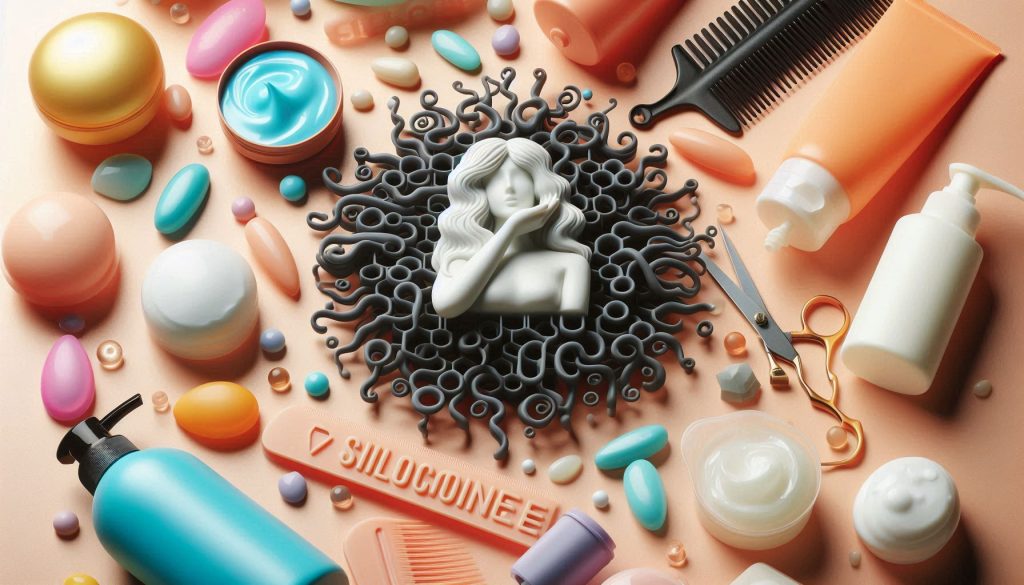
Silicones are synthetic compounds derived from silica, a natural element found in sand. When incorporated into haircare formulations, they serve as conditioning agents that coat the hair shaft, providing slip, gloss, and a smooth texture. Their popularity surged in the late 20th century when formulations containing silicones like dimethicone and cyclomethicone revolutionized haircare by offering immediate cosmetic improvements. However, as the demand for clean beauty and transparency has grown, so too has scrutiny of ingredients like silicones, with critics arguing that their non-biodegradable nature and potential for buildup on the hair and scalp outweigh their benefits.
The controversy surrounding silicones has led to a surge in “silicone-free” product lines, as brands attempt to meet the expectations of increasingly ingredient-conscious consumers. At the same time, many formulators and dermatologists defend silicones, emphasizing their safety profile and functional benefits. Navigating this complex narrative requires an in-depth understanding of what silicones are, how they work, and the real science behind their effects on hair. In this exploration, we will delve into the types of silicones used in hair products, their advantages and disadvantages, and whether they truly deserve their current reputation—either as miracle workers or deceptive culprits.
1. Types of Silicones Used in Hair Products
Not all silicones are created equal. To understand how they affect hair, it’s important to distinguish between different types, particularly in terms of their molecular weight, solubility in water, and how they interact with other ingredients. Silicones generally fall into two main categories: water-soluble and non-water-soluble, with a third, middle category sometimes referred to as “slightly water-soluble” or “partially soluble” silicones.
Non-Water-Soluble Silicones
The most commonly used silicones in hair products are non-water-soluble. These include dimethicone, cyclomethicone, and amodimethicone. Dimethicone is one of the most popular silicones due to its excellent smoothing and protective properties. It creates a coating on the hair shaft, reducing friction, enhancing shine, and locking in moisture. Cyclomethicone, on the other hand, is more volatile and evaporates after application, leaving behind a silky finish without the greasy feel. Amodimethicone is a bit more advanced—it carries a positive charge, allowing it to selectively bind to damaged areas of the hair, making it ideal for repair-focused formulations.
However, because these silicones are not soluble in water, they tend to stay on the hair unless washed out with a clarifying shampoo or one containing sulfates. This characteristic is a double-edged sword: while it protects hair from humidity and external aggressors, it can also result in buildup over time, especially for individuals with low-porosity hair or those using heavy stylers.
Water-Soluble Silicones
Water-soluble silicones, such as dimethicone copolyol and PEG-modified silicones, are designed to be more lightweight and easier to wash out. These are often preferred in formulations labeled “silicone-lite” or “silicone-free,” particularly in products meant for curly or fine hair types. They offer many of the same benefits as traditional silicones—like detangling and frizz control—without the risk of long-term accumulation. This makes them ideal for people who prefer gentler cleansing methods like co-washing or sulfate-free shampoos.
Partially Soluble or Modified Silicones
Amodimethicone often appears in this category, depending on the formulation. Some versions are modified with surfactants or copolymers to be more easily rinsed away. Others, like silicone quaterniums, combine the properties of silicones and quaternary ammonium compounds to improve deposition on hair and resist rinsing, which can be beneficial in conditioning treatments.
The different types of silicones each have unique effects on hair, and their inclusion in a product should be understood not just by name, but by context—what type of hair they’re meant for, how often the product is used, and what kind of cleansing follows. Understanding these nuances is key to determining whether silicones are helping or hindering your haircare routine.
2. Benefits of Silicones for Hair
Silicones have remained a staple in haircare for good reason: they offer a multitude of benefits that are both immediate and, when used correctly, long-lasting. From reducing frizz to providing heat protection, their versatility makes them valuable allies for anyone seeking healthier-looking hair.
Instant Shine and Smoothness
Perhaps the most noticeable benefit of silicones is the dramatic improvement in hair’s appearance and texture after application. By forming a thin, flexible coating around the hair shaft, silicones reflect light, giving hair a glossy, mirror-like finish. This is especially appealing for those with dull, damaged, or color-treated hair that has lost its natural luster.
Silicones also smooth the cuticle, the outer layer of the hair strand. A raised or damaged cuticle causes hair to appear rough, frizzy, and unmanageable. By laying the cuticle flat, silicones create a smooth surface that not only looks better but also feels silkier to the touch.
Frizz Control and Humidity Protection
Frizz is one of the most common complaints among haircare consumers, and silicones are particularly effective at combating it. Their water-repellent nature prevents external moisture from penetrating the hair shaft, which is often the main cause of frizz, especially in humid environments. By sealing the hair cuticle, silicones block humidity and lock in the desired style, making them invaluable for people with wavy, curly, or frizz-prone hair.
Detangling and Manageability
Hair tangles when the cuticles are raised and strands catch onto one another. The lubricating effect of silicones reduces this friction, making detangling significantly easier and less damaging. This benefit is particularly important for individuals with textured hair or long hair, where detangling can otherwise lead to breakage and split ends.
Heat Protection and Damage Prevention
Silicones provide a barrier against thermal damage from styling tools like flat irons, curling wands, and blow dryers. While not all silicones offer the same level of heat resistance, ingredients like dimethicone can help shield the hair from high temperatures, reducing moisture loss and structural weakening. This makes them a go-to choice for heat styling products and blow-dry creams.
Improved Product Spreadability
Beyond their direct effects on hair, silicones improve the feel and spreadability of haircare products. They make formulations easier to distribute evenly throughout the hair, ensuring consistent coverage without the need for large amounts of product. This results in a more economical and efficient haircare routine.
3. Potential Downsides and Misconceptions
While silicones offer many cosmetic and functional benefits, their use is not without controversy. A growing number of haircare enthusiasts, especially within the curly and natural hair communities, have raised concerns about the long-term effects of silicone use. Some of these concerns are grounded in scientific reality, while others are based on misunderstandings or incomplete information.
Buildup and “Plastic” Feel
One of the most commonly cited drawbacks of silicones is their tendency to build up on the hair and scalp over time. Because many silicones are not water-soluble, they are not easily rinsed out with regular, sulfate-free shampoos. This can result in a layer of residue that weighs down the hair, making it feel greasy, limp, or coated with a “plastic” film. Buildup may also prevent moisture from penetrating the hair shaft, leading to dryness and brittleness in the long run.
This issue is particularly problematic for individuals who follow low-poo or no-poo haircare routines and avoid traditional surfactants. Without regular clarifying, silicone buildup can compromise the effectiveness of other treatments, like protein or deep conditioning masks, by preventing their active ingredients from reaching the hair.
Dullness and Dryness Over Time
Ironically, while silicones provide instant shine, excessive or improper use can lead to the opposite result. When too many layers of silicone accumulate, they may make hair appear dull and lifeless. Furthermore, if silicones are sealing the hair too effectively, they may block out needed moisture from the environment or from conditioning treatments, especially in dry climates or for naturally dry hair types.
Environmental Concerns
Silicones, particularly non-water-soluble types, are not biodegradable. This raises environmental concerns, especially regarding their disposal through wastewater systems. These compounds can accumulate in aquatic ecosystems and persist in the environment, contributing to long-term pollution. This has led some eco-conscious brands to reduce or eliminate silicones from their formulations and seek more sustainable alternatives.
Misconceptions and Fear-Mongering
Despite their issues, silicones are often the subject of misinformation. Some claims—such as that silicones “suffocate” hair, clog hair follicles, or cause hair loss—are not supported by scientific evidence. Hair is a non-living fiber, and it doesn’t need to “breathe.” Likewise, properly formulated products that include silicones do not penetrate the scalp in a way that would interfere with hair growth. Many fears surrounding silicones are rooted more in emotional response and internet rumor than clinical research.
4. Silicone vs. Silicone-Free: The Real Differences
As the clean beauty movement has gained momentum, more consumers are questioning the ingredients in their hair products and opting for formulations labeled “silicone-free.” But is ditching silicones truly better for everyone? The answer lies in understanding the real differences between silicone-based and silicone-free products, and how those differences play out in practice.
Performance and Immediate Results
Silicone-based products generally offer instant gratification. They make hair feel smoother, shinier, and easier to manage right after use. Their coating action helps control frizz, prevents tangling, and provides heat protection during styling. Silicone-free alternatives, especially those relying on natural oils or botanical extracts, can sometimes take longer to show results. While these ingredients do nourish the hair, they may not offer the same immediate silkiness and slip that silicones provide. For many users, this difference in performance is noticeable from the very first wash.
That said, some high-quality silicone-free products use advanced formulations with ingredients like polyquaterniums, plant-based esters, and fatty alcohols, which attempt to mimic the feel and function of silicones without the synthetic compound. These alternatives often deliver respectable results, especially when paired with a good routine, but may still fall short of the high-gloss, ultra-smooth finish silicones achieve.
Long-Term Hair Health
Proponents of silicone-free products often argue that these formulations promote better long-term hair health. Since silicones can cause buildup over time, their removal from a routine may allow for better absorption of nutrients from other products and help restore the hair’s natural texture. This can be particularly beneficial for curly, coily, or textured hair, where moisture retention and product layering are critical. In these cases, users may notice that their hair becomes softer and more responsive to treatments after eliminating silicones.
However, this improvement isn’t universal. Some people find that silicone-free routines make their hair feel dry, coarse, or frizzy, particularly if their hair is chemically treated, heat-damaged, or naturally porous. Without the protective coating of silicones, these hair types can be more vulnerable to moisture loss and environmental damage.
Scalp and Clarifying Needs
A major point of contention is the need for clarifying shampoos. Silicone-based products, particularly those with non-water-soluble silicones, often require stronger detergents—like sulfates—to remove buildup. This can dry out the hair and scalp, especially when done frequently. Silicone-free routines, especially when paired with sulfate-free shampoos, tend to be gentler and may promote better scalp health. This makes silicone-free appealing to those with sensitive scalps, or those who prefer “low-poo” or “co-wash” methods.
That said, even silicone-free routines can lead to buildup if heavy oils, butters, or protein-rich masks are used excessively. Regardless of silicone use, occasional clarifying remains beneficial for most people.
Trend vs. Necessity
It’s important to differentiate between personal needs and industry trends. The push for silicone-free products is partly driven by marketing and consumer perception rather than evidence-based concerns. Many brands capitalize on the fear of synthetic chemicals, even when there’s no conclusive proof that silicones are harmful when used properly. For some, switching to silicone-free is a conscious lifestyle or environmental choice. For others, it may simply not be necessary, especially if their hair thrives with silicone-based products.
Ultimately, the choice between silicone and silicone-free should be informed by your hair type, styling habits, and personal values—not by fear or social media trends.
5. How to Use Silicones Smartly
Rather than adopting a rigid stance of “for or against” silicones, a smarter approach is to learn how to use them effectively based on individual needs. When incorporated correctly into a routine, silicones can enhance manageability, protect hair, and reduce damage, all without the downsides that critics often highlight.
Match Silicones to Hair Type
The key to successful use of silicones lies in selecting the right type for your hair:
- Fine or low-porosity hair: Opt for water-soluble silicones like dimethicone copolyol or PEG-8 dimethicone. These are lightweight and less likely to cause buildup.
- Curly or textured hair: Use silicones with conditioning properties, like amodimethicone, which target damaged areas and reduce frizz without over-coating the entire hair strand.
- Chemically treated or high-porosity hair: Benefit from heavier silicones like dimethicone, which seal in moisture and offer significant protection from heat and environmental stressors.
Being aware of your hair’s porosity, density, and texture helps in choosing the most suitable silicone formulation.
Use in Moderation
As with most haircare ingredients, moderation is crucial. Layering multiple silicone-rich products—such as shampoo, conditioner, leave-in, serum, and heat protectant—can easily lead to buildup, especially if the products use non-soluble silicones. Limiting silicone use to one or two products in your routine helps minimize this risk. For example, using a silicone-based heat protectant but keeping the rest of your regimen lightweight can strike a good balance.
Balance with Cleansing
Regular cleansing is essential when using silicones. If you’re using non-water-soluble silicones, incorporate a clarifying shampoo or sulfate-containing cleanser every 1–2 weeks, depending on how often you style or apply products. If you prefer to avoid sulfates, look for clarifiers with chelating agents like disodium EDTA, which can help break down silicones without overly drying the scalp.
Alternatively, adopting a “reset routine”—where you take a break from styling products and do a deep cleanse followed by protein and moisture treatments—can help keep your hair in balance.
Watch for Ingredient Interactions
Some silicones interact differently with other ingredients in your regimen. For instance, if you’re using hair oils or plant-based butters, layering a non-soluble silicone over them may create a barrier that locks in both benefits and drawbacks. In contrast, pairing silicones with humectants (like glycerin) or conditioning agents (like panthenol) can enhance hydration and manageability.
Reading ingredient labels and understanding how silicones function in your product lineup allows for better control and customization of your routine.
6. Environmental and Ethical Considerations
Beyond personal hair health, the debate around silicones increasingly intersects with environmental and ethical concerns. As more consumers seek sustainable, cruelty-free, and eco-conscious beauty options, the spotlight has shifted toward the lifecycle and ecological impact of ingredients like silicones.
Biodegradability and Environmental Persistence
Most traditional silicones, especially dimethicone and cyclomethicone, are not readily biodegradable. Once rinsed out during showering, they can enter wastewater systems and persist in aquatic environments. Although current research suggests that silicones do not bioaccumulate significantly in marine life, their long-term environmental impact remains a concern, especially in light of widespread use.
Newer “green” silicones are being developed that claim improved biodegradability. These include certain sugar-modified or plant-derived silicone alternatives, though they are not yet widely available or as effective in performance. Their cost, availability, and production scalability are also challenges to overcome before they can fully replace traditional silicones.
Regulations and Safety Testing
Silicones used in cosmetics are generally recognized as safe by regulatory bodies like the FDA, European Commission, and Health Canada, when used within prescribed limits. However, as environmental awareness grows, more regulatory frameworks are being introduced to assess their sustainability and environmental footprint. This could lead to stricter labeling requirements or usage caps in the future.
Cruelty-Free and Vegan Status
One advantage of silicones is that they are inherently vegan, as they are synthetic and not derived from animals. They also do not require animal testing in many jurisdictions, especially where cruelty-free regulations are in place. However, the ethical considerations around silicone use now extend beyond animal testing to include production methods, carbon footprint, and waste disposal.
The Rise of Silicone-Free Branding
In response to these concerns, many brands now market their products as silicone-free not only for perceived health reasons but also to align with environmental and ethical values. Brands like Aveda, Briogeo, and Innersense, for example, emphasize plant-based alternatives that prioritize sustainability. While these alternatives may not always match the immediate cosmetic performance of silicones, they reflect a broader shift in values among conscious consumers.
As green chemistry continues to evolve, it is likely that new ingredients will emerge that deliver the same benefits as silicones, but with a smaller environmental footprint. Until then, mindful use and responsible disposal remain key practices for sustainability-focused consumers.
Conclusion
The debate over silicones in hair products is far from black and white. On one hand, silicones offer undeniable benefits: they deliver immediate smoothness, shine, frizz control, and protection from heat and environmental stressors. They make hair more manageable, reduce tangles, and enhance the overall styling experience. For many users—particularly those with damaged, dry, or color-treated hair—silicones can act as a lifeline, making styling easier and reducing the risk of breakage and long-term damage.
On the other hand, their synthetic nature, tendency to build up, and limited biodegradability present valid concerns. Improper or excessive use of non-water-soluble silicones, without proper cleansing, can weigh hair down, interfere with moisture balance, and dull hair’s appearance over time. Furthermore, the environmental footprint of traditional silicones, although still under study, has spurred a movement toward more sustainable and transparent beauty practices.
But the truth is this: silicones are neither outright saviors nor absolute saboteurs. They are tools—highly effective when used with intention and moderation, but problematic when misused or misunderstood. The key lies in personalizing your approach: understanding your own hair type, needs, and routine, and choosing products and practices that align with both your aesthetic goals and your ethical values.
For some, this may mean embracing silicone-based products for their styling power and protective qualities. For others, it may mean switching to silicone-free alternatives to support scalp health, avoid buildup, or reduce environmental impact. Ultimately, the best haircare strategy is one that is informed, balanced, and responsive to your individual lifestyle.
So, are silicones the savior or the saboteur? The answer is: it depends—on your hair, your habits, and your values. Rather than vilify or glorify them, the wisest choice is to use them wisely, selectively, and with awareness.
SOURCES
Belsito, D. V., Hill, R. A., Klaassen, C. D., Liebler, D. C., Marks, J. G., Shank, R. C., & Slaga, T. J. (2017). Safety assessment of dimethicone crosspolymer and related silicone compounds as used in cosmetics. International Journal of Toxicology, 36(3_suppl), 5S–18S.
Draelos, Z. D. (2010). Hair cosmetics: An overview. International Journal of Trichology, 2(1), 24–29.
Elder, R. L. (1984). Final report on the safety assessment of dimethicone, methicone, and simethicone. Journal of the American College of Toxicology, 3(5), 1–82.
Fiume, M. M., Heldreth, B., Bergfeld, W. F., Belsito, D. V., Hill, R. A., Klaassen, C. D., … & Andersen, F. A. (2015). Safety assessment of various cyclomethicone compounds as used in cosmetics. International Journal of Toxicology, 34(1_suppl), 1S–15S.
Kitzinger, H. B., Karle, B., Mihic-Probst, D., & Giovanoli, P. (2007). The histology and biochemistry of human hair treated with silicone conditioners. Journal of Cosmetic Dermatology, 6(2), 117–123.
Lambers, H., & Piessens, S. (2006). Natural moisturizing factors (NMF) and the stratum corneum: Structure, function, and relation to dry skin. International Journal of Cosmetic Science, 28(6), 359–370.
Robbins, C. R. (2012). Chemical and physical behavior of human hair (5th ed.). Springer.
Schueller, R., & Romanowski, P. (2010). Beginning cosmetic chemistry: Practical knowledge for the cosmetic industry (3rd ed.). Allured Books.
Wille, J. J., & Kydonieus, A. (2003). Palmitoleic acid isomer (C16:1delta6) in skin sebum is effective against gram-positive bacteria. Skin Pharmacology and Applied Skin Physiology, 16(3), 176–187.
HISTORY
Current Version
AUG, 11, 2025
Written By
BARIRA MEHMOOD