Introduction
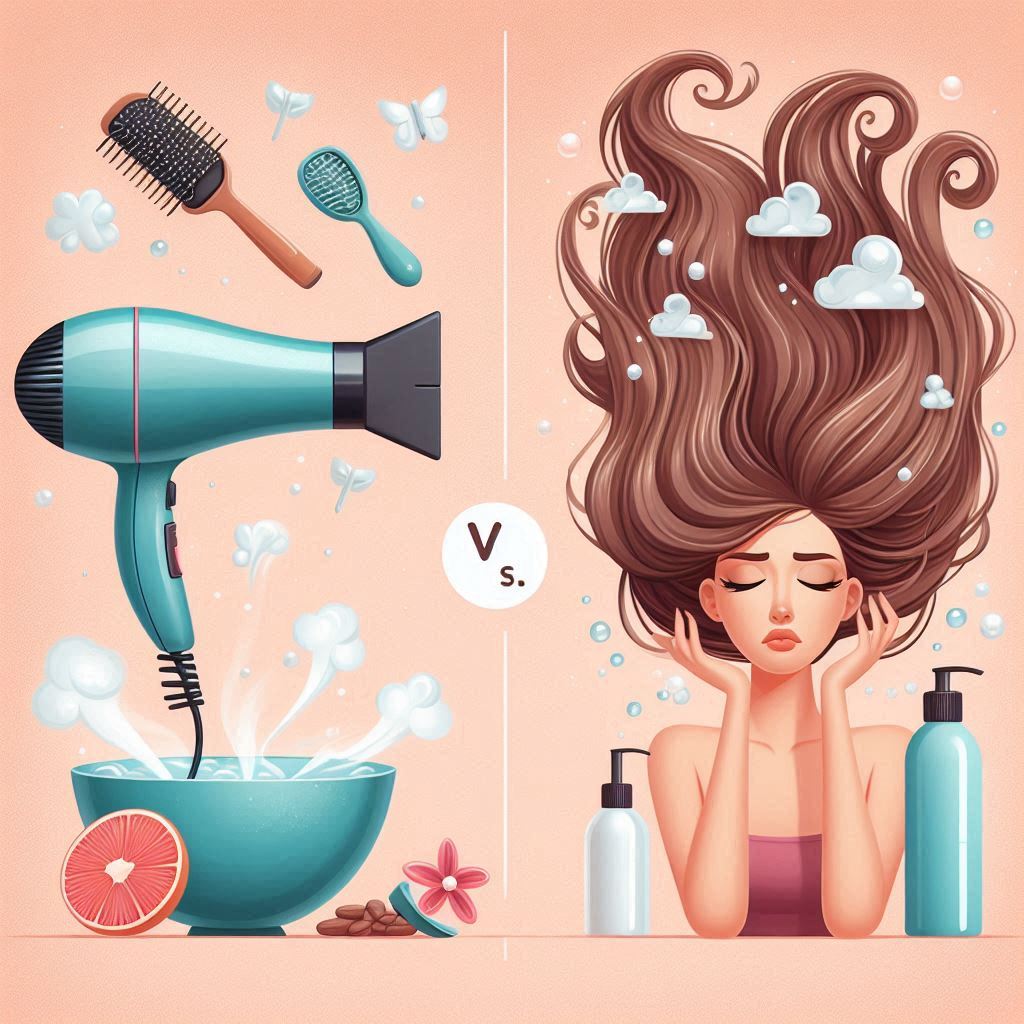
When it comes to drying freshly washed hair, the debate between air drying and blow drying often centers on which method is gentler and ultimately healthier for your hair. At first glance, air drying seems the obvious choice—free of heat and styling tools. Yet, recent research reveals a more nuanced reality: prolonged exposure to moisture can weaken the hair’s inner structure, while gentle, well-executed blow drying may offer greater protection against structural damage. In this essay, we’ll explore the scientific dynamics underneath each method, weigh their respective pros and cons, and determine which approach—or combination—serves the health and beauty of your hair best.
1. The Science of Wet Hair: Fragility, Swelling, and Hygral Fatigue
Hair, though seemingly strong and durable, is a delicate structure composed of overlapping cuticle layers and a protein-rich cortex. When wet, hair absorbs water into the cortex, causing it to swell by up to 30% of its weight. This expansion weakens the protein bonds within the hair and lifts the cuticle, leaving it more prone to damage. The longer hair remains wet, the more stress it endures due to ongoing swelling and softening. A condition known as hygral fatigue occurs when hair repeatedly swells and contracts through frequent washing and air drying. This cyclical stress causes gradual deterioration in elasticity, resulting in hair that feels limp, breaks easily, and lacks its natural resilience. In this state, even minimal manipulation—like combing or resting on a pillow—can contribute to split ends and breakage. Therefore, understanding the biological vulnerability of wet hair is essential to determining which drying method is ultimately healthier for long-term hair maintenance.
2. Air Drying: Gentle in Theory, Risky in Practice
Air drying has long been perceived as the healthier alternative to heat-based methods because it avoids direct thermal damage. It allows hair to dry gradually, preserving natural oils and minimizing disruption to the hair’s cuticle structure. For some hair types—especially finer or low-porosity strands—air drying can help retain softness and reduce frizz. However, the extended time it takes for hair to dry naturally may actually introduce a different type of risk. Hair remains in its swollen, weakened state for longer periods, making it more susceptible to breakage from environmental friction or handling. For example, sleeping with damp hair or tying it up while wet can stretch or snap strands. Additionally, when hair is not thoroughly dried near the scalp, the damp environment can promote fungal growth and scalp irritation, particularly in humid climates. These hidden dangers challenge the idea that air drying is universally safe and point to the need for careful drying habits—even when no heat is used.
3. Blow Drying: Controlled Heat with a Protective Edge
Blow drying, while often criticized for causing heat damage, offers unique benefits when used correctly. It speeds up the drying process, shortening the amount of time hair remains in a vulnerable, wet state. When heat is carefully moderated—using low to medium settings, a diffuser, and a heat protectant—blow drying can seal the cuticle and smooth the hair’s surface, reducing frizz and improving manageability. Unlike air drying, blow drying also allows for directional styling, giving users more control over volume and shape. However, poor blow drying practices—such as using excessive heat, holding the dryer too close, or neglecting to apply a protective product—can lead to moisture loss, brittle strands, and long-term damage. The key lies in balance: avoiding maximum heat settings, keeping the dryer a safe distance from the hair, and moving the tool consistently to prevent overheating any one section. In this way, blow drying becomes not just a styling technique but a strategic tool for maintaining hair health when executed responsibly.
4. Expert Studies and Observations on Drying Methods
Scientific research provides clarity in the ongoing debate between air drying and blow drying. In controlled laboratory studies, hair that was left to air dry over several hours showed deeper structural damage to the inner cortex due to prolonged water exposure. In contrast, hair that was blow dried using moderate heat sustained more superficial damage limited to the outer cuticle. These findings suggest that while heat can degrade the surface of the hair, extended wetness can penetrate more deeply and undermine the strand’s strength from within. Professionals in the field of trichology—the scientific study of hair and scalp health—also support these conclusions. They emphasize that properly executed blow drying can be gentler on the hair than excessive air drying, especially when supported by thermal protection products. Stylists and dermatologists alike recommend drying the hair to at least 70–80% using a towel or low heat to avoid extended wetness, then finishing with air drying or cool-blow settings to reduce damage. Observations from real-world clients further confirm these outcomes: individuals who air dry consistently often report frizz, split ends, and flat roots, while those who adopt moderate blow drying with protective care report improved hair appearance and strength.
5. Hair Type Considerations: One Size Does Not Fit All
The effectiveness and safety of either air drying or blow drying can vary greatly depending on individual hair type. For instance, fine or low-density hair tends to dry more quickly and is more susceptible to damage from high heat. In such cases, air drying or using a blow dryer on a cool setting can help reduce breakage and preserve volume. On the other hand, thick, coarse, or high-porosity hair retains moisture longer, making it more vulnerable to hygral fatigue if left wet for extended periods. For these hair types, blow drying with medium heat and proper protection is often the healthier option, as it reduces drying time and minimizes internal fiber stress. Curly and textured hair types face unique challenges. When left to air dry without proper styling products or techniques, curly hair can become frizzy and lack definition. Blow drying with a diffuser attachment and low heat helps maintain curl patterns while reducing moisture-related damage. Additionally, chemically treated or color-processed hair—regardless of texture—is more fragile overall. For these individuals, carefully monitored blow drying with protective products often yields better long-term outcomes than prolonged air drying. Understanding one’s hair type and its specific needs is therefore a critical factor in determining the safest drying method.
6. The Case for a Hybrid Approach
For many people, the healthiest method of drying hair may not be strictly one or the other, but rather a hybrid approach that combines the strengths of both air drying and blow drying. This method typically begins by allowing the hair to air dry partially—around 60 to 80 percent—before finishing with a gentle blow dry on a cool or low heat setting. The benefit of this method lies in its ability to minimize total heat exposure while still avoiding the risks associated with prolonged wetness. By cutting down the time that hair remains in its most fragile state, this combined technique can significantly reduce breakage and internal fiber damage. It also allows for greater control over the final appearance of the hair, improving smoothness and style without full reliance on heat. This approach is especially beneficial for individuals with thick, high-density, or curly hair, as it accelerates drying without compromising texture. For those with damaged or treated hair, using a microfiber towel before any heat or styling further improves outcomes. Ultimately, the hybrid approach provides a balanced solution that acknowledges the limitations and strengths of both methods, making it a practical and personalized option for a wide range of hair types.
7. Recommended Products for Healthier Hair Drying
Regardless of the drying method chosen, the use of high-quality haircare products is essential for minimizing damage and supporting long-term hair health. For those who air dry, leave-in conditioners and anti-frizz serums can protect the cuticle and lock in moisture, helping to maintain softness and manageability as hair dries naturally. These products are especially useful for textured or curly hair, which tends to lose moisture quickly when air dried. Additionally, lightweight styling creams can add definition and control without weighing hair down. For individuals who blow dry, heat protectant sprays are non-negotiable. These products form a barrier over the cuticle, reducing the amount of direct heat that penetrates the hair shaft. Silicone-based protectants are particularly effective, as they can withstand higher temperatures and provide smoothing benefits. Blow-drying creams and serums with nourishing ingredients—such as argan oil, keratin, or panthenol—also help fortify hair against thermal stress while enhancing shine. Moreover, the choice of tools matters. Ionic blow dryers and diffusers are preferable because they distribute heat more evenly and reduce static, while microfiber towels or cotton t-shirts are ideal for pre-drying to reduce friction and cuticle abrasion. Using these products and tools consistently transforms both air drying and blow drying from potentially damaging routines into restorative, health-conscious rituals.
8. Building a Personalized Hair Drying Routine
The healthiest drying method is not just a matter of science or product choice—it must also align with an individual’s lifestyle, time constraints, hair goals, and daily habits. Building a sustainable routine requires a combination of technical understanding and intuitive awareness of how one’s hair responds to different environments and care techniques. For example, someone who exercises frequently or lives in a humid climate may benefit from quicker blow drying to avoid scalp issues caused by residual dampness. Conversely, someone with a low-maintenance routine and minimal styling needs may thrive with air drying, particularly when supported by gentle detangling and conditioning. It’s also important to consider the frequency of washing, as over-washing can deplete natural oils and exacerbate hygral fatigue regardless of drying method. Setting a routine that allows for proper scalp cleansing, followed by drying techniques suited to both the individual’s hair type and lifestyle, is key. Regular trims, protective styling when needed, and hydration through masks or oils further strengthen the hair’s resilience. Ultimately, no single drying method can guarantee perfect hair health; rather, it is the consistency and mindfulness of the broader routine that determines whether hair thrives or deteriorates over time.
9. Environmental Factors and Their Influence on Drying Methods
Environmental conditions such as humidity, temperature, air pollution, and altitude can significantly impact how effective and healthy a particular drying method is. In humid climates, for example, air drying may exacerbate frizz, lead to extended drying times, and even promote bacterial or fungal growth on the scalp due to the prolonged dampness. In contrast, dry climates can dehydrate hair during air drying, leading to roughness and a lack of shine. Individuals living in cold or wintery regions might find air drying particularly uncomfortable and even risky, as going outdoors with wet hair can increase the chance of scalp stress or illness. On the other hand, blow drying offers some insulation from these environmental challenges. A controlled indoor blow-drying session can help ensure hair dries completely and quickly regardless of the weather, protecting the scalp and strand integrity. However, pollution-heavy environments may demand added care regardless of drying method, as pollutants can cling to damp hair and exacerbate scalp irritation or buildup. These factors demonstrate that climate and surroundings are essential considerations when choosing the most beneficial drying routine. Adapting your method seasonally or while traveling can play a major role in reducing cumulative damage and optimizing hair health.
10. Psychological and Lifestyle Considerations
Hair care choices are not purely technical—they are deeply personal and often influenced by lifestyle, self-image, time constraints, and cultural norms. Many individuals opt for air drying simply because it fits into a low-maintenance lifestyle and doesn’t require investment in tools or techniques. It can also foster a sense of natural beauty and body positivity, as it allows the hair to fall in its original texture. For others, especially those with busy schedules or professional commitments, blow drying offers faster results and a more polished look. It aligns with social expectations of grooming and appearance, especially in work or formal environments. Additionally, for people managing mental health conditions like anxiety or depression, blow drying might feel like a form of structured self-care, while others might find it too exhausting and prefer air drying as a gentler, less overwhelming routine. Therefore, when evaluating what’s “healthiest,” it is also essential to consider what is realistically sustainable for an individual. A method that fits comfortably into a person’s day-to-day life is far more likely to be practiced consistently—and consistency, more than perfection, is key to maintaining healthy hair over time.
11. Misconceptions and Common Mistakes
Despite growing awareness about hair health, many misconceptions persist around both air drying and blow drying. A common myth is that air drying is always safer, when in fact, if done improperly—such as going to bed with wet hair or tying it up while it’s still damp—it can cause more long-term damage than a well-managed blow dry. Another frequent mistake is failing to apply leave-in protection during air drying. Just because heat isn’t used doesn’t mean the hair doesn’t need barrier support against moisture loss or environmental factors. On the other hand, blow drying is often blamed for all types of hair damage, yet many people use heat protectants incorrectly, or skip important steps like pre-drying with a towel to reduce drying time. Additionally, holding the blow dryer too close or using it on soaking-wet hair can cause immediate breakage and overheating. Others over-dry their hair, stripping away natural moisture and elasticity. Understanding these common errors is crucial for making informed decisions. Hair health is not about avoiding one method entirely but about eliminating the misuse of both methods. With the right education, most drying-related damage is completely preventable.
12. Long-Term Effects: What Science and Experience Tell Us
Looking beyond short-term appearance, it’s important to examine how both drying methods affect hair in the long term. Hair grows at an average of half an inch per month, but its quality over time is shaped by how it’s treated day to day. Studies show that prolonged air drying—especially when practiced without consideration for hair type, environmental conditions, or protective products—can contribute to internal damage like hygral fatigue and protein breakdown. This leads to reduced elasticity and resilience over time. On the flip side, excessive or high-heat blow drying is linked to structural weakening of the cuticle, leading to roughness, split ends, and dullness. In both cases, cumulative neglect or poor technique eventually results in hair that is brittle, lacks shine, and breaks easily. However, consistent use of proper tools, products, and drying strategies can maintain hair’s integrity for years. Individuals who incorporate gentle drying habits, limit heat exposure, protect their hair during wet states, and adjust methods to suit their environment tend to experience less breakage, better moisture retention, and overall healthier-looking hair. Long-term hair health is not the result of choosing one side in the air-dry vs. blow-dry debate—it is the outcome of how well each method is executed.
Conclusion
The ongoing debate between air drying and blow drying is not a matter of one being universally better than the other, but rather a question of balance, technique, and personalization. While air drying is often praised for being gentler, it can inadvertently cause structural damage due to prolonged moisture exposure, especially in certain environments or with fragile hair types. Conversely, blow drying—often feared for its heat—can be safe and even beneficial when done properly with thermal protection, controlled temperatures, and the right tools. The healthiest approach to drying hair ultimately depends on an individual’s hair texture, lifestyle, environmental factors, and commitment to using protective products. A hybrid method, combining partial air drying with low-heat blow drying, appears to offer the best of both worlds, reducing hygral fatigue while limiting heat exposure. Most importantly, developing a consistent and mindful routine—one that accounts for both scientific findings and personal comfort—is the foundation of long-term hair health. With the proper knowledge and care, either method can be part of a sustainable, healthy hair regimen.
SOURCES
Byrdie Editors. (2024). Blow drying vs. air drying: Which is better for your hair? Byrdie.
Clinikally. (2024). Air-dry vs. blow-dry: What’s the best way to care for your hair? Clinikally.
Dove Hair. (2023). Air drying vs. blow drying: The ultimate guide to healthier hair. Dove.
Healthline. (2022). What is hygral fatigue and how can it be prevented? Healthline.
March Hair Tools. (2023). Air drying or blow drying: The best choice for your hair type. March Hair Tools.
Real Simple Editors. (2023). Air dry vs. blow dry: What’s really better for your hair? Real Simple.
Robert Applebaum, M.D. (2023). Blow drying vs. air drying: What’s better for healthy hair? Dr. Applebaum’s Blog.
Top Secret Haircare. (2024). Blow drying or air drying: Which is better for your hair? Top Secret Haircare.
Vogue Editors. (2023). Why letting your hair air-dry may not be such a good idea. Vogue.
Yonsei University Researchers. (2011). A study on hair shaft damage according to various drying methods. Annals of Dermatology.
HISTORY
Current Version
AUG, 11, 2025
Written By
BARIRA MEHMOOD