Introduction
Chemical hair relaxers and straightening treatments have long been sought after for their ability to transform tightly coiled or curly hair into a smoother, more manageable texture. From lye and no‑lye relaxers to modern keratin and thermal reconditioning systems, these procedures promise convenience and conformity to aesthetic ideals. However, mounting scientific and clinical evidence suggests that these treatments may carry serious long-term consequences—not only for hair integrity and scalp health, but also for hormonal balance, reproductive health, and even cancer risk. As these products are widely used—especially among Black women—it’s critical to understand their potential impacts at both the microscopic and systemic levels.
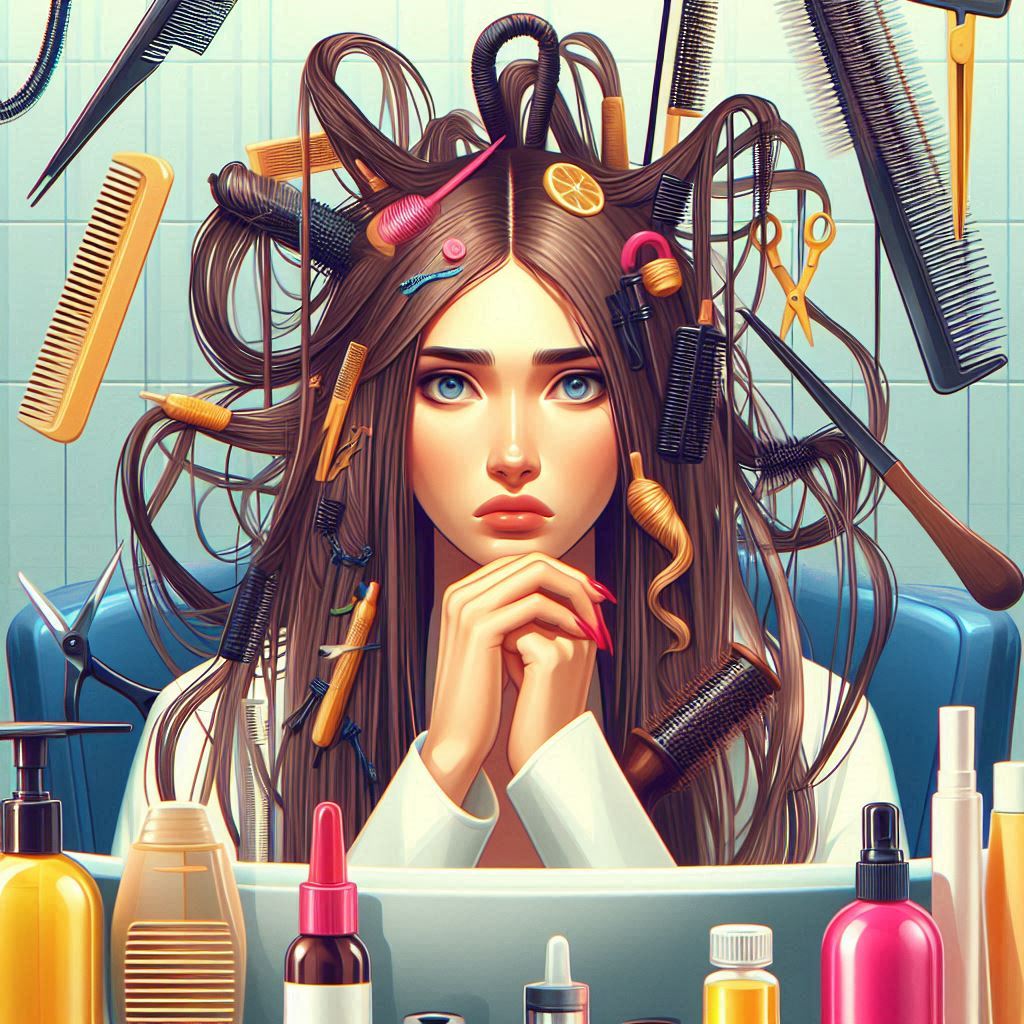
1. Structural Damage to Hair Fiber and Scalp Integrity
Chemical relaxers break down the disulfide and hydrogen bonds in hair, permanently reshaping its structure. This bond disruption leaves the hair shaft more fragile and prone to breaking. Numerous studies report that repeated use of relaxers compromises the cuticle and cortex, resulting in thinning, breakage, and brittleness. Users frequently experience scalp irritation, burns, and dermatitis—symptoms that can escalate into scarring alopecia if not treated properly. In many populations, especially among women in Kenya, over two-thirds report systemic and localized effects such as scalp pain, hair dyschromia, and desquamation. Shockingly, even products labeled as “chemical-free” can have a highly acidic pH that damages the hair, with one study reporting over 40% hair loss in more than half of subjects following use. These findings underscore serious concerns about the cumulative structural harm of relaxers to hair and scalp alike.
2. Endocrine Disruption and Reproductive Health Risks
Chemical relaxers often contain ingredients such as phthalates, parabens, and other endocrine-disrupting compounds that can enter the body through the scalp. An analysis of commonly used hair products revealed numerous hormone-active chemicals often omitted from ingredient labels. Research in Ghana indicates that use of lye-based relaxers is associated with elevated levels of circulating estrogens among postmenopausal women—compounds that have been linked to increased breast cancer risk. Furthermore, data from a U.S. preconception cohort show reduced fecundability among both current and former relaxer users, particularly when use began in adolescence or occurred frequently. These results highlight concern that relaxer use may pose risks to reproductive function and hormonal balance.
3. Cancer Associations: Uterine, Breast, and Ovarian Risks
Several large-scale epidemiological studies have identified troubling associations between frequent relaxer use and increased risk of hormone-sensitive cancers. The NIH-AARP study showed that women who used hair straighteners more than four times per year had nearly double the risk of uterine cancer. Additional research implicates relaxer use—particularly with non-lye products—in elevated breast cancer risk, especially when usage occurred over long durations. Compounds commonly found in relaxers, including formaldehyde-releasing agents, phthalates, and parabens, are known carcinogens or endocrine disruptors, lending biological plausibility to these findings. These associations have prompted lawsuits, regulatory scrutiny, and growing awareness of the health implications tied to relaxer chemicals.
4. Dermatological and Microscopic Evidence of Damage
Clinical and histological examinations offer insight into how relaxers affect hair on a microscopic level. Research demonstrates that, while straightening can improve shine and cuticle smoothness, it does not repair internal fiber damage, with no significant reduction in split ends or fissures after treatment. Other studies confirm that relaxer application increases susceptibility to scalp disorders, including eczema, inflammation, discomfort, and hair loss. The long-term effects, including shifts in hair shaft composition and damage to the scalp barrier, remain under-investigated but highly concerning. Further research is urgently needed to delineate the full spectrum of long-term dermatological effects.
5. Respiratory and Occupational Health Hazards
While most discussions around hair relaxers focus on scalp and reproductive health, the inhalation risks associated with straightening treatments—particularly keratin or “Brazilian blowout” methods—warrant serious attention. Many of these products contain formaldehyde, a known human carcinogen, or release formaldehyde gas when heat is applied. The vapors generated during straightening procedures are harmful to both clients and salon workers. Prolonged or repeated exposure can result in chronic respiratory issues such as asthma, bronchitis, coughing, and eye and throat irritation. Salon technicians, who work in environments with inadequate ventilation, are especially vulnerable. The Occupational Safety and Health Administration (OSHA) has issued advisories on the use of such products, emphasizing the need for protective equipment and workplace air quality standards. In some countries and U.S. states, products containing or emitting formaldehyde above a certain threshold are restricted or banned altogether. However, due to lax regulation and misleading labeling, many treatments still contain hazardous compounds. These risks add another layer of complexity to the safety concerns surrounding chemical hair treatments, particularly in professional settings where exposure is frequent and prolonged.
6. Psychological, Cultural, and Societal Pressures
Hair is more than a biological structure—it is deeply tied to identity, self-esteem, and social perception. In many cultures, particularly among Black and Afro-Caribbean communities, the desire to straighten hair has historically been linked to societal ideals of beauty that favor Eurocentric features. This pressure often begins at a young age, with girls being encouraged to relax their hair to appear more “presentable” or “professional.” Over time, this can create internalized messages that natural hair textures are less desirable or acceptable. The mental health effects of these pressures can be significant. Many individuals report a love-hate relationship with their hair, feeling trapped between societal expectations and personal expression. Additionally, the time and cost associated with maintaining chemically straightened hair can lead to stress, especially when damage occurs or results are not as expected. The recent rise of the natural hair movement reflects a cultural shift—a reclaiming of texture and identity. Still, the influence of straight hair as a default aesthetic standard remains pervasive in many parts of the world. These psychological and societal factors often play a key role in the continued use of relaxers, despite growing awareness of their risks.
7. Legal and Regulatory Developments
As scientific evidence mounts linking hair relaxers to serious health concerns, particularly uterine and breast cancer, legal and regulatory responses are emerging. In the U.S., the FDA has proposed a ban on hair-straightening products containing formaldehyde and formaldehyde-releasing chemicals, citing their connection to both acute and chronic health effects. Meanwhile, thousands of women have filed lawsuits against major cosmetic companies, alleging that long-term relaxer use contributed to their cancer diagnoses. Legal investigations have also revealed that many products marketed to Black women contain higher concentrations of harmful ingredients compared to products marketed to other demographics, raising concerns about racial bias in product safety testing and transparency. Some advocacy groups are pushing for broader cosmetic reform legislation, urging policymakers to mandate clearer labeling, enforce ingredient safety limits, and conduct independent testing on high-risk products. Globally, countries like Brazil and members of the EU have stricter regulations around chemical ingredients in cosmetics, though enforcement varies. These legal battles and policy proposals are key steps toward holding companies accountable and protecting public health—but they also underscore how underregulated the beauty industry remains.
8. Recovery and Transitioning Back to Natural Hair
For many who stop using chemical relaxers, the process of returning to natural hair is both empowering and challenging. The transition phase typically involves growing out the natural texture while trimming off the chemically treated ends—a process that can take months or even years, depending on hair length and health. During this period, hair is particularly vulnerable at the demarcation line where natural and relaxed textures meet. Breakage, shedding, and dryness are common concerns. To support recovery, dermatologists and trichologists often recommend deep conditioning treatments, low-manipulation styles (such as twists or protective braids), and regular protein masks to rebuild strength. Additionally, scalp massages and natural oils like castor, jojoba, or rosemary oil may help stimulate growth and reduce inflammation. Psychologically, the shift can be profound. Many individuals report feeling a renewed sense of identity and pride in embracing their natural hair, especially after years of chemical dependence. Social media platforms and online communities have played a pivotal role in normalizing and celebrating natural textures, offering tutorials, support groups, and real-life testimonies. While the transition isn’t always easy, the long-term benefits for hair health, self-image, and autonomy are often transformative.
9. Cumulative Damage and Irreversibility
Chemical straightening is often marketed as a manageable, repeatable process—but its effects are cumulative. Each application strips the hair of structural proteins, lipids, and moisture, and over time, this degradation becomes permanent. Once the bonds within the hair shaft are broken, they cannot be fully restored. Many long-term users find that their hair becomes increasingly difficult to maintain, requiring more frequent relaxer applications to manage regrowth. This cycle leads to chronic breakage, scalp irritation, and thinning edges, especially in high-tension areas like the hairline. Even when individuals stop using relaxers, it may take years for the scalp and hair follicles to recover, and in cases of chemical burns or scarring alopecia, the damage may be irreversible. Furthermore, the skin’s barrier function may remain compromised, increasing vulnerability to infections or sensitivity. These long-term, irreversible effects serve as a stark warning about the risks associated with sustained chemical manipulation of hair.
10. Hair Relaxers in Children and Early Exposure Risks
One of the most concerning aspects of chemical relaxer use is its application in children, often starting as early as age six or seven. Many parents use these products to make their child’s hair easier to comb or to help them “fit in,” but this early exposure may be especially harmful. Children’s scalps are thinner and more absorbent than adults’, making them more vulnerable to chemical burns, hormone disruption, and sensitization. Studies have shown that early exposure to endocrine-disrupting chemicals found in relaxers correlates with earlier onset of puberty, fibroid development, and reduced fertility later in life. Furthermore, early use may set the stage for lifelong chemical dependency, as children internalize negative perceptions of their natural hair and are encouraged to maintain a straightened look into adulthood. This psychological grooming, compounded with biological vulnerability, makes childhood exposure a high-risk factor deserving of greater regulatory oversight and parental education.
11. Alternatives and Innovations in Hair Straightening
As awareness of the health risks of traditional relaxers grows, demand is increasing for safer alternatives. Brands are now developing “formaldehyde-free” keratin treatments and plant-based smoothing systems that aim to reduce frizz and temporarily loosen curl patterns without permanent chemical restructuring. While these may still contain heat-activated aldehydes or other modifying agents, they are generally less harsh than conventional relaxers when used properly. Additionally, heat-based straightening methods, such as silk pressing or thermal straightening with protective serums, offer a temporary option with lower chemical exposure—though frequent heat use can still lead to damage. Natural and DIY remedies, like coconut oil masks or aloe vera treatments, are also gaining popularity for promoting hair softness and manageability without structural change. These innovations reflect a broader movement in the hair care industry toward cleaner ingredients, transparent labeling, and consumer empowerment, but they still require scrutiny, as “chemical-free” does not always mean “risk-free.”
12. The Shift Toward Informed Choice and Hair Empowerment
Ultimately, the discussion surrounding hair relaxers is about more than cosmetics—it’s about informed choice, bodily autonomy, and cultural reclamation. For decades, relaxers were seen as the only viable option for social and professional acceptability. Today, as more people learn about the long-term risks, they’re choosing to embrace their natural textures or seek out safer alternatives. The internet has played a vital role in democratizing this knowledge, allowing individuals to share their stories, document their transitions, and support one another through hair journeys. The rise of natural hair influencers, textured hair campaigns, and afro-positive media has helped counter the mainstream pressure to conform. Still, the beauty industry must take greater responsibility for ensuring transparency, safety, and ethical marketing. Consumers, too, are realizing the power they hold—both in demanding safer products and in redefining beauty on their own terms. In this cultural evolution, hair becomes not just a statement of style, but a symbol of self-acceptance, resilience, and agency.
Conclusion
Hair relaxers and straightening treatments are more than a beauty routine—they are a health decision. From microscopic fiber damage to potential links with reproductive illness and cancer, the long-term effects of these products are both physically and psychologically significant. While the cultural and aesthetic appeal of straight hair has driven the widespread use of chemical treatments, the risks have too often been hidden or downplayed. Scientific research now paints a clearer picture: relaxers can cause irreversible damage, contribute to hormone disruption, and increase the risk of serious illnesses, particularly among frequent and early users. Yet, the emergence of natural hair movements, consumer advocacy, and safer alternatives signals a shift in narrative. Empowering individuals with accurate information, cultural validation, and healthier options is key to protecting both personal well-being and collective identity. In the end, the healthiest hair journey is not about texture—it’s about choice, safety, and self-respect.
SOURCES
Allure Editors. (2021). What to Know Before Getting a Chemical Relaxer Treatment. Allure.
AP Health and Science Department. (2023, October 19). FDA is thinking about a ban on hair‑straightening chemicals. Associated Press.
Clinics Journal. (2021). Effects of chemical straighteners on hair fiber and scalp. Elsevier.
Drugwatch. (2025, May 29). Chemical Hair Relaxers & Their Growing Health Concerns. Drugwatch.
Environmental Health Perspectives Sister Study Researchers. (2025). Hair straightener use in relation to prevalent and incident fibroids in Black women. NIH.
Mauro Montanaro. (2025). 6 Serious Health Threats Linked to Chemical Hair Relaxers. MauroMontanaro.com.
NIH-AARP Diet and Health Study Team. (2022). Hair straightening chemicals associated with higher uterine cancer risk. NIH.
Oregon OSHA. (2023). Hair smoothing products and formaldehyde safety. Occupational Safety and Health Administration.
PMC Researchers. (2022). Impact of acid and alkaline straightening on hair fiber. PubMed Central.
Scielo Brazil. (2022). Chemical hair treatment and scalp disorders in African women. Anais Brasileiros de Dermatologia.
Shetty, R., et al. (2021). Hair Cosmetics: An Overview – Chemical Straightening Effects. Indian Journal of Dermatology.
The Guardian Editors. (2024). The truth about hair relaxers: In the US, lawsuits over cancer; in Africa, soaring sales. The Guardian.
Verywell Health. (2024). FDA proposes ban on hair straighteners with formaldehyde. Verywell Health.
HISTORY
Current Version
AUG, 11, 2025
Written By
BARIRA MEHMOOD