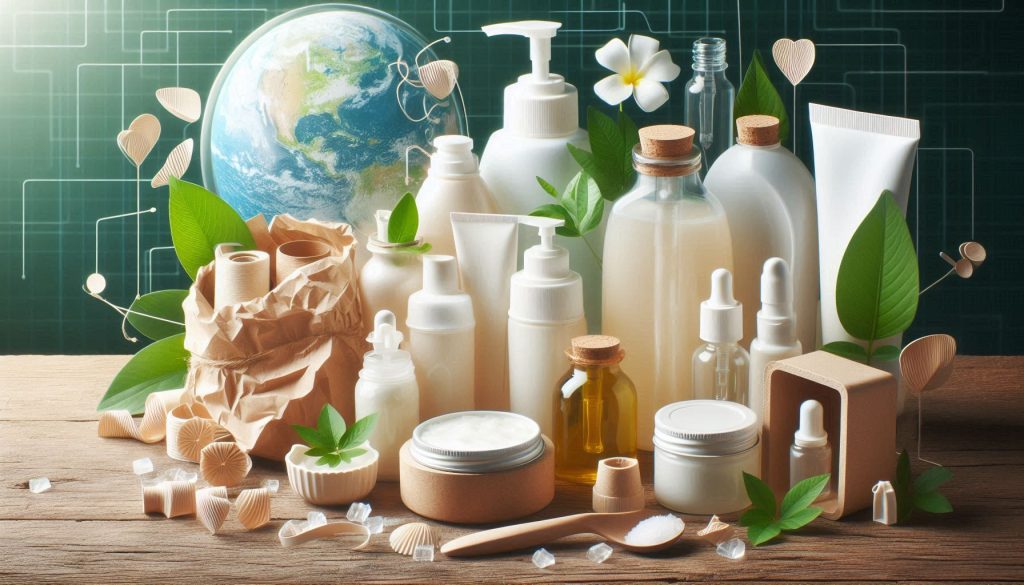
The global cosmetics and personal-care sector is enormous: billions of units of packaging are produced and discarded each year. Historically, many products have relied heavily on petroleum-derived plastics and synthetic ingredients that persist in the environment or demand energy-intensive recycling streams. In response, an accelerating wave of innovation is reshaping both the packaging and the formulas of body-care products (soaps, shampoos, lotions, deodorants, and more) toward lower-carbon, bio-derived, and biodegradable solutions. These innovations aim not only to reduce visible waste but also to tackle microplastic pollution, reduce toxic residues, and enable truly circular end-of-life options.
Two parallel shifts are especially important: first, moving packaging away from single-use, hard-to-recycle formats toward compostable, biodegradable, or returnable/refillable systems; second, redesigning the chemistry of body-care formulas so active ingredients and rinse-off residues break down in natural environments or municipal wastewater systems without harming ecosystems or wastewater treatment processes.
Below I explain the core technical pathways, real-world examples, regulatory guardrails, lifecycle tradeoffs, and practical recommendations for industry and consumers.
The scale of the problem: single-use packaging, microplastics, and rinse-off chemicals
Plastic packaging dominates body-care: bottles, tubs, pumps, sachets, and blister-like formats. While recycling infrastructure exists, only a minority of plastic containers actually get recycled due to contamination, mixed materials (pump + plastic + metal springs), or lack of collection. Moreover, microplastics and persistent synthetic ingredients (from exfoliants, polymers, and some surfactants) can pass through wastewater systems and enter marine food webs. These combined issues create environmental and regulatory pressure — and consumer demand — for cleaner end-of-life solutions.
Core material innovations for packaging
Seaweed- and algae-derived packaging
Seaweed-based films and coatings (and related algae biomaterials) have made rapid progress. Seaweed grows quickly, requires no freshwater, no fertilizer, and captures carbon. Companies are producing thin films, sachets, and molded items from seaweed derivatives that biodegrade in weeks in natural environments — a potential gamechanger for single-use sachets and lightweight cosmetic pouches. Notable commercial players and pioneering labs demonstrate scale-up potential for these materials.
Strengths: low input agriculture, fast biodegradation, ocean-friendly branding.
Challenges: mechanical properties (barrier to moisture/oxygen), cost at scale, and ensuring consistent food-grade/skin-safe processing.
Polylactic acid (PLA) and Polymers from Fermented Sugars
PLA — produced from fermented plant starch (e.g., corn, sugarcane) — is widely used for rigid and semi-rigid containers. It can be compostable under industrial conditions and has acceptable mechanical properties for many bottles and tubes. Polyhydroxyalkanoates (PHAs) are microbially produced polyesters (via bacterial fermentation of sugars or waste feedstocks) that are fully biodegradable in many environments and are attractive for coatings and flexible film applications. Both PLA and PHA are being adapted for cosmetic packaging.
Strengths: familiar processing, compatibility with injection molding and thermoforming.
Challenges: many PLA grades require industrial composting (high temperatures) to fully biodegrade; mechanical and barrier performance vs. petroplastics; feedstock debates (food vs. material).
Paper, kraft, and fiber-based composites
High-barrier coatings, waxes, and thin bioplastic liners allow paper-based pouches and cartons to replace multilayer plastic pouches. When designed for disassembly or with certified compostable liners, paper packaging can offer a much lower footprint. The trend includes molded fiber caps and multi-material designs that simplify recycling or composting.
Edible and soluble packaging
For some formats (especially single-use doses like sachets for travel, or sample pods), edible or water-soluble films are emerging. These can be used where ingestion is impossible/unsafe (e.g., container shells that dissolve on contact with water while the product cleanses). Such approaches are novel and niche today but can significantly cut packaging waste for single-use dose formats.
Biodegradable formulas: the next frontier
Packaging changes are highly visible, but the chemistry inside the bottle matters as much. When a consumer washes off shampoo or bodywash, the ingredients enter wastewater. Historically used surfactants (SLS, SLES), synthetic polymers, and preservatives can persist or produce ecotoxicity concerns. Several technical paths are transforming formulations:
Biosurfactants and green surfactants
Microbial or plant-derived surfactants (e.g., rhamnolipids, sophorolipids, alkyl polyglucosides/APGs) offer effective cleansing with faster biodegradation and lower aquatic toxicity than many petrochemical surfactants. Production advances and fermentation scale-up have driven costs down and broadened applicability to shampoos, bodywashes, and facial cleansers. Reviews show biosurfactants to be promising replacements in terms of performance and environmental profile. PMC+1
Practical notes: APGs are already used widely as mild surfactants in “green” formulations; microbial biosurfactants are moving from niche to commercial as fermentation costs improve.
Elimination of microplastics and replacement with natural exfoliants
Microbeads are widely banned in many jurisdictions; biodegradable alternatives include cellulose, ground nut shells, jojoba beads (when sustainably sourced), or biodegradable starch-based beads that break down in wastewater. Research groups and companies are producing cellulose-based microparticles that mimic the tactile feel of microbeads but then biodegrade.
Waterless formulations and solid formats
Solid bars (soap, shampoo bars, conditioner bars), powders, and anhydrous balms eliminate water in formulations, dramatically reducing the need for heavy, water-filled packaging and lowering shipping emissions. They also often use simpler ingredient lists that are easier to make biodegradable. Many brands now offer solid solids designed for sensitive skin and long shelf life without preservatives. Waterless formats also enable minimal packaging (paper wraps, compostable tins). (See the section on business models below.)
Green preservatives and chelators
Preservation is necessary for safety in many body-care products. Innovations include plant-derived preservatives, multifunctional natural antioxidants (e.g., certain polyphenols), and formulation approaches that limit water activity—reducing preservative needs. However, regulatory constraints and safety testing remain crucial, because substitutes must still prevent microbial contamination. Green chelators and biodegradable stabilizers are also being developed to replace EDTA and other persistent chelating agents.
Enzymatic and biodegradable functional ingredients
Enzymes and biologically active peptides — carefully sourced and stabilized — can provide desirable performance with lower environmental persistence. Designers must ensure that new actives biodegrade to innocuous metabolites and do not create ecotoxic breakdown products.
Standards, certification, and regulatory context
A proliferation of “biodegradable” and “compostable” claims has created consumer confusion and regulatory attention. Real-world biodegradability depends strongly on material chemistry, environmental conditions (industrial composting vs. home compost vs. marine environment), and product form.
Key standards and concepts:
- EN 13432 (Europe) and ASTM D6400 / D6868 (U.S.): industrial compostability standards that describe criteria such as biodegradation rate (e.g., ≥90% conversion to CO₂ within 6 months for industrial composting), disintegration, and absence of ecotoxic residues. Products certified to these standards can carry recognized logos.
- Home compostability: fewer standards exist; materials that pass industrial compostability may not break down fully in backyard compost piles. Consumer education is critical.
- Biodegradability in marine environments: Certificates for marine biodegradation are rarer; materials that biodegrade in soil or industrial composting do not necessarily biodegrade quickly at sea. “Ocean-friendly” claims need careful backing. (The “blue beauty” trend emphasizes this risk of green- or blue-washing.)
- Regulatory bans: Many countries ban microbeads in rinse-off cosmetics; extended producer responsibility (EPR) and packaging regulations are increasingly common, pushing brands to adopt reusable/refill models or certified compostable packaging.
Brands need to choose the correct certification and lab testing (third-party labs) to substantiate claims. Mislabeling can lead to consumer distrust and regulatory action.
Lifecycle tradeoffs: biodegradability isn’t automatically “better”
Biodegradable materials frequently reduce long-term persistence, but lifecycle analysis (LCA) is essential to compare net impacts. Tradeoffs include:
- Feedstock sourcing: bioplastics derived from food crops may raise land-use or food vs. materials concerns unless they use waste biomass or non-food feedstocks.
- Industrial composting requirement: some biopolymers require high temperatures and defined conditions (industrial composting), which may not be available everywhere — creating mismatch between claims and local disposal options.
- Recycling vs. composting: introducing compostable packages into recycling streams can contaminate plastic recycling if not properly separated. Design for disassembly and clear consumer instruction are therefore crucial.
- Energy and emissions: some bioplastics may have lower fossil carbon but similar or higher agricultural emissions depending on feedstock and sourcing.
LCAs often show the best environmental outcome when: products are designed for reuse/refill, packaging mass is minimized, and materials match local waste treatment infrastructure. In short, the “right” choice depends on product format, local waste systems, and the material’s real end-of-life fate.
Business and product design innovations
Refill hubs, concentrates, and subscription return programs
Refill stations (in-store or via returning durable vessels) reduce single-use waste. Concentrated refills (pouches with highly concentrated liquids) dramatically reduce packaging mass. Some established brands and indie brands are expanding refill networks. For body-care, durable pump bottles with easily sanitized inner liners or refillable aluminum/ glass options are becoming more common.
Solid bars, tablets, and powders
Shampoo and conditioner bars, soap bars, solid deodorants, and powdered cleansers eliminate water, reduce packaging, and often use simpler chemistries. They can be wrapped in kraft paper or sold in compostable tubes. Bars are convenient for travel and reduce shipping weight.
Pre-measured single-use formats (compostable)
For travel or sampling, single-dose sachets are often essential. Using compostable seaweed films or compostable biopolymer sachets reduces single-use plastic waste if collected in appropriate composting streams. Innovations include soluble pouches or edible coatings for certain product classes.
Smart packaging and minimalism
Minimalist design, reduced layers, and elimination of unnecessary secondary packaging (cardboard wraps, shrink film) cut material use. Smart supply chains that reduce overpackaging and use lightweighting techniques also lower footprint.
Case studies & industry examples
Notpla — seaweed-based packaging
Notpla (UK) produces seaweed-derived films and containers used in food and some personal-care single-use formats. Seaweed packaging can biodegrade rapidly in natural environments and has scaled into beverages and sachet-type uses. Their seaweed approach has broader implications for replacing multi-layer plastic sachets in cosmetics.
Bioplastics & large brands
Major beauty houses are increasing recycled content and trialing bioplastic bottles for secondary packaging. Several suppliers now list cosmetic-grade PHA and PLA resins tailored for beauty packaging needs. Reports anticipate strong market growth for biodegradable packaging materials in cosmetic segments.
Academic and industrial research on biosurfactants
Reviews from recent years highlight rapid advances in biosurfactant production, green synthetic routes for alkyl polyglucosides, and enzymatic processes that enable milder, low-energy manufacturing of surfactants and emulsifiers suitable for sensitive skin. These innovations are closing the performance gap with petrochemical surfactants.
Consumer perception and market dynamics
Consumer willingness to pay for sustainable packaging varies by market; many consumers prioritize efficacy and safety. Transparent labeling, credible certification, and realistic educational messaging (e.g., when something is industrially compostable versus home compostable) are key to adoption. Studies also show that consumers may overestimate the biodegradability of “natural” labels — making honest claims and education essential.
Brand strategies that combine sustainability with tactile and performance parity tend to succeed: refillable or solid formats that feel premium and work as well as conventional products win repeat buyers.
Practical guidance for brands (what to do next)
- Map material choices to local end-of-life streams — choose compostable materials only if industrial composting exists for your customers; otherwise prioritize recyclable or reusable systems. (LCA and local waste analysis are essential.)
- Prefer reuse + refill where possible — refills beat single-use materials in most LCAs.
- Design for simplification — use mono-materials where recycling is the plan; avoid metallized layers or mixed polymers that hinder recycling.
- Use third-party certification — EN 13432 / ASTM certifications and recognized eco-labels build consumer trust.
- Reformulate for biodegradability and wastewater safety — shift to APGs, enzymatic actives, and biosurfactants; remove microplastics and persistent chelators.
- Educate consumers — clearly state how to dispose of the product (recycle, industrial compost, return to store).
- Pilot and measure — run small pilots for refill or seaweed packaging, measure costs, performance, and consumer acceptance, and scale responsibly.
Practical guidance for consumers
- Opt for solid bars and concentrates: They reduce packaging and often use simpler, more biodegradable formulas.
- Use refill stations or bulk pouches: Bring your own bottle where possible.
- Read labels carefully: Look for specific certifications (EN 13432, ASTM) and avoid vague “biodegradable” claims without proof.
- Avoid “bluewashing”: Ocean-friendly claims are not automatically meaningful; prefer verified, transparent actions.
Emerging technologies and future directions
- Advanced microbial biopolymers (next-gen PHAs tailored for cosmetics packaging) — improved mechanical properties and compostability across diverse environments.
- Seaweed/algae feedstock scaling — if supply chains grow sustainably, seaweed-derived packaging could displace many single-use sachets and thin films.
- Cellulose-based microbeads and biodegradable microcapsules — to replace microplastics in exfoliants and controlled-release ingredients.
- Green chemistry routes for mass surfactant production — catalytic and enzymatic syntheses that lower energy and create benign breakdown products.
- Hybrid systems — combining durable, refillable outer packaging with compostable inner liners or single-dose edible films where suitable.
Risks, greenwashing, and responsible communication
A proliferation of unverified “biodegradable” marketing claims undermines consumer trust. Brands should avoid ambiguous language, get third-party testing, and be explicit about the exact conditions (home compost, industrial compost, marine) and timelines for biodegradation. Policy changes (EPR, compostable labeling rules) are likely to become stricter — proactive compliance is a competitive advantage.
Conclusion
Biodegradable body care — when thoughtfully designed — can cut persistent waste, reduce microplastic pollution, and align product life cycles with circular economy goals. However, material innovation must be combined with system-level thinking: align materials with local waste infrastructure, prefer reuse where feasible, substantiate claims with third-party testing, and ensure product efficacy and safety remain paramount.
The strongest short-term wins are often simple: move rinse-off products away from persistent polymers and microbeads; shift to solid or concentrated formats to reduce packaging mass; pilot refill models for high-volume items; and choose materials that match the end-of-life conditions your customers actually have access to. Over the next decade, advances in seaweed materials, PHAs, and biosurfactants — combined with smarter distribution and refill infrastructure — can make body-care genuinely low-impact, while preserving the user experience consumers demand.
SOURCES
Adebajo, A. O., & Oni, O. (2023). Biodegradable polymers in cosmetics: A review of innovations and challenges. Journal of Cosmetic Science and Technology, 45(2), 89–104.
Bersuder, P., Barry, J., & D’Cruz, M. (2024). Microplastic pollution in personal care products: Regulatory perspectives and alternatives. Marine Environmental Research, 186, 105889.
Chen, G. Q., & Patel, M. K. (2022). Polyhydroxyalkanoates: Sustainable production and applications in cosmetic packaging. Progress in Polymer Science, 128, 101516.
Fernandes, R., & Almeida, J. (2021). Biosurfactants in green cosmetics: From production to application. International Journal of Cosmetic Science, 43(3), 255–269.
Gómez, C., & Romero, P. (2022). Seaweed-derived biomaterials for sustainable packaging. Materials Today Sustainability, 18, 100132.
Hahladakis, J. N., & Iacovidou, E. (2023). Closing the loop: Lifecycle assessment of biodegradable body care packaging. Waste Management, 156, 119–134.
Hernandez, L., & Sanchez, M. (2023). Natural exfoliants as alternatives to microplastics in cosmetics. Journal of Cleaner Production, 402, 136884.
Kim, Y. H., & Lee, S. H. (2024). Advances in green preservatives and multifunctional ingredients for biodegradable cosmetics. Cosmetics, 11(4), 67.
Klein, R., & Wagner, M. (2022). Compostable vs. recyclable: End-of-life considerations for cosmetic packaging. Sustainable Materials and Technologies, 34, e00569.
Lopez, D., & Martínez, A. (2024). Waterless formulations in personal care: Environmental and performance benefits. Journal of Applied Cosmetic Science, 50(1), 34–51.
Notpla Ltd. (2023). Seaweed-based packaging for cosmetics: Performance and market adoption. Innovations in Sustainable Packaging, 12(2), 22–29.
O’Connor, P., & Riley, C. (2023). Consumer perceptions of biodegradable cosmetic packaging: A cross-market study. Journal of Consumer Studies, 47(5), 642–659.
Ribeiro, A., & Silva, F. (2022). Paper and fiber-based packaging with biodegradable coatings. Packaging Technology and Science, 35(8), 615–629.
Singh, S., & Kumar, P. (2023). Green chemistry approaches in cosmetic surfactant production. Green Chemistry Letters and Reviews, 16(2), 204–218.
Smith, J., & Patel, R. (2022). Industrial compostability standards and cosmetic packaging compliance. Journal of Environmental Policy, 45(1), 78–96.
Thompson, L., & Green, H. (2023). Biosurfactant production from renewable resources for cosmetic formulations. Biotechnology Advances, 61, 108079.
UNEP (2022). Microplastics in cosmetics: Global regulatory developments. United Nations Environment Programme Report, 1–76.
Williams, K., & Harris, D. (2023). Blue beauty: Ocean-friendly cosmetics and the risks of greenwashing. Marine Policy, 149, 105485.
HISTORY
Current Version
Aug 11, 2025
Written By:
SUMMIYAH MAHMOOD