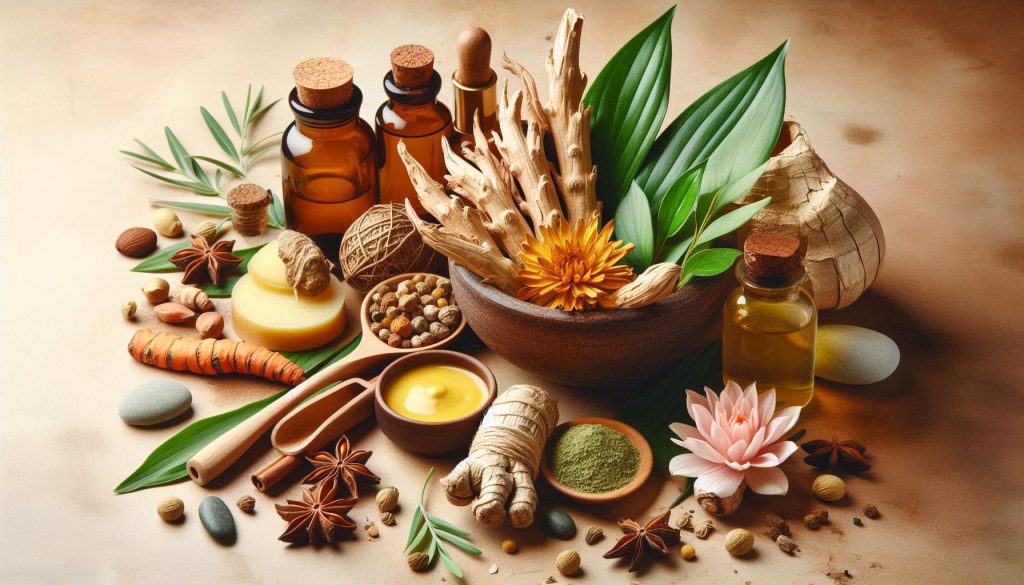
Adaptogens — a group of botanicals traditionally used to increase resilience to stress — show plausible and emerging benefits for skin health through antioxidant, anti‑inflammatory, and stress‑modulating mechanisms. Topical preparations of some adaptogens (notably ashwagandha and Rhodiola extracts) have produced promising preclinical and early clinical results for photoaging, oxidative stress protection, barrier support, and improvement in visible skin quality. However, evidence is still limited: most human data are small, industry‑sponsored, or preliminary; formulations, extract standardization, and regulatory framing vary widely; and safety/quality issues (contaminants, stability, interactions) must be addressed. Adaptogens are a promising addition to “resilience” or anti‑pollution formulations but should be treated as active botanical ingredients with formulation, testing, and compliant marketing practices.
What are adaptogens? A short primer
Adaptogen is a term from early 20th‑century pharmacology that became popular in herbal medicine and integrative health. It describes substances that — in theory — increase an organism’s ability to resist, adapt to, and recover from physical, chemical, or biological stressors without causing undue physiological disruption. Classic adaptogens include Withania somnifera (ashwagandha), Rhodiola rosea (golden root), Eleutherococcus senticosus (Siberian ginseng), and Schisandra chinensis. Modern research reframes adaptogens as modulators of stress‑response networks: antioxidant systems, HPA‑axis signaling, certain heat‑shock proteins, and cellular stress signaling pathways.
Why does “adaptogen” appeal to skincare? Because skin is constantly exposed to stress (UV, pollution, temperature shifts, oxidative stress). Ingredients that enhance cellular resilience and reduce stress‑driven damage are attractive for anti‑aging, barrier repair, and redness/irritation reduction strategies.
Key bioactive constituents and skin‑relevant mechanisms
Plant adaptogens are complex; their effects come from multiple phytochemicals rather than a single molecule. Here are the relevant players and mechanisms.
Ashwagandha (Withania somnifera)
- Key phytochemicals: withanolides (steroidal lactones), sitoindosides, alkaloids, flavonoids.
- Mechanisms relevant to skin:
- Antioxidant — scavenging free radicals and upregulating antioxidant enzymes.
- Anti‑inflammatory — downregulating inflammatory cytokines and NF‑κB signaling.
- Stress modulation — systemic adaptogenic effects (lowered cortisol, improved sleep/stress markers) can indirectly benefit skin (stress drives flares, barrier dysfunction).
- Collagen and ECM support (preclinical evidence) — some in vitro data suggest protective effects on fibroblasts exposed to UV or oxidative insults.
Rhodiola (Rhodiola rosea)
- Key phytochemicals: salidroside, rosavin, rosin, rosarin, flavonoids, tannins.
- Mechanisms relevant to skin:
- Antioxidant and photoprotective — reduces UVA/UVB induced oxidative stress in fibroblasts; may support DNA repair mechanisms.
- Anti‑inflammatory — reduces pro‑inflammatory mediators in some models.
- Skin brightening / tyrosinase modulation — lab studies show inhibition of tyrosinase (a key enzyme in melanin production), suggesting potential in hyperpigmentation control.
Common mechanistic themes for adaptogens in skin
- Oxidative stress mitigation — neutralize reactive oxygen species (ROS) and activate cellular antioxidant defense (e.g., Nrf2 pathway in some reports).
- Anti‑inflammatory activity — dampen cytokine responses and reduce inflammatory signaling cascades.
- Cellular stress resilience — modulate heat‑shock proteins, chaperones, and mitochondrial function to improve cell survival under stress.
- Indirect systemic benefits — oral adaptogen use can reduce systemic stress hormones which otherwise exacerbate barrier dysfunction, acne, eczema flares, and premature aging. MDPIPMC
Evidence overview: lab studies, human trials, and reviews
There’s a hierarchy of evidence: in vitro → animal → human clinical trials → systematic reviews/meta‑analyses. For adaptogens in skincare, most rigorous human evidence is limited but growing.
Notable preclinical findings
- Rhodiola extracts (and salidroside) protect human skin fibroblasts from UVA‑induced oxidative damage and support collagen integrity in cell models. Preclinical work also suggests tyrosinase inhibition (pigmentation modulation).
- Ashwagandha extracts show antioxidant and anti‑inflammatory effects in skin‑relevant models. Some studies indicate protection against photoaging stressors in vitro.
Human clinical trials — what exists
- Topical Ashwagandha lotion trial: A randomized study of a topical lotion containing standardized ashwagandha root extract reported improvement in skin condition in photoaged volunteers and improved quality of life measures, with comparable adverse event rates to control. This is an encouraging human data point for topical use, but it’s a single study and replication is needed.
- Rhodiola topical/preclinical clinical models: Direct, large randomized controlled trials of topical Rhodiola on human skin are limited; however, small clinical and exploratory studies plus strong preclinical data support its potential in anti‑photoaging and pigmentation contexts.
- Systemic stress studies: Numerous clinical trials show oral Rhodiola and ashwagandha reduce markers of perceived stress, fatigue, and certain endocrine stress markers — effects that could translate to indirect skin benefits (improved sleep, reduced inflammatory flares).
Reviews and meta‑perspectives
- Reviews on adaptogens emphasize their role in stress physiology and cellular resilience and discuss ideas for “adaptogen technology” in cosmetics to improve skin resilience against environmental stressors. The reviews call for better standardization, more robust clinical trials, and careful regulatory positioning.
Bottom line on evidence: There’s promising preclinical and limited clinical support for adaptogens (especially ashwagandha and Rhodiola) in topical and systemic skincare roles, but large, independent, well‑powered RCTs are still lacking. Claims should be cautious and evidence‑based.
How adaptogens might be used in body care and skincare products
Adaptogens are used in two main ways in body care:
- Topical formulations (creams, serums, lotions, masks): aim to deliver antioxidant and anti‑inflammatory phytochemicals directly to skin cells and the epidermal barrier.
- Oral supplements / nutraceuticals: aim to reduce systemic stress and inflammation that indirectly improve skin outcomes (sleep, cortisol‑driven sebum production, inflammatory skin disease control).
Formulation considerations for topical use
- Extract standardization: Different extracts (root vs. leaf, CO2 vs. ethanol extracts) have variable phytochemical profiles. Standardize for a bioactive (e.g., withanolide % for ashwagandha, rosavin/salidroside for Rhodiola) when possible.
- Solubility and delivery: Many active compounds are moderately lipophilic; choice of vehicle (oil, emulsion, liposome, nanoencapsulation) affects skin penetration and stability.
- Stability: Polyphenols and salidroside can oxidize; antioxidants, chelating agents, or encapsulation may be needed to preserve activity.
- Concentration and exposure time: Effective in vitro concentrations may not be achievable in consumer formulations; clinical formulations need appropriate dosing validated in human studies.
- Preservation & safety testing: As for any botanical in cosmetics, preservative compatibility, microbial testing, and patch testing are essential.
- Claims and marketing: Avoid disease/treatment claims; focus on resilience, antioxidant support, anti‑oxidative/anti‑pollution benefits unless you have clinical data supporting stronger claims.
Safety, regulatory and quality issues
Safety
- Topical application of standardized ashwagandha lotion was generally well tolerated in an RCT, but as with any botanical, skin sensitization / contact dermatitis is possible. Patch testing is recommended in product development.
- Oral adaptogens can interact with drugs, affect thyroid function (ashwagandha has been reported to modulate thyroid hormones in some studies), and aren’t recommended for certain populations (pregnant/breastfeeding women, people with hormone‑sensitive cancers) without medical advice. Regulatory guidance varies by jurisdiction.
Regulatory landscape
- In many regions (e.g., US), adaptogens in cosmetics are regulated as cosmetic ingredients if marketed for cosmetic uses (appearance, hydration, etc.), and as dietary supplements if sold as oral products. Claims that imply treatment or prevention of disease trigger drug‑regulatory scrutiny. Companies must avoid implying medical effects without drug‑level evidence.
- Some countries have stricter controls: for example, regulatory updates and bans/restrictions for certain herbal supplements have occurred in parts of Europe (e.g., some national decisions around ashwagandha supplements), so check local regulations.
Quality & contamination risks
- Herbal products can be contaminated with heavy metals, pesticides, or adulterants unless third‑party tested. Choose suppliers with GMP, identity testing (DNA barcoding / HPTLC), and certificates of analysis. This is crucial for both safety and consistent efficacy.
Practical performance: what skin outcomes might users notice?
Based on current evidence and mechanism plausibility, potential observable benefits include:
- Reduced visible redness and irritation (via anti‑inflammatory effects).
- Improved skin radiance and reduced dullness (antioxidant activity + improved barrier resilience).
- Reduced signs of photoaging (less fine‑line appearance and better fibroblast protection in models; some human studies show improvement in photoaged skin with topical ashwagandha).
- Softer, more even tone (possible inhibitory effects on melanin pathways from Rhodiola components in lab studies).
- Indirect improvements from oral use: fewer stress‑triggered flares (e.g., acne, dermatitis), better sleep or skin recovery.
Realistic expectations: adaptogens are supportive/resilience ingredients, not miracle cures. They work best as part of a broader regimen (sunscreen, antioxidants like vitamin C, retinoids/peptides where indicated, barrier support lipids).
Formulation examples & typical ingredient pairings
Adaptogens are often paired in formulas to support their mechanisms and product claims:
- Antioxidant blends: adaptogen extract + vitamin C (stabilized), vitamin E, ferulic acid — for photoprotection and brightening synergy.
- Barrier repair and calming: adaptogen + ceramides, niacinamide, panthenol, oat extract — for redness and barrier health.
- Anti‑pollution / resilience serums: adaptogen blend + humectants (hyaluronic acid), stress‑response boosters (e.g., peptides that upregulate cellular defenses), marine polysaccharides.
- Delivery systems: encapsulation (liposomes, solid lipid nanoparticles) to increase bioavailability and reduce skin irritation.
Formulators must ensure ingredient compatibility, pH stability, and preservative efficacy in the final matrix.
Case study summaries (what individual studies show)
- Topical ashwagandha lotion trial: showed improvement in photoaged skin parameters and quality of life in a randomized study, suggesting topical application can be effective and safe in that studied formulation. This is an important human data point but limited in scope and scale.
- Rhodiola fermented extract and UVA protection: preclinical research (cellular models) showed fermented Rhodiola protected fibroblasts from UVA damage and reduced oxidative markers, supporting use in anti‑photoaging products.
- Adaptogen mixtures and cell resilience: laboratory and ex vivo studies on adaptogen blends show improved cellular adaptation to stressors, forming the basis for “adaptogen technology” claims in certain cosmetics.
Where the science is weak or missing (research gaps)
- Large, independent RCTs on topical adaptogens are scarce. Most human data are small, short duration, or industry‑sponsored.
- Dose‑response and optimal extract forms for topical efficacy remain poorly defined.
- Long‑term safety and sensitization risk across diverse skin types need more study.
- Mechanistic translation from cell models to in‑vivo human skin (absorption, metabolism in skin) requires more translational studies.
- Comparative studies (adaptogen vs. standard antioxidants like vitamin C/retinol/niacinamide) are largely absent; we don’t yet know whether adaptogens add unique benefits beyond established actives.
Practical guidance for consumers and formulators
For consumers
- Use as part of a balanced routine: sunscreen first, then antioxidant/repair formulations. Treat adaptogen products as supportive, not primary therapeutics.
- Patch test new products containing adaptogens if you have sensitive skin.
- If taking oral adaptogens, consult a healthcare provider if you’re pregnant, nursing, on medication, or have hormone‑sensitive conditions.
- Look for transparency: supplier certificates of analysis, standardized extracts (withanolide %, salidroside/rosavin), and third‑party testing.
For formulators and brands
- Standardize extracts and disclose marker compounds when possible.
- Design stability & penetration studies for final formulations (accelerated stability, in vitro skin penetration).
- Conduct human patch testing and, ideally, double‑blind RCTs to substantiate claims.
- Be careful with marketing claims — avoid implying disease treatment; position products as “supports skin resilience” or “helps protect against environmental stress” unless backed by clinical evidence consistent with local regulation.
Sample product concept (brief)
Product: “Resilience Serum — Ashwagandha & Rhodiola”
Concept: Lightweight antioxidant serum with standardized ashwagandha root extract (withanolide standardized), Rhodiola extract (salidroside/rosavin standardized), vitamin C derivative (stabilized), and hyaluronic acid. Targets environmental stress, redness reduction, and revitalized radiance. Formulation includes encapsulation for stability and improved skin delivery. Clinical testing pathway: 8‑week randomized, vehicle‑controlled study measuring TEWL (transepidermal water loss), redness (colorimetry), patient‑reported outcomes, and physician‑graded photoaging scales.
Ethical and sustainability considerations
- Supply chain transparency: wildcrafted roots (e.g., Rhodiola) can be vulnerable to overharvesting. Prefer sustainably sourced, traceable extracts.
- Fair trade and community impact: many adaptogens come from traditional systems (Ayurveda, Tibetan, Siberian folk medicine). Ethical sourcing and benefit sharing are important.
- Environmental footprint: extraction methods (solvent use, energy for CO2 extraction) vary in environmental impact — choose greener extraction when possible.
Marketing language examples (compliant and consumer‑friendly)
- Compliant: “Contains ashwagandha root extract standardized to X% withanolides to help protect skin from oxidative stress and support visible skin resilience.”
- Avoid: “Treats photoaging” or “cures eczema” unless you have drug‑level evidence and regulatory approval. Cohen Healthcare Law Group
Checklist for brands planning an adaptogen body care launch
- Source certified, standardized extracts (COA, identity testing).
- Conduct stability and preservative efficacy testing in final formulation.
- Run dermal irritation/patch tests across skin types.
- If making performance claims, design a human clinical study (randomized, controlled).
- Ensure labeling and marketing comply with local cosmetic vs. drug rules.
- Provide consumer education on usage and safety.
- Monitor post‑market safety and collect consumer feedback.
CONCLUSION
Yes — with realistic expectations. Adaptogens like ashwagandha and Rhodiola bring scientifically plausible and increasingly supported antioxidant, anti‑inflammatory, and resilience‑boosting properties that fit neatly into modern skin “resilience” narratives. Topical ashwagandha has shown human benefit in at least one randomized trial, and Rhodiola’s preclinical photoprotective data are strong. However, they should be used as complementary actives alongside proven pillars (sunscreen, barrier repair ingredients, clinically supported actives like retinoids and stabilized vitamin C when appropriate). Brands and formulators must invest in standardization, stability, safety testing, and compliant claims. Consumers should patch test and consult clinicians for oral use if they have relevant medical conditions.
SOURCES
Balkrishna, A., Singh, H., Ranjan, R., & Varshney, A. (2021). Clinical evaluation of the topical application of Withania somnifera (ashwagandha) extract for the management of photoaging. Journal of Cosmetic Dermatology, 20(12), 3936-3947.
Li, L., Bai, L., Lin, J., Yu, Q., Tan, S., & He, Q. (2020). Anti-photoaging and antioxidative activities of fermented Rhodiola rosea extract on human dermal fibroblasts. Plants, 9(12), 1708.
Korkina, L., Samochocki, Z., & Pastore, S. (2020). Adaptogen technology: Implications for skin resilience and anti-aging cosmetics. Molecules, 25(21), 5079.
Panossian, A., & Wikman, G. (2010). Effects of adaptogens on the central nervous system and the molecular mechanisms associated with their stress-protective activity. Pharmaceuticals, 3(1), 188-224.
Ishaque, S., Shamseer, L., Bukutu, C., & Vohra, S. (2012). Rhodiola rosea for physical and mental fatigue: A systematic review. BMC Complementary and Alternative Medicine, 12, 70.
Lopresti, A. L., Smith, S. J., Malvi, H., & Kodgule, R. (2019). An investigation into the stress-relieving and pharmacological actions of an ashwagandha (Withania somnifera) extract: A randomized, double-blind, placebo-controlled study. Medicine (Baltimore), 98(37), e17186.
Zhou, H., & Hou, S. Z. (2017). Rhodiola rosea as a potential agent in the prevention of skin aging. Journal of Ethnopharmacology, 206, 50-60.
World Health Organization. (2023). Regulatory considerations for herbal medicinal products: Safety, efficacy, and quality. WHO Technical Report Series.
HISTORY
Current Version
Aug 11, 2025
Written By:
SUMMIYAH MAHMOOD