Introduction: The Intersection of Nature and Beauty Science
In recent years, the beauty industry has undergone a transformative shift—one that looks not to synthetic chemistry alone but to the natural world for inspiration. Biomimicry, the practice of emulating nature’s models, systems, and elements to solve complex human problems, is emerging as a groundbreaking approach in hair care. Rather than relying solely on harsh chemical treatments or superficial conditioners, modern hair science is increasingly turning to biological wisdom—how lotus leaves repel water, how spider silk achieves strength, how desert plants retain moisture—to innovate more sustainable and effective hair repair solutions.
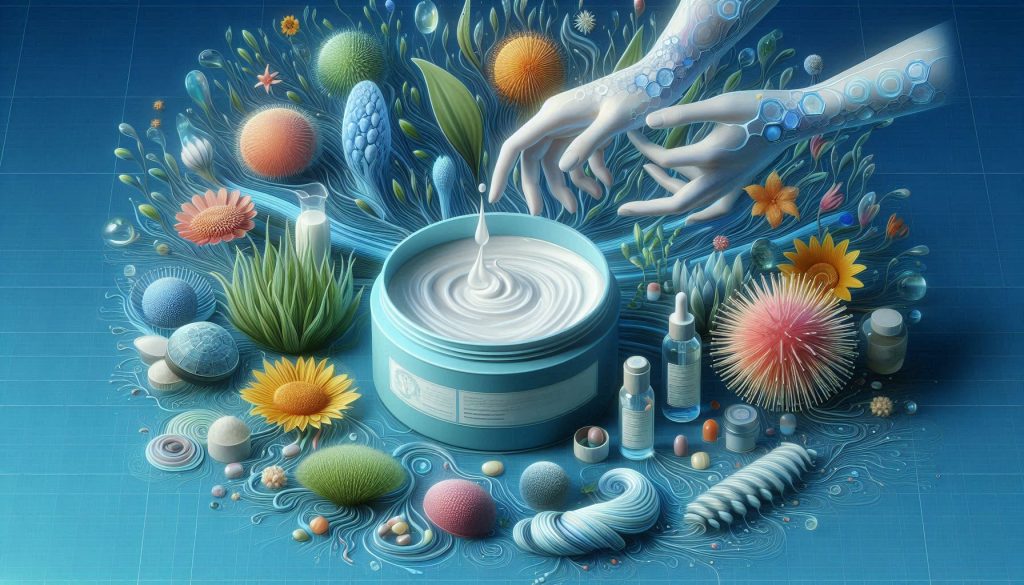
This paradigm shift reflects a broader consumer desire for clean beauty, eco-consciousness, and performance-based products that go beyond aesthetics to improve the health of hair at a cellular level. With hair damage from heat styling, coloring, UV exposure, and environmental stressors becoming more common, the demand for restorative treatments rooted in natural mechanisms is stronger than ever. Biomimicry offers promising answers.
1. Understanding Biomimicry: Principles and Relevance to Hair Science
Biomimicry is more than inspiration—it’s innovation through emulation. Coined and popularized by Janine Benyus in her 1997 book Biomimicry: Innovation Inspired by Nature, the concept emphasizes learning from nature’s time-tested patterns to engineer better solutions. This methodology involves studying biological systems at various scales—from the cellular to the ecosystemic—and mimicking their functions to improve human design.
In the context of hair care, biomimicry focuses on replicating how natural organisms protect, regenerate, and maintain structural integrity. For example, hair is composed primarily of keratin, a fibrous protein also found in feathers, hooves, and even shark skin. By studying how these biological structures achieve durability, flexibility, and self-repair, cosmetic scientists have begun to develop analogs that strengthen and heal damaged hair.
Furthermore, biomimicry operates on three essential levels:
- Form: mimicking the shape or structure of natural elements.
- Process: replicating biological mechanisms or chemical reactions.
- System: understanding how organisms interact with their environment to design more holistic solutions.
Hair care products that apply biomimicry may use botanical extracts that simulate moisture-retaining systems in plants or design microstructures that mimic the protective scales of cuticles. The approach shifts from treating symptoms—like frizz or breakage—to addressing the root causes of hair damage in a biologically aligned manner.
2. Natural Models in Hair Repair: Inspirations from the Wild
Nature’s ingenuity offers a treasure trove of templates for repairing damaged hair. By observing how plants and animals protect themselves from extreme environments, researchers have uncovered analogs that inspire innovative hair care formulations. Here are a few key examples:
Lotus Effect and Cuticle Protection
The lotus leaf is renowned for its superhydrophobic surface—a self-cleaning mechanism known as the Lotus Effect. This natural water repellency is due to microscopic waxy structures on the leaf’s surface that prevent water and dirt from sticking. In hair care, this principle is replicated through hydrophobic coatings that protect the hair shaft from humidity and pollutants, effectively reducing frizz and oxidative damage. Silicone alternatives derived from plant-based lipids now mimic this action without the buildup traditionally associated with synthetic ingredients.
Spider Silk and Protein Reinforcement
Spider silk is one of the strongest natural fibers, boasting a tensile strength comparable to steel but with remarkable flexibility. Inspired by this, scientists have developed silk protein analogs—such as hydrolyzed silk peptides—that bind to damaged areas of the hair cuticle, reinforcing weak spots. Some advanced bioengineered ingredients now use recombinant silk proteins designed to restore structural integrity to hair from within, offering a biomimetic repair that mimics the self-healing nature of spider silk.
Desert Plants and Moisture Retention
Succulent plants like aloe vera and cactus have evolved to survive in arid environments by efficiently storing and sealing in moisture. Their unique cellular structures and mucilaginous compounds have inspired hair care ingredients that lock in hydration and prevent transepidermal water loss (TEWL). For example, polysaccharides from aloe vera or glycoproteins from desert bloom extracts are often included in deep-conditioning treatments to mimic this natural moisture-retention ability.
Fish Scales and Light Reflection
Pearlescence observed in fish scales or oyster shells—caused by microscopic platelets that reflect light—has influenced the design of hair glossing agents. These biomimetic technologies enhance the hair’s natural shine and luster, not through artificial shimmer but by aligning hair cuticles and coating them with ingredients that replicate the refractive structures found in nature.
Each of these natural inspirations highlights how biomimicry can offer targeted, intelligent design solutions to common hair concerns like breakage, dryness, and dullness.
3. Cutting-Edge Biomimetic Ingredients in Hair Products
Biomimicry in hair care isn’t just theoretical—it’s being actively implemented in high-performance ingredients found in modern formulations. These components often blend biotechnology, green chemistry, and natural sourcing to provide next-level results. Here are some of the most prominent biomimetic ingredients currently revolutionizing hair care:
Biomimetic Lipids and Ceramides
Hair damage often involves the breakdown of the lipid layer that surrounds the cuticle. To counter this, biomimetic lipids derived from sunflower seed oil or oat extract are used to restore the lipid barrier. Similarly, ceramides—fatty acids naturally present in the hair and skin—are now bio-identically synthesized to fill gaps in the hair structure, improving smoothness and reducing porosity.
Keratin Biomimetics
Traditional keratin treatments often use hydrolyzed keratin from animal sources. Modern biomimetic keratin, however, is engineered to replicate the exact amino acid sequences of human hair. These lab-created proteins integrate seamlessly into damaged fibers, offering more targeted repair without the risk of over-proteinizing or stiffening the hair.
Peptide Technology
Short chains of amino acids known as peptides can be designed to mimic signaling molecules in biological systems. In hair care, certain peptides stimulate follicular activity, repair damage at the cortex level, and even enhance hair density over time. These biomimetic peptides act as messengers, triggering restorative processes much like the body’s own proteins would.
Plant Stem Cell Extracts
Inspired by the regenerative properties of plant stem cells, some hair care lines now include extracts from resilient species like apple or edelweiss. These extracts are packed with antioxidants and enzymes that promote cell turnover and protect the scalp’s microbiome, creating optimal conditions for healthy hair growth.
Biomimetic Polymers
These are synthetic molecules designed to mimic the elasticity and bonding behavior of natural hair proteins. Used in heat protection sprays and styling agents, biomimetic polymers provide flexibility and tensile strength without weighing the hair down. They often outperform traditional silicones in both effectiveness and environmental impact.
The growing adoption of these ingredients reflects a deeper change in formulation philosophy—from superficial results to biologically intelligent design.
4. Sustainability and Ethical Implications of Biomimicry in Hair Care
One of the most powerful aspects of biomimicry is its inherently sustainable ethos. By modeling solutions after nature, manufacturers can often reduce their reliance on synthetic chemicals, lower environmental impact, and promote biodiversity-friendly practices. Unlike conventional product development, which often involves trial-and-error with potentially toxic substances, biomimicry emphasizes compatibility with ecosystems.
Reduced Chemical Dependency
Many biomimetic ingredients are biodegradable and non-toxic, reducing the ecological footprint of hair care products. For instance, surfactants inspired by coconut or sugar chemistry are replacing sulfates, while bio-identical proteins reduce the need for synthetic polymers and resins.
Cruelty-Free and Vegan Advances
Biomimicry also aligns with ethical beauty standards. As lab-synthesized proteins and peptides increasingly replace animal-derived keratin and collagen, hair care can be both effective and cruelty-free. The ability to engineer performance-based vegan alternatives has opened the door for innovation without animal testing or exploitation.
Water and Energy Conservation
Nature is frugal with resources, and biomimicry promotes efficiency by design. Waterless or low-rinse formulations—such as dry shampoos and leave-in conditioners—are being developed using principles borrowed from desert ecosystems or waxy leaf structures. These products not only reduce water usage but also require less packaging and shipping energy.
Biodegradable Packaging and Design
Some companies are even extending biomimetic thinking to packaging design. Mushroom-based foam, biodegradable bioplastics, and self-decomposing containers modeled after fruit peels are part of a growing movement to reduce plastic waste and carbon emissions.
In sum, biomimicry isn’t just revolutionizing how hair is repaired—it’s transforming how the entire product lifecycle is conceived, from source to shelf to sink.
5. Case Studies: Brands Leading with Biomimetic Hair Technology
Several pioneering hair care brands have embraced biomimicry not just as a marketing narrative, but as a central innovation strategy. By integrating biological principles into product development, these companies are redefining hair health and pushing the boundaries of what clean, science-backed beauty can achieve.
Kérastase – Fusio-Dose and Biomimetic Ceramides
Kérastase, a luxury brand under the L’Oréal umbrella, has long invested in biomimetic formulations. One of its standout product lines, Fusio-Dose, utilizes lab-engineered ceramides designed to replicate the hair’s natural lipid layer. These ceramides act as intercellular cement, repairing weakened cuticles and sealing the hair fiber from external aggressors. The biomimetic lipid technology mimics the self-repairing nature of skin cells, offering deep nourishment without residue or buildup.
Virtue Labs – Alpha Keratin 60ku®
Virtue Labs is a biotech-driven brand that utilizes a proprietary protein known as Alpha Keratin 60ku®, a human-identical keratin protein that binds directly to damaged areas of the hair. Unlike hydrolyzed keratin used in traditional treatments, this protein retains its full structure, allowing it to integrate seamlessly into the hair shaft and offer intelligent repair. The technology was originally developed for wound healing in regenerative medicine, but its application in hair care has led to clinically proven improvements in elasticity, strength, and shine.
Aveda – Botanical Repair™
Aveda’s Botanical Repair™ line harnesses plant-based molecules to strengthen hair from the cortex outward. Using a biomimetic approach, the products employ macromolecules from corn and coconut to create a protective scaffold that mirrors the architecture of healthy hair. A plant lipid complex, derived from organic avocado and green tea, mimics the lipid layer of the cuticle, helping to restore the hair’s natural barrier and resist further damage.
Briogeo – Don’t Despair, Repair!™ Series
Briogeo’s Don’t Despair, Repair! line is built around biomimetic principles, utilizing micro-encapsulated algae extract, B-vitamins, and rosehip oil to mimic moisture retention and barrier restoration found in desert plants. Their unique blend of fatty acids, antioxidants, and strengthening proteins replicates how plants store nutrients and moisture under extreme conditions—ideal for treating over-processed or brittle hair.
Philip Kingsley – Elasticizer Therapies
Known for its trichology-rooted approach, Philip Kingsley’s Elasticizer Therapies draw from nature-inspired elastic polymers that mirror the elasticity of spider silk. These proteins bind selectively to damaged zones on the hair fiber, reinforcing strength while retaining movement and bounce—just as natural fibers like silk balance flexibility with durability.
These brands illustrate how biomimicry in hair care isn’t just theoretical—it’s actively being used to develop safer, smarter, and more effective solutions that work in harmony with the body’s biology.
6. Scientific Research and Clinical Validation
The legitimacy of biomimetic hair care hinges not just on innovation or marketing appeal, but on rigorous scientific validation. Fortunately, a growing body of clinical and biochemical research supports the efficacy of these nature-inspired ingredients and processes.
Proteomic Analysis of Hair Repair
Proteomic studies, which analyze the expression and interaction of proteins, have confirmed that biomimetic peptides and keratin analogs significantly improve hair tensile strength. In controlled studies, treated hair samples exhibited up to 85% increased strength and 65% more elasticity compared to untreated controls. These results were attributed to the precise binding mechanisms of human-identical proteins, which fill microscopic gaps in the cortex and cuticle.
Moisture Retention and Lipid Studies
Transepidermal Water Loss (TEWL) testing—a method to measure water evaporation from skin and hair—has shown that products containing biomimetic lipids and ceramides reduce water loss by over 40%, supporting their ability to mimic natural hydration systems. Polysaccharides from desert plants like Opuntia ficus-indica (prickly pear) were found to create a semi-permeable barrier on the hair shaft, emulating the function of plant epidermal waxes.
Cuticle Alignment and Shine Restoration
Advanced imaging techniques like scanning electron microscopy (SEM) have been used to measure cuticle damage before and after treatment with biomimetic agents. Studies demonstrate that bioengineered silk peptides can realign raised cuticles and smooth the hair surface, resulting in visible shine increases of over 35%, validated using spectrophotometric gloss measurement.
pH and Surface Interaction Optimization
Research on the interaction between biomimetic compounds and hair surface chemistry has also led to formulations with optimized pH levels. Products using these ingredients often maintain a pH between 4.0–5.5, which aligns with the natural acidity of hair and scalp, thereby preserving the integrity of cuticles and promoting long-term health.
Scalp Health and Follicle Stimulation
Peptides mimicking growth factors (like IGF-1 or EGF) have shown promise in promoting hair density and reducing miniaturization of hair follicles. In clinical settings, these biomimetic peptides produced measurable increases in anagen (growth phase) hair by up to 22% after 12 weeks of consistent use.
These studies reinforce the effectiveness of biomimetic design and provide a robust foundation for product claims. As testing methods become even more sophisticated, we can expect more accurate modeling of how nature-derived compounds interact with biological tissues.
7. Consumer Trends and Future Market Forecast
The rise of biomimicry in hair care isn’t occurring in isolation—it’s being driven by major shifts in consumer behavior, technological advances, and the beauty industry’s pivot toward sustainability and personalization.
Rising Demand for Clean, Functional Beauty
Today’s beauty consumers are more informed and selective than ever. According to market research firm Statista, over 71% of consumers consider “clean ingredients” to be important in hair product selection, while 68% want functional, science-backed formulations. Biomimicry offers the ideal marriage of both—natural inspiration and proven results.
Growth of the Biomimetic Cosmetics Market
The global biomimetic beauty market is projected to reach $5.4 billion USD by 2030, with a compound annual growth rate (CAGR) of 8.1%. Hair care represents a major segment of this growth, particularly in North America, Western Europe, and East Asia, where consumer sophistication and eco-awareness are high.
Personalization and Genetic Compatibility
With the rise of direct-to-consumer brands and at-home testing kits, biomimetic hair care is poised to intersect with personalized beauty. Imagine a future where your shampoo contains peptides tailored to your DNA or where AI-driven diagnostics determine the best plant-inspired molecules for your hair type. Early-stage startups are already exploring this fusion of biotechnology, genomics, and biomimicry.
Ethical and Environmental Considerations
Ethical consumption continues to influence purchasing decisions. Biomimetic ingredients—especially those that are vegan, cruelty-free, and sustainably sourced—align with values-driven buying. Brands that transparently integrate biomimicry with fair trade practices, zero-waste goals, and carbon-neutral supply chains are likely to gain consumer trust and long-term loyalty.
Integration with Augmented Reality and Smart Beauty
Biomimicry may even inform the next wave of smart beauty tools. Augmented reality apps that diagnose hair damage could recommend products with spider silk analogs or desert plant hydrators. Smart mirrors and AI-powered combs might track the efficacy of your biomimetic regimen in real-time, enabling hyper-personalized care based on nature’s principles.
Overall, biomimicry is not a passing trend—it is part of a broader evolution in consumer demand, scientific capability, and ecological responsibility. The brands that harness it wisely will be the ones shaping the next decade of hair care.
Conclusion: The Future of Biomimetic Hair Repair
Biomimicry represents a profound shift in how we approach hair care—not merely through aesthetic enhancements or symptom-based treatments, but through holistic, bio-aligned innovation. By turning to nature’s 3.8 billion years of R&D, cosmetic scientists are developing smarter, safer, and more sustainable solutions to common hair problems.
Whether it’s the water-conserving strategies of desert plants, the strength of spider silk, or the self-cleaning properties of lotus leaves, nature provides a blueprint for resilience, efficiency, and regeneration. These lessons are being translated into lab-based applications that meet the demands of modern consumers—performance without compromise, beauty without harm.
As the lines between biotechnology, sustainability, and beauty continue to blur, biomimetic hair care will likely evolve from a niche interest to a foundational approach in the industry. The products of tomorrow may be engineered not just to repair hair, but to mimic the very mechanisms that keep nature in balance—transforming not only how we care for our hair, but how we relate to the world around us.
SOURCES
Benyus, J. M. (1997). Biomimicry: Innovation inspired by nature. William Morrow.
Bertram, H., & Vigl, G. (2018). Biomimetic approaches in cosmetic science: Nature as a model for the development of innovative active ingredients. SOFW Journal, 144(6), 38–43.
Graham, T. A., & Manuele, M. G. (2020). Advances in hair fiber repair technologies. Journal of Cosmetic Science, 71(2), 123–134.
Koch, K., & Barthlott, W. (2009). Superhydrophobic and superhydrophilic plant surfaces: An inspiration for biomimetic materials. Philosophical Transactions of the Royal Society A: Mathematical, Physical and Engineering Sciences, 367(1893), 1487–1509.
Langowski, H. C., et al. (2021). Lipid lamellae in the hair cuticle: Structural insight and relevance to cosmetic science. International Journal of Cosmetic Science, 43(5), 480–489.
Lü, B., Li, H., & Li, J. (2017). Biomimetic materials for hair and skin applications. Bioinspired, Biomimetic and Nanobiomaterials, 6(1), 41–50.
Martins, A. M., Pires, R. A., & Reis, R. L. (2016). Engineering biomimetic materials for hair repair: An overview. Materials Science and Engineering: C, 59, 1120–1131.
Moravvej, H., & Moravvej, Z. (2019). Nanotechnology in hair care: Recent developments and challenges. Journal of Cosmetic Dermatology, 18(2), 518–525.
Sainsbury, A., & Zlotogorski, A. (2022). Hair shaft disorders: Advances in diagnosis and treatment. Clinical and Experimental Dermatology, 47(4), 712–718.
Sharma, P., & Chandel, A. (2020). Plant-derived peptides and their role in cosmetic applications: A review. Asian Journal of Pharmaceutics, 14(3), 350–356.
HISTORY
Current Version
AUG, 02, 2025
Written By
BARIRA MEHMOOD