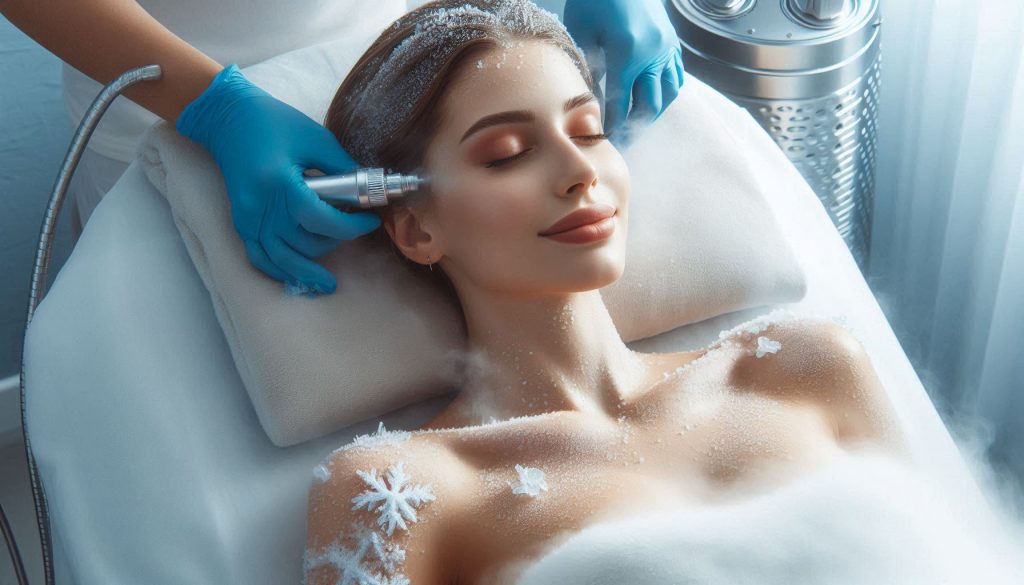
Cold has been used therapeutically since antiquity. Modern cryotherapy spans low-tech measures (ice packs, cold compresses) to sophisticated, instrumented procedures. Within body care and dermatology, the goals of cryotherapy range from symptomatic relief (reduced swelling, less soreness) to cosmetic improvements (skin tone, radiance, reduced pore size, less redness), and body contouring (fat reduction). This guide synthesizes the physiology behind cold treatments, summarizes clinical evidence across modalities, examines safety and contraindications, and provides practical guidance for clinicians, aestheticians, and consumers who want to use cryotherapy safely and effectively for skin rejuvenation and overall body care.
Short history of cryotherapy in medicine and cosmetology
- Early uses of cold: ice has been applied to injuries for centuries for analgesia, swelling reduction, and hemostasis.
- 20th century growth: liquid nitrogen cryosurgery (very low temperatures) became a mainstay in dermatology for destructive treatments (e.g., warts, precancerous lesions). Meanwhile, milder cold applications were used in physical therapy.
- Whole-body cryotherapy (WBC) originated in Japan in the late 1970s for rheumatoid arthritis, where patients were briefly exposed to very cold, dry air in specialized chambers. Over decades WBC migrated into sports medicine, rehabilitation, and wellness centers.
- Cryofacials and device-driven localized cold treatments emerged as cosmetology tools in the 2010s; cryolipolysis (the commercial brand “CoolSculpting” being the most recognized) emerged as a noninvasive fat-reducing technology that takes advantage of adipocyte sensitivity to cold.
- Today, a wide range of professional and consumer devices target facial and body cosmetics, performance recovery, and body contouring.
Types of cryotherapy used in body care and skin rejuvenation
Local cryotherapy
Local cryotherapy includes handheld devices (cryoglobes, cryo-wands), liquid nitrogen sprays (for superficial dermatologic ablation), and cryofacial services that apply cold vapor or cooled heads to the face for brief periods. Typically applied for 30 seconds to a few minutes per area, these treatments aim to reduce inflammation, refine pores, and produce an immediate “glow.”
Whole-body cryostimulation (WBC)
WBC involves short exposures (commonly 2–4 minutes) of the entire body in a specially designed cryochamber or cryosauna at very low temperatures (commonly between -60°C and -140°C, depending on equipment and protocol). Patients wear minimal clothing and protective coverings for extremities. WBC proponents argue systemic anti-inflammatory, analgesic, and regenerative responses. WBC is widely used in sports recovery clinics and wellness centers. Evidence supports some anti-inflammatory and recovery benefits but the field is evolving.
Cryolipolysis
Cryolipolysis is a device-based treatment that uses controlled cooling applied to subcutaneous fat to induce selective adipocyte apoptosis while sparing surrounding tissues. It is a widely adopted noninvasive body-contouring treatment with validated efficacy for localized fat reduction (e.g., abdomen, flanks). Some studies also report improvements in skin laxity after cryolipolysis, likely from dermal remodeling secondary to controlled injury.
Traditional cold therapy
This includes ice packs, cold compresses, ice massage, and contrast therapy (alternating hot/cold). These are widely accessible and effective for short-term analgesia and edema control but lack the systemic or device-specific mechanisms attributed to WBC or cryolipolysis.
Basic physics & physiological responses to cold exposure
Heat transfer: conduction and convection
Cold applied to the skin removes heat by conduction (solid contact, e.g., ice pack) or convection (cold air flow in cryochambers). The temperature gradient, duration, and surface area determine the depth of tissue cooling. Short, intense cooling of the skin surface can strongly reduce skin temperature while deeper tissues remain relatively warm unless exposure is prolonged.
Tissue cooling dynamics and depth of effect
Superficial skin temperature falls quickly; deeper dermal and subcutaneous tissues cool more slowly. For example, brief cold exposure during a cryofacial lowers epidermal and dermal temperatures with limited deep tissue cooling; cryolipolysis uses a controlled cooling curve long enough to lower subcutaneous fat to temperatures that selectively injure adipocytes.
Immediate vascular reactions
Cold evokes vasoconstriction in cutaneous vessels, reducing blood flow and local edema. When the cold is removed, there is often a reactive hyperemia — increased blood flow — that produces a visible, temporary “flush” or glow. Some studies show that vasoconstriction can persist beyond the cooling period and that the relationship between skin temperature and perfusion exhibits hysteresis (i.e., rewarming and perfusion recovery are not instantaneous). This has implications for timing of treatments and expected outcomes.
Neural and analgesic effects
Cold reduces nerve conduction velocity in peripheral nerves, providing analgesia. This is useful in acute injuries and can reduce discomfort during and after procedures.
Metabolic and immunological effects
Cold exposure reduces local metabolic rate, which can limit secondary injury in acute trauma. It also modulates inflammatory signaling — reducing pro-inflammatory cytokines in some contexts and triggering systemic neuroendocrine responses during extreme cold exposure (e.g., WBC), which may contribute to subjective improvements in well-being and objective reductions in some biomarkers of systemic inflammation.
Cellular and tissue mechanisms relevant to skin rejuvenation
Understanding how cold might rejuvenate skin requires examining cellular responses in the epidermis, dermis, vasculature, and adipose tissue.
Fibroblasts, collagen, and dermal remodeling
Evidence suggests that certain patterns of cold exposure can induce molecular pathways in dermal fibroblasts that upregulate collagen and extracellular matrix (ECM) remodeling genes. In cryolipolysis, mechanical and thermal stress around treated adipose pockets has been associated with increased collagen deposition and dermal thickening in some histologic studies — a plausible mechanism for observed skin tightening after fat-reduction treatments. However, cryolipolysis purposefully injures fat; equivalent remodeling from non-injurious cold like WBC or cryofacials is less well characterized.
Microcirculation and oxygenation
Short-term vasoconstriction followed by reactive hyperemia can transiently increase nutrient and oxygen delivery during rewarming. Better microcirculation can reduce erythema long term if repeated treatments reduce chronic inflammation, but the net effect depends on protocol, frequency, and individual physiology.
Lymphatic drainage and edema
Cold reduces capillary permeability and fluid extravasation, which decreases edema. Combined with mechanical massage (as in cryofacial techniques), this can promote lymphatic drainage and reduce puffiness — a visible cosmetic improvement.
Sebum production and acne
Cold can temporarily decrease sebum excretion and shrink pores through vasoconstriction and temperature-mediated effects on sebaceous gland activity. Local cryotherapy has a historical role in treating inflammatory acne lesions, but pain and risk of post-inflammatory pigmentation limited its cosmetic use. Recent localized cooling devices have revived interest in cold as a complementary acne treatment.
Evidence summary: cryotherapy and skin outcomes
This section synthesizes available clinical data for the most commonly sought body care/skin outcomes: immediate appearance (glow, pore size, redness), longer-term skin quality (elasticity, collagen remodeling), acne and inflammatory dermatoses, and fat-contouring with secondary effects on skin.
Cryofacials and topical cold for immediately improved skin appearance
Anecdotally and in short-term observational studies, cryofacials and localized cold treatments deliver an immediate, visible tightening and glow due to vasoconstriction followed by reactive vasodilation. Patients report reduced redness, smaller-appearing pores, and less puffiness. Controlled studies are limited; outcomes are frequently subjective and measured at short follow-up intervals (minutes to days). The physiological rationale — transient vascular modulation and reduced edema — is sound, and short-term visible benefits are plausible and commonly reported.
WBC and systemic skin effects
WBC studies often focus on recovery, inflammation, and systemic biomarkers rather than direct dermatologic endpoints. However, systemic reductions in inflammatory markers and improvements in subjective well-being could plausibly benefit skin conditions linked to systemic inflammation. Meta-analyses and reviews indicate WBC can reduce some markers of systemic inflammation and help with recovery in athletes, but robust, well-powered RCTs with primary dermatologic outcomes are limited.
Cryolipolysis: localized fat reduction and dermal remodeling
Cryolipolysis has controlled trials demonstrating statistically significant reductions in localized subcutaneous fat thickness, with typical reductions in treated areas ranging (depending on device and protocol) from roughly 15–25% in fat layer thickness per treatment area at 2–3 months. Importantly, several histological and imaging studies report increased dermal collagen and improved dermal architecture after cryolipolysis — an effect that can improve skin laxity in cases of mild to moderate looseness following fat reduction. Thus cryolipolysis uniquely combines fat reduction with potential for skin tightening via remodeling responses.
Local cryotherapy for acne and inflammatory dermatoses
Local cryotherapy (historically, probe-based or liquid nitrogen) was used for acne and selected inflammatory lesions because it can induce lesion involution. Modern practice favors gentler approaches because aggressive cryotherapy can cause pigmentary changes and scarring. Contemporary evidence supports topical cold as adjunctive therapy for inflammatory lesions, with a better risk profile when controlled devices are used.
6.5 Objective outcomes vs patient-reported improvements
A consistent challenge in the literature is discordance between objective, blinded measures and patient-reported satisfaction. Many procedures (cryofacials, WBC) produce rapid subjective “glow” and improved well-being, but objective, long-term skin remodeling data are less robust except for cryolipolysis.
Safety, adverse events, and contraindications
Cryotherapy is often perceived as harmless, but extreme cold, incorrect technique, and lack of medical screening can cause harm.
Documented injuries and adverse events
While minor side effects (temporary redness, tingling, itch) are common and self-limited, more serious events have been reported in the literature for WBC and for improper cryotherapy application. These include frostbite, frozen limbs, severe skin injury, and very rare systemic complications. Reviews that examined case reports and trials found a small number of adverse events associated with WBC, and retrospective clinic series document skin rashes and itching among common complaints in some users. The American Academy of Dermatology (AAD) explicitly warns that WBC can injure skin and that benefits for muscle and disease remain unproven. PubMed+1American Academy of Dermatology
Consensus contraindications and necessity of screening
Recent consensus efforts and a Delphi study have produced updated lists of contraindications for whole-body cryostimulation; common contraindications include uncontrolled hypertension, serious cardiovascular or pulmonary disease, severe peripheral vascular disorders, recent myocardial infarction, acute infections, and certain neurological conditions. Proper medical screening — blood pressure checks, history taking, and protocol adherence — mitigates risk.
Risks specific to cryolipolysis and localized cold
Cryolipolysis can cause transient pain, paradoxical adipose hyperplasia (a rare but documented enlargement/hardening of fat in the treated area), and temporary numbness. Localized aggressive cooling can also cause frostbite and pigmentary alterations, particularly in darker skin types.
Special populations
Pregnancy, severe Raynaud’s phenomenon, cold urticaria, cryoglobulinemia, severe peripheral vascular disease, and major cardiac conditions are typical contraindications. Elderly patients and those with diminished pain perception require additional caution.
Protocols, temperatures, and session parameters
Whole-body cryostimulation
- Temperatures vary widely by equipment and protocol; common ranges are −60°C to −140°C for short exposures (2–4 minutes).
- Sessions are brief and often followed by monitoring; frequency varies from once to several times weekly depending on goals.
- Medical screening prior to WBC is recommended; protective coverings for feet, hands, and ears are standard.
Local cryotherapy (cryofacials)
- Treatment times are short (tens of seconds to a few minutes per zone).
- Devices may use cooled heads, vaporized nitrogen, or chilled air.
- Protocols often integrate massage or serums to enhance lymphatic drainage during rewarming.
Cryolipolysis
- Typical treatment cycles are 30–75 minutes per applicator, with subambient temperatures tailored to deliver controlled cooling to adipose tissue while protecting the dermis.
- Single or multiple cycles may be used based on target area; clinical responses typically become apparent over 6–12 weeks as adipocyte clearance proceeds.
Home devices
- Many consumer devices operate at much milder temperatures (e.g., chilled metal globes, cold rollers) and deliver far less tissue cooling than professional devices. They are low-risk for serious injury but produce more subtle effects.
Comparing modalities: when to choose which treatment
- For immediate, short-term cosmetic improvements (reduced puffiness, temporary tightening): localized cryofacials or cold compresses are reasonable and low risk.
- For systemic anti-inflammatory effects and recovery (athletic recovery, subjective well-being): WBC may be considered, but expect modest and variable results and ensure medical screening. Evidence supports some systemic biomarker changes and improved recovery metrics in athletes.
- For substantive, long-term changes in body contour with possible skin tightening: cryolipolysis is the evidence-backed option.
- For acne lesion involution: localized cryotherapy may help acute lesions but carries risks of pigmentary change; modern controlled devices and adjunct topical therapy are preferred.
Home devices and DIY approaches — risks and realistic expectations
Home devices (cold globes, ice rollers, at-home cryo-wands) can safely provide mild, transient benefits: decreased puffiness, brief pore tightening, and a “glow.” However:
- They cannot replicate the depth or systemic effects of professional devices.
- DIY use of dry ice, liquid nitrogen, and unregulated equipment is dangerous and can cause severe burns and frostbite.
- Consumers should prefer certified devices and professional services for deeper treatments like cryolipolysis or WBC.
Practical guidance for clinicians and consumers
Screening checklist (recommended)
- Medical history: cardiovascular disease, hypertension, arrhythmia, pulmonary disease, pregnancy.
- Vascular conditions: Raynaud’s, peripheral arterial disease.
- Hematologic/immune conditions: cryoglobulinemia, cold urticaria.
- Medications: anticoagulants, vasoconstrictors, and any drugs affecting thermoregulation.
- Baseline blood pressure and vitals for WBC.
Pre-treatment preparation
- For WBC: remove jewelry and wet clothing, ensure extremities protected.
- For cryolipolysis: assess skin quality and thickness; mark treatment area and ensure applicator fit.
- For localized cryotherapy: clean skin, avoid vasodilatory pre-treatments (e.g., aggressive exfoliation) immediately before.
Post-treatment care
- Hydration, gentle skincare, sun protection, and avoidance of hot baths or saunas for 24 hours after intense cryo treatments.
- Monitor for persistent numbness, disproportionate pain, or signs of infection.
Combining cryotherapy with other treatments
- Timing is key: pairing cryofacials with active resurfacing (chemical peels, lasers) requires caution due to altered healing.
- Cryolipolysis may be combined with radiofrequency or subcision in some clinical algorithms to improve contour and skin laxity; evidence is evolving.
Monitoring outcomes and recording adverse events
- Use objective measures where possible: caliper measurements, ultrasound for fat thickness, skin elasticity meters, standardized photography.
- Document adverse events, follow-up schedule, and patient satisfaction.
Cost, availability, and industry landscape
- Cost varies widely: cryofacials typically range from modest clinic prices to premium spa fees; WBC sessions can be relatively costly (per session) and often cheaper as packages; cryolipolysis is pricier per area due to device cost and procedure length.
- Devices and treatments proliferated rapidly with wellness trends; regulatory oversight varies by country. Consumers should seek licensed providers with device certifications and medical oversight.
Ethical, regulatory, and marketing issues
- The wellness market tends to conflate anecdote with evidence. Ethical marketing should avoid unsubstantiated claims (e.g., “permanent anti-aging cure”).
- Regulatory frameworks vary; in many regions WBC and cryolipolysis are offered in both medical and nonmedical settings — medical supervision improves safety.
- Providers must ensure informed consent that explains the evidence base, expected outcomes, alternative treatments, and known risks.
Research gaps and future directions
Several areas need robust research:
- Well-powered RCTs comparing WBC with sham exposures and with active controls for dermatologic endpoints (e.g., rosacea severity, eczema flares, objective measures of collagen).
- Longitudinal studies on cryofacial regimens and true dermal remodeling (histology, imaging).
- Mechanistic exploration of cold-triggered molecular pathways in dermal fibroblasts at non-injurious temperatures.
- Optimization of combined modalities (e.g., controlled cold + radiofrequency) to maximize safety and remodeling.
- Better reporting and surveillance of adverse events associated with WBC to refine contraindications and safety protocols. Recent consensus efforts are addressing this, but continued surveillance is necessary.
Conclusion
Cryotherapy represents a spectrum of interventions from simple, safe home remedies to advanced device-based medical procedures. For immediate cosmetic effects (glow, temporary pore tightening, reduced puffiness), localized cold is low-risk and effective. For body contouring and evidence-backed fat reduction with potential dermal remodeling, cryolipolysis stands out. Whole-body cryostimulation shows promise for systemic anti-inflammatory and recovery effects — which may indirectly benefit skin — but clinical evidence for direct, long-term skin rejuvenation with WBC is less definitive. Across all modalities, safety depends on appropriate screening, device quality, trained operators, and realistic expectations. Consumers and clinicians should prioritize evidence, follow safety protocols, and view cryotherapy as one tool in a broader skin-care and body-care toolbox rather than a panacea.
SOURCES
Harrison, P. (2024). Whole-Body Cryostimulation: An Effective Complementary … International Journal.
Bleakley, C. (2016). Cryotherapy-induced persistent vasoconstriction after cutaneous cooling. Journal Article.
Cholewka, A. (2023). The Use of Cryotherapy in Cosmetology and the Influence of … MDPI Cosmetics.
Stanek, A. (2024). Evaluating safety risks of whole-body cryotherapy/cryostimulation … Review Article.
PubMed Authors (2023). Retrospective analysis of whole-body cryotherapy adverse effects in … PubMed Abstract.
Manstein, D. (2014). Cryolipolysis for Fat Reduction and Body Contouring. Journal of Cosmetic Dermatology.
Clinical Gate (2014). Cold (Cryo) Therapy. Clinical review.
Walden, G. (2016). Whole Body Cryotherapy in Athletes: From Therapy to Stimulation. PMC Article.
AAD (2024). Whole body cryotherapy can be hazardous to your skin. American Academy of Dermatology patient guidance.
Ibraheim, M. (2024). Molecular and Histological Evidence Detailing Clinically Observed … Cryolipolysis analysis.
I-JMR (2024). Whole-Body Cryotherapy Reduces Systemic Inflammation in … International Journal of Medical Research.
Frontiers Working Group (2025). Contraindications to Whole-Body Cryostimulation (WBC). A position … Frontiers.
Current Version
Aug 9, 2025
Written By:
SUMMIYAH MAHMOOD