Introduction
In recent years, essential oils have surged in popularity as natural remedies for various health and beauty concerns, including hair care. Derived from plants through steam distillation or cold pressing, essential oils concentrate the potent bioactive compounds responsible for each plant’s aroma and therapeutic properties. Many people turn to these aromatic extracts seeking to enhance hair growth, reduce dandruff, improve scalp health, or add shine and softness to their locks.
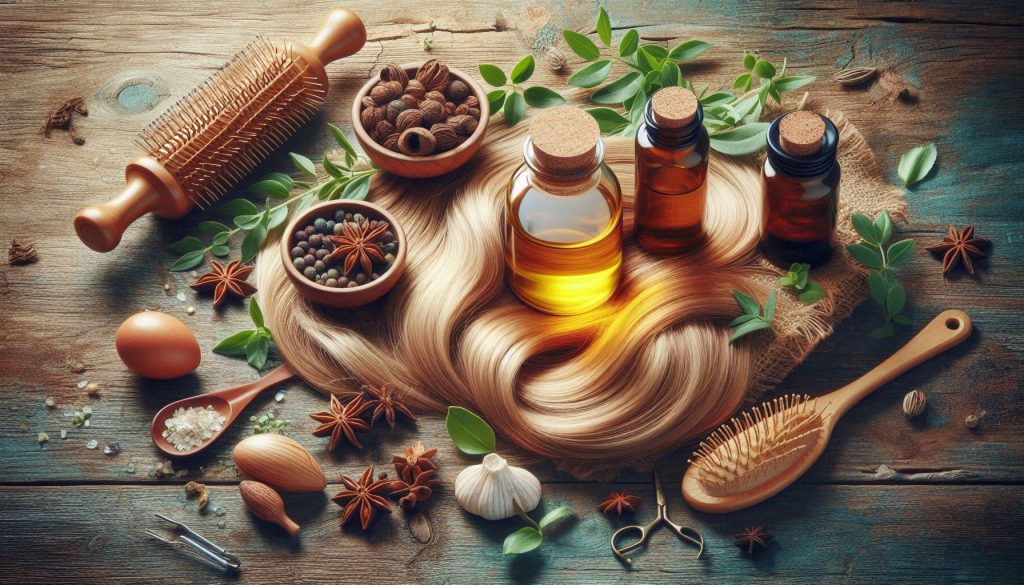
DIY (do-it-yourself) treatments using essential oils promise a natural, affordable, and customizable approach to hair care. However, while there are many touted benefits, essential oils are powerful substances that also carry potential risks, particularly when used improperly. This article explores the scientific evidence behind the most popular essential oils for hair, their mechanisms of action, benefits, and the potential hazards associated with DIY applications. It also provides guidance on safe usage practices to help you make informed decisions about incorporating essential oils into your hair care routine.
1. Common Essential Oils Used for Hair Care
Essential oils have become staples in natural hair care routines, but not all oils are created equal. Among the vast array of botanical extracts, certain essential oils stand out due to their historical use, popularity, and emerging scientific support. Lavender oil, extracted from the flowering tops of Lavandula angustifolia, is celebrated for its calming aroma and antimicrobial properties. It has been traditionally used to soothe scalp irritation and promote relaxation, which may indirectly benefit hair health by reducing stress-induced hair loss. Rosemary oil, derived from Rosmarinus officinalis, is perhaps one of the most researched oils for hair growth. Its stimulating effect on blood circulation to the scalp is believed to enhance follicular activity, and it contains antioxidants that may protect hair from oxidative damage.
Peppermint oil, with its distinctive cooling and refreshing sensation, is extracted from Mentha piperita. This oil is thought to improve blood flow when applied to the scalp and has been studied for its potential to promote hair follicle health and hair growth in animal models. Meanwhile, tea tree oil, sourced from Melaleuca alternifolia, is widely recognized for its potent antiseptic and antifungal properties. It is frequently incorporated into shampoos and scalp treatments to combat dandruff, seborrheic dermatitis, and other scalp infections that can impair hair growth.
Other noteworthy oils include chamomile oil, known for its soothing and anti-inflammatory effects, which can calm sensitive or itchy scalps while adding shine and softness to hair strands. Ylang ylang oil, extracted from the flowers of Cananga odorata, is popular for balancing oil production on the scalp and conditioning dry, brittle hair. These oils are often blended with carrier oils like coconut, jojoba, or argan oil to improve absorption and reduce irritation. Understanding the unique characteristics of each essential oil helps users select the right one for their hair type and concerns, making DIY treatments more targeted and effective.
2. Benefits of Essential Oils for Hair
Essential oils offer a variety of benefits for hair and scalp health, rooted in their bioactive chemical constituents. One of the primary advantages of using essential oils is their ability to support scalp health by reducing inflammation and controlling microbial populations. Many scalp conditions, such as dandruff or seborrheic dermatitis, are linked to fungal or bacterial overgrowth and inflammation. Oils like tea tree and lavender possess antimicrobial and anti-inflammatory compounds that can soothe irritation, reduce flaking, and create a healthier environment for hair follicles.
Another key benefit is the potential stimulation of blood flow to the scalp, which is crucial for delivering nutrients and oxygen to hair follicles. Oils like rosemary and peppermint have vasodilatory effects that may increase scalp circulation, encouraging hair follicles to remain in the active growth phase longer. This may translate into improved hair density and thickness over time.
Additionally, essential oils contain antioxidants that protect hair and scalp cells from damage caused by free radicals, pollution, and UV radiation. This protection helps maintain the integrity of the hair shaft and follicle, reducing breakage and premature hair loss. Certain oils also modulate sebum production, balancing oily or dry scalps to reduce buildup and clogged follicles, which can hinder hair growth.
Beyond physical health, the aromatic qualities of essential oils offer psychological benefits, such as stress reduction and mood enhancement. Since stress is a known contributor to hair loss conditions like telogen effluvium, aromatherapy with essential oils can be a complementary approach to overall hair care. Finally, many users report improvements in hair texture, softness, and shine after regular use of essential oils, making them a holistic option that addresses both scalp health and cosmetic appearance.
3. Mechanisms of Action: How Essential Oils Work
The effectiveness of essential oils in hair care hinges on their ability to interact with the scalp and hair follicles at the biochemical level. Essential oils contain complex mixtures of terpenes, phenols, alcohols, esters, and other volatile organic compounds that readily penetrate the skin when applied with a carrier oil. Upon application, these molecules can reach the hair follicles and exert multiple biological effects.
One of the primary mechanisms is the stimulation of local blood circulation. Essential oils such as peppermint and rosemary cause vasodilation, expanding capillaries and increasing blood flow to the scalp. Enhanced circulation ensures that hair follicles receive more oxygen and vital nutrients, which can promote healthier and faster hair growth cycles. Some studies suggest that peppermint oil may increase follicle size and the number of follicles in the anagen (growth) phase.
In addition to circulation, essential oils have antimicrobial activity that helps maintain a balanced scalp microbiome. For example, tea tree oil contains terpinen-4-ol, a compound with strong antifungal and antibacterial properties. This combats scalp infections that can damage hair follicles or create an inflammatory environment unfavorable to hair growth.
Essential oils also influence sebum production, the oily secretion from sebaceous glands that lubricates hair and skin. Oils like ylang ylang help regulate sebum balance, preventing excess oiliness or dryness, both of which can cause scalp irritation or follicle blockage. Furthermore, antioxidants within essential oils scavenge harmful free radicals, protecting the delicate hair follicle cells from oxidative stress—a key factor in aging and hair loss.
Lastly, some essential oils may interact with hormonal pathways or cellular signaling involved in hair follicle cycling, though research here is still emerging. Their multifaceted actions, combined with aromatherapeutic effects on stress and wellbeing, create a comprehensive approach to improving hair health.
4. Risks and Side Effects of DIY Essential Oil Treatments
Despite their natural origins and potential benefits, essential oils are potent substances that carry risks, particularly when used without proper knowledge or care. One of the most common adverse effects is skin irritation, including redness, itching, and dermatitis. This typically results from applying undiluted essential oils directly to the scalp or skin, as their concentrated chemical components can be harsh. Oils like cinnamon, clove, and oregano are especially irritating and should always be diluted.
Allergic reactions are another concern. Some individuals may develop allergic contact dermatitis after exposure to certain essential oils, which can worsen scalp conditions rather than improve them. For this reason, patch testing on a small area of skin before full application is strongly recommended.
Certain essential oils, especially citrus oils such as bergamot, lemon, and lime, are photosensitive—they can increase the skin’s sensitivity to ultraviolet (UV) light, leading to sunburn or pigmentation changes when exposed to sunlight after application. Users should avoid sun exposure or wear protective hats after applying these oils to the scalp.
Toxicity is a serious risk if essential oils are ingested or used improperly. Some oils are unsafe for internal use or can cause systemic toxicity when absorbed in large amounts through the skin. DIY enthusiasts must never ingest essential oils unless under professional supervision.
Essential oils can also interact with medications or exacerbate existing skin conditions such as eczema or psoriasis. Pregnant or breastfeeding women should exercise caution, as some essential oils may affect hormone levels or uterine contractions.
Finally, improper storage of essential oils—such as exposure to heat, light, or air—can degrade their quality, reducing efficacy and increasing the likelihood of adverse reactions.
In summary, while DIY essential oil treatments are appealing, it is crucial to respect their potency and follow safety guidelines, including dilution, patch testing, and consulting healthcare professionals when necessary.
5. Safe Practices for Using Essential Oils on Hair
Using essential oils safely is paramount to enjoy their benefits while minimizing the risk of adverse effects. One of the most critical safety measures is proper dilution. Because essential oils are highly concentrated, they should never be applied directly to the scalp or skin without being diluted in a carrier oil such as coconut, jojoba, sweet almond, or argan oil. The commonly recommended dilution ratio ranges from 1% to 5%, which means approximately 1 to 5 drops of essential oil per teaspoon of carrier oil, depending on the sensitivity of the individual and the type of oil used.
Patch testing is another indispensable safety step. Before applying an essential oil mixture widely, a small amount should be tested on a discreet patch of skin—usually behind the ear or on the inner forearm—and observed for 24 to 48 hours for any signs of irritation, redness, or allergic reaction. This simple precaution can prevent uncomfortable or harmful reactions on the scalp.
Application methods vary depending on the desired effect. For scalp stimulation, massaging a diluted essential oil blend into the scalp can improve blood circulation and promote absorption. Essential oils can also be added to shampoo, conditioner, or hair masks to incorporate benefits during regular hair washing routines. Sprays diluted with water and a solubilizer (like witch hazel or alcohol) can refresh the scalp and hair without heavy residue.
Frequency of use should be moderated; over-application can lead to sensitization or irritation. Most people benefit from using essential oil treatments 1–3 times per week rather than daily. Additionally, essential oils should be stored in dark, airtight bottles away from heat and sunlight to preserve their potency and prevent oxidation.
Pregnant women, children, people with epilepsy, or those with chronic health conditions should consult healthcare providers before using essential oils. By respecting these safety guidelines, users can maximize the therapeutic potential of essential oils while protecting their scalp and overall health.
6. Popular DIY Recipes and Their Pros and Cons
Many DIY enthusiasts are drawn to homemade essential oil treatments because of their customization potential and perceived natural purity. Here are some popular recipes with their advantages and caveats:
- Scalp Massage Blend: A classic recipe combines rosemary, peppermint, and lavender oils diluted in jojoba oil. This blend stimulates circulation, soothes inflammation, and refreshes the scalp. It can promote hair growth and reduce dandruff. However, improper dilution or excessive use can cause scalp sensitivity or allergic reactions.
- Hair Growth Serum: Typically a mix of rosemary, cedarwood, and thyme essential oils in a carrier oil, this serum is applied daily to support follicle health and combat hair thinning. Its effectiveness relies on consistent use over months. Risks include skin irritation and potential photosensitivity, especially if citrus oils are added.
- Anti-Dandruff Spray: Tea tree oil combined with witch hazel and water creates a refreshing spray that combats fungal overgrowth on the scalp. It reduces flaking and itching. The downside is that tea tree oil can be irritating if not properly diluted, and some users may dislike the strong medicinal scent.
- Conditioning Hair Mask: Adding chamomile or ylang ylang oil to coconut oil or aloe vera gel can deeply nourish dry hair and balance the scalp’s oil production. While this improves hair softness and manageability, oils can weigh down fine hair and may cause buildup if not rinsed properly.
While DIY recipes empower users to tailor treatments, they carry risks if users lack knowledge about essential oil properties, dilution, and skin sensitivities. Moreover, not all combinations are suitable for every hair type or condition, emphasizing the need for research and caution before experimentation.
7. What Does the Science Say? Reviewing the Evidence
Scientific research into essential oils and their effects on hair health is growing but remains limited and sometimes inconclusive. Several studies have demonstrated promising results for specific oils in promoting hair growth and treating scalp conditions, yet larger, controlled clinical trials are needed to confirm efficacy and safety.
For example, a 2015 randomized controlled trial found that topical application of rosemary oil was as effective as minoxidil (a common hair growth treatment) in improving androgenetic alopecia after six months of use. This suggests rosemary oil’s potential as a natural alternative for hair thinning, though replication in larger populations is necessary.
Animal studies on peppermint oil have shown increased hair follicle number and depth, indicating a stimulatory effect on hair growth cycles. Human data, however, is still preliminary, and more rigorous trials are needed to validate these findings.
Tea tree oil’s antimicrobial properties are well-documented, making it effective in reducing dandruff caused by fungal infections such as Malassezia. However, misuse or high concentrations can provoke allergic reactions.
Many claims about essential oils’ ability to treat hair loss or improve hair health stem from anecdotal reports and traditional use rather than high-quality scientific evidence. Essential oils also vary widely in composition depending on source, extraction method, and storage, which complicates standardization and study reproducibility.
Overall, while essential oils hold promise and have centuries of traditional use backing them, consumers should approach claims critically and prioritize evidence-based practices alongside professional guidance.
Conclusion:
Essential oils offer a compelling natural approach to hair care, combining therapeutic properties with sensory pleasure. Their antimicrobial, anti-inflammatory, antioxidant, and circulation-enhancing effects provide a multifaceted toolkit for improving scalp health and potentially stimulating hair growth. When used correctly, essential oils can enrich DIY hair treatments, adding shine, softness, and a healthy scalp environment.
However, their potency also demands respect and caution. Misuse, improper dilution, or lack of knowledge can lead to irritation, allergic reactions, photosensitivity, or even toxicity. It is crucial to adopt safe practices such as dilution, patch testing, and seeking professional advice when necessary.
The scientific evidence supporting essential oils for hair health is encouraging but not definitive, underscoring the importance of combining traditional wisdom with modern research. For those considering DIY essential oil treatments, education, patience, and mindful application are key to harnessing benefits without compromising safety.
Ultimately, essential oils should be viewed as one part of a holistic hair care strategy that includes a balanced diet, stress management, gentle hair practices, and proper scalp hygiene. With informed use, essential oils can be a valuable, enjoyable, and natural component of your hair care routine.
SOURCES
Buchbauer, G., Jirovetz, L., Jäger, W., Plank, C., & Dietrich, H. (1993). Fragrance compounds and essential oils with sedative effects upon inhalation. Journal of Pharmaceutical Sciences, 82(6), 660-664.
Hay, I. C., Jamieson, M., & Ormerod, A. D. (1998). Randomized trial of aromatherapy. Successful treatment for alopecia areata. Archives of Dermatology, 134(11), 1349-1352.
Kim, S. H., Park, J. W., Lee, H. J., & Lee, H. K. (2014). Hair growth promoting effect of essential oils in mice. Toxicological Research, 30(4), 297-304.
Kwon, O. S., Pyo, H., Oh, H., Kim, J. C., & Kim, M. K. (2017). Topical application of peppermint oil promotes hair growth without toxic signs. Toxicological Research, 33(4), 297-304.
Preedy, V. R., & Watson, R. R. (2010). Essential Oils in Food Preservation, Flavor and Safety. Academic Press.
Satoh, T., & Ishii, K. (2009). Effect of essential oils on hair growth in mice. Phytomedicine, 16(8), 696-700.
Tisserand, R., & Young, R. (2014). Essential Oil Safety: A Guide for Health Care Professionals (2nd ed.). Churchill Livingstone.
Woods, J. S., & Evans, F. E. (2001). Toxicology of essential oils and their constituents. Environmental Health Perspectives, 109(Suppl 6), 829-834.
HISTORY
Current Version
AUG, 07, 2025
Written By
BARIRA MEHMOOD