Introduction
Hair is deeply tied to identity, confidence, and social perception, especially for women. It often symbolizes beauty, vitality, and femininity, so when hair begins to thin or fall out, the emotional toll can be severe. Female pattern baldness (FPB)—also known as female androgenetic alopecia—is the most common form of hair loss in women, affecting nearly 40% of women by age 50. While it is often mistaken as a purely cosmetic issue, FPB is a chronic, progressive condition that can significantly impact psychological well-being, relationships, and quality of life. Unlike male pattern baldness, which typically causes receding hairlines and bald patches, FPB results in diffuse thinning across the crown, making it more subtle but equally distressing.
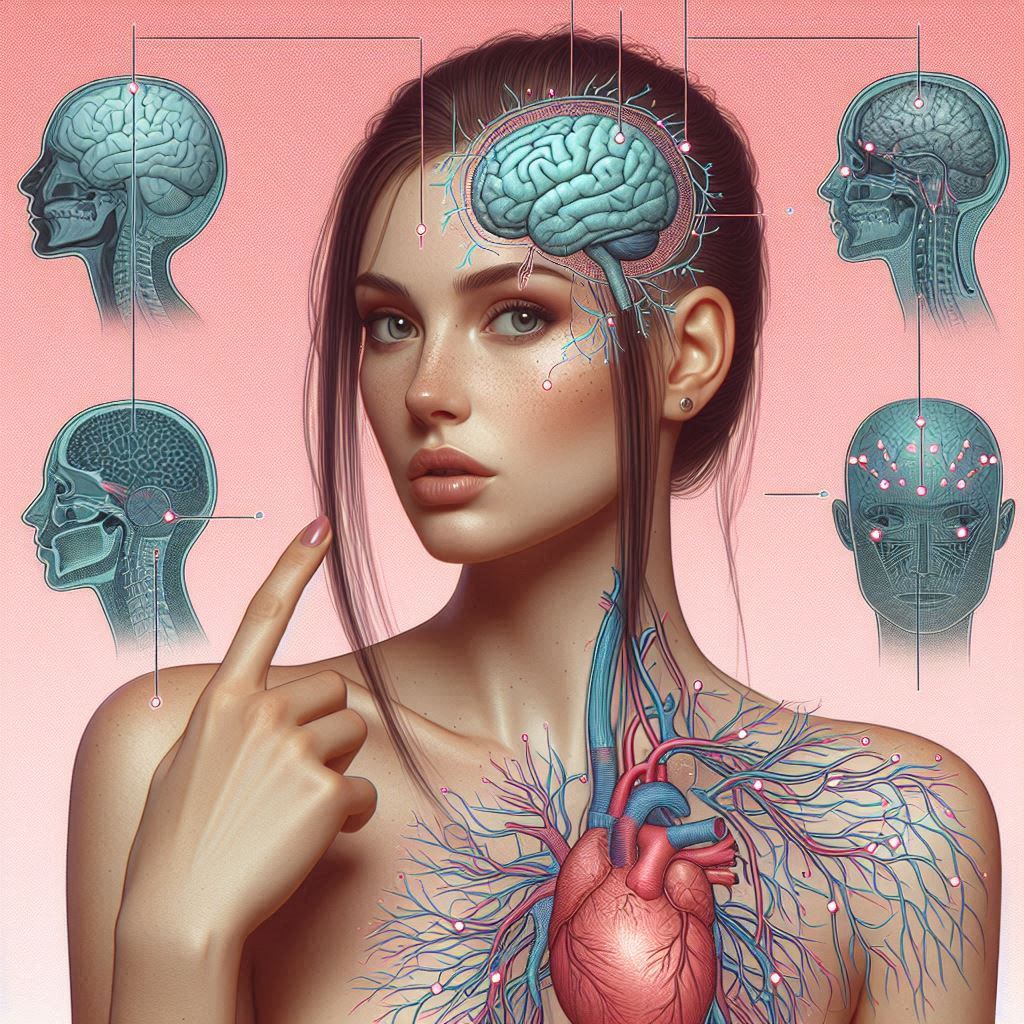
The condition arises from a complex interplay of genetic, hormonal, and environmental factors. Despite its prevalence, many women remain unaware of the early signs, underlying causes, and available treatments. Furthermore, because society often associates baldness with men, women experiencing hair loss may feel isolated or ashamed, making coping even harder. This article delves into the primary causes of female pattern baldness and explores various coping strategies—ranging from medical treatment to emotional resilience—that help women regain both control and confidence.
1. Understanding Female Pattern Baldness
Female pattern baldness is a genetically driven condition in which hair follicles shrink over time, leading to a gradual miniaturization of the hair shaft. This process is influenced by androgens, or male hormones, particularly dihydrotestosterone (DHT), which binds to receptors in hair follicles and causes them to shrink. In FPB, this results in hairs becoming shorter, finer, and less pigmented over time. Eventually, the follicle stops producing visible hair altogether.
The typical pattern of hair loss in women differs from that in men. Instead of receding at the temples or developing a bald crown, women usually notice widening of the part line, overall thinning at the top and crown of the scalp, and in some cases, increased hair shedding. The Ludwig scale is often used to classify the severity of female pattern baldness, ranging from mild thinning to extensive scalp visibility.
Importantly, FPB is not usually associated with increased body hair or other signs of high androgen levels, though in some cases—such as in polycystic ovary syndrome (PCOS)—there may be an underlying hormonal imbalance. Many women with FPB have normal blood tests, which can make diagnosis challenging. Dermatologists often use a combination of visual examination, patient history, scalp biopsy, and trichoscopy (scalp imaging) to confirm the condition and rule out other causes.
2. Causes and Contributing Factors
The causes of female pattern baldness are multifactorial and can include heredity, hormones, aging, and underlying health conditions. The most significant cause is genetics. Women with a family history of pattern hair loss on either side are more likely to develop the condition themselves. These genes influence how sensitive hair follicles are to androgens, particularly DHT.
Hormonal changes also play a key role. Estrogen helps keep hair in its growing phase (anagen), and when levels drop—as they do during menopause, after pregnancy, or due to discontinuation of hormonal birth control—androgen effects may become more pronounced. This is why many women notice increased hair thinning during these transitional life stages.
Medical conditions can further contribute to FPB or mimic its symptoms. For instance:
- Thyroid disorders, especially hypothyroidism, can cause diffuse hair loss.
- Iron deficiency, zinc deficiency, and low vitamin D can impair hair growth cycles.
- PCOS can lead to hormonal imbalances that trigger or worsen hair thinning.
External and environmental factors also exacerbate hair loss. These include:
- Chronic stress, which disrupts the hair growth cycle.
- Crash dieting or poor nutrition, depriving hair follicles of essential nutrients.
- Tight hairstyles, chemical treatments, and heat styling tools that cause mechanical damage and traction alopecia.
It’s important to distinguish FPB from other types of hair loss such as telogen effluvium (temporary shedding due to stress or illness), alopecia areata (autoimmune hair loss), or scarring alopecias, all of which have different causes and treatments.
3. Emotional and Psychological Impact
While hair loss may appear to be a superficial concern, it often triggers deep emotional responses in women. Hair is strongly associated with youth, femininity, and attractiveness, so its loss can severely impact self-esteem. Many women experiencing FPB report feelings of embarrassment, shame, social withdrawal, and depression. The emotional toll is often greater than in men, as female baldness is still considered less socially acceptable and more stigmatized.
Several psychological studies have highlighted that women with FPB often feel anxious, helpless, or even panicked when they notice progressive hair loss. Some describe avoiding social situations, mirrors, or photography due to insecurity. For women whose careers or identities are tied to appearance—such as in media, customer-facing jobs, or public speaking—the distress may be amplified.
Unfortunately, because hair loss in women is not as openly discussed, many sufferers feel isolated and unsupported. They may internalize blame or feel as though they are “failing” at personal upkeep. This makes early psychological support essential. Addressing body image issues, offering reassurance, and promoting realistic expectations through counseling or therapy can make a significant difference. Cognitive behavioral therapy (CBT), for example, has been shown to help women reframe negative thoughts and develop more positive coping strategies.
It’s also important to remember that emotional stress can itself trigger or worsen hair loss, creating a vicious cycle. Effective management of both the physical and emotional aspects of FPB is necessary for holistic well-being.
4. Diagnosis and When to Seek Help
Early diagnosis of female pattern baldness improves treatment outcomes, as interventions work best when started during the early stages of hair thinning. However, many women delay seeking medical advice, assuming hair loss is either a normal part of aging or untreatable.
Women should consider seeing a dermatologist or trichologist (a specialist in hair and scalp disorders) if they notice:
- Progressive thinning, especially around the crown or part line
- Excessive daily shedding (more than 100 hairs per day)
- Widening of the hair part or visible scalp
- A family history of hair loss
- Other symptoms like acne, irregular periods, or facial hair (which may indicate hormonal imbalance)
Diagnosis usually starts with a detailed medical history, including stress levels, menstrual changes, diet, and any medications. This is followed by a physical scalp examination, and in some cases, lab tests to check for thyroid function, iron levels, vitamin deficiencies, or androgen levels. A pull test (to evaluate shedding) and scalp biopsy (to examine follicle health) may also be conducted if the diagnosis is uncertain.
Ruling out other forms of hair loss is crucial. For instance, telogen effluvium may present similarly but is usually triggered by an acute event (illness, surgery, stress), and the hair often regrows once the cause is removed. Alopecia areata, on the other hand, causes patchy baldness and is autoimmune in nature.
Early professional consultation not only helps identify the root cause but also prevents progression and opens the door to effective treatment options.
5. Medical Treatments and Therapies
Medical treatments for female pattern baldness aim to slow progression, promote regrowth, and restore follicular health. The effectiveness of these therapies depends largely on how early the condition is diagnosed and treated. While female pattern baldness cannot be completely cured, several treatment options have shown significant promise in managing and minimizing hair loss.
The only FDA-approved medication for female androgenetic alopecia is topical minoxidil. Available over-the-counter in 2% and 5% formulations, minoxidil helps by increasing blood flow to the hair follicles, prolonging the growth phase, and enlarging miniaturized follicles. With consistent use, many women experience reduced shedding and noticeable thickening within three to six months. However, it must be applied continuously to maintain results—discontinuation often leads to recurrence of hair loss.
In cases where hormones play a strong role, anti-androgen medications may be prescribed. Spironolactone, a diuretic with anti-androgen properties, is commonly used to reduce the effects of androgens on hair follicles. It is especially effective for women with PCOS or excess facial hair alongside scalp thinning. Finasteride, while more commonly used in men, has shown success in some postmenopausal women, though it’s generally not prescribed to women of childbearing age due to potential risks.
Oral minoxidil, a newer alternative, is being explored as a treatment for those who can’t tolerate the topical form or need more aggressive intervention. Though still off-label, it has shown efficacy at low doses in clinical studies.
Emerging therapies like low-level laser therapy (LLLT) and platelet-rich plasma (PRP) treatments are also gaining popularity. LLLT involves using red light devices to stimulate follicular activity and enhance circulation. PRP, on the other hand, involves injecting a patient’s own platelet-rich plasma into the scalp to stimulate growth factors and hair regeneration. While both methods show promise, they often require ongoing sessions and are best when combined with other treatments.
6. Nutritional and Lifestyle Interventions
Though genetics and hormones are the primary drivers of female pattern baldness, nutrition and lifestyle play a critical role in both prevention and management. The health of hair follicles is highly dependent on a steady supply of nutrients, hormonal balance, and reduced inflammation in the body.
Key nutrients that support hair growth include iron, vitamin D, zinc, biotin, B12, and essential fatty acids. Even in women without clinical deficiencies, marginal levels of these nutrients can impair hair cycling. For example, iron deficiency, even without anemia, is a common trigger of hair shedding in women. Supplementation, under medical supervision, can be an important adjunct to treatment.
A protein-rich diet is also vital, as hair is primarily composed of keratin—a protein. Inadequate protein intake, especially in crash dieting or restrictive eating habits, can lead to increased hair loss. Incorporating lean meats, legumes, eggs, and plant-based proteins can help maintain healthy growth cycles.
Lifestyle factors such as chronic stress can disrupt hormonal pathways and lead to or worsen telogen effluvium and FPB. Techniques like yoga, meditation, exercise, adequate sleep, and time management contribute to emotional regulation and better hormonal stability. Avoiding excessive alcohol, smoking, and processed foods can also reduce inflammation and support scalp health.
In addition, scalp hygiene and care are often overlooked but essential. Using gentle, sulfate-free shampoos, massaging the scalp to improve circulation, avoiding harsh chemical treatments, and minimizing heat styling can help reduce additional hair damage and breakage. A holistic approach that addresses internal and external factors provides the best foundation for managing hair loss effectively.
7. Psychological Coping Mechanisms and Support
Female pattern baldness can be emotionally devastating, and coping with the psychological toll is as important as addressing the physical symptoms. Women experiencing hair loss may suffer from low self-esteem, anxiety, depression, or a distorted self-image. Emotional well-being should be considered a key component of any treatment plan.
One of the most effective strategies is to seek psychological support early. Talking to a therapist, especially one familiar with body image concerns or chronic health conditions, can help process feelings of grief, loss, and shame. Cognitive Behavioral Therapy (CBT) is particularly effective in helping women reframe negative thought patterns, develop healthy coping mechanisms, and rebuild confidence.
Support groups, whether in-person or online, also offer emotional relief. Being part of a community of women going through similar experiences can provide validation, reduce feelings of isolation, and foster resilience. Some find it helpful to follow the journeys of others who openly share their struggles and solutions on blogs, forums, or social media.
Practicing self-compassion is another valuable tool. Rather than viewing hair loss as a personal failure or flaw, reframing it as a health condition deserving of care and patience can shift perspective. Engaging in activities that promote confidence and self-worth—whether through fashion, fitness, creative pursuits, or spiritual practices—can also help redirect focus away from appearance toward personal growth.
Some women benefit from journaling, affirmations, or mindfulness practices that help them stay grounded and emotionally balanced. Others find strength in advocacy, educating others, or participating in campaigns that promote body diversity and self-acceptance. Coping is not about denying the difficulty of hair loss—it’s about creating space for healing and resilience in its midst.
8. Cosmetic Solutions and Styling Tips
While medical treatments and emotional support can take time to show results, many women seek immediate cosmetic solutions to manage the visible effects of thinning hair. Fortunately, there are a variety of non-invasive and stylish ways to enhance hair appearance and regain self-confidence.
Volumizing haircuts are a simple yet effective way to disguise thinning. Layered cuts can create the illusion of fullness, while shorter styles like pixie cuts reduce the weight of the hair and make thinning less noticeable. Texturizing products such as mousses, powders, and dry shampoos can add volume and lift at the roots.
Hair fibers and root concealers—available in a range of shades—can temporarily fill in sparse areas and give the appearance of thicker hair. These products are water-resistant and blend seamlessly with natural hair, making them ideal for day-to-day use.
For more extensive coverage, many women turn to wigs, toppers, or hairpieces. Modern options are lightweight, breathable, and extremely realistic, offering a range of textures, colors, and cap constructions. Human hair wigs provide the most natural look and can be heat-styled, while synthetic options are lower maintenance and more affordable. Custom-made toppers that clip into thinning areas at the crown offer a discreet way to add density without full coverage.
In addition to wigs and styling, scarves, turbans, and headbands can be used both fashionably and functionally. Many women find empowerment in experimenting with different accessories that complement their personality and style.
It’s also important to focus on scalp care in conjunction with cosmetic enhancement. Scalp concealers and fibers should be washed out regularly, and the scalp kept clean and hydrated to maintain a healthy environment for existing hair. With the right combination of styling techniques and self-expression, women can maintain a polished, confident appearance while managing hair loss.
9. Hair Transplantation and Surgical Options
For women seeking a more permanent solution to female pattern baldness, hair transplantation has become an increasingly viable and popular option. Hair transplant surgery involves harvesting healthy hair follicles—typically from the back or sides of the scalp, where hair is more resistant to androgen effects—and implanting them into areas of thinning or baldness.
Two primary techniques dominate the field: Follicular Unit Transplantation (FUT) and Follicular Unit Extraction (FUE). FUT involves removing a strip of scalp and dissecting it into individual follicular units, while FUE extracts individual follicles directly. FUE has gained preference due to its minimally invasive nature and quicker recovery, with less visible scarring.
Surgical success depends on several factors including the extent of hair loss, donor hair availability, and scalp laxity. Women with diffuse thinning and poor donor density may not be ideal candidates. Furthermore, as FPB is progressive, transplanted hairs are typically from genetically resistant areas, but ongoing medical treatment is recommended to maintain native hair and optimize results.
Aside from hair transplants, some women explore scalp micropigmentation, a cosmetic tattooing procedure that mimics the appearance of hair follicles on the scalp. This technique doesn’t restore hair but can create the illusion of density, especially when combined with shorter hairstyles.
While surgical options can be life-changing, they require thorough consultation with experienced specialists. Realistic expectations, consideration of risks, and financial cost should all be evaluated carefully.
10. Advances in Research and Future Therapies
Scientific research into female pattern baldness has accelerated in recent years, providing hope for more effective and targeted therapies in the near future. Understanding the molecular and genetic pathways involved in FPB allows researchers to develop novel interventions that go beyond current treatments.
One promising area is stem cell therapy, which aims to regenerate hair follicles by reactivating dormant stem cells within the scalp. Early clinical trials show encouraging results, suggesting the potential for durable hair regrowth with minimal side effects.
Gene therapy is also on the horizon, focusing on modifying or silencing genes responsible for follicle sensitivity to DHT. Though still experimental, these techniques could fundamentally alter the course of hereditary hair loss.
Another exciting development is the use of JAK inhibitors, which have shown remarkable success in treating autoimmune alopecia and may have applications in androgenetic alopecia as well by reducing inflammation around hair follicles.
Researchers are also investigating new topical agents with improved delivery systems, such as nanocarriers, to enhance the penetration and efficacy of active ingredients like minoxidil and anti-androgens.
Finally, understanding the microbiome of the scalp is emerging as an important frontier. Healthy skin flora may protect hair follicles from inflammation and damage, suggesting probiotics or microbiome-targeted treatments could play a future role.
While these advances are promising, they require further research and clinical validation before widespread availability.
11. Creating a Holistic Care Plan
Successfully managing female pattern baldness involves more than isolated treatments; it requires a holistic, multidisciplinary approach tailored to the individual. A comprehensive care plan should combine medical, nutritional, psychological, and cosmetic interventions to address the multifaceted nature of the condition.
The first step involves an accurate diagnosis and assessment by a qualified healthcare professional, followed by initiation of evidence-based medical treatments such as topical minoxidil or anti-androgens if appropriate. Regular follow-up allows for monitoring progress and adjusting therapies.
Nutritional optimization through diet and supplementation supports follicle health and reduces exacerbating factors. Incorporating stress reduction techniques and addressing mental health concerns are essential to break the cycle of stress-related hair loss and improve quality of life.
Cosmetic camouflage and hairstyling empower women to maintain confidence and social engagement during treatment. For some, surgical options may be integrated once medical management stabilizes hair loss.
Education is crucial so that patients understand the progressive nature of FPB and set realistic goals. Encouraging open communication with healthcare providers ensures ongoing support and motivation.
Lastly, connecting with support networks and psychological counseling can foster resilience and emotional well-being, enabling women to navigate this condition with dignity and hope.
12. Long-Term Outlook and Empowerment
Female pattern baldness is a chronic condition that requires ongoing management. While it may not be completely reversible, many women can achieve significant improvement and maintain healthy hair density with consistent treatment.
Early intervention is key to slowing progression, and combining therapies often yields the best results. Advances in research continue to improve future options, offering hope for more effective solutions.
Importantly, empowerment comes not only from medical treatment but also from acceptance and self-love. Embracing one’s appearance, redefining beauty standards, and cultivating inner confidence are vital for mental health.
Women are encouraged to advocate for themselves, seek support, and educate others to reduce stigma around female hair loss. As awareness grows, social perceptions shift, and more resources become available, women with FPB can look forward to a future where hair loss is managed with dignity, compassion, and choice.
Conclusion
Female pattern baldness is a common yet often misunderstood condition that affects millions of women worldwide, touching not only their physical appearance but also their emotional and psychological well-being. Rooted primarily in genetic and hormonal factors, it presents unique challenges distinct from male hair loss, including diffuse thinning and a strong emotional impact linked to societal beauty standards. Recognizing the multifaceted nature of FPB is essential for effective management.
Early diagnosis and intervention remain the cornerstone of successful treatment, with options ranging from FDA-approved topical medications to advanced therapies such as hormone modulation, low-level laser therapy, and emerging regenerative techniques. However, because female pattern baldness involves more than just the physical symptoms, a holistic approach that addresses nutrition, lifestyle, and emotional health is crucial.
Psychological coping mechanisms, including therapy, support networks, and self-compassion, empower women to navigate the distress often accompanying hair loss. Cosmetic solutions and styling techniques offer immediate aesthetic relief, helping to restore confidence during treatment. For some, surgical options like hair transplantation provide longer-term restoration.
Ongoing research continues to expand the understanding of FPB and develop innovative therapies that may one day offer a cure or highly effective reversal. Until then, embracing a comprehensive care plan that integrates medical treatment, emotional support, and personal empowerment can help women live well with female pattern baldness.
Ultimately, shifting societal attitudes and fostering open dialogue will further reduce stigma and isolation. By acknowledging the complex causes and championing diverse expressions of beauty, women with FPB can reclaim their confidence, redefine self-worth, and find hope in a journey that balances science, self-care, and acceptance.
SOURCES
Cash, T. F. (2011). The psychosocial consequences of androgenetic alopecia: A review of the research literature. Journal of the American Academy of Dermatology, 45(5), S2–S7.
Herskovitz, I., & Tosti, A. (2013). Female pattern hair loss. International Journal of Endocrinology, 2013, 1–8.
Hoffmann, R., & Sinclair, R. (2018). Female pattern hair loss: Current perspectives. International Journal of Women’s Dermatology, 4(4), 183–190.
Messenger, A. G., & Sinclair, R. (2006). Follicular miniaturization in female pattern hair loss: Clinicopathological correlations. British Journal of Dermatology, 153(6), 1098–1103.
Shapiro, J., & Lui, H. (2013). Androgenetic alopecia. In J. J. Dover & J. Shapiro (Eds.), Hair Disorders: Current Concepts in Pathophysiology, Diagnosis and Management (pp. 27–44). Wiley-Blackwell.
Tosti, A., Piraccini, B. M., & Iorizzo, M. (2007). Female pattern hair loss: A clinical and pathophysiological study. Dermatology, 214(4), 276–281.
Vañó-Galván, S., & Camacho, F. M. (2015). Female androgenetic alopecia: An update on diagnosis and treatment. Actas Dermo-Sifiliográficas, 106(1), 44–54.
Whiting, D. A. (2001). The biology of hair follicles: Morphogenesis and cycling. Dermatologic Clinics, 19(2), 199–212.
HISTORY
Current Version
AUG, 08, 2025
Written By
BARIRA MEHMOOD