Introduction
Hair is often seen as a visual indicator of overall health. Lustrous, thick, and strong hair is not only desirable from a cosmetic standpoint but also reflects deeper biological wellness. While many turn to topical treatments—shampoos, serums, oils—to strengthen hair, the foundation of truly healthy hair starts from within. Increasingly, science is pointing to the pivotal role that diet and gut health play in determining hair strength, growth, and quality.
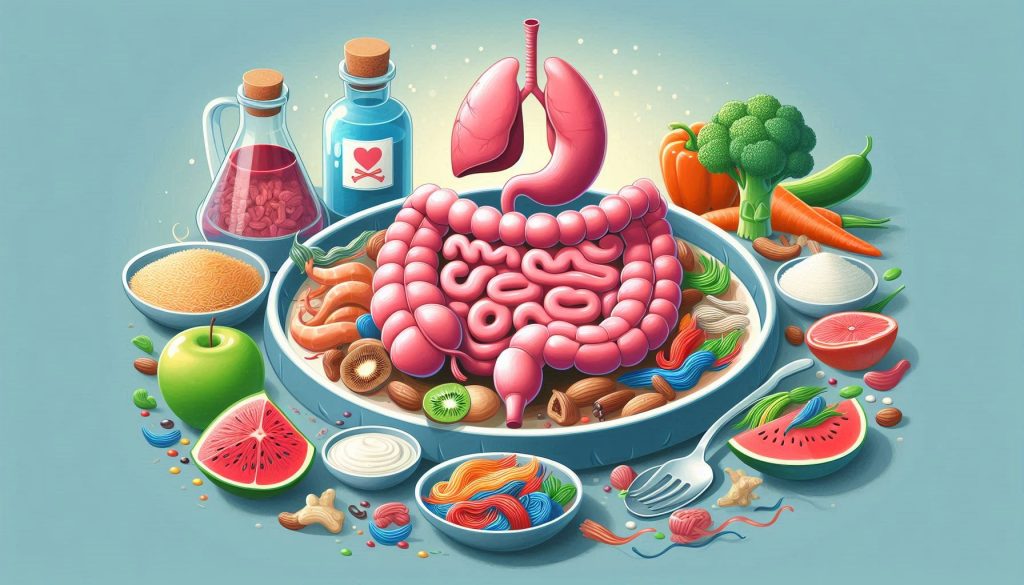
The hair follicles are among the most metabolically active tissues in the body. They require a consistent supply of nutrients and are highly sensitive to internal imbalances, particularly those related to nutrition and gastrointestinal function. Nutrient deficiencies, malabsorption, and chronic inflammation in the gut can silently disrupt the growth cycle of hair, leading to thinning, breakage, and even hair loss. Moreover, the gut microbiome—the diverse collection of bacteria residing in the gastrointestinal tract—plays a powerful regulatory role in nutrient synthesis, immune function, and inflammation levels, all of which affect hair health.
In this article, we will explore the intricate link between diet, gut function, and hair strength. We’ll examine how specific nutrients support the hair growth cycle, how gut health can either facilitate or impair the delivery of these nutrients, and what changes you can make to optimize both systems for stronger, healthier hair. Let’s begin by looking at the essential nutrients that form the building blocks of robust hair.
1. Key Nutrients for Hair Strength
Hair is made primarily of keratin—a fibrous structural protein. The production and maintenance of keratin rely on a variety of vitamins, minerals, and amino acids obtained through diet. When any of these nutrients are lacking or not properly absorbed, the hair shaft weakens, follicles shrink, and growth slows.
Protein, particularly sulfur-rich amino acids like cysteine and methionine, forms the structural core of the hair strand. Without adequate protein intake, hair may become brittle and more prone to breakage. Biotin, often referred to as vitamin B7, is critical for keratin production, and deficiencies are commonly linked with thinning and fragility. Similarly, zinc plays an essential role in follicle function and cell reproduction. A lack of zinc is strongly associated with hair shedding and slow regrowth.
Iron is another foundational mineral, especially for women. Iron deficiency, even without full-blown anemia, can disrupt the hair growth cycle and lead to excessive shedding (telogen effluvium). Iron helps red blood cells carry oxygen to the scalp and follicles, supporting the energy demands of growing hair. Vitamin D also affects hair health, especially since its receptors are found in hair follicles. Research suggests that low levels may impair follicular cycling, potentially contributing to alopecia.
Omega-3 fatty acids, found in fatty fish and flaxseeds, help reduce inflammation and maintain scalp hydration. Vitamin A regulates sebum production in the scalp, while vitamin C aids in the absorption of iron and supports collagen synthesis for strong hair shafts. Additionally, B-complex vitamins, including B12, folate, and niacin, support cell turnover and blood circulation to the scalp.
In isolation, each of these nutrients contributes to hair strength—but the real key lies in consistent intake and, critically, effective absorption. And this is where the gut plays a starring role.
2. Gut Health and Nutrient Absorption
Even with a nutrient-dense diet, your body must first absorb those nutrients efficiently for them to reach the scalp and hair follicles. That job largely falls to your gut lining—a single-cell-thick barrier that lines the intestines and is responsible for filtering and absorbing nutrients. When the gut is healthy, it extracts essential vitamins and minerals from food and passes them into the bloodstream. However, if gut health is compromised, nutrient absorption can become impaired, leading to silent deficiencies—even when dietary intake seems sufficient.
A major contributor to poor absorption is increased intestinal permeability, often referred to as “leaky gut.” In this condition, the tight junctions between cells in the intestinal wall loosen, allowing undigested food particles and toxins to leak into the bloodstream. This triggers inflammation and can interfere with the body’s ability to properly assimilate nutrients like iron, zinc, biotin, and vitamin D—all critical for hair strength.
Additionally, chronic gut conditions such as celiac disease, Crohn’s disease, and irritable bowel syndrome (IBS) often result in malabsorption. Even low-grade dysbiosis (an imbalance in gut bacteria) can disturb the production and absorption of certain B vitamins and short-chain fatty acids that indirectly support hair health. Many people with undiagnosed gastrointestinal disorders first notice symptoms through their skin and hair—dryness, flakiness, breakage, or excessive hair loss.
Moreover, certain gut bacteria are directly involved in vitamin synthesis. For instance, some strains in the Bacteroides and Lactobacillus families produce biotin, folate, and vitamin K2. A disrupted microbiome, often from antibiotic use, poor diet, or chronic stress, reduces the body’s ability to maintain adequate levels of these vitamins, no matter how much is consumed.
Thus, protecting the integrity of the gut lining and cultivating a balanced microbiome are essential not only for digestive health but also for ensuring the bioavailability of nutrients that feed your hair from the inside out.
3. The Role of the Microbiome in Hair and Scalp Health
The human gut hosts trillions of bacteria, fungi, and other microorganisms—collectively known as the microbiome—which play a central role in overall health. Far beyond just digestion, the microbiome regulates immune responses, inflammation, hormonal balance, and even neurotransmitter production. All of these systems influence hair strength both directly and indirectly.
One way the microbiome supports hair health is by modulating inflammation. Chronic low-grade inflammation can impair hair follicles and contribute to conditions like alopecia areata, telogen effluvium, and scalp dermatitis. A healthy gut microbiome helps regulate inflammatory signals through immune system interaction, keeping systemic inflammation in check and preserving hair follicle integrity.
Additionally, gut microbes produce metabolites like short-chain fatty acids (SCFAs)—including butyrate, acetate, and propionate—which strengthen the gut lining and promote immune tolerance. These metabolites can influence distant organs, including the scalp, by maintaining skin barrier function and supporting the growth phase (anagen) of hair follicles.
There is also emerging evidence suggesting that microbial imbalance may affect hormonal regulation, particularly with androgens and estrogens that influence hair growth. For example, a poorly diversified microbiome may indirectly contribute to conditions like polycystic ovary syndrome (PCOS), which is associated with hair thinning and excess facial hair due to hormonal dysregulation. By contrast, a healthy microbiome helps metabolize and regulate hormone levels, reducing the risk of hormone-related hair issues.
Finally, research is beginning to show a connection between the gut-skin axis and the gut-hair axis, suggesting that the health of the digestive system has a direct impact on scalp microbiota and inflammation. Just as gut dysbiosis can lead to acne and eczema, it may also contribute to scalp irritation, flaking, and follicle miniaturization—making it harder for strong, thick hair to grow.
4. Dietary Patterns That Promote Both Gut and Hair Health
Supporting your hair begins with supporting your gut—and the best way to do that is through a whole-food, nutrient-rich diet that minimizes inflammatory triggers and supports microbial diversity. A balanced diet that combines the right macronutrients (protein, fats, and complex carbs) with a wide variety of micronutrients creates the ideal internal environment for strong, healthy hair.
A gut-friendly, hair-nourishing diet typically includes:
- Lean proteins like eggs, legumes, fish, poultry, and tofu—providing essential amino acids for keratin formation.
- Omega-3 fatty acids from fatty fish (salmon, sardines), walnuts, flaxseeds, and chia seeds—to combat inflammation and support scalp hydration.
- Fermented foods such as yogurt, kefir, kimchi, sauerkraut, and miso—to feed beneficial gut bacteria and enhance nutrient absorption.
- Prebiotic fibers from garlic, onions, bananas, asparagus, and oats—supporting microbial diversity and SCFA production.
- Colorful vegetables and fruits rich in antioxidants, such as berries, leafy greens, sweet potatoes, and bell peppers—protecting hair follicles from oxidative stress.
- Iron-rich foods like spinach, lentils, red meat, and pumpkin seeds—combined with vitamin C sources (citrus fruits, tomatoes) to enhance absorption.
- Whole grains like quinoa, brown rice, and buckwheat—for B-vitamins, zinc, and steady blood sugar support.
It’s also crucial to limit or avoid foods that contribute to gut inflammation or nutrient malabsorption. These include processed foods high in sugar, refined grains, trans fats, artificial additives, and excessive alcohol. Gluten and dairy may also trigger inflammation or digestive issues in sensitive individuals, potentially disrupting nutrient uptake and contributing to hair and skin concerns.
Staying hydrated is another often-overlooked factor. Dehydration can lead to dry, brittle hair, while adequate water intake supports circulation, detoxification, and the movement of nutrients to the scalp. For many people, making even modest improvements in diet—such as increasing fiber and fermented foods—can lead to visible improvements in hair texture, shine, and strength within a few months.
5. The Impact of Stress, Cortisol, and the Gut-Brain-Hair Axis
Stress is an often overlooked but highly influential factor when it comes to hair health. Chronic psychological stress doesn’t just impact your mood or energy levels—it also plays a direct role in your gut function and hair cycle regulation. This happens through what scientists call the gut-brain axis, a bidirectional communication system between the central nervous system and the gastrointestinal tract. When this axis is disturbed by stress, both gut health and hair health can deteriorate simultaneously.
One of the primary hormones involved in the stress response is cortisol, which, when elevated for prolonged periods, can impair digestive function by reducing stomach acid, slowing motility, and disrupting the balance of gut microbiota. This cascade weakens the intestinal lining, increases gut permeability, and promotes inflammation—all of which can reduce the body’s ability to absorb key hair nutrients like zinc, magnesium, and biotin. Inflammation triggered by stress can also increase the activity of enzymes like 5-alpha-reductase, which convert testosterone into dihydrotestosterone (DHT), a hormone implicated in androgenic hair loss.
Moreover, stress shortens the anagen (growth) phase of the hair cycle and accelerates the transition to the telogen (resting) phase. This often results in a condition called telogen effluvium, characterized by diffuse hair shedding that typically occurs a few months after a stressful event. Gut inflammation and dysbiosis further exacerbate this cycle, meaning that stress literally weakens hair from both internal and external pathways.
To counteract this, supporting the gut-brain-hair axis requires an integrative approach. Practices like mindfulness meditation, yoga, deep breathing, and gentle exercise can help modulate cortisol levels and restore digestive harmony. Including adaptogens such as ashwagandha, holy basil, or reishi mushroom in your diet may also help regulate stress responses and indirectly support hair growth by stabilizing hormonal and inflammatory patterns. Managing stress isn’t just about mental health—it’s a critical component of physical health, especially for the skin and hair.
6. Signs Your Gut Health May Be Affecting Your Hair
Often, changes in hair strength or texture are some of the earliest visible signs that something is off internally. Many people are unaware that symptoms like hair thinning, dullness, slow growth, or increased shedding may stem from hidden digestive issues or nutrient malabsorption. Understanding how to recognize these signs can help you address the root cause, rather than just the surface symptoms.
Common indicators that your gut health may be undermining your hair include:
- Unexplained hair thinning despite no change in routine or stress levels.
- Shedding in clumps or excessive fallout during brushing or showering.
- Dry, brittle, or dull hair, even when using moisturizing products.
- Slow hair growth, with little noticeable change over months.
- Persistent scalp issues, such as dandruff, itchiness, or inflammation.
- Fatigue, bloating, or irregular digestion, occurring alongside hair changes.
- Frequent illnesses or skin issues, pointing to immune or microbiome imbalance.
These symptoms suggest your body is struggling to utilize nutrients effectively or is burdened by inflammation. In many cases, lab tests will reveal borderline or overt deficiencies in iron, B12, folate, or zinc—nutrients tightly linked to both gut absorption and hair growth. Other times, the issue may stem from gut infections like candida overgrowth, small intestinal bacterial overgrowth (SIBO), or Helicobacter pylori, all of which can damage the intestinal lining and limit nutrient uptake.
If hair changes persist despite topical treatments and a seemingly healthy diet, it’s important to consult with a practitioner who can evaluate your digestive health, hormone levels, and micronutrient status. In many cases, addressing underlying gut dysfunction can dramatically improve hair strength and regrowth within a few months.
7. Restoring Gut Balance to Revive Hair Health
The good news is that the gut is highly adaptable—and by healing your gut, you can dramatically improve your nutrient status, inflammation levels, and ultimately, your hair strength. Restoring gut health doesn’t require drastic measures, but it does demand consistency, variety, and a whole-body mindset.
A proven framework for gut healing is the “4R approach”: Remove, Replace, Reinoculate, and Repair.
- Remove: Eliminate inflammatory foods, allergens, processed sugar, alcohol, and anything contributing to gut dysbiosis. Identify and treat infections or overgrowths with professional support if needed.
- Replace: Add in digestive support like enzymes, bile salts, or stomach acid (such as betaine HCl) if tests show poor breakdown of food.
- Reinoculate: Introduce healthy bacteria through fermented foods and high-quality probiotic supplements that include strains like Lactobacillus rhamnosus, Bifidobacterium longum, and Saccharomyces boulardii.
- Repair: Focus on gut lining healing with nutrients like L-glutamine, zinc carnosine, aloe vera, collagen peptides, and bone broth.
Throughout this process, prioritizing an anti-inflammatory diet and reducing stress is essential. Avoid overuse of antibiotics or NSAIDs, which can erode microbial diversity. Drinking enough water, chewing food thoroughly, and spacing meals properly all enhance digestion and nutrient assimilation.
Within weeks, many people notice improved digestion, clearer skin, and stronger, shinier hair. As gut inflammation subsides and nutrient absorption improves, hair follicles receive the fuel they need to function optimally. For those with chronic issues, this recovery may take several months, but the long-term benefits far outweigh the investment. A healthy gut doesn’t just revive your hair—it revitalizes your whole body from the inside out.
8. Final Thoughts: A Holistic Path to Stronger Hair
In the search for healthier, stronger hair, we often overlook the most important piece of the puzzle: our internal health. What we eat, how we digest, and the balance of microbes in our gut are just as critical—if not more so—than the products we apply externally. Hair reflects the internal state of our body, especially when it comes to nutrient sufficiency, gut function, inflammation, and hormonal regulation.
A nutrient-rich, gut-supportive diet is one of the most powerful tools we have for influencing hair growth, texture, and resilience. By supporting your digestive system with whole foods, prebiotics, probiotics, and stress-reducing practices, you can create a physiological environment that nourishes hair from the root. The transformation won’t happen overnight, but with consistent effort, you’ll not only see improvements in your hair, but also in your energy, immunity, skin clarity, and mental well-being.
In a culture obsessed with quick fixes and cosmetic solutions, returning to foundational health practices—like healing the gut and optimizing your diet—is both revolutionary and timeless. Whether you’re experiencing hair thinning, brittle strands, or simply want to enhance your natural hair strength, the answer lies not in your bathroom cabinet, but on your plate and in your gut.
Conclusion
The health and strength of your hair are far more than skin deep. While hair care products and styling play a role, the true foundation of vibrant, resilient hair lies within your body—specifically in the complex interplay between your diet and gut health. Nutrient intake, absorption, and the balance of your gut microbiome collectively determine whether your hair follicles receive the essential building blocks and signals they need to grow strong, thick strands.
Scientific research increasingly highlights that a nutrient-rich diet alone isn’t enough if the gut’s ability to absorb and utilize those nutrients is compromised. Conditions such as leaky gut, dysbiosis, chronic inflammation, and stress-related hormonal imbalances disrupt this delicate system and manifest visibly as thinning, brittle hair and increased shedding.
The encouraging reality is that gut health is highly responsive to lifestyle and dietary changes. By adopting a balanced, anti-inflammatory diet rich in proteins, vitamins, minerals, healthy fats, and fiber—alongside stress management and gut-supporting practices—you can restore your digestive function and nurture hair growth at its source. Supporting the gut-brain-hair axis not only revitalizes your hair but also improves overall health and well-being.
In a world focused on external fixes, this holistic approach reminds us that true beauty radiates from within. By prioritizing gut health and nutrition, you empower your hair to thrive naturally, unlocking a lasting glow of strength, shine, and vitality.
SOURCES
Cashman, K. D. (2015). Nutritional factors and hair loss. Clinical and Experimental Dermatology, 40(5), 449–454.
Elias, P. M., & Wakefield, J. S. (2014). Skin barrier function. Current Allergy and Asthma Reports, 14(11), 477.
Festa, C., & Littman, D. R. (2019). Microbiome and immune system: interplay in the skin and gut. Annual Review of Immunology, 37, 121–144.
Kraft, J. (2012). The relationship between stress, cortisol, and hair loss: A review. International Journal of Trichology, 4(3), 121–125.
Mirmirani, P. (2018). The gut-skin axis: Role in dermatologic disease. Dermatologic Clinics, 36(3), 323–334.
Paus, R., & Cotsarelis, G. (1999). The biology of hair follicles. The New England Journal of Medicine, 341(7), 491–497.
Preston, D. (2017). Nutrition and hair health: A practical guide. Journal of Dermatological Treatment, 28(7), 630–635.
Raynor, S. L., et al. (2018). Influence of diet and gut microbiota on hair follicle function. Frontiers in Medicine, 5, 62.
Roberts, J. L., & Krishnan, M. (2020). The role of micronutrients in hair loss prevention. International Journal of Cosmetic Science, 42(4), 329–335.
Shin, S. Y., & Kim, M. Y. (2021). Gut microbiota and hair follicle cycling. Experimental Dermatology, 30(1), 21–27.
Wang, E. H., & Chen, Y. J. (2019). Stress-induced hair loss and the gut-brain axis. Journal of Dermatological Science, 93(1), 19–25.
HISTORY
Current Version
AUG, 07, 2025
Written By
BARIRA MEHMOOD