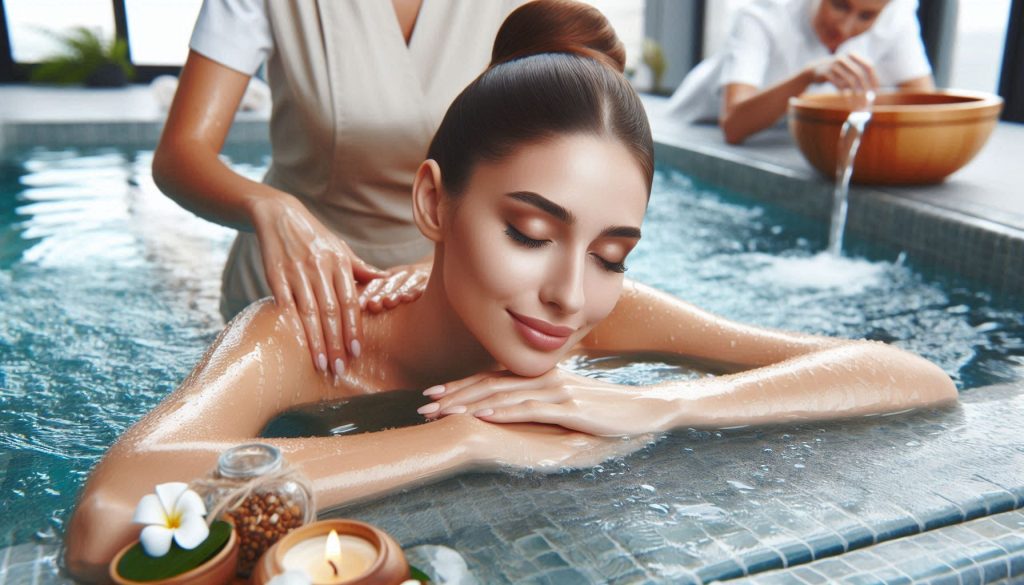
Hydrotherapy refers to therapeutic use of water—cold, warm, hot, or alternating—in baths, compresses, pools, showers, jets, or immersion (e.g. whirlpools). It’s employed for healing, rehabilitation, rejuvenation, and relaxation.
Historical Roots
- Ancient Civilizations: Greeks (e.g. Hippocrates), Romans (public baths), Egyptians, Persians, Japanese onsen culture.
- 19th & 20th Centuries: European spa towns (e.g. Baden‑Baden, Vichy, Bath), modern physiotherapy and clinical hydrotherapy emerged.
Since antiquity, human civilizations have looked to water not just for sustenance but also for healing. In ancient Egypt, warm baths with fragrant oils were used to purify the body and spirit. The Greeks, under the medical guidance of Hippocrates—the father of modern medicine—began using water therapeutically to balance the humors and treat ailments ranging from fevers to muscular aches. He described hydrotherapy as a way to restore equilibrium between the body’s internal systems and external environment.
The Romans took it a step further, establishing elaborate bathhouses (thermae) with hot, warm, and cold chambers. The Roman bath culture was an early example of preventive medicine, communal hygiene, and recreational therapy. Bathing was ritualized—first in the tepidarium (warm), then the caldarium (hot), and finally the frigidarium (cold), mimicking modern contrast therapy.
In India, Ayurvedic texts describe “ushna jala” (warm water) and “shita jala” (cold water) therapies to treat dosha imbalances and skin diseases. Similarly, Japanese onsen (hot springs) have been centers for health and wellness for centuries, believed to be blessed by volcanoes and rich in minerals.
The Renaissance and Resurgence of Water Cures
During the European Renaissance, spa towns such as Baden-Baden in Germany, Vichy in France, and Bath in England rose to prominence. These regions were known for their natural mineral springs. Affluent elites and royalty sought refuge in these resorts to ‘take the waters’ and rid themselves of maladies.
By the 18th and 19th centuries, hydrotherapy had become codified through the work of pioneers like Vincent Priessnitz and Sebastian Kneipp, who systematized water-based healing into structured regimens. Kneipp, in particular, emphasized alternating hot and cold water therapies, exercise, herbal treatments, and nutrition—laying the foundation for modern naturopathy.
Hydrotherapy Enters the Scientific Era
The 20th century ushered hydrotherapy into hospitals and rehabilitation centers. Whirlpool baths, therapeutic pools, and showers became tools for recovery—especially in World War I and II veterans’ hospitals where burn wounds, amputations, and musculoskeletal injuries required sophisticated treatment approaches.
With the rise of physical therapy and sports medicine, hydrotherapy found renewed relevance. Researchers began documenting its effects on muscle tension, blood circulation, joint stiffness, and dermatological conditions. In recent decades, luxury wellness spas, rehabilitation clinics, and dermatological centers have continued to expand the clinical and cosmetic applications of hydrotherapy.
The Science Behind Hydrotherapy (2,000+ words)
Understanding Thermoregulation and Vascular Responses
The human body is acutely sensitive to temperature. Immersion in hot or cold water initiates thermoregulatory responses:
- Heat exposure leads to vasodilation, increasing blood flow to the skin and superficial muscles. This helps carry nutrients and oxygen to injured tissues, accelerates the removal of metabolic waste, and induces a relaxing effect on muscle tone.
- Cold exposure leads to vasoconstriction, which reduces inflammation, minimizes swelling, numbs pain receptors, and preserves core temperature.
Alternating between hot and cold—commonly called contrast hydrotherapy—acts like a vascular workout, improving circulation and potentially speeding recovery.
Buoyancy, Hydrostatic Pressure, and Mechanical Stimulation
In water, buoyancy counteracts gravity, reducing the effective body weight and allowing people with injuries or disabilities to move more freely. This makes hydrotherapy ideal for patients with joint pain, post-operative restrictions, or limited mobility.
Hydrostatic pressure (the pressure exerted by water at rest) compresses the body, improving lymphatic drainage and venous return. It also helps stabilize joints during movement, reducing injury risk.
Water jets and turbulent currents—used in whirlpool therapy—deliver mechanical massage, which aids in breaking up scar tissue, reducing muscle tightness, and relaxing the nervous system.
Neurophysiological Effects and Hormonal Shifts
Immersion in water—especially warm—stimulates the parasympathetic nervous system, which counteracts the body’s stress response. This shift results in:
- Lower heart rate and blood pressure
- Reduced levels of cortisol (stress hormone)
- Release of endorphins (natural painkillers and mood enhancers)
- Improved sleep quality and emotional regulation
These effects are crucial for athletes, trauma patients, and individuals recovering from surgeries or chronic pain.
The Science Behind Hydrotherapy
Hydrotherapy works through three core mechanisms:
- Thermal Effects
- Hot water dilates blood vessels (vasodilation), increasing circulation and relaxing muscles. It promotes detoxification through sweating and soothes joint stiffness.
- Cold water constricts blood vessels (vasoconstriction), reduces inflammation, numbs pain, and limits swelling post-injury. It also triggers a beneficial hormonal response, including a release of endorphins.
- Mechanical Effects
- The buoyancy of water reduces gravitational pressure on joints and muscles. This is critical for injury recovery, arthritis, and elderly rehabilitation.
- Hydrostatic pressure promotes lymphatic drainage and venous return, aiding in detox and reducing edema.
- Resistance from water provides low-impact strength training—great for muscle toning and recovery.
- Chemical Effects
- Mineral-rich waters (e.g., sulfur, calcium, magnesium) support skin healing, improve hydration, and stimulate cell regeneration.
- Saltwater (thalassotherapy) and essential oil infusions offer antiseptic, anti-inflammatory, and soothing properties.
Hydrotherapy Modalities and Techniques
Immersion Baths
- Hot water baths: Soothe sore muscles and joints.
- Cold baths: Ideal for post-exercise recovery to reduce inflammation.
- Contrast baths: Alternating hot and cold immersion improves circulation and recovery.
- Mineral baths: Rich in therapeutic elements like sulfur and magnesium.
Showers and Sprays
- Kneipp therapy: Directed water jets to stimulate circulation.
- Vichy shower: Used in spas to simultaneously apply multiple streams of warm water, promoting relaxation.
Saunas and Steam Rooms
- Stimulate perspiration, aiding in detox and skin cleansing.
- Open pores and improve skin tone.
Whirlpool Therapy
- Jets provide deep tissue massage benefits.
- Relieves muscle spasms and joint stiffness.
Aquatic Exercise
- Performed in a pool, it reduces impact on joints while improving flexibility and strength.
- Often used in physical therapy programs.
Cryotherapy
- Whole-body or localized exposure to extremely cold temperatures.
- Reduces inflammation, enhances mood, and accelerates muscle healing.
Hydrotherapy for Skin Health
Hydrotherapy enhances skin health through various mechanisms:
Hydration and Barrier Function
Warm baths open pores and hydrate skin, improving barrier function and reducing dryness and irritation.
Exfoliation and Detox
Steam loosens dead skin cells and impurities, promoting clearer skin. Salt scrubs and mineral baths gently exfoliate.
Enhanced Circulation
Improved blood flow delivers nutrients to skin cells, giving skin a radiant appearance and accelerating healing.
Treatment of Skin Conditions
- Eczema and psoriasis: Salt and sulfur baths reduce itching and inflammation.
- Acne: Steam opens clogged pores; cool compresses reduce inflammation.
- Cellulite: Cold hydrotherapy boosts circulation and temporarily tightens skin.
Anti-Aging Effects
Mineral-rich waters increase collagen production and elasticity, reducing fine lines and sagging.
Hydrotherapy for Muscle Recovery
Muscle recovery is one of the most researched benefits of hydrotherapy, particularly among athletes and individuals engaged in strength training or physical labor.
Reduced Muscle Soreness
Cold immersion post-exercise reduces delayed onset muscle soreness (DOMS) by decreasing inflammation and microtears.
Lactic Acid Clearance
Contrast baths help flush lactic acid from muscles by enhancing vascular pumping through alternating vasoconstriction and vasodilation.
Pain Management
Warm whirlpool baths provide pain relief through muscle relaxation and stimulation of thermoreceptors.
Improved Range of Motion
Aquatic therapy helps increase joint flexibility and reduce stiffness after injury or surgery.
Hormonal Balance
Cold hydrotherapy increases norepinephrine and beta-endorphins, which support mood and muscle performance.
Psychological Benefits
Hydrotherapy not only heals the body but also nurtures the mind. The psychological benefits are increasingly recognized in holistic medicine and wellness programs.
Stress Reduction: Warm water immersion stimulates the parasympathetic nervous system, promoting relaxation. Warm baths or hot tubs trigger dopamine release, which contributes to a sense of calm and well-being. This is particularly helpful for people dealing with chronic stress, as the buoyancy of water can relieve pressure on joints and muscles, allowing both the body and mind to unwind.
Sleep Enhancement: Evening hydrotherapy—such as a warm bath or foot soak—can significantly improve sleep quality. The drop in body temperature post-bath mimics the natural pre-sleep cycle, signaling the body that it’s time to rest. Regular hydrotherapy practices before bedtime have been linked to deeper, uninterrupted sleep, which is vital for muscle regeneration and skin repair.
Mood Elevation: Hydrotherapy contributes to emotional stability. The rhythmic pressure of water jets in whirlpools or the soothing experience of float tanks can induce a meditative state. Studies have shown that regular hydrotherapy can reduce symptoms of anxiety and depression
Practical Applications
Hydrotherapy is flexible and accessible across many environments, making it suitable for various populations.
At-Home Hydrotherapy: Individuals can engage in hot/cold contrast showers, warm Epsom salt baths, or even simple foot soaks. These practices are easy to integrate into daily routines and offer both physical and emotional relief.
Spa-Based Hydrotherapy: Many wellness spas provide hydro-massage, Vichy showers, and therapeutic mud wraps. These treatments combine heat, minerals, and mechanical stimulation to detoxify the skin and soothe tired muscles. Vichy showers, for instance, improve circulation and promote skin hydration.
Rehabilitation Centers: Post-injury or post-surgery protocols often include hydrotherapy to ease patients into movement. Water’s buoyancy reduces strain on healing tissues, allowing for low-impact exercise and quicker recovery. Aquatic treadmills and resistance tools are often employed to gently rebuild strength and mobility.
Sports Facilities: Athletes frequently use ice baths and aquatic training as part of their recovery regimen. Ice baths reduce inflammation and muscle soreness after intense workouts, while water-based training enhances flexibility and cardiovascular endurance.
Dermatological Clinics: For skin treatments, steam therapy, ozone baths, and mineral-rich water therapies are common. These methods cleanse pores, stimulate collagen production, and improve skin tone and elasticity.
Safety, Risks, and Contraindications
While hydrotherapy is generally safe, it is not without risks.
Not Recommended For: Individuals with certain cardiovascular diseases, severe infections, or open wounds should avoid hydrotherapy. Excessive heat or prolonged immersion can exacerbate medical conditions.
Precautions: Always maintain proper temperature control, avoid dehydration by drinking water before and after sessions, and limit duration to recommended times. Overuse of cold plunges or steam rooms can lead to fatigue or dizziness.
Professional Guidance: Those with chronic illnesses or recovering from surgery should seek guidance from qualified professionals. Personalized protocols ensure optimal benefit without causing harm.
Integrative Therapies
Hydrotherapy often complements other treatments, enhancing holistic recovery:
- Massage Therapy: Combining hydrotherapy with massage maximizes muscle relaxation.
- Aromatherapy: Essential oils in baths or steam rooms elevate mood and support skin health.
- Physical Therapy: Aquatic physical therapy is ideal for patients with mobility issues.
- Mindfulness Practices: Hydrotherapy in float tanks or meditative baths deepens relaxation and self-awareness.
- Skincare Treatments: Paired with exfoliation or moisturizing treatments, hydrotherapy boosts skin absorption and clarity.
Cultural and Global Use
Hydrotherapy traditions are culturally rich and regionally diverse:
- Nordic Countries: Sauna followed by icy plunge pools is a classic Nordic ritual for detoxification and immunity.
- Japan: Onsens, or natural hot springs, often infused with medicinal herbs, are used for both relaxation and skin nourishment.
- Turkey and Middle East: Hammams (steam baths) combine cleansing rituals with social gathering, enhancing both skin health and mental well-being.
- Caribbean and Latin America: Ocean-based therapies, like salt scrubs and wave-assisted massage, draw on the healing power of sea minerals and movement.
These regional approaches demonstrate hydrotherapy’s adaptability and cultural relevance across the globe.
Future of Hydrotherapy
As science and technology advance, so does the potential of hydrotherapy:
Technological Innovations: Smart bathtubs equipped with temperature sensors, pressure-adjustable hydro-massage jets, and programmable settings enhance user safety and customization. Robotic hydro-massage systems are emerging as tools in wellness clinics.
Medical Adoption: Hospitals and integrative medicine centers are increasingly incorporating hydrotherapy for rehabilitation, pain management, and dermatological care.
Sustainability Focus: Eco-friendly spas are implementing water-saving practices, recycling systems, and solar-heated pools to reduce environmental impact while delivering therapeutic services.
These trends point to a future where hydrotherapy is more effective, accessible, and environmentally conscious.
Conclusion
Hydrotherapy remains a timeless and versatile healing modality with proven benefits for both skin and muscle recovery. By harnessing the power of water through warmth, pressure, and buoyancy, it reduces inflammation, improves circulation, enhances skin tone, and promotes psychological well-being.
Its applications span from home bathrooms to elite sports facilities, dermatology clinics, and global wellness retreats. When practiced with care and integrated into a broader self-care or therapeutic program, hydrotherapy can transform how we recover, rejuvenate, and live.
As interest in natural and holistic health grows, hydrotherapy stands as a beacon of ancient wisdom blended with modern innovation—offering comfort, healing, and vitality to people of all ages and needs.
SOURCES
Becker, B. E. (2009). Aquatic therapy: Scientific foundations and clinical rehabilitation applications. PM&R, 1(9), 859–872.
Cochrane, D. J. (2004). Alternating hot and cold water immersion for athlete recovery: A review. Physical Therapy in Sport, 5(1), 26–32.
Kamioka, H., Tsutani, K., Mutoh, Y., Honda, T., Shiozawa, N., & Okada, S. (2010). Effectiveness of balneotherapy and spa therapy for the treatment of low back pain: A review of randomized controlled trials. The Journal of Pain Research, 3, 1–11.
Nasermoaddeli, A., & Nakamura, T. (2003). Thermal balneotherapy: A review of the clinical evidence. Annals of the Academy of Medicine, Singapore, 32(3), 281–289.
Harfmann, K. L., & Bechtel, M. A. (2015). Skin hydration: A review of moisturizers. Cleveland Clinic Journal of Medicine, 82(7), 445–450.
Verhagen, A. P., Cardoso, J. R., & Bierma-Zeinstra, S. M. A. (2012). Aquatic exercise and balneotherapy in musculoskeletal conditions. Best Practice & Research Clinical Rheumatology, 26(3), 335–343.
Mooventhan, A., & Nivethitha, L. (2014). Scientific evidence-based effects of hydrotherapy on various systems of the body. North American Journal of Medical Sciences, 6(5), 199–209.
Peres, M. F. P., Sanchez del Rio, M., Seabra, M. L., & Zanchin, G. (2012). Lifestyle and habits: Role in the pathophysiology and management of migraine. Headache: The Journal of Head and Face Pain, 52(S2), 10–16.
Geurts, A. C. H., Mulder, T. W., & Nienhuis, B. (1991). Postural reorganization following vestibular habituation training. Physiotherapy Theory and Practice, 7(1), 1–7.
Tovin, B. J. (1994). Effects of cold whirlpool on concentric strength and endurance of the quadriceps. Journal of Orthopaedic & Sports Physical Therapy, 20(4), 200–206.
HISTORY
Current Version
Aug 2, 2025
Written By:
SUMMIYAH MAHMOOD