Introduction
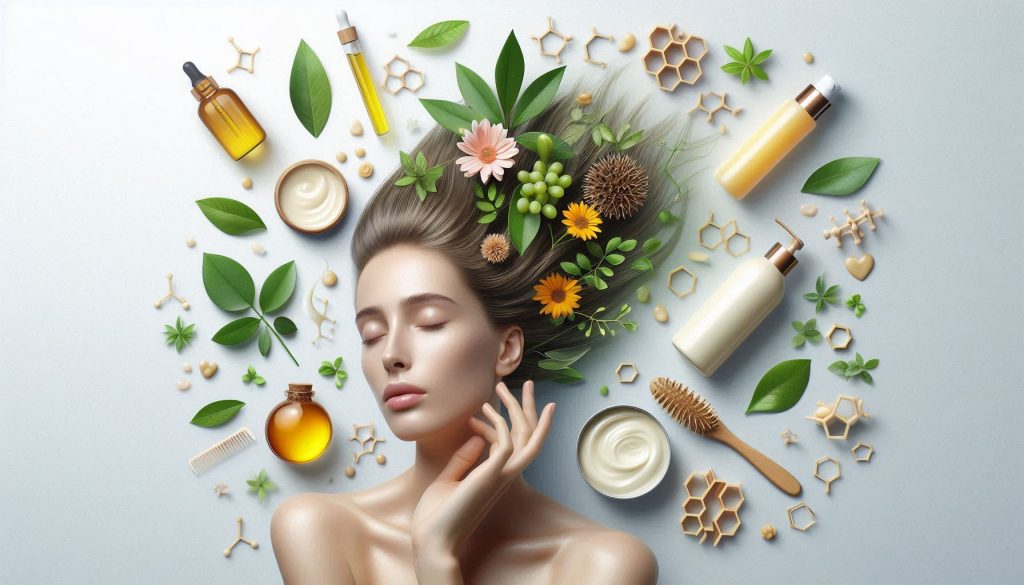
Silicones have long been a cornerstone in the formulation of hair care products due to their exceptional ability to provide smoothness, shine, detangling, frizz control, and protection from environmental damage. However, their synthetic nature and potential to cause buildup on hair and scalp have led to increased scrutiny, particularly from consumers seeking cleaner, more sustainable alternatives. This growing demand has driven innovation in the beauty and personal care industry, resulting in a wide range of plant-based ingredients that offer the same benefits as silicones—without the environmental or cosmetic drawbacks. These alternatives not only align with eco-conscious values but also deliver performance that meets or exceeds expectations for modern hair care.
1. Why Silicones Are Being Replaced
Silicones such as dimethicone, cyclomethicone, and amodimethicone are synthetic polymers that provide immediate aesthetic benefits. They coat the hair, reduce friction, and impart a silky, glossy finish. However, non-water-soluble silicones can accumulate on the hair shaft and scalp, leading to dullness, dryness, and difficulty in moisture penetration over time. Furthermore, their non-biodegradable nature raises environmental concerns, especially in rinse-off products that contribute to aquatic pollution. As consumers become more ingredient-conscious and as brands adopt greener formulating standards, the push to replace silicones with sustainable, plant-derived alternatives has intensified. These new solutions aim to offer the same sensory and functional benefits while supporting long-term hair health and environmental stewardship.
2. Plant-Based Ingredients That Mimic Silicone Functions
Several botanical and biotech-derived ingredients have emerged as viable silicone alternatives, offering comparable slip, shine, and protection. One standout is broccoli seed oil, known for its high erucic acid content, which provides a natural sheen and smooth texture similar to silicones. Abyssinian oil also offers lightweight conditioning, helping to tame frizz and add manageability without heaviness. Hemisqualane, derived from sugarcane, is gaining popularity due to its silky texture and fast absorption—it delivers a dry touch finish akin to cyclomethicone. Additionally, coco-caprylate, an ester derived from coconut alcohol, imparts a luxurious feel and excellent spreadability. Companies like Inolex have developed entire lines of plant-based silicone mimics, such as the LexFeel® series, which replicate the behavior of various silicones through green chemistry. These ingredients are not only effective but also biodegradable and safer for sensitive skin and scalp.
3. Performance and Benefits in Hair Care Applications
Plant-based silicone alternatives offer multi-functional benefits across different hair types and product formats. In shampoos, they improve detangling and reduce friction during washing. In conditioners and masks, they enhance softness, shine, and manageability without weighing the hair down. Leave-in products formulated with ingredients like Neossance Hemisqualane or LexFeel® Shine create a protective barrier that shields against humidity, heat, and UV damage—mirroring the anti-frizz and heat-protectant benefits of traditional silicones. Some of these natural alternatives even provide added value: broccoli seed oil, for instance, offers UV resistance, and bamboo bioferment has antioxidant properties. Unlike synthetic silicones that merely coat the hair, many of these plant-based options nourish and strengthen the strands over time, supporting healthier hair from root to tip.
4. Market Trends and Future Outlook
The shift toward plant-based silicone alternatives is more than a trend—it’s a transformation in the beauty industry. Clean beauty standards, consumer demand for ingredient transparency, and growing awareness about sustainability are driving innovation in hair product formulations. Ingredient suppliers are investing in green chemistry and biotechnology to develop high-performance emollients that are both effective and environmentally responsible. Brands that once relied heavily on silicones are reformulating their lines to include natural substitutes, offering “silicone-free” as a value proposition. The future will likely see a broader adoption of these alternatives, particularly as performance data supports their efficacy and as supply chains scale. As research and consumer feedback continue to shape the market, we can expect plant-based silicone mimics to become the new standard in hair care—blending beauty, science, and sustainability.
5. Key Plant-Based Silicone Alternatives and How They Work
Plant-based silicone alternatives achieve similar results to traditional silicones by mimicking their molecular structure or function. One of the most notable is broccoli seed oil, rich in erucic acid, which forms a smooth film over hair strands much like dimethicone. This oil gives hair a sleek, glossy appearance and helps in detangling without leaving residue. Hemisqualane, a lightweight emollient derived from sugarcane, has a dry, silky touch similar to volatile silicones such as cyclopentasiloxane. It enhances shine, reduces frizz, and absorbs quickly into the hair and scalp. Coco-caprylate/caprate, made from coconut oil and natural alcohols, offers superb spreadability and adds a soft touch to the hair. Daikon radish seed extract provides a unique combination of slip and shine due to its high fatty acid content, making it a solid alternative in both rinse-off and leave-in products. Other ingredients like LexFeel® Shine, LexFeel® Natural, and Natura-Tec Plantsil are commercial solutions derived from renewable sources that function similarly to silicones in terms of sensory appeal, gloss, and protective barrier formation.
6. Challenges in Replacing Silicones with Plant-Based Alternatives
Despite the promise of plant-based silicone alternatives, formulators face several challenges. One of the most common hurdles is achieving the same lightweight, long-lasting performance that silicones offer—particularly in terms of humidity resistance and high heat protection. Many plant oils, while nourishing, can be heavier or greasier than desired, especially on fine hair. Balancing sensory feel with functionality requires precision, and natural ingredients may vary in consistency or efficacy due to seasonal changes or sourcing differences. Another challenge is consumer expectation. Users accustomed to the immediate “slip” and ultra-smooth finish of silicones may initially perceive natural alternatives as less effective, especially if used in the same way. Finally, cost and scalability can be barriers. Biotech-derived ingredients like hemisqualane and branded blends such as LexFeel® may be more expensive to source, especially for smaller brands. However, as demand rises and technology advances, these issues are gradually being addressed, making natural options more viable on a commercial scale.
7. Application in Different Hair Types and Products
The effectiveness of plant-based silicone alternatives depends largely on hair type and product formulation. For fine or oily hair, lightweight options like hemisqualane, coco-caprylate, and bamboo bioferment are ideal because they don’t weigh the hair down or create greasiness. These are typically used in serums, heat protectants, and light conditioners. For thicker, curly, or coily hair, richer oils such as broccoli seed oil, abyssinian oil, or jojoba-based esters offer more intensive moisture and frizz control. These are excellent in deep conditioners, styling creams, and leave-in treatments. In color-treated or heat-damaged hair, formulations often combine multiple plant-based ingredients to maximize repair, slip, and protection—such as using Neossance Hemisqualane with LexFeel® Shine for dual-action softness and gloss. Plant-based alternatives also shine in multi-use products, such as hair and scalp oils, thanks to their natural origin and skin compatibility. Customization based on hair needs is key, and formulating with these ingredients allows brands to cater to a diverse and conscious consumer base.
8. The Future of Sustainable Hair Care Formulations
The future of hair care is undoubtedly green, with plant-based silicone alternatives at the center of this shift. Consumers are demanding transparency, biodegradability, and ethical sourcing—not just from brands, but from ingredient suppliers as well. As biotechnology advances, we’re seeing the emergence of even more sophisticated alternatives that match silicone performance without compromise. Companies are investing in upcycled materials, bio-fermentation, and low-impact extraction techniques to meet both ecological and cosmetic standards. Regulatory changes in various regions are also beginning to favor eco-friendly ingredients, further accelerating adoption. Brands that embrace these changes are finding new ways to market their products, highlighting terms like “silicone-free,” “green chemistry,” and “plant-derived” to connect with a values-driven audience. With ongoing improvements in formulation science and raw material innovation, plant-based silicone mimics are poised to not only replace traditional silicones but to define a new gold standard in clean, high-performance hair care.
Conclusion
In conclusion, the evolution of hair care formulations toward sustainability and clean beauty has placed plant-based silicone alternatives at the forefront of innovation. Traditional silicones, while effective in delivering smoothness, shine, and frizz control, pose environmental challenges and can contribute to buildup on the hair and scalp. In response, formulators have embraced a new generation of ingredients derived from natural and renewable sources that mimic the performance of silicones without their associated drawbacks. Oils such as broccoli seed, abyssinian, and daikon radish, along with sugarcane-derived hemisqualane and olive-based esters, offer comparable slip, gloss, and conditioning benefits. Biotech solutions and green chemistry continue to enhance the functionality, consistency, and environmental compatibility of these alternatives.
As consumers become increasingly educated and demand transparency, the market has shifted to accommodate cleaner labels and more sustainable sourcing. The success of brands implementing these changes demonstrates that high-performance hair care can coexist with ecological responsibility. Plant-based silicone mimics not only meet the demands of modern consumers but also set a new benchmark for innovation in hair care. The future points toward more refined, multi-functional, and eco-friendly alternatives that align with both performance expectations and ethical standards, ensuring that sustainability in beauty is not just a trend, but a lasting transformation.
SOURCES
Booz, C. (2021). The all-natural alternative to silicone. Belle Mocha.
Greentech. (2023). Unveiling a new generation of all-natural and upcycled silicone alternatives. Re-Sources.
Inolex. (2023). Sustainable silicone alternatives. Inolex.
Jojoba Valley. (2022). Our vegetable-based silicone alternatives.
Personal Care Magazine. (2020). Natural hair conditioning: A green approach.
Simple Pure Beauty. (2023). Top silicone alternatives for hair and skin care.
Sophim. (2022). Alternative silicones for natural cosmetics.
Vogue Business. (2022). The beauty exec’s guide to biotechnology.
Waldman, A. (2023). Hemi-squalane for hair: Benefits and how to use it. Byrdie.
HISTORY
Current Version
AUG, 08, 2025
Written By
BARIRA MEHMOOD