Introduction
Hair is more than just an aesthetic feature—it’s a personal, cultural, and even political symbol of identity. For millions of people, particularly those with textured or fragile hair, protective hairstyles are a cornerstone of both personal style and hair health. These styles are designed to minimize manipulation, shield the ends from environmental damage, retain moisture, and encourage length retention. They can be practical, expressive, or ceremonial, and are deeply rooted in historical and cultural traditions, especially in African and Afro-diasporic communities.
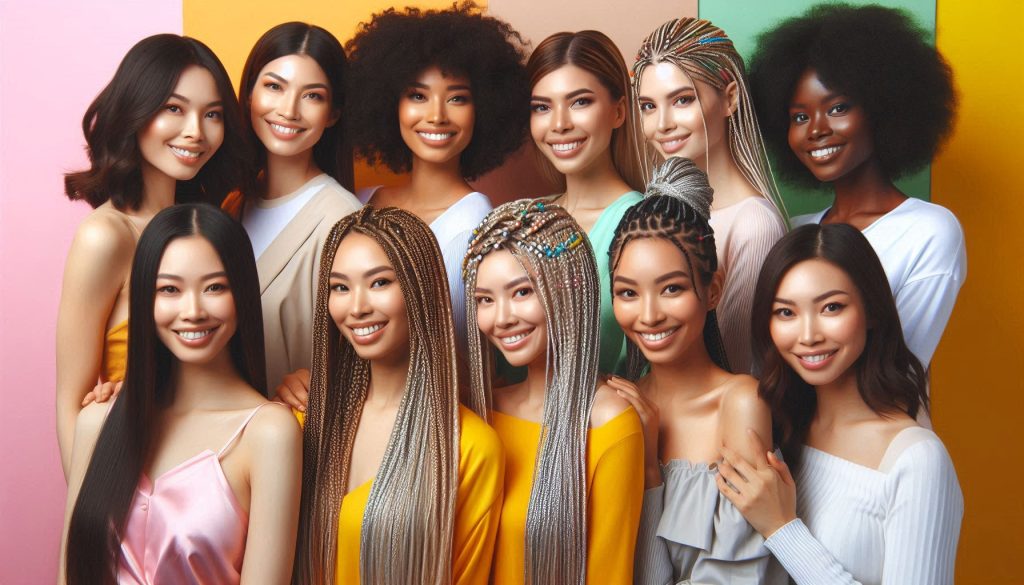
However, not all hair types are the same, and what works for one person may not work for another. Straight, wavy, curly, and coily hair all have different structures, needs, and tolerances for manipulation and styling. Therefore, understanding what protective styles work best for each hair type is essential—not just for aesthetic success, but for maintaining or improving the health of your hair. When chosen thoughtfully and cared for properly, protective hairstyles can help reduce breakage, retain length, and even promote growth.
In this essay, we will explore the concept of protective styling in depth, analyze the hair typing system, and provide tailored recommendations for protective styles that suit each major hair category. From low buns to box braids, silk wraps to twist-outs, we will break down the benefits, risks, and suitability of various styles, helping you make informed choices about your hair care journey.
1. Understanding Protective Hairstyles
Protective hairstyles are defined as styles that shield the ends of the hair, limit daily handling, and reduce exposure to damaging environmental elements like sun, wind, and friction. These styles are often low-maintenance and long-lasting, providing a period of “rest” for the hair that can reduce breakage and facilitate healthier growth over time. The primary goal of protective styling is to maintain the integrity of the hair shaft, especially the fragile ends, while also preventing damage from over-manipulation and styling tools.
One of the most common misconceptions about protective styles is that they are only relevant to Afro-textured hair. While it is true that curly, coily, and kinky hair types tend to benefit most visibly due to their fragile structure, protective styling can be beneficial for all hair types when adapted correctly. Whether your hair is straight and fine or thick and coily, there are ways to shield it from harm while preserving moisture and health.
In general, a style can be considered protective if it:
- Keeps the ends of the hair tucked away
- Reduces the need for heat styling
- Minimizes daily combing and brushing
- Limits exposure to weather and pollutants
Common examples of protective styles include box braids, cornrows, twists, buns, wigs, weaves, Bantu knots, and updos. However, not every version of these styles is protective in every context. The tightness of the style, the products used, how long the style is kept in, and how it’s maintained all influence its protective value. A braid that is too tight can cause traction alopecia; a wig worn without proper scalp care can result in dryness and breakage.
Protective styling is therefore not just about the hairstyle itself—it’s also about method, maintenance, and suitability for your hair type.
2. Hair Typing and Why It Matters
Before choosing a protective style, it’s important to know your hair type, because this will determine how your hair responds to tension, moisture, product buildup, and manipulation. The most widely used system for identifying hair types is the Andre Walker Hair Typing System, which categorizes hair into four types (1 to 4) and subtypes (A to C).
- Type 1 (Straight Hair): Naturally straight with no curl pattern. Can be fine (1A), medium (1B), or coarse (1C).
- Type 2 (Wavy Hair): Has an “S” shaped wave pattern. Subtypes range from loose (2A) to coarse, defined waves (2C).
- Type 3 (Curly Hair): Has well-defined curls, from loose ringlets (3A) to tight spirals (3C).
- Type 4 (Coily/Kinky Hair): Extremely tight curls or zig-zag patterns, with 4A having defined coils and 4C having the tightest texture with little to no definition.
Each hair type has its own needs:
- Type 1 hair tends to get oily quickly, and heavy styles can flatten it.
- Type 2 hair is prone to frizz and can be weighed down by product-heavy styles.
- Type 3 hair struggles with moisture retention and can be easily disrupted by over-manipulation.
- Type 4 hair is the most delicate and prone to breakage but also thrives best with protective styling.
Hair porosity (the ability of hair to absorb and retain moisture), density, and strand thickness also play major roles in choosing a protective style. For example, high-porosity hair dries out quickly, making moisture-sealing protective styles ideal. Fine hair may be damaged by styles that are too tight or heavy, while thick hair may need more structured styles to maintain neatness.
Understanding your hair type is not about boxing yourself into a category—it’s about choosing intentional care strategies that meet your hair’s structural needs. Protective styles should be chosen with respect to curl pattern, porosity, and scalp health to ensure they truly protect rather than stress the hair.
3. Protective Styles for Straight and Wavy Hair (Types 1 & 2)
Protective styles for straight and wavy hair often differ significantly from those for curlier textures. Since these hair types are usually less prone to breakage but more likely to become oily or limp, the goal is to minimize heat styling, prevent split ends, and reduce tangling, especially for long hair.
Best Styles for Type 1 Hair (Straight)
- Low buns and chignons: These styles keep the ends tucked in, minimizing exposure to friction and pollutants.
- French braids or Dutch braids: Help organize and protect long, straight strands without excessive pulling.
- Loose ponytails with soft ties: While not traditionally considered protective, a low-tension ponytail can help limit manipulation.
- Overnight silk wraps or braids: These are excellent for reducing breakage while sleeping.
Straight hair may not require long-term protective styling like box braids, but regular use of silk scrunchies, satin pillowcases, and heat-free styles can help retain length and prevent damage. It’s also important to avoid rubber bands, tight hair ties, and excessive brushing.
Best Styles for Type 2 Hair (Wavy)
- Two-strand twists: Loose twists can be done on damp hair to maintain wave definition while protecting ends.
- Milkmaid or halo braids: These are elegant, low-tension, and keep hair tucked in safely.
- Pineapple updos: Especially at night, they prevent flattening of the wave pattern.
- Clipped or rolled styles: Using hair-friendly clips or rollers to maintain volume while keeping strands controlled.
Wavy hair tends to get frizzy when over-manipulated or exposed to humidity. It’s important to use lightweight styling products and to avoid protective styles that pull the waves too tightly or flatten the curl pattern. The goal is to reduce mechanical and environmental damage without sacrificing natural volume.
4. Protective Styles for Curly Hair (Type 3)
Type 3 hair is curly, springy, and more vulnerable to dryness and frizz. Because of its shape, the natural oils from the scalp have a harder time traveling down the shaft, leaving the ends prone to splitting. Protective styles for curly hair should focus on moisture retention, minimizing tangles, and reducing manipulation.
Ideal Protective Styles for Type 3 Hair
- Flat twists: These are more curl-friendly than braids and easier to maintain for those who want a low-manipulation option.
- Bantu knots: Great for protection and style, and they create a heatless curl set.
- Twist-outs and braid-outs: Can double as styling methods and protective setups if refreshed correctly.
- Low-manipulation puffs: High or low puffs that gather hair loosely can protect curls from being over-combed or brushed.
Because curly hair needs more moisture retention, the use of the LOC method (Liquid, Oil, Cream) before installing protective styles is helpful. Deep conditioning should be done weekly, and scalp oils or hydrating sprays can be used as needed. Satin-lined caps, scarves, or pillowcases are essential for overnight protection.
Avoid protective styles that flatten or overly stretch the curl pattern unless your goal is temporary elongation. Tight protective styles can lead to curl pattern disruption or root tension, so opt for looser styles that allow the curls to breathe.
5. Protective Styles for Coily/Kinky Hair (Type 4)
Type 4 hair—often referred to as coily or kinky—is the most delicate of all hair types. Its tight curl pattern makes it naturally more prone to breakage, tangling, and dryness. The zigzag or coil structure means that sebum, the natural oil from the scalp, takes much longer to travel down the hair shaft, resulting in hair that is often dry, especially at the ends. As such, protective styling is not just an option but a necessity for many people with Type 4 hair who want to retain length and maintain healthy strands.
Best Protective Styles for Type 4 Hair
- Box Braids: One of the most popular and time-tested protective styles. When installed properly and not too tightly, box braids can be worn for 4–8 weeks and are perfect for giving your hair a break from daily styling.
- Knotless Braids: A more gentle variation of box braids that reduces tension on the scalp and edges. They are ideal for preventing traction alopecia.
- Cornrows: Both functional and decorative, cornrows can be worn under wigs or on their own. They keep the hair close to the scalp and reduce manipulation.
- Mini Twists: These are light and don’t require extension hair. They are perfect for low-tension styling and offer good access to the scalp for moisturizing and cleansing.
- Faux Locs or Crochet Braids: Provide the look of locs or thick braids without the long-term commitment. They offer significant coverage for natural hair and help reduce environmental exposure.
- Wigs (with cornrow base): Wigs allow complete protection when paired with a well-moisturized, braided base and a satin or silk wig cap. They also allow you to change your look while keeping your real hair safe.
Key Considerations for Type 4 Hair
- Moisture is vital: Use the LOC (liquid, oil, cream) or LCO (liquid, cream, oil) method before styling.
- Low manipulation is key: Avoid restyling daily; opt for styles that last at least a week or longer.
- Avoid heavy extensions: Too much weight can pull on the hair and damage the follicles.
- Be gentle with edges: Edges are especially fragile and prone to traction alopecia if constantly pulled or slicked down.
Because Type 4 hair shrinks significantly, many people opt for styles that stretch the hair while still being protective. However, care must be taken not to compromise the hair’s natural curl pattern or over-manipulate it with tight styles. It’s a balancing act between structure and softness, protection and access, and when done well, protective styles can be a key part of a long-term healthy hair journey for people with coily or kinky textures.
6. Maintaining Protective Styles: Best Practices
Installing a protective style is only part of the journey; proper maintenance is crucial to ensure that the style truly protects your hair and scalp. A common misconception is that protective styles eliminate the need for hair care during wear. In reality, neglecting your scalp or the hair underneath can lead to buildup, breakage, and scalp issues.
Keep the Scalp Clean
Regardless of your hair type, your scalp still needs to breathe and stay clean. Use diluted shampoo or scalp cleansers (such as apple cider vinegar rinses or micellar water sprays) once a week or as needed to remove buildup, sweat, and excess oils. This is especially important for longer-lasting styles like braids, locs, or sew-ins.
Moisturize Regularly
Protective styles help retain moisture, but they don’t generate it. Apply a water-based leave-in or hydrating spray to your roots and ends several times a week. Follow this with a sealing oil like jojoba, castor, or argan oil to lock in moisture.
Protect While Sleeping
Use a satin or silk scarf, bonnet, or pillowcase to reduce friction while you sleep. Cotton can draw moisture out of your hair and cause tangling or frizz. For larger styles like braids or locs, a silk pillowcase in addition to a bonnet may provide the best protection.
Avoid Over-styling
While it may be tempting to change your look frequently, manipulating your protective style too often can defeat its purpose. For example, constantly pulling braided hair into tight ponytails or buns can put tension on the roots and edges.
Don’t Keep Styles in Too Long
Most protective styles should be kept in for 2–8 weeks, depending on the type of style and your hair’s needs. Keeping them in longer can cause matting, dryness, and breakage. Always give your hair a break between long-term styles and take the time to cleanse, deep condition, and moisturize before reinstalling a new one.
Protective styling is not an excuse to neglect your hair—it’s a framework for better hair care with less day-to-day strain. When properly maintained, a protective style enhances hair health; when ignored, it can cause more harm than good.
7. Common Mistakes to Avoid with Protective Styles
While protective styles can be highly beneficial, poor application and maintenance practices can cause significant damage. Whether you’re new to protective styling or a seasoned naturalista, it’s important to avoid common pitfalls that can undermine your hair goals.
1. Making Styles Too Tight
Tight braids, ponytails, or weaves can cause traction alopecia, a condition where the hair follicles become damaged due to constant tension. Pain, bumps, or scalp soreness are signs the style is too tight. Protective styling should never be painful.
2. Neglecting the Scalp
Failing to cleanse and moisturize the scalp while wearing a protective style can lead to dandruff, itchiness, buildup, and in some cases, fungal infections. A dirty or dry scalp can hinder hair growth and cause irritation.
3. Leaving Styles in Too Long
Leaving a protective style in for too long—especially braids, twists, or weaves—can result in extreme matting, moisture loss, and breakage during takedown. Hair sheds daily, and when those strands stay trapped in the style for weeks without removal, tangling becomes a serious issue.
4. Using Heavy Extensions
Heavy hair extensions, when added to fragile hair, can cause the natural strands to break under the weight. This is especially risky for fine or thinning hair. Opt for lightweight fibers and styles that don’t pull on the scalp.
5. Ignoring the Takedown Process
The way a protective style is removed is just as important as how it’s installed. Rushing the takedown or using the wrong tools can lead to unnecessary breakage. Always detangle with patience, using conditioner or oil to lubricate and soften knots.
6. Reinstalling Too Soon
Hair needs a break between protective styles. Jumping from braids to weaves to twists without allowing your hair to rest can prevent it from recovering and lead to chronic dryness and thinning.
Avoiding these common mistakes can make the difference between healthy, flourishing hair and ongoing damage masked by attractive styles.
8. Cultural Significance of Protective Styles
While the health benefits of protective styles are widely acknowledged, it’s also important to honor their deep cultural roots. For many, particularly those of African descent, protective hairstyles are more than functional—they are a profound expression of heritage, resistance, community, and identity.
1. African Roots
Protective styles like braids, locs, cornrows, and Bantu knots have been practiced for centuries across the African continent. These styles often indicated a person’s tribe, marital status, wealth, and even religion. The intricate braiding patterns served as symbols of cultural pride and personal identity.
2. Resistance and Resilience
During slavery, Africans in the Americas preserved their cultural traditions by passing down protective styles. Cornrows, for example, were used not only as hairstyles but also as maps for escape routes, carrying coded messages and hiding seeds or grains for sustenance.
3. Modern Cultural Movements
Today, protective styles play a key role in the natural hair movement, which encourages Black individuals to embrace their natural textures in the face of societal pressure to conform to Eurocentric beauty standards. Wearing styles like locs or afros is often a political and personal act of reclaiming self-worth and identity.
4. Cultural Appropriation vs. Appreciation
In recent years, the popularity of protective styles among non-Black individuals has led to debates around cultural appropriation. While hair should be a space for creativity and expression, it’s important to recognize the historical context and struggle behind these styles. Acknowledging and respecting the roots of protective styling contributes to more inclusive and informed beauty practices.
Protective styles are powerful—not just for what they do for the hair, but for what they represent. They are at once artistic, functional, ancestral, and revolutionary.
9. Modern Innovations in Protective Styling
Protective hairstyles have evolved significantly over the years, adapting not only to changing beauty standards but also to technological and product innovations. Today’s hair industry offers an impressive range of tools, products, and techniques that make protective styling more accessible, safer, and longer-lasting for people of all hair types. These advancements have made it easier than ever to maintain healthy hair while also expressing individuality and creativity.
1. Knotless Braids and Feed-In Methods
Traditional braiding techniques have been updated with knotless and feed-in braids, which start with natural hair and gradually incorporate extensions. This method reduces tension on the scalp and minimizes breakage, making it especially ideal for those with finer strands or sensitive scalps. Knotless braids have grown in popularity as they provide a sleeker, more natural look with significantly less pain and pulling.
2. Wig Technology
The wig industry has exploded with options like lace frontals, closures, HD lace wigs, and glueless wigs, allowing for full hair protection without compromising style. High-quality wigs allow wearers to switch up their look instantly while keeping their natural hair cornrowed and moisturized underneath. Advances in wig cap construction have also led to better breathability, comfort, and longevity.
3. Silk and Satin Integration
Satin-lined bonnets, hoods, caps, and even satin-lined protective hairstyles (like satin-lined ponytail holders or turbans) are designed to reduce friction and retain moisture. These products help prevent the dryness and breakage that can result from contact with cotton or rough fabrics.
4. Heat-Free Curling Tools
For those who want to maintain curl definition or achieve a certain aesthetic without damaging heat, innovations like Flexi rods, satin rollers, heatless curling ribbons, and foam rods offer alternatives that are both safe and effective. These tools are frequently incorporated into protective routines to help set styles or refresh curls without a blow dryer or flat iron.
5. Digital Access and Education
Social media platforms, YouTube, and TikTok have democratized access to hair care education. Individuals now learn how to properly install, maintain, and remove protective styles at home, often using free or low-cost resources. This has empowered people to take control of their hair health and understand what works best for their specific hair type.
6. Product Innovations
Modern protective styling has been bolstered by targeted product formulations like edge control gels without alcohol, braid sprays with tea tree oil, anti-itch scalp tonics, and mousse designed for laying braids and locs. These products support the scalp and hair shaft while enhancing the appearance and longevity of protective styles.
The intersection of innovation, accessibility, and cultural expression has turned protective styling into both a personal care regimen and a celebration of technology and artistry. What was once limited to a few traditional methods has now grown into a highly customizable, adaptable, and expressive part of modern hair care.
Conclusion
Protective hairstyles are much more than a passing trend or beauty routine. For many individuals, especially those with textured hair, they represent a lifeline to healthier hair, a tool for length retention, and a form of cultural preservation and pride. When chosen carefully and executed with proper care, protective styles can dramatically improve hair resilience, reduce breakage, and help individuals confidently embrace their natural textures.
We have seen that hair types differ widely—from straight Type 1 to coily Type 4—and so should the strategies used to protect them. Each hair type has specific vulnerabilities: straight hair may break under tension, wavy hair might frizz with humidity, curly hair can become dry with over-manipulation, and coily hair can shrink and tangle with ease. Protective styles must therefore be customized to fit these needs, not imposed as a one-size-fits-all solution.
Furthermore, maintenance is just as important as the installation. Scalp care, moisture retention, gentle takedown, and regular breaks between styles are essential practices for anyone incorporating protective styling into their regimen. Ignoring these components can turn even the most beautiful braid into a source of hair damage rather than protection.
Culturally, protective hairstyles remain a source of strength, history, and self-expression. They connect generations, resist assimilation, and reclaim beauty standards. They carry the memory of ancestors while offering modern wearers the freedom to style and express themselves in new ways. And with modern innovations—such as knotless techniques, breathable wigs, and accessible education—these styles are more powerful and flexible than ever before.
In the end, protective styling is not just about how your hair looks—it’s about how it lives. It’s about nurturing your strands, respecting your roots, and choosing care over conformity. With the right knowledge and practice, anyone—regardless of hair type—can find protective styles that work, heal, and empower.
SOURCES
Aidoo, M. (2019). Textures: The history and art of Black hair. Rizzoli International Publications.
Byrd, A. D., & Tharps, L. L. (2014). Hair story: Untangling the roots of Black hair in America (2nd ed.). St. Martin’s Press.
Callender, V. D., McMichael, A. J., Cohen, G. F., & Turner, M. L. (2004). Medical and surgical therapies for alopecia in black women. Dermatologic Therapy, 17(2), 164–176.
Davis-Sivasothy, A. (2011). The science of Black hair: A comprehensive guide to textured hair care. SAJA Publishing Company.
Khumalo, N. P. (2009). Traction alopecia in African girls: Centuries of a misunderstood disease. British Journal of Dermatology, 160(6), 1212–1214.
McMichael, A. J. (2007). Hair breakage in African American women: A common complaint. Journal of Clinical and Aesthetic Dermatology, 12(3), 29–36.
Robinson, C. N. (2011). Hair: Styling, culture, and politics in African and African-American history. Journal of Pan African Studies, 4(6), 80–95.
Walton, C. (2021). Cultural significance and health impact of protective styles in Black communities. Journal of Ethnic Dermatology, 2(3), 145–153.
Walker, A. (1997). Andre Talks Hair!. Andre Walker Haircare.
Williams, T. B. (2018). The social history of protective styles: From Africa to the diaspora. International Journal of African Studies, 6(2), 112–125.
HISTORY
Current Version
AUG, 11, 2025
Written By
BARIRA MEHMOOD