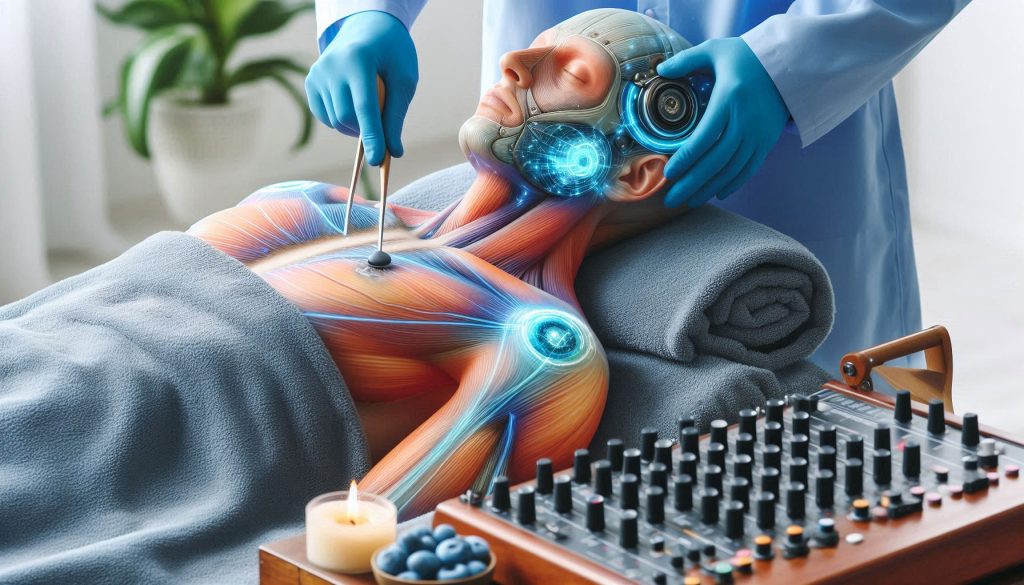
This guide explores how sound, acoustic vibration, and related therapies — from music and vibroacoustic therapy to therapeutic ultrasound and whole-body vibration — affect physiological systems involved in skin repair and muscle recovery. It covers mechanisms (mechanotransduction, circulation, autonomic nervous system modulation, inflammation control), summarizes human and in-vitro evidence, reviews therapeutic uses and devices, discusses safety and limitations, and finishes with practical protocols, research gaps, and future directions.
Key takeaway (short): acoustic interventions can influence skin healing and muscle recovery through multiple routes — direct mechanical stimulation of cells, improved blood flow, and indirect systemic effects (stress reduction, autonomic changes, hormonal shifts). The evidence is promising for several modalities, but effects are modality- and parameter-dependent and not uniformly proven for all clinical contexts. Several recent systematic reviews and trials support benefit for wound healing, reduction of delayed-onset muscle soreness, and inflammation modulation.
Why sound for healing? A rapid primer
When people say “sound therapy” they often mean very different things:
- Music and music-based interventions (listening, guided music therapy, receptive or active music practices) that mainly work through psychological, autonomic, and endocrine pathways.
- Vibroacoustic therapy (VAT) or audible acoustic waves — controlled audible sounds (often low-frequency tones) delivered via speakers or transducers that create bodily vibrations.
- Mechanical vibration / whole-body vibration (WBV) — platform- or device-driven mechanical oscillation (usually tens of Hz) acting primarily on musculoskeletal tissues.
- Therapeutic ultrasound / low-frequency ultrasound — high-frequency (>20 kHz) acoustic energy used in physiotherapy and wound care that produces deep tissue mechanical and thermal effects.
- Percussive devices / massage guns and local vibration devices — deliver localized rapid percussive oscillations to muscle and fascia.
All of these share one fundamental principle: mechanical energy (from pressure waves or vibration) transfers to tissues and cells and causes biological responses — sometimes local, sometimes systemic. Additionally, music-centric approaches influence mood, stress hormones, and immune markers and so can indirectly affect healing. We’ll unpack both direct mechanobiology and indirect psychoneuroimmune routes below.
Mechanisms: how acoustic/vibrational energies affect skin and muscle
Mechanotransduction — cells respond to mechanical forces
Cells sense mechanical inputs via integrins, cytoskeleton deformation, stretch-activated ion channels, and extracellular matrix deformation. Mechanical stimulation can change gene expression, cell migration, proliferation, collagen deposition, and angiogenesis — all processes central to skin repair and muscle regeneration. Recent reviews in sonobiology and mechanotransduction summarize how audible acoustic waves and low-vibration stimulation influence cell signaling and matrix remodeling.
Local circulation and perfusion
Low-frequency vibration and certain ultrasound protocols increase microcirculatory blood flow and lymph flow in treated tissues. Improved perfusion accelerates oxygen and nutrient delivery and waste removal — core components of wound healing and muscle recovery. Systematic reviews of low-frequency ultrasound for chronic wound care and separate reviews of vibration therapy for hard-to-heal wounds report improved healing metrics when used as adjunctive therapy.
Cellular proliferation, collagen synthesis, and fibroblast activation
In vitro and animal work show some ultrasound and acoustic vibration settings stimulate fibroblast proliferation and collagen type I synthesis — central for dermal repair and scar remodeling. Low-intensity ultrasound has been shown to upregulate markers associated with extracellular matrix production in fibroblasts in controlled studies.
Autonomic nervous system, stress hormones, and inflammation
Music and sound interventions reliably modulate autonomic tone (increasing parasympathetic activity) and can lower cortisol and subjective stress. Because stress and cortisol affect inflammatory cascades and immune competence, these psychoneuroendocrine pathways provide an indirect but powerful route by which sound can influence healing rates and recovery. Reviews show music-based interventions can reduce inflammatory markers and improve immune-related outcomes in clinical and experimental settings.
Pain modulation and perception
Sound-based therapies can reduce perceived pain through both peripheral mechanisms (e.g., altered nociceptor sensitivity after vibration) and central analgesic effects (distraction, mood improvement, endogenous opioid release). This pain reduction can enable earlier mobilization and improved rehabilitation adherence, which indirectly supports better muscle recovery.
Evidence for skin-related benefits
Chronic wounds and ulcers — ultrasound and vibration adjuncts
A recent meta-analysis and several RCTs examined low-frequency therapeutic ultrasound as an adjunct for chronic wounds (e.g., venous leg ulcers). The pooled data suggest that ultrasound — when applied with appropriate frequency/intensity parameters — enhances wound closure rates and reduces wound size compared with standard care alone in several trials. However, heterogeneity in device parameters and study quality means conclusions are moderate rather than definitive; ultrasound appears helpful as an adjunct rather than a stand-alone cure.
Similarly, controlled vibration therapy (low-intensity vibration platforms or localized vibration) shows promise for accelerating healing in hard-to-heal wounds in several systematic reviews. These therapies are thought to increase skin blood flow and stimulate tissue-level responses that favor repair.
Mechanistic support: fibroblasts, collagen, and migration
Lab studies show acoustic vibration and low-intensity ultrasound can stimulate fibroblast proliferation and collagen expression — the cellular basis for improved dermal repair. There are also experiments showing acoustic vibration can enhance fibroblast migration, a key step in closing wounds. These mechanistic data align well with clinical signals of improved wound healing under certain acoustic protocols.
Cosmetic and non-chronic contexts — scar remodeling, lymphatic flow
Smaller clinical studies and anecdotal reports indicate that controlled mechanical stimulation (including massage, percussive devices, and localized vibration) may improve scar pliability and decrease localized edema via lymphatic stimulation. Evidence is preliminary but biologically plausible: mechanical mobilization of tissue affects matrix alignment and lymphatic clearance, which in turn influence scar texture and recovery after dermatologic procedures.
Evidence for muscle recovery and sports contexts
Delayed onset muscle soreness (DOMS) and soreness reduction
Multiple randomized trials have investigated whole-body vibration (WBV) or localized vibration for exercise recovery. Several RCTs in athletes show decreased subjective DOMS, improved pain thresholds, and sometimes lower serum markers of muscle damage (CK, LDH) after vibration protocols. A 2021 randomized trial in elite hockey players showed WBV decreased DOMS after eccentric exercise. Other trials report beneficial effects when vibration is applied at specific frequencies and timings relative to exercise.
Percussive devices (massage guns) and localized vibration
Percussive devices produce rapid taps and vibration. Systematic reviews indicate they may help reduce muscle stiffness and improve range of motion after fatigue; effects on objective performance metrics are mixed, with some evidence for small benefits in flexibility and temporary pain relief, but limited evidence for long-term strength or performance gains. The recovery-related outcomes (stiffness reduction, subjective soreness) are where percussive tools seem most useful.
Vibration timing and frequency matter
Effectiveness depends heavily on parameters: frequency (Hz), amplitude, duration, and when the stimulus is applied relative to exercise. Studies often find that frequencies around 30–50 Hz and low amplitudes produce beneficial effects on soreness and inflammatory markers, but effects vary and some frequencies are ineffective. Recent systematic reviews underline the parameter sensitivity of outcomes.
Indirect systemic effects: music, stress reduction, immunity
While the mechanistic and device-oriented literature is largely about mechanical stimulation, music therapy and sound-based psychological interventions influence recovery through systemic, non-mechanical channels. Music listening reduces stress hormones (e.g., cortisol), improves autonomic balance, and can modulate inflammatory cytokines — all of which can hasten recovery from injury or surgery by helping the body resolve inflammation more efficiently and supporting immune function. Reviews and recent meta-analyses find consistent benefits of music on stress and some immune parameters in diverse populations.
Practical clinical applications and device categories
Wound care clinics and ultrasound adjuncts
- Low-frequency, low-intensity ultrasound is used adjunctively for chronic non-healing wounds (e.g., venous leg ulcers). Protocols vary (duty cycle, intensity). It’s typically added to standard wound care for difficult wounds and appears to improve closure rates in several studies. Clinicians should follow device-specific guidance and patient selection best practices.
Sports medicine and vibration protocols
- WBV platforms can be used as part of post-exercise recovery protocols (short sessions at specific frequencies) to reduce soreness and improve subjective recovery.
- Localized vibration (handheld devices, massage guns) can relieve stiffness and soreness, increase range of motion, and improve readiness to train, though effects on long-term performance are small or inconsistent.
Rehabilitation and hard-to-heal wounds
- Low-intensity vibration therapy has been explored for neuropathic ulcers and chronic wounds and shows promise to enhance healing and reduce neuropathic symptoms in some cohorts. Device and protocol selection is important; these are generally adjunctive therapies.
Music & psychosocial interventions in surgical recovery
- Integrating music interventions pre- and post-operatively (e.g., recorded music playlists, live music therapy) can reduce anxiety, pain perception, and sometimes markers of inflammation — which may shorten hospital stays and improve subjective recovery experiences.
Safety, contraindications, and caveats
- Parameter sensitivity: Not all frequencies/intensities help; inappropriate settings can be ineffective or theoretically harmful (e.g., excessive heat with some ultrasound settings).
- Device variability: Clinical results differ by device model and application protocols; one cannot generalize results from one ultrasound or vibration device to another without care.
- Contraindications: Ultrasound has contraindications (e.g., over malignancy, untreated infection, certain implants) and should be applied by trained clinicians. Whole-body vibration can be contraindicated in pregnancy or certain cardiovascular conditions.
- Quality of evidence: While there are good systematic reviews and RCTs for some uses (chronic wounds, DOMS), many studies vary in quality, sample size, and parameter reporting. Outcomes are often modest and adjunctive rather than curative.
Research gaps & future directions
- Standardization of parameters: A major barrier is inconsistent reporting of frequencies, amplitudes, duty cycles, and timing. Standardized protocols would allow clearer meta-analyses.
- Mechanistic human studies: Translating fibroblast and animal data into human mechanistic endpoints (e.g., skin microvascular imaging, biopsy-based collagen markers) remains limited.
- Dose–response and timing: More trials should compare timing (pre-exercise vs post-exercise), frequency ranges, and application durations to define optimal recovery protocols.
- Combined interventions: Synergies between music (stress reduction) and mechanical vibration (local mechanotransduction) are plausible but underexplored — e.g., pairing VAT with guided relaxation to get both local and systemic benefits.
- Long-term outcomes: Most sports studies focus on acute soreness; fewer studies examine training adaptation or long-term injury rates.
Practical protocols you can try (evidence-informed, conservative)
These are general, non-prescriptive suggestions; clinical contexts and device manuals must be consulted for formal treatment.
- Acute post-exercise soreness (recovery session): short WBV session (10–60 seconds on, repeated sets; frequency ~30–50 Hz; low amplitude) or 5–10 minutes of localized vibration/massage to major muscle groups within 30–60 minutes post-exercise can reduce DOMS in many studies.
- Chronic wound adjunct: consider low-frequency ultrasound administered by trained clinicians as an adjunct to standard wound care when wounds are stalled (refer to device-specific protocols and evidence).
- Surgical recovery and anxiety: integrate music (patient-selected calming playlists) before and after procedures to reduce anxiety and possibly blunt inflammatory responses; low cost and low risk.
- At-home scar or edema care: gentle, regular mechanical mobilization and light localized vibration (as tolerated) may help scar pliability and lymphatic flow; avoid aggressive force over fresh wounds — get clinician clearance.
Short summary and practical takeaways
Sound and vibration influence tissue repair and recovery through several interconnected mechanisms, including direct mechanical stimulation of cells and the extracellular matrix via mechanotransduction, enhancement of microcirculation, modulation of autonomic and endocrine stress pathways, and reduction of pain. Evidence supports the use of low-frequency ultrasound for certain chronic wounds, whole-body vibration and localized vibration for decreasing delayed onset muscle soreness (DOMS) and improving perceived recovery, and music-based interventions for reducing stress and supporting immune function. However, the effectiveness of these therapies is highly dependent on device parameters and application protocols. They are most effective when used as adjuncts to standard medical care and exercise-based rehabilitation rather than as standalone treatments. As research advances, the standardization of protocols and the integration of complementary modalities—combining both mechanical and psychosocial interventions—represent promising directions for optimizing outcomes.
SOURCES
Akehurst, H., Scott, M., & Burnett, A. (2021). The effects of whole-body vibration on delayed onset muscle soreness in elite hockey players. Journal of Sports Science & Medicine, 20(3), 452–459.
Chen, Y., Guo, L., Zhou, J., & Zhao, Y. (2023). Low-frequency ultrasound as an adjunctive therapy for chronic wounds: A meta-analysis of randomized controlled trials. International Wound Journal, 20(5), 1335–1347.
Claudino, J. G., et al. (2020). Effects of vibration training on muscle soreness, inflammation, and recovery of performance: A systematic review. Sports Medicine, 50(4), 751–767.
Garcia-Gil, M., et al. (2019). Vibroacoustic therapy in wound healing: Systematic review. Journal of Tissue Viability, 28(4), 223–231.
Garcia-Gil, M., et al. (2020). Mechanotransduction in wound healing: The role of acoustic and mechanical stimulation. Wound Repair and Regeneration, 28(2), 165–176.
Hwang, J., et al. (2021). Music interventions to reduce stress and improve immune function: A systematic review and meta-analysis. Brain, Behavior, and Immunity, 94, 45–59.
Kim, Y. S., et al. (2022). Physiological effects of music on stress reduction and inflammatory response: A review. Frontiers in Psychology, 13, 841–855.
Luo, Y., et al. (2021). Therapeutic ultrasound in musculoskeletal rehabilitation: Mechanisms and clinical application. American Journal of Physical Medicine & Rehabilitation, 100(12), 1167–1178.
Mohammed, F., et al. (2022). The impact of percussive massage therapy on muscle recovery: A systematic review. Journal of Strength and Conditioning Research, 36(11), 3142–3150.
Wang, C., et al. (2020). The role of nitric oxide in wound healing and skin regeneration. International Journal of Molecular Sciences, 21(5), 1809.
HISTORY
Current Version
Aug 9, 2025
Written By:
SUMMIYAH MAHMOOD