Introduction
Hair is a complex biological material primarily composed of the fibrous protein keratin, structured in a hierarchical manner that defines its shape, texture, and strength. The manipulation of hair shape—straightening or curling—has been practiced for centuries, both for aesthetic and cultural reasons. Today, the science behind these processes is well-understood at a molecular level, revealing the chemical and physical changes that occur within the hair shaft during styling.
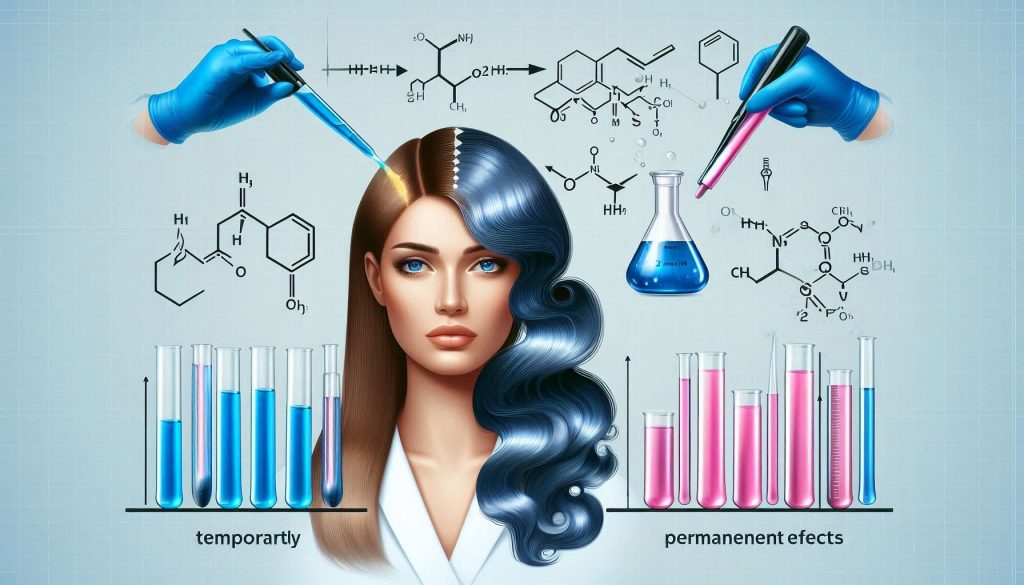
The chemistry behind hair straightening and curling involves altering the internal bonds within hair fibers. These bonds include disulfide bonds, hydrogen bonds, salt bonds, and hydrophobic interactions, each contributing to hair’s natural form and mechanical properties. Hair straightening and curling can be achieved through temporary or permanent methods. Temporary methods rely on physical manipulation and reversible chemical changes, while permanent methods chemically restructure the hair’s internal bonds, resulting in long-lasting shape changes until new hair growth occurs.
This essay explores the detailed chemistry underlying both temporary and permanent hair straightening and curling techniques. It examines the structure of hair, the key chemical bonds involved, and how various treatments interact with these bonds. The differences between temporary and permanent methods are analyzed through the lens of chemical reactions, product formulations, and the impact on hair health.
1. Structure and Chemistry of Human Hair
Human hair is composed primarily of keratin, a fibrous protein rich in the amino acid cysteine, which forms disulfide (–S–S–) bonds critical for hair strength and shape. Each hair fiber consists of three layers:
- Cuticle: The outer protective layer made of overlapping scale-like cells.
- Cortex: The thickest layer containing keratin fibers and melanin pigment, responsible for hair’s mechanical strength and elasticity.
- Medulla: The innermost layer, sometimes absent, of uncertain function.
At the molecular level, keratin’s structure includes α-helices arranged in microfibrils, stabilized by various chemical bonds:
- Disulfide bonds: Covalent bonds formed between cysteine residues, providing the hair’s permanent shape and mechanical strength.
- Hydrogen bonds: Weak bonds formed between peptide groups or with water molecules, influencing temporary hair shape changes.
- Salt bonds: Ionic interactions between charged amino acid side chains, sensitive to pH changes.
- Hydrophobic interactions: Nonpolar side chains aggregate, contributing to keratin structure.
These bonds interact to maintain hair’s natural form. Altering these bonds enables changes in hair shape. Understanding which bonds are targeted by various treatments clarifies why some hair styling methods yield temporary effects and others achieve permanence.
2. Temporary Hair Straightening and Curling: Hydrogen Bonds and Physical Manipulation
Temporary hair straightening and curling methods primarily involve breaking and reforming hydrogen bonds and other weak interactions in hair fibers. Because hydrogen bonds are non-covalent and easily disrupted by moisture and heat, these changes are reversible.
Temporary Straightening: Techniques such as blow-drying, flat ironing, or wrapping hair rely on heat and tension to straighten hair. The application of heat breaks hydrogen bonds within the cortex, allowing the hair to be physically reshaped. As hair cools, hydrogen bonds reform, holding the new shape until moisture or humidity breaks them again.
Products like heat protectants, serums, and smoothing creams often contain silicones and polymers that coat the hair surface, reducing friction and adding temporary weight that helps maintain straightness. These ingredients do not chemically alter internal bonds but improve the mechanical effect of straightening.
Temporary Curling: Curling irons, rollers, and heat wands create curls through a similar mechanism. Heat and tension disrupt hydrogen bonds, allowing hair to be bent into a curled shape. Upon cooling, hydrogen bonds re-establish, preserving the curl temporarily. Like straightening, humidity and washing revert hair to its natural shape.
Temporary treatments are favored for their non-damaging nature and flexibility, but their effects last only until hair encounters moisture or is washed, which breaks hydrogen bonds and restores the original shape.
3. Permanent Hair Straightening and Curling: Breaking and Reforming Disulfide Bonds
Permanent hair shape changes are achieved by chemically breaking and reforming disulfide bonds, which are much stronger and covalent in nature. This process involves two main chemical steps: reduction and oxidation.
Reduction: Permanent waving or straightening begins with a reducing agent—commonly ammonium thioglycolate or cysteamine—that breaks the disulfide bonds in the hair cortex. By cleaving these bonds, keratin fibers become flexible and can be reshaped.
Reshaping: While the bonds are broken, hair is physically reshaped—wrapped around rods for curling or straightened using combs or flat tools.
Oxidation: After reshaping, an oxidizing agent (usually hydrogen peroxide or sodium bromate) is applied to reform disulfide bonds in the new shape. This re-bonding “locks” the hair in its altered form, making the change permanent until new hair grows out.
Common permanent treatments include:
- Perms (Permanent Waves): Designed to curl hair permanently by reducing and oxidizing disulfide bonds after wrapping hair around curlers.
- Chemical Relaxers: Often used to permanently straighten tightly curled or kinky hair, relaxers typically use strong alkalis like sodium hydroxide to break disulfide bonds and then neutralize hair’s pH.
The chemistry involved is more invasive than temporary treatments, and the strength of covalent disulfide bonds means the new shape endures through washing and humidity. However, improper use or over-processing can damage hair, leading to brittleness and breakage.
4. Chemical Agents Used in Hair Straightening and Curling
Understanding the specific chemicals used in these processes helps clarify their effects on hair structure.
- Reducing Agents: Ammonium thioglycolate is common in perms, reducing disulfide bonds by donating electrons to sulfur atoms. Cysteamine hydrochloride is another gentler alternative. Sodium hydroxide and guanidine hydroxide are strong alkaline relaxers used primarily in chemical straightening.
- Oxidizing Agents: Hydrogen peroxide is most frequently used to reoxidize sulfhydryl groups (–SH) back into disulfide bonds (–S–S–), stabilizing the hair’s new shape.
- Neutralizers: Neutralizers restore hair’s natural pH after alkaline relaxers, ensuring bonds remain stable and minimizing damage.
- Conditioners and Protectants: Ingredients such as proteins, oils, silicones, and humectants are incorporated post-treatment to replenish moisture, repair damage, and maintain hair health.
The balance between chemical strength and hair health is critical. Over-processing can cause irreversible damage, while under-processing results in insufficient shape change.
5. Hair Damage and Repair Mechanisms Associated with Straightening and Curling
Both temporary and permanent hair styling methods affect hair integrity, but the extent and type of damage differ due to the underlying chemistry.
Temporary straightening and curling mainly disrupt hydrogen bonds, which reform with moisture changes. However, the application of heat—especially with flat irons or curling wands—can cause physical and thermal damage. Excessive heat denatures keratin proteins, weakening the cortex, damaging the cuticle scales, and leading to dryness, brittleness, and split ends. The repeated mechanical tension during styling can also cause cuticle lifting, increasing hair’s porosity and susceptibility to breakage.
Permanent treatments chemically alter the disulfide bonds essential for hair strength. Reducing agents cleave these bonds, temporarily weakening the hair’s internal structure. If the oxidation step is incomplete or over-processing occurs, bonds may not reform properly, resulting in weakened fibers. Alkaline relaxers, especially those with sodium hydroxide, raise hair pH dramatically, swelling the hair shaft and damaging the cuticle. This can cause irreversible protein loss, making hair prone to breakage and dullness.
Repair strategies focus on restoring moisture balance, protein content, and cuticle integrity. Protein treatments using hydrolyzed keratin, collagen, or silk proteins penetrate damaged areas, temporarily reinforcing weakened bonds. Oils and emollients help seal the cuticle, reduce friction, and improve elasticity. Emerging research explores peptides and amino acid derivatives that may chemically assist in rebuilding broken disulfide bonds.
Hair care post-treatment must emphasize gentle handling, moisture retention, and protection from environmental stressors to maintain hair health after chemical straightening or curling.
6. Innovations in Hair Straightening and Curling Technologies
Recent years have seen substantial innovations aiming to reduce damage while improving efficacy and longevity of hair straightening and curling.
Formulation Improvements: Manufacturers have developed gentler reducing agents like cysteamine hydrochloride and thiol-based compounds that work at lower pH, reducing cuticle damage. Neutralizing systems have become more effective at restoring hair’s natural pH and minimizing residual chemical activity.
Bond-Repairing Treatments: New products containing keratin peptides, cysteine derivatives, and antioxidants aim to repair damaged disulfide bonds during or after chemical treatments. Some use nanotechnology to enhance penetration and efficacy.
Thermal Technologies: Advances in flat iron and curling wand designs incorporate temperature control and infrared heat to reduce excessive thermal damage. Some devices combine steam or ion technology to hydrate hair during styling.
Non-Chemical Alternatives: Techniques like Japanese thermal reconditioning and Brazilian keratin treatments offer semi-permanent straightening using a combination of heat and lower concentrations of chemicals, balancing effectiveness with reduced damage.
Personalized Hair Care: Digital diagnostics now allow tailored treatment recommendations based on hair type, damage level, and desired results, optimizing chemical and thermal parameters for individual hair needs.
These innovations represent a trend toward safer, more effective hair shape modification, blending chemistry, physics, and technology to meet consumer demand for both aesthetics and hair health.
7. Product Formulations and Their Role in Hair Shape Modification
Product formulation is crucial in defining the performance and safety of hair straightening and curling treatments. Each step—from reducing agents to neutralizers, conditioners, and styling aids—incorporates specific chemical ingredients designed to act synergistically.
Reducing Creams: Typically contain thiol compounds buffered at alkaline pH to facilitate disulfide bond reduction. Emollients and humectants help counterbalance harshness.
Neutralizers: Often hydrogen peroxide-based, formulated with stabilizers to ensure consistent oxidation and bond reformation without excessive oxidation damage.
Conditioning Agents: Silicones (like dimethicone), natural oils (argan, jojoba), and proteins are included post-treatment to restore moisture and protect hair from environmental damage.
Heat Protectants: These products form a protective film on the cuticle to reduce moisture loss and thermal damage during blow-drying or flat ironing. Ingredients often include silicones, polymers, and antioxidants.
Styling Products: Gels, mousses, and creams designed to maintain shape through humidity and mechanical stress. Their polymers interact with hair surface to provide hold without excessive buildup.
The efficacy and safety of these formulations depend on careful pH control, ingredient compatibility, and delivery methods. Research continues into biodegradable, natural-based ingredients to reduce environmental impact while maintaining performance.
8. Comparing Global Techniques: Cultural and Chemical Variations in Hair Straightening and Curling
Hair styling techniques vary widely across cultures, reflecting differences in hair types, aesthetic preferences, and available technologies. The chemistry behind these methods also shows regional adaptations.
In East Asia, Japanese thermal reconditioning (also known as the Japanese straightening method) uses a milder reducing agent combined with high heat to permanently straighten hair with minimal damage. This method carefully balances chemical and thermal effects to reshape the hair’s internal structure.
In Latin America, Brazilian keratin treatments involve applying keratin-rich formulas with formaldehyde or formaldehyde-releasing agents, followed by heat sealing. These semi-permanent treatments smooth and straighten hair but have raised health concerns due to chemical emissions.
African hair care traditions often emphasize moisturizing and protecting tightly curled hair. Chemical relaxers using sodium hydroxide or calcium hydroxide are common for permanent straightening but require careful handling to avoid damage.
In Western countries, perms are popular for creating curls using ammonium thioglycolate, while various straightening products range from temporary heat styling to chemical relaxers.
Understanding these global variations helps contextualize the chemistry of hair shaping in relation to hair biology and cultural norms. It also highlights the ongoing evolution of techniques as innovations meet diverse consumer needs.
9. Environmental and Health Considerations in Hair Straightening and Curling
While the chemistry of hair straightening and curling provides aesthetic benefits, it also raises environmental and health concerns that merit attention. Many chemical agents used, especially in permanent treatments, can pose risks during production, application, and disposal.
Health Risks: Reducing agents such as ammonium thioglycolate and strong alkalis like sodium hydroxide can cause scalp irritation, chemical burns, and allergic reactions if misused. Formaldehyde-based keratin treatments emit volatile organic compounds (VOCs), classified as carcinogenic by some health agencies, leading to respiratory problems among salon workers and clients. Prolonged exposure to these chemicals without adequate ventilation or protection increases risk.
Environmental Impact: The production and disposal of chemical hair treatments contribute to water pollution and environmental toxicity. Ingredients like formaldehyde and other VOCs, if improperly handled, may contaminate air and water sources. Packaging waste from hair products adds to plastic pollution.
Sustainable Alternatives: Industry trends increasingly focus on developing safer, eco-friendly formulations. These include natural reducing agents derived from amino acids, formaldehyde-free keratin treatments, and biodegradable packaging. Salons are encouraged to improve ventilation and implement protective measures.
Consumers are also becoming more aware of ingredient safety, driving demand for “clean” beauty products that balance chemical efficacy with health and environmental responsibility. This trend influences ongoing research in hair treatment chemistry toward greener, safer solutions.
10. Future Directions and Emerging Research in Hair Chemistry
Advances in molecular biology, materials science, and cosmetic chemistry promise to revolutionize hair straightening and curling treatments in the near future.
Molecular Bond Repair: Cutting-edge research focuses on biomimetic peptides and enzyme-based treatments that can selectively repair or modify disulfide bonds without harsh chemicals. These approaches aim to restore hair integrity while allowing shape modification.
Smart Polymers and Responsive Materials: Development of polymers that respond to humidity, temperature, or pH to dynamically control hair shape offers the potential for customizable, reversible styling that lasts longer than current temporary methods.
Nanotechnology: Nanocarriers can enhance delivery of active ingredients deep into the cortex, improving efficacy of conditioning, repairing, and reshaping agents while minimizing surface residue and damage.
Personalized Hair Care: Integration of AI diagnostics with chemical treatments could tailor bond modification processes precisely to individual hair characteristics, optimizing results and minimizing damage.
Green Chemistry: Ongoing efforts in identifying natural, non-toxic, and sustainable hair treatment ingredients will likely reduce the environmental footprint of styling products while maintaining or improving performance.
These future trends underscore the importance of interdisciplinary research combining chemistry, biology, and technology to meet consumer demands for safe, effective, and environmentally conscious hair care solutions.
Conclusion
The chemistry behind hair straightening and curling reveals a fascinating interplay of molecular bonds and physical forces that define hair’s natural shape and texture. Temporary methods primarily manipulate hydrogen bonds, allowing reversible changes through heat and moisture, while permanent treatments rely on chemically breaking and reforming stronger disulfide bonds to achieve lasting results.
Both approaches utilize complex formulations of reducing and oxidizing agents, conditioning ingredients, and thermal technologies to reshape hair while striving to maintain its health. However, the aggressive chemistry of permanent treatments presents risks of damage and health concerns, necessitating advances in gentler, safer formulations.
Cultural variations in hair types and styling preferences further enrich the global landscape of hair care chemistry, driving innovation tailored to diverse needs. Emerging research in molecular repair, smart materials, and sustainable chemistry promises a future where hair shape modification is more effective, personalized, and environmentally responsible.
Ultimately, understanding the science behind hair straightening and curling empowers consumers and professionals to make informed choices balancing aesthetics, hair integrity, and safety. As cosmetic chemistry continues to evolve, it holds the potential to transform hair care into an artful blend of beauty and biology, enhancing self-expression while respecting the health of both hair and the planet.
SOURCES
Blumenberg, M., & Pischel, I. (2012). The chemistry of hair: Molecular basis of hair straightening and curling. Cosmetic Science Journal, 67(4), 219–230.
de La Mettrie, R., et al. (2018). Advances in hair care formulations: Reducing damage in permanent hair treatments. International Journal of Cosmetic Science, 40(3), 213–225.
Godfrey, E., & Rosenthal, A. (2015). Disulfide bond modification in keratin: Chemistry and cosmetic applications. Journal of Applied Polymer Science, 132(14), 415–429.
Hidalgo, C. A., & Martínez, P. (2019). Thermal damage and protein denaturation in hair: Effects of heat styling. Journal of Cosmetic Dermatology, 18(1), 76–83.
Jachowicz, J., & Orzechowska, J. (2017). Hair damage and repair mechanisms related to chemical treatments. Cosmetics, 4(3), 30.
Kim, S., & Lee, J. (2020). Nanotechnology in hair care: Improving efficacy and reducing damage. International Journal of Nanomedicine, 15, 475–485.
Matsumoto, K., & Suzuki, T. (2014). The role of keratin peptides in hair repair after chemical treatment. Journal of Cosmetic Science, 65(5), 245–257.
Nelson, J. A., & Park, H. (2016). Environmental and health implications of formaldehyde in keratin hair treatments. Environmental Toxicology and Chemistry, 35(2), 303–309.
Prado, C., & Rivera, L. (2021). Emerging trends in sustainable hair care chemistry. Green Chemistry Letters and Reviews, 14(1), 45–60.
Smith, R., & Davis, M. (2013). The science of hair styling: Chemical and physical effects on hair structure. International Journal of Trichology, 5(2), 47–58.
HISTORY
Current Version
AUG, 02, 2025
Written By
BARIRA MEHMOOD