Introduction
Hair — seemingly just strands of keratin growing from the scalp — has played an extraordinary role throughout human history far beyond its biological function. Across cultures and epochs, hair has served as a potent symbol of identity, conveying messages about social status, ethnicity, spirituality, gender, and political allegiance. It is a living canvas, mutable yet deeply connected to personal and collective identities.
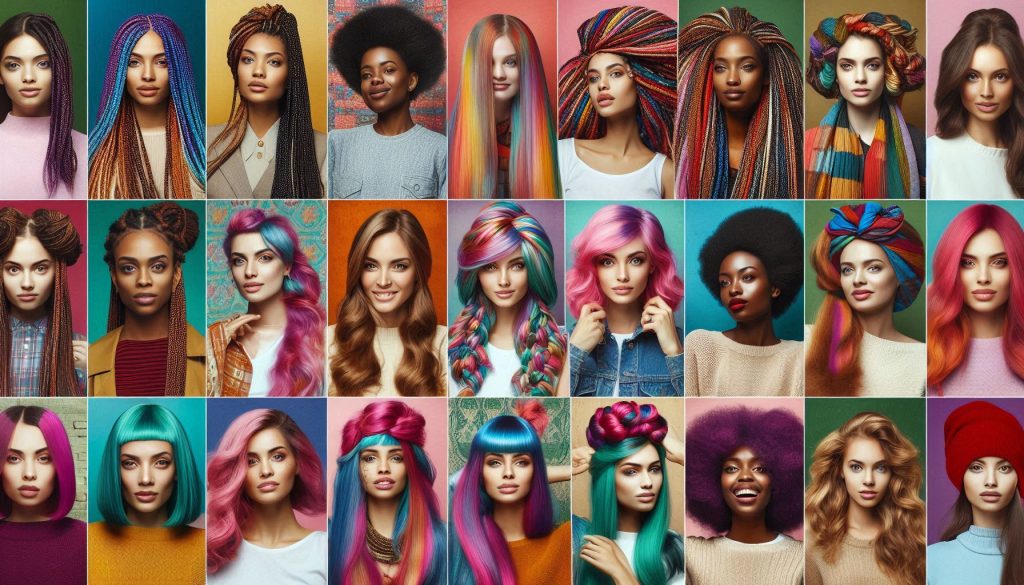
From the elaborate wigs of 18th-century European aristocrats to the sacred uncut hair of Sikhism, from the carefully braided patterns of African tribes to the revolutionary Afros of the 1960s, hair has articulated stories of power, pride, conformity, and resistance. Understanding the history of hair as a symbol of identity is to explore the ways humans have used this organic material to express and shape who they are in society.
This essay embarks on a journey through time and space, examining how hair has carried significance in ancient civilizations, religious traditions, indigenous cultures, gender politics, and modern globalized contexts. It will illuminate how hair remains a profound marker of human identity, reflecting both continuity and change.
Ancient Civilizations
Hair in Ancient Egypt
Ancient Egypt offers some of the earliest and richest records of hair as a cultural symbol. Hair was integral to personal appearance and social identity in Egyptian society, closely tied to status, spirituality, and aesthetics. Egyptians typically wore their hair in styles that indicated their social rank and age.
Wigs were especially popular among the elite and royalty. Made from human hair or plant fibers, these wigs were often elaborately styled, serving both ornamental and hygienic functions in the hot climate. Pharaohs and nobles wore wigs to signify their power and divine connection. For example, Queen Nefertiti’s iconic bust shows a stylized wig that was both fashionable and symbolic of her royal stature.
Moreover, hair in Ancient Egypt had religious significance. Priests often shaved their heads as a sign of ritual purity, while the wearing of wigs could be part of ceremonial dress. Hair was also associated with fertility and life — the god Osiris was sometimes depicted with a plaited beard symbolizing fertility and resurrection.
Mesopotamian and Early Symbolism
In Mesopotamian civilizations, hair also played a role in social and religious identity. Kings were often depicted with long, carefully curled beards, signifying wisdom, strength, and authority. The stylized beard was a marker of masculinity and divine favor. Hairstyles could denote rank and tribal affiliation.
Hair removal was practiced for cleanliness and sometimes for ritual purposes. Certain laws and texts addressed hair cutting and shaving, showing that hair management was socially regulated. Overall, hair helped delineate social order and religious devotion.
Hair in Ancient Greece and Rome
In classical Greece and Rome, hair carried complex meanings tied to philosophy, social class, and morality. Greek men typically wore their hair short, reflecting ideals of discipline and reason. In contrast, longer hair in men could indicate a barbarian or outsider status.
Women’s hairstyles in Greece were elaborate, involving braids, curls, and adornments such as ribbons or gold. These styles indicated marital status and social standing. Hair was also central to mythology: the tale of Medusa, whose snake-hair petrifies onlookers, reflects the powerful symbolic weight of hair as both beautiful and dangerous.
In Rome, hairstyles became even more elaborate with the imperial family and upper classes experimenting with complex curls, braids, and wigs. Hair color also became a fashion statement; blonde hair, often dyed, was prized among Roman women, symbolizing youth and desirability.
Hair in Religious and Spiritual Contexts
Hair has been deeply embedded in religious symbolism and practice worldwide, often signifying devotion, purity, or spiritual power.
Biblical References and Jewish Traditions
In the Hebrew Bible, hair is often a symbol of strength and identity. The story of Samson, whose strength depended on his uncut hair, underscores the power invested in hair. The Nazirite vow included abstaining from cutting hair as a mark of dedication to God.
In Jewish tradition, hair carries strict laws and customs. Orthodox men wear payot (side curls) based on interpretations of Leviticus. Married Orthodox women cover their hair as a sign of modesty and respect for divine commandments, reinforcing hair as a marker of piety and social identity.
Hinduism and Sikhism: Hair as Sacred
In Hinduism, hair has varied symbolic meanings. For many ascetics, shaving the head represents renunciation of worldly attachments. Conversely, long hair in some yogic traditions symbolizes spiritual power.
Sikhism places profound importance on uncut hair (kesh), one of the Five Ks or articles of faith. Sikhs believe hair is a gift from God and should remain untouched to honor divine creation. Wearing turbans to cover uncut hair signifies commitment, discipline, and community belonging.
Buddhist Practices Regarding Hair
Buddhism often associates hair with attachment and ego. Monks and nuns shave their heads to renounce vanity and worldly concerns, symbolizing spiritual awakening and humility. The shaved head is thus a visible sign of transformation and identity within the monastic community.
Islamic Views on Hair and Modesty
In Islam, hair is linked to modesty and social identity. Many Muslim women cover their hair with a hijab as a religious and cultural practice, signifying faith and modesty. Hair care is also encouraged within Islamic tradition, emphasizing cleanliness and respect for the body as God’s creation.
Men often grow beards, which carry religious significance, symbolizing adherence to the Sunnah (practices of the Prophet Muhammad). Hair grooming is an important aspect of personal hygiene and spiritual discipline.
Medieval and Renaissance Europe
During the Middle Ages and Renaissance, hair remained a potent symbol reflecting social hierarchy, gender norms, and evolving aesthetics.
Hair and Social Hierarchy
In medieval Europe, hair length and style often indicated social class. Nobles wore their hair long and well-maintained as a sign of privilege, while peasants kept their hair short for practicality. Hairstyles could denote marital status—unmarried women wore their hair uncovered and loose, while married women covered or braided theirs.
Monastic orders imposed strict rules on hair, with tonsure (shaving the crown) symbolizing religious devotion and separation from worldly life.
Symbolism of Hair Colors
Hair color carried symbolic meanings during the Renaissance. Blonde hair was often idealized in art and literature, representing innocence, purity, or angelic qualities. Conversely, red hair sometimes denoted fiery temperament or moral suspicion.
The rediscovery of classical texts and art revived interest in hair styling, with elaborate braids, curls, and headdresses becoming fashionable among the aristocracy.
Influence of Royalty and Aristocracy on Hair Fashion
Royal courts set trends in hair fashion, using hairstyles to display wealth, power, and sophistication. The French court under Louis XIV popularized towering wigs, which became symbols of status and luxury. Such styles required extensive maintenance and signaled social distinction.
Wigs also served practical purposes, concealing hair loss or hygiene issues, yet their symbolic power remained paramount.
Indigenous Cultures Worldwide
Indigenous peoples across the globe have rich and diverse hair traditions, using hair as a crucial expression of cultural identity and social structure.
Native American Hair Traditions and Meanings
For many Native American tribes, hair is sacred and intimately linked to spiritual identity. Hair is often grown long and cared for meticulously as a symbol of strength and connection to ancestors. Cutting hair can signify mourning or loss.
Different tribes have unique styles and meanings. For example, the Mohawk hairstyle, originally worn by the Mohawk people, symbolized warrior status. Hair is woven into ceremonies and storytelling, reflecting personal and communal identity.
African Tribal Hair Symbolism and Practices
In African cultures, hair is one of the most expressive markers of identity, conveying age, marital status, religion, ethnic group, and social rank. Intricate braiding, twisting, and styling are cultural arts passed down through generations.
Hairstyles like cornrows, dreadlocks, and Afros each hold unique histories and cultural significance. Hair was often used to communicate messages—patterns could signal tribal affiliation or availability for marriage.
The transatlantic slave trade deeply affected African hair culture, as enslaved people were forced to cut their hair, erasing identity. The modern natural hair movement is a reclaiming of this heritage and pride.
Aboriginal Australian Hair Customs
For Aboriginal Australians, hair holds spiritual significance linked to the Dreamtime — the ancestral era of creation. Hair and body adornment are part of ceremonial dress and storytelling.
Hair cutting or shaving may mark life transitions, such as puberty or mourning. The care and presentation of hair embody connection to land, culture, and community.
Hair and Gender Identity
Hair has long been intertwined with concepts of gender, shaping and reflecting societal norms, expectations, and expressions of identity.
Hair and Masculinity in History
Traditionally, short hair has been associated with masculinity in many cultures, symbolizing discipline, strength, and readiness for labor or combat. Warriors often cut hair short for practicality.
However, long hair has also been a sign of masculine power, especially in cultures like the Vikings or Samurai, where warriors’ long hair or topknots signified honor.
In contemporary times, men’s haircuts can signify a wide range of identities—from conventional to countercultural.
Hair and Femininity: Cultural Norms and Rebellion
Long, flowing hair has often been idealized as a symbol of femininity, beauty, and fertility. Women’s hair was subject to cultural regulation—married women might cover or style their hair in specific ways.
At the same time, hair has been a site of resistance. Women cutting their hair short during the flapper era of the 1920s challenged traditional gender roles. Punk and feminist movements later used hair as a tool of rebellion and self-expression.
Transgender and Nonbinary Expressions Through Hair
Hair plays a critical role in the expression and affirmation of transgender and nonbinary identities. Changing hairstyles can be a powerful act of aligning outer appearance with internal gender identity.
For many, haircuts, colors, and styles help communicate gender in ways that feel authentic and liberating, often challenging binary norms.
Hair as Political Statement and Resistance
Throughout history, hair has been wielded as a political tool, a form of protest, and an emblem of cultural pride.
Hair in the Civil Rights Movement
In the 1960s and ’70s, the Black Power movement embraced natural hair, especially the Afro, as a symbol of pride, resistance, and cultural identity. Rejecting Eurocentric beauty standards, natural hairstyles became political statements affirming blackness and empowerment.
The Afro was more than a hairstyle — it was a declaration of self-acceptance and defiance against oppression.
The Afro as Cultural Pride
The Afro’s resurgence highlighted the connection between hair and racial identity. It spurred conversations about discrimination, workplace norms, and the politics of appearance, leading to legal protections like the CROWN Act in recent years.
Punk and Counterculture Hairstyles
Punk hairstyles, such as brightly colored mohawks and spikes, symbolized rebellion against mainstream society and authority. These styles challenged norms, using hair as a visual shout of dissent and individuality.
Other countercultures like hippies used long, unkempt hair to signify peace and nonconformity.
Modern Era and Globalization
Hair in the Age of Media and Celebrity
The rise of mass media and celebrity culture has amplified hair’s role as an identity symbol. Hairstyles of public figures often set trends and signify social belonging or aspiration.
Celebrities use haircuts and colors to reinvent themselves and shape public perception.
Cross-Cultural Influences and Appropriation Issues
Globalization has facilitated cross-cultural hair styles, sometimes leading to cultural exchange and appreciation, but also cultural appropriation controversies. Non-Black individuals adopting traditionally Black hairstyles without acknowledging history or significance has sparked debates about respect and identity.
Hair Care Industry and Commercialization of Identity
The multi-billion-dollar hair care industry profits from people’s desire to express identity through hair. Products and services cater to diverse hair types and styles, but also perpetuate beauty standards.
The commercialization of hair influences how identity is performed and consumed.
Psychological and Sociological Perspectives
Hair and Self-Esteem
Psychologically, hair can strongly influence self-esteem and body image. Changes in hair, whether natural or through styling, impact how individuals feel about themselves.
Hair loss or changes due to illness can deeply affect identity and confidence.
Hair as Social Currency
Sociologically, hair can function as “social currency,” impacting job prospects, relationships, and social interactions. Hair can open or close doors, making it a crucial factor in social dynamics.
Hair and Age-Related Identity Shifts
Hair changes with age, often prompting shifts in self-perception. Graying hair may be embraced as a sign of wisdom or covered to maintain youthfulness.
Hair is thus linked to life stages and evolving identity narratives.
Conclusion
Throughout history, hair has been an extraordinary and multifaceted symbol of identity, serving as a living testament to the complex ways humans express themselves individually and collectively. From the sacred and ritualistic hair practices of ancient civilizations to the bold political statements embodied by natural hairstyles in modern social movements, hair has been deeply woven into the fabric of human culture, identity, and communication.
Hair’s significance transcends mere aesthetics or biology; it carries rich cultural meanings that reveal how societies construct and negotiate notions of power, gender, spirituality, ethnicity, and resistance. In ancient Egypt, hair symbolized divine status and ritual purity; in Indigenous cultures, it connected individuals to their ancestors and community; in religious traditions, hair often embodies spiritual devotion or modesty; and in political contexts, hair has become a powerful medium of protest and pride.
Moreover, hair is intimately tied to gender identity, both reinforcing and challenging cultural norms across time. For many, changing hair is an act of self-definition, a visible alignment of inner identity with outward appearance. Hair’s role in psychological well-being, social interaction, and self-esteem further underscores its profound impact on personal and social identity.
In the contemporary, globalized world, hair continues to evolve as a dynamic symbol. It reflects shifting beauty standards, cross-cultural exchanges, and ongoing debates about cultural appropriation and respect. The commercialization of hair through a vast industry simultaneously empowers self-expression and perpetuates norms that influence how identity is performed and perceived.
Ultimately, the history of hair as a symbol of identity is a powerful reminder that something as simple as hair—often taken for granted—can carry deep meanings about who we are, where we come from, and how we choose to present ourselves to the world. As societies continue to change, hair will remain a vibrant and evolving language of identity, connecting us across generations and cultures while allowing space for innovation, rebellion, and affirmation.
Understanding this history enriches our appreciation of hair not just as a personal feature, but as a living emblem of human experience and identity. It invites us to recognize the stories hair tells about our past and present and inspires us to consider how we shape our futures through the choices we make about our own hair.
SOURCES
Byrd, A. D., & Tharps, L. L. (2014). Hair story: Untangling the roots of Black hair in America. St. Martin’s Press.
Craig, M. L. (2006). Hair story: Cultural identity and hair in the African diaspora. Journal of American Folklore, 119(473), 420–429.
Rouse, J. (2013). The cultural politics of hair: Power and identity in contemporary society. Routledge.
Bernhardt, J. M., & Landrine, H. (2008). African American women’s hair care practices: Implications for health education and intervention. Health Education & Behavior, 35(1), 12–21.
Thompson, C. (2009). The significance of hair in religious and cultural identity. Journal of Religion and Culture, 31(2), 225–240.
Holliday, R., & Sanchez Taylor, J. (2006). Hair culture: The influence of hair on Black women’s identity and self-esteem. Sociology Compass, 4(7), 491–505.
Stewart, D. (2012). Hair, gender and identity: An anthropological perspective. Gender and History, 24(1), 96–110.
Thompson, C. L., & Keith, V. M. (2001). The Blacker the berry: Gender, skin tone, self-esteem, and self-efficacy. Gender & Society, 15(3), 336–357.
Encyclopedia Britannica. (2023). Hair.
National Museum of African American History & Culture. (n.d.). Hair as a cultural expression.
HISTORY
Current Version
AUG, 12, 2025
Written By
BARIRA MEHMOOD