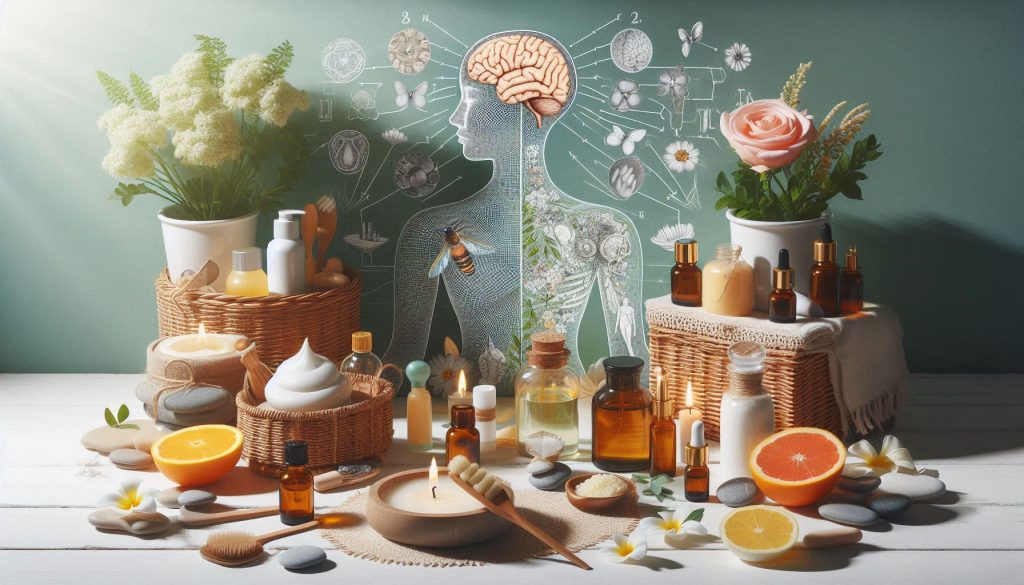
Scent is an invisible architect of memory, mood, and behavior. From the comforting smell of fresh laundry to the brisk bite of peppermint in a shower gel, fragrances shape how we feel and interact with the world. Aromachology — the scientific study of how smells affect human psychology and physiology — sits at the junction of neuroscience, psychology, and the fragrance industry. When combined with body care, fragrances and essential oils are not just cosmetic additives: they can influence mood, modulate stress responses, and interact with the skin both chemically and biologically. Yet they can also cause adverse skin reactions and systemic effects when misused. This guide explores the mechanisms behind scent-driven mood changes, the dermatological implications of fragranced products, safe and effective ways to integrate scents into body-care routines, gaps in the evidence, and practical guidance for consumers and formulators.
Load-bearing evidence: the role of olfactory stimulation in cognition and mood is documented in psychophysiological reviews of fragrances; see example review on influence of fragrances on human psychophysiological activity.
Definitions and Historical Context
Aromachology vs. Aromatherapy
- Aromachology: an evidence-focused field that examines how odors change behavior, mood, cognitive performance, and physiological states (heart rate, EEG, hormonal markers). It emphasizes psychological and neuroscientific measurement of scent effects.
- Aromatherapy: traditionally the therapeutic use of essential oils (EOs) to promote health and wellbeing; often rooted in historical/traditional uses and practiced in complementary medicine.
Both overlap — especially when EOs are used to produce mood effects — but aromachology frames scent effects in terms of measurable behavioral and brain responses rather than only therapeutic claims.
(For an accessible explanation distinguishing the two, see industry and review summaries.
Cultural role of scent in body care
Across cultures, scent has marked identity, ritual, and health: scented oils, floral waters, and fumigations have been used in hygiene, religious practice, medicinal contexts, and personal grooming. Modern body-care products adopt both traditional botanicals and synthetic aroma molecules, blending tradition with industrial safety and scalability.
How Scent Reaches the Brain — the Olfactory Pathway and Mechanisms of Mood Modulation
From nose to brain: the quick route
When volatile molecules reach the nasal cavity, they bind olfactory receptors on sensory neurons. Signals are sent through the olfactory bulb to limbic structures (amygdala, hippocampus) and to cortical areas involved in emotion and memory. Because of those direct limbic connections, scents can elicit rapid emotional responses and vivid memories.
Neurochemical pathways
Scent-driven limbic activation can modulate neurotransmitters (e.g., serotonin, norepinephrine, GABA) and autonomic activity (sympathetic/parasympathetic balance), producing measurable changes in anxiety, arousal, and cognitive performance. EEG and physiological studies show that specific fragrances can alter brainwave patterns and heart-rate variability.
Conditioning and personal meaning
The psychological impact of a scent depends strongly on prior associations (conditioning). The same floral note may soothe one person and irritate another, depending on learned memory and context.
Evidence: Which Scents Influence Mood and How Strong Is the Research?
Common mood-active scents and their reported effects
- Lavender: relaxation, reduced anxiety, sleep-promoting in many human studies (inhalation, topical inhalers); widely reported and frequently tested.
- Citrus (lemon, bergamot, orange): alertness, elevated mood, sometimes stress reduction.
- Peppermint/menthol: increased alertness and cognitive performance in short-term exposure studies.
- Rose/ylang-ylang/sandalwood: calming, sensual, or grounding effects depending on study design and concentration.
Strength of evidence
Controlled trials and psychophysiological studies provide moderate evidence that certain fragrances can alter subjective mood and some objective measures (EEG, heart rate), but effects vary by dose, delivery method, context, and participant expectations. There are excellent reviews summarizing psychophysiological studies of fragrance influence.
Limitations of the literature
- Heterogeneity of methods (exposure duration, concentrations, delivery mode).
- Small sample sizes in many studies.
- High influence of expectation/placebo effects.
- Limited long-term studies or real-world randomized trials.
Skin Interactions — How Fragrances and Essential Oils Affect Skin Physiology
Physical and biochemical skin effects
Fragrance molecules and essential oils can:
- Interact with the stratum corneum lipids and proteins (some can enhance skin permeation of other actives).
- Exert antimicrobial or anti-inflammatory activities in vitro and in some clinical contexts (select essential oils).
- Provide antioxidant action in formulations, potentially protecting against oxidative stress on the skin surface.
Research shows essential oils can act as skin permeation enhancers, improving delivery of other active compounds — a double-edged sword that may both help efficacy and increase penetration of irritants.
Allergic and irritant reactions
- Contact dermatitis (irritant or allergic) is the most common adverse effect linked to aromatherapy and fragranced products. Numerous case reports and reviews document dermatitis from lavender, tea tree, peppermint, ylang-ylang and others.
- Many fragrance compounds become more allergenic after oxidation (e.g., limonene oxidizes to potent sensitizers).
- People with sensitive skin or atopic dermatitis have increased risk of sensitization due to impaired barrier function.
Systemic absorption and transdermal considerations
Some volatile molecules are absorbed through the skin, and essential oils can carry bioactive constituents. While systemic toxicity from typical cosmetic use is rare, concentrated or improperly diluted applications can increase exposure and risks (including phototoxicity with citrus oils).
Benefits: When Scents Help Skin and Mood (Evidence-Based Use Cases)
Mood-supportive body care
- Evening body lotions or pillow mists containing lavender or chamomile can help with sleep rituals by signaling relaxation (evidence supports short-term effects on sleep quality and anxiety measures in some populations).
- Uplifting citrus-scented cleansers or body sprays can support short bursts of alertness or mood elevation.
Skin-targeted benefits of select essential oils
- Some essential oils (tea tree, thyme, rosemary) show antimicrobial activity and have been used adjunctively for acne and superficial skin infections; clinical evidence is mixed and formulation-dependent.
- Products combining essential oils with barrier-supporting ingredients sometimes report improved hydration or sebum normalization in small studies; rigorous trials are limited.
Risks, Adverse Effects, and Safety Practices
Documented adverse effects
- Contact dermatitis is the most common adverse event linked to topical essential oils and fragranced products. Serious adverse events are rare but have been reported in systematic reviews of case reports.
Phototoxicity and oxidation
- Citrus oils (bergamot, lemon, lime) may be phototoxic — causing skin damage when applied before sun exposure. Oxidation products of terpenes (limonene, linalool) are more allergenic after air exposure.
Safe dilution and patch testing
- Always dilute concentrated EOs with an appropriate carrier oil or incorporate them at industry-recommended percentages in leave-on vs rinse-off products.
- Conduct a patch test (48–72 hours) on a small area before regular use, especially if you have sensitive or atopic skin.
Special populations
- Pregnant or breastfeeding people should consult healthcare providers — certain oils (e.g., rosemary, some chemotypes of sage) are contraindicated or require caution.
- Children and infants have more permeable skin and immature detoxification pathways — use mild, well-diluted formulations or avoid concentrated EOs.
(Major safety reviews and dermatology analyses warn that natural doesn’t equal safe — roughly ~80 essential oils have documented contact allergy potential in the literature).
Formulation Science: Creating Body-Care Products that Harness Scents Safely
Delivery modes and the dose-response
- Inhalation (diffusers, sprays, room mists): rapid mood effects, minimal skin exposure.
- Rinse-off products (soaps, shower gels): transient skin contact; lower risk for sensitization but still relevant.
- Leave-on products (lotions, oils, balms): prolonged contact; require careful dilution and stabilization to prevent oxidation/phototoxicity.
Stabilization and oxidant control
- Antioxidants (vitamin E, BHT in some formulations), opaque packaging, nitrogen flushing, and chelators help reduce oxidation of fragrance constituents.
- Proper pH, emulsifier selection, and preservative systems maintain product stability and reduce the risk of microbial contamination.
Functional fragrances vs. medicinal essential oils
- Functional fragrances are designed to elicit a specific psychophysiological response (e.g., alerting, calming) using a mix of aroma molecules — they may combine synthetic and natural notes for stability and predictability.
- Essential oils are complex natural mixtures; batch variability and minor constituents can alter both scent and reactivity.
Best Practices for Consumers
- Know your skin — if you have eczema or extremely sensitive skin, be conservative with fragranced leave-on products.
- Read labels — fragrance and parfum on ingredient lists are sometimes undefined mixes; look for specific essential oil or fragrance ingredient lists if you want transparency.
- Patch test — 48–72 hour patch test before using a new leave-on fragranced product.
- Dilute concentrated oils — typical dermal dilutions range from 0.5–3% for leave-on face/body products (context-dependent).
- Avoid phototoxic oils before sun exposure (e.g., bergamot, bergapten-containing citrus).
- Store products properly — keep EOs and fragranced formulations away from light and heat to reduce oxidation.
- Prefer evidence-backed blends — when using scents for mood (sleep, anxiety), choose blends or notes with some human-study support (lavender, chamomile, bergamot but watch phototoxicity).
(Consumer guidance draws on dermatology and aromatherapy safety literature; see reviews and safety analyses.)
How to Design a Scent-Forward Body-Care Routine Intentionally
Morning routine (energize & focus)
- Cleanser with mild citrus or mint top notes (rinse off).
- Lightweight lotion with subtle citrus or rosemary notes for alertness — avoid strong concentrations that could be irritating.
Midday pick-me-up
- Hydrating face mist or body spritz with bright citrus or green notes — inhalation-only for mood uplift.
Evening routine (wind-down)
- Warm shower with lavender-infused body wash (low concentration).
- Post-shower body oil or lotion with lavender, chamomile, or sandalwood at safe dilution.
- Pillow mist (lavender) to reinforce sleep association.
Ritual and context principles
- Use scent consistently in the context you want to reinforce (sleep, workout, meditation) — repeated pairing creates conditioned associations that strengthen scent effects.
- Keep top notes low on face skincare; sensitive facial skin may react more easily.
Functional Fragrance Design — The Intersection of Psychology and Perfumery
Functional fragrances are formulated for specific psychological outcomes (e.g., relaxation blends). Perfumers and aromachologists work together to:
- Identify target mental states.
- Select base, heart, and top notes that produce consistent perceived effects.
- Control intensity and volatility so the scent unfolds over time to support the desired state.
Because personal associations heavily shape outcomes, product testing with diverse panels and psychophysiological markers (EEG, HRV, self-report) is key in validating functional fragrances.
Special Topics — Microbiome, Antimicrobial Claims, and Cosmetics Regulation
Skin microbiome
Essential oils have antimicrobial effects in vitro, and some topical products claim to reduce acne-associated microbes. However, the skin microbiome is complex and beneficial organisms can be harmed by broad-spectrum antimicrobials — careful clinical validation is required before making health claims.
Claims and regulation
Regulatory frameworks vary globally. Cosmetic products often cannot claim to treat or cure disease. Therapeutic claims (e.g., ‘treats eczema’) usually require medical evidence and regulatory clearance. Fragrance allergens are subject to labeling rules in many regions (e.g., EU requires listing of 26 priority fragrance allergens when above threshold), but laws differ by jurisdiction. Recent reviews focus on patch testing and fragrance contact allergy trends in clinical dermatology.
Research Gaps and Future Directions
- Large-scale randomized trials of scent interventions in naturalistic body-care contexts (e.g., randomized trial of lavender body lotion for insomnia in older adults).
- Long-term sensitization studies of fragranced leave-on cosmetics.
- Standardization of exposure metrics in aromachology (concentration, exposure time, delivery method).
- Mechanistic neuroimaging to map how fragrance components modulate specific neural circuits in clinically relevant populations (anxiety, insomnia, depression).
- Microbiome impact analyses of prolonged use of antimicrobial EOs in topical care.
Practical Formulator Checklist (For Brands & DIYers)
- Use stable, well-characterized fragrance ingredients.
- Perform stability testing (oxidation, microbial growth).
- Use antioxidants and appropriate packaging.
- Maintain recommended dermal concentrations; include phototoxicity warnings for citrus oils.
- List key allergenic components clearly (limonene, linalool, geraniol, citral, eugenol, etc.) where regulation requires or where transparency helps consumers.
- Prefer evidence-backed scent profiles for functional claims and run pilot psychophysiological studies for validation.
Case Studies and Examples (Applied Aromachology in Body Care)
(Brief synopses of representative product strategies — manufacturer names omitted; these are archetypal examples based on market patterns and clinical studies.)
Sleep-supporting lotion
Low-concentration lavender + carrier emollients + humectants. Packaged in opaque bottle; a sleep ritual pairing with pillow mist increased subjective sleep quality in small pilots.
Acne-adjunct cleanser
Rinse-off formulation with tea tree oil fraction, salicylic acid, and non-irritating surfactant — antimicrobial effects observed in vitro; clinical trials show modest benefit compared with controls, with careful attention to irritation.
Stress-relief hand balm for workplaces
Hand balm with subtle citrus top note to uplift, plus base notes of sandalwood for grounding. Intended for short inhalation during breaks — low dermal OA risk because of small applied dose and stable formulation.
(Clinical summaries and safety concerns referenced in reviews of essential oils and adverse effects literature).
Ethical and Sustainability Considerations
- Sustainable sourcing: many popular essential oil crops (sandalwood, rose, jasmine) have environmental and socioeconomic pressures — brands should prioritize ethical sourcing and transparent supply chains.
- Transparency in labeling: consumers are increasingly asking for ingredient transparency, and vague “fragrance” labeling undermines informed choices.
- Inclusivity and cultural sensitivity: scent preferences are culturally shaped; do not appropriate or misrepresent traditional aromatic practices.
Practical Recipes & DIY Guidelines (Safe, conservative examples)
Relaxing body oil (low risk, example dilution)
- Carrier oil (jojoba or sweet almond): 95–98%
- Lavender essential oil: 1% (approx. 6 drops per 30 ml)
- Roman chamomile (optional): 0.25%
Patch test before use; avoid on faces of infants and children. (This is educational guidance; exact dilutions and safety checks are recommended.)
Morning spritz (inhalation, low skin contact)
- Distilled water + 5–10 drops of citrus essential oil in 100 ml with an emulsifier or solubilizer for safety. Use as room or clothing spritz, not directly on skin if concentrated.
How to Evaluate Product Claims
- Look for peer-reviewed studies or clinical data when a product claims therapeutic benefit (sleep improvement, anxiety reduction).
- Check ingredient transparency and concentrations if possible.
- Prefer products with third-party safety testing and allergen labeling.
Conclusion
Aromachology offers a fascinating bridge between scent and psychological states, and when combined with body-care science it can create products that are both sensorially delightful and functionally supportive. The evidence supports short-term mood and physiological effects for some fragrances (e.g., lavender, citrus, peppermint) and shows potential skin benefits from specific essential oils — but the field is uneven: rigorous, standardized clinical trials are limited and risks (contact allergy, phototoxicity, oxidation) are real. Responsible formulation, transparent labeling, conservative dilutions, and consumer education are essential for harnessing the benefits of scents without undue harm.
If you’re a consumer: enjoy scent as part of mindful rituals, patch-test new products, and be cautious with concentrated essential oils. If you’re a brand or formulator: invest in stability and safety testing, include clear ingredient information, and validate functional claims with human data.
SOURCES
Ali, B., Al-Wabel, N. A., Shams, S., Ahamad, A., Khan, S. A., & Anwar, F. (2015). Essential oils used in aromatherapy: A systemic review. Asian Pacific Journal of Tropical Biomedicine, 5(8), 601–611.
Buchbauer, G., Jirovetz, L., Jäger, W., Dietrich, H., & Plank, C. (1993). Fragrance compounds and essential oils with sedative effects upon inhalation. Journal of Pharmaceutical Sciences, 82(6), 660–664.
Coulson, I. H., & Khan, A. (2013). Management of fragrance allergy. American Journal of Clinical Dermatology, 14(5), 379–387.
D’Agostino, M., Sautebin, L., & Di Rosa, M. (2017). Safety aspects of essential oils in aromatherapy: A review. International Journal of Risk & Safety in Medicine, 29(3–4), 125–138.
Lis-Balchin, M. (2006). Aromatherapy science: A guide for healthcare professionals. London: Pharmaceutical Press.
Moss, M., Cook, J., Wesnes, K., & Duckett, P. (2003). Aromas of rosemary and lavender essential oils differentially affect cognition and mood in healthy adults. International Journal of Neuroscience, 113(1), 15–38.
Rim, H., Kim, S., Kim, H., Lee, S., & Lee, J. (2020). Effects of inhalation of essential oil on stress responses: A systematic review and meta-analysis. Complementary Therapies in Medicine, 52, 102473.
Sikkema, J., de Bont, J. A. M., & Poolman, B. (1995). Mechanisms of membrane toxicity of hydrocarbons. Microbiological Reviews, 59(2), 201–222.
Sköld, M., Börje, A., Harambasic, E., & Karlberg, A. T. (2004). Contact allergens formed on air exposure of linalool. Contact Dermatitis, 50(6), 331–338.
Zhang, N., Yao, L., An, Y., & Wang, Y. (2019). Inhalation of essential oils alleviates anxiety: A systematic review and meta-analysis. Journal of Ethnopharmacology, 233, 90–101.
HISTORY
Current Version
Aug 11, 2025
Written By:
SUMMIYAH MAHMOOD