Introduction
Split ends—scientifically known as trichoptilosis—are one of the most common and frustrating hair problems. Almost everyone who grows their hair to any length will encounter them. They appear as tiny splits or frays at the end of hair strands, leading to a rough texture, dull appearance, and an overall unhealthy look. Despite their prevalence, split ends remain a misunderstood phenomenon for many people.
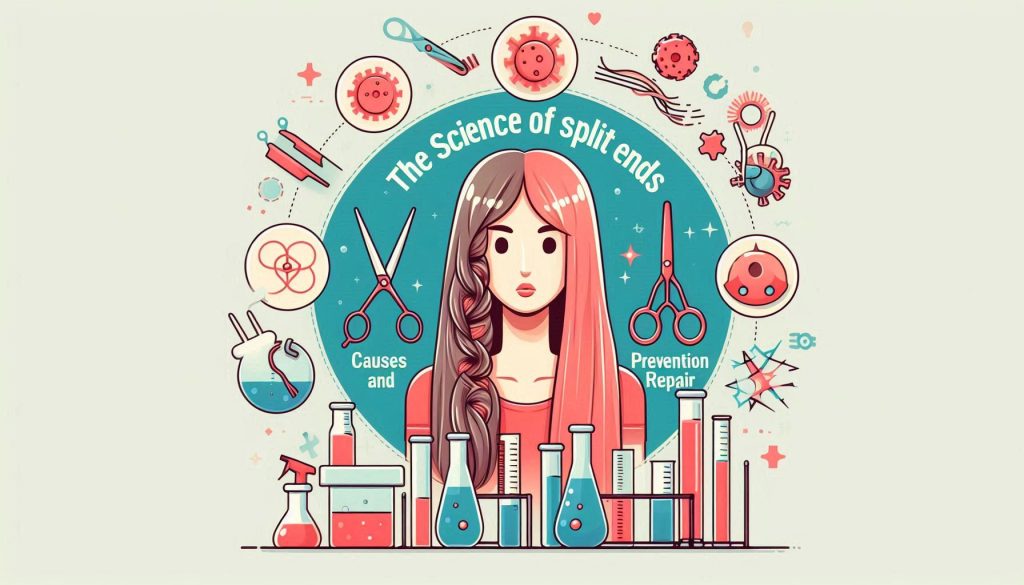
Why do split ends form? How exactly does hair structure relate to this damage? Can split ends be prevented, or once they appear, can they be repaired? Understanding the science behind split ends is essential to developing effective strategies for maintaining healthy hair and minimizing damage.
This article delves into the biology and chemistry of hair that leads to split ends, exploring internal and external causes, the physical and molecular damage involved, and how modern science and haircare techniques can prevent or repair them. We will also explore myths and misconceptions surrounding split ends, as well as practical tips and innovations in treatment.
1. Understanding Hair Structure and How It Relates to Split Ends
To understand split ends, it is crucial to first understand the anatomy of a hair strand. Hair is primarily composed of a protein called keratin, arranged in a layered structure:
- Medulla: The innermost core, often absent in fine hair.
- Cortex: The thick middle layer providing strength, elasticity, and pigment.
- Cuticle: The outermost protective layer made of overlapping, scale-like cells.
The cuticle serves as the hair’s natural armor, shielding the inner layers from mechanical and environmental damage. When the cuticle is healthy and lies flat, hair appears shiny and smooth. However, damage to this layer can expose the cortex and medulla, leading to weakening and eventual splitting at the ends.
Split ends form when the protective cuticle layer at the end of the hair strand wears away or cracks, allowing the cortex to split or fray. Over time, this damage travels upward along the hair shaft, causing the hair to appear frizzy, rough, and prone to breakage.
2. Causes of Split Ends: Internal and External Factor
Split ends arise from a complex interplay of internal vulnerabilities and external stressors.
Internal Factors
- Hair Growth Cycle and Age: As hair grows, the oldest strands at the ends are naturally more susceptible to wear and tear. The cuticle becomes thinner and less effective at protecting the hair as it ages.
- Genetics and Hair Type: People with fine or curly hair often experience more split ends due to the structure of their hair. Curly hair has raised cuticles and is drier, making it more prone to splitting.
- Nutritional Deficiencies: Lack of proteins, vitamins (especially A, C, D, and E), and minerals like zinc and iron can weaken hair from the inside out, increasing vulnerability.
External Factors
- Mechanical Stress: Brushing, combing, and towel drying can physically damage the hair cuticle, especially when done harshly or when hair is wet and more elastic.
- Chemical Treatments: Coloring, bleaching, perming, and relaxing weaken the hair structure by breaking disulfide bonds in keratin or removing protective oils.
- Heat Styling: Regular use of hot tools like straighteners, curling irons, and blow dryers can dehydrate and weaken the hair, causing cuticle damage.
- Environmental Damage: UV radiation, pollution, and exposure to chlorinated or salt water strip moisture and degrade the cuticle.
- Improper Hair Care: Overwashing, using harsh shampoos, or skipping conditioning can dry out hair and lead to damage.
3. The Biology of Split Ends: Molecular and Physical Damage
At the molecular level, keratin proteins in hair strands are held together by various bonds, including hydrogen, disulfide, and ionic bonds. Chemical or mechanical stress can break these bonds, weakening the hair’s structural integrity.
Split ends represent physical fractures where the cuticle cells peel back or chip away, exposing the cortex. This damage compromises tensile strength, making hair strands susceptible to further tearing or breakage.
Microscopic studies show different types of split ends:
- Simple splits: Two-way splits occurring at the hair end.
- Multiple splits: More complex fraying where the strand splits into three or more parts.
- Tapered splits: Damage that progresses upward from the tip, tapering as it goes.
- Flame splits: Damage caused by excessive heat, where the ends appear singed or burnt.
Understanding these types helps professionals and consumers identify the source of damage and choose appropriate treatments.
4. Prevention Strategies: Maintaining Hair Health to Avoid Split Ends
Preventing split ends is primarily about minimizing damage to the hair cuticle and maintaining moisture balance. Key strategies include:
- Gentle Handling: Use wide-tooth combs, avoid brushing wet hair, and pat dry rather than rubbing hair with towels.
- Regular Trimming: Cutting hair every 6-8 weeks prevents splits from traveling up the shaft.
- Proper Washing Routine: Use sulfate-free, moisturizing shampoos and conditioners. Avoid washing hair too frequently to preserve natural oils.
- Heat Protection: Always apply heat protectant sprays before styling with hot tools and limit usage frequency.
- Moisturizing and Conditioning: Deep conditioning treatments replenish moisture and smooth the cuticle. Leave-in conditioners and oils can also seal hair ends.
- Protective Hairstyles: Styles that minimize friction and manipulation, such as loose braids or buns, reduce mechanical stress.
- Nutritional Support: A diet rich in vitamins and proteins supports healthy hair growth and strength.
5. Repairing Split Ends: What Science Says About Treatments
Repairing split ends remains one of the most challenging aspects of hair care because once the hair strand physically splits, it cannot truly be “glued back” or permanently fixed. Hair is made of dead keratinized cells, so unlike living tissue, it cannot regenerate or heal itself. However, many products and treatments claim to repair split ends by temporarily smoothing the cuticle or sealing the damaged strands. Scientific studies on these products show that while they cannot reverse the split, they can improve the appearance and manageability of hair.
Protein-based treatments, such as keratin-infused serums and conditioners, work by temporarily filling in gaps caused by cuticle damage, providing structural support and reducing frizz. Silicone-based ingredients like dimethicone form a protective coating around the hair shaft, sealing split ends and preventing further damage from moisture loss or friction. These coatings can create a smoother surface, making hair easier to comb and style, and reducing the visual signs of splits.
Some emerging technologies use polymers that bond to the hair surface or penetrate the cuticle to strengthen weak points. For example, amino acid-based treatments mimic natural keratin and may help rebuild damaged areas at a molecular level. However, these effects are temporary and require consistent use to maintain.
The only truly permanent solution to split ends is trimming. Regular haircuts remove damaged ends before splits can progress upward and cause more breakage. Professionals recommend trimming every six to eight weeks to maintain hair health, especially for those who frequently use heat or chemical treatments.
6. Professional vs. DIY Solutions: Which Methods Work Best?
When it comes to split end management, both professional and DIY methods offer benefits, but their effectiveness varies widely. Professional salon treatments often use advanced formulations and tools that deliver deeper conditioning, protein infusions, or bonding treatments, sometimes under heat or special application processes that increase absorption and efficacy.
Treatments like Brazilian keratin smoothing or Olaplex work by temporarily restoring disulfide bonds within the hair cortex, providing stronger, healthier strands less prone to splitting. These salon treatments tend to provide longer-lasting results than over-the-counter products, but they come with higher costs and potential chemical exposure.
On the other hand, DIY solutions are more accessible and affordable. Simple home remedies such as coconut oil, argan oil, or aloe vera can moisturize and smooth the hair surface, reducing friction and preventing further damage. Ingredients like honey, egg yolks, or yogurt are rich in proteins and nutrients that can nourish hair temporarily. Additionally, homemade acidic rinses, such as diluted apple cider vinegar or lemon juice, help balance the scalp’s pH and smooth cuticles.
However, the efficacy of DIY treatments depends on correct formulation and consistency. Overuse or improper application can sometimes exacerbate damage—such as lemon juice causing dryness or protein overload making hair brittle.
A combination approach is often most effective: regular salon treatments for intensive repair complemented by a consistent home care routine focused on moisture, gentle handling, and protection.
7. The Role of Hair Products: Ingredients That Protect and Repair
Hair products play a vital role in both preventing and managing split ends. Understanding which ingredients contribute to strengthening hair or protecting it from damage helps consumers make informed choices. Key components include:
- Proteins and Peptides: Hydrolyzed keratin, silk proteins, collagen peptides, and amino acids help temporarily reinforce hair structure by filling in damaged areas and improving elasticity.
- Moisturizers and Humectants: Ingredients like glycerin, panthenol (provitamin B5), aloe vera, and hyaluronic acid attract and retain moisture, keeping hair hydrated and supple, which reduces brittleness.
- Oils and Emollients: Natural oils such as argan, jojoba, coconut, and castor oil create a protective layer over the hair shaft, smoothing the cuticle and minimizing friction. Silicone derivatives like cyclopentasiloxane or dimethicone provide similar smoothing effects but with longer-lasting film formation.
- UV Filters and Antioxidants: Hair is susceptible to environmental damage from UV rays and pollution. Ingredients such as titanium dioxide, benzophenone, vitamin E, and green tea extract protect hair proteins from oxidative stress and prevent degradation of keratin.
- pH Balancers: Hair products formulated to be slightly acidic (around pH 4.5 to 5.5) help keep the cuticle flat and closed, which reduces roughness and prevents split ends.
Avoiding harsh surfactants like sulfates and minimizing alcohols that cause drying are equally important. Consumers should look for sulfate-free shampoos and conditioners with a focus on moisturizing and repairing ingredients tailored to their hair type.
8. Common Myths About Split Ends Debunked
Despite widespread knowledge about split ends, several myths persist that can mislead people and hinder effective care. One common myth is that split ends can be permanently repaired with conditioners or serums. In truth, these products only provide temporary smoothing or sealing; they do not restore the physical integrity of the hair fiber. The only permanent fix is cutting off the damaged ends.
Another misconception is that split ends can be prevented entirely if you use the right products. While proper care greatly reduces their occurrence, split ends are a natural part of hair aging and mechanical wear, especially for longer hair. No product can completely stop the mechanical stresses or chemical changes hair undergoes over time.
Some believe that frequent washing causes split ends. Overwashing with harsh shampoos can dry hair and contribute to damage, but the main culprits are mechanical stress and heat or chemical treatments rather than washing frequency alone.
There is also the myth that split ends mean you should stop using heat tools altogether. While excessive heat can cause damage, using heat protectants and moderating heat styling frequency allows many people to style hair safely without rampant split ends.
Finally, many people think that split ends are only a cosmetic issue. However, untreated split ends can travel up the hair shaft, leading to increased breakage, hair thinning, and difficulty managing hair. Proper management is essential for long-term hair health and aesthetics.
9. Lifestyle Habits for Long-Term Hair Health
Maintaining healthy hair and preventing split ends over the long term requires more than just hair care products—it demands attention to lifestyle habits that influence hair condition from the inside out. Adequate hydration is essential, as water makes up a significant portion of hair structure; dehydration can lead to brittle, dry strands that are more prone to splitting. Nutrition plays a pivotal role as well: diets rich in proteins, omega-3 fatty acids, vitamins A, C, D, and E, and minerals such as zinc and iron provide the building blocks necessary for strong, resilient hair.
Stress management is another critical factor. Chronic stress can disrupt hormonal balance and the hair growth cycle, contributing to hair weakening and increased susceptibility to damage. Regular physical activity promotes healthy circulation, ensuring adequate nutrient delivery to hair follicles. Avoiding smoking and excessive alcohol consumption is also beneficial, as these habits can impair blood flow and increase oxidative stress, accelerating hair aging and damage.
Sleep hygiene should not be overlooked. During sleep, the body undertakes repair and regeneration processes vital for hair follicle health. Using silk or satin pillowcases can minimize friction during sleep, reducing mechanical damage that leads to split ends. Additionally, protecting hair from environmental factors such as sun exposure, pollution, and harsh weather by wearing hats or scarves helps preserve hair integrity.
By integrating these lifestyle habits with proper hair care, individuals can create a holistic approach that sustains hair health and minimizes split ends.
10. Future Directions: Innovations in Hair Repair Technology
The science of hair repair is an evolving field, driven by advances in biotechnology, materials science, and cosmetic chemistry. Researchers are developing novel formulations and devices aimed at addressing split ends more effectively than traditional treatments. One promising area is biomimetic peptides, which mimic natural hair proteins and bond at a molecular level to damaged areas, potentially providing more durable repair than conventional protein treatments.
Nanotechnology offers exciting possibilities as well. Nanoparticles can deliver active ingredients deeper into the hair cortex, improving the penetration and effectiveness of conditioning agents. Some experimental products incorporate nanocapsules that release moisturizing or strengthening compounds gradually, extending their protective effects.
Gene therapy and stem cell research hold potential for addressing hair damage from within by promoting healthier hair follicle function and potentially enhancing the natural repair mechanisms of hair. Although still in early stages, these approaches could revolutionize how we prevent and treat hair damage in the future.
Additionally, advances in diagnostic tools like digital microscopy and AI-driven hair analysis allow personalized hair care solutions tailored to individual hair structure, damage extent, and environmental factors. This precision approach ensures targeted treatment that maximizes repair and minimizes further damage.
As these innovations mature, consumers can expect more effective, longer-lasting options for combating split ends and maintaining hair health.
11. The Psychological and Social Impact of Split Ends
While often dismissed as a cosmetic nuisance, split ends can have profound psychological and social effects. Hair is deeply tied to identity, self-esteem, and social perception. People experiencing hair damage often report feelings of frustration, embarrassment, and reduced confidence. The visible signs of split ends—frizziness, dullness, and unruly texture—can influence how individuals perceive themselves and how they believe others perceive them.
For many, managing split ends becomes a persistent stressor, leading to time-consuming hair care routines and increased spending on products or salon visits. In some cases, chronic hair damage may even affect social interactions, professional image, and overall quality of life.
Moreover, cultural and gender norms can intensify these effects. Societies that place high value on hair aesthetics may inadvertently contribute to anxiety and body image concerns when hair is damaged. Understanding this psychological dimension underscores the importance of addressing split ends not only from a biological perspective but also with empathy and supportive hair care approaches.
Educating consumers on realistic expectations, emphasizing hair health over perfection, and promoting inclusive beauty standards can mitigate these negative impacts. Hair professionals and marketers have a role to play in fostering positive attitudes toward natural hair texture and damage, reducing stigma and encouraging healthier hair care practices.
Conclusion:
Split ends represent a complex interplay of biological structure, environmental exposure, and lifestyle habits. While they cannot be truly repaired once formed, understanding their causes empowers individuals to take preventive measures and manage damage effectively. Science-based approaches—from gentle handling and proper nutrition to advanced protein treatments and emerging technologies—offer a comprehensive toolkit for maintaining hair strength and beauty.
Ultimately, hair health is a reflection of holistic care that spans internal wellness and external protection. Embracing evidence-based practices and debunking myths allows people to set realistic expectations and foster patience in hair care journeys.
As research continues to unravel the mysteries of hair biology and repair, the future holds promise for more effective solutions that enhance hair resilience and appearance. Meanwhile, combining knowledge with daily habits ensures healthier hair that looks and feels its best—split ends or not.
SOURCES
Baumann, L. (2009). Cosmetic dermatology: Principles and practice (2nd ed.). McGraw-Hill Medical.
Draelos, Z. D. (2015). Hair care: An illustrated dermatologic handbook (2nd ed.). CRC Press.
Foley, P., & Zito, P. M. (2023). Physiology, hair. In StatPearls. StatPearls Publishing.
Kantor, J., Kessler, L., Brooks, D., & Cotsarelis, G. (2003). Decreased serum ferritin is associated with alopecia in women. Journal of Investigative Dermatology, 121(5), 985–988.
Madnani, N., & Nayak, C. (2016). Trichoptilosis (split ends): A common hair complaint. Indian Journal of Dermatology, 61(4), 438.
Robbins, C. R. (2012). Chemical and physical behavior of human hair (5th ed.). Springer.
Saitoh, M., Imayama, S., & Yamashita, T. (2001). Observation of split ends by electron microscopy. Journal of Cosmetic Science, 52(3), 149–159.
Tosti, A., & Duque-Estrada, B. (2009). Special considerations for hair cosmetic procedures in ethnic hair. Dermatologic Clinics, 27(3), 365–372.
Van Neste, D., & Rushton, D. H. (2006). The biology of hair and scalp. In R. E. Trueb (Ed.), Hair growth and disorders (pp. 13–31). Springer.
HISTORY
Current Version
AUG, 05, 2025
Written By
BARIRA MEHMOOD